
Listen to this article
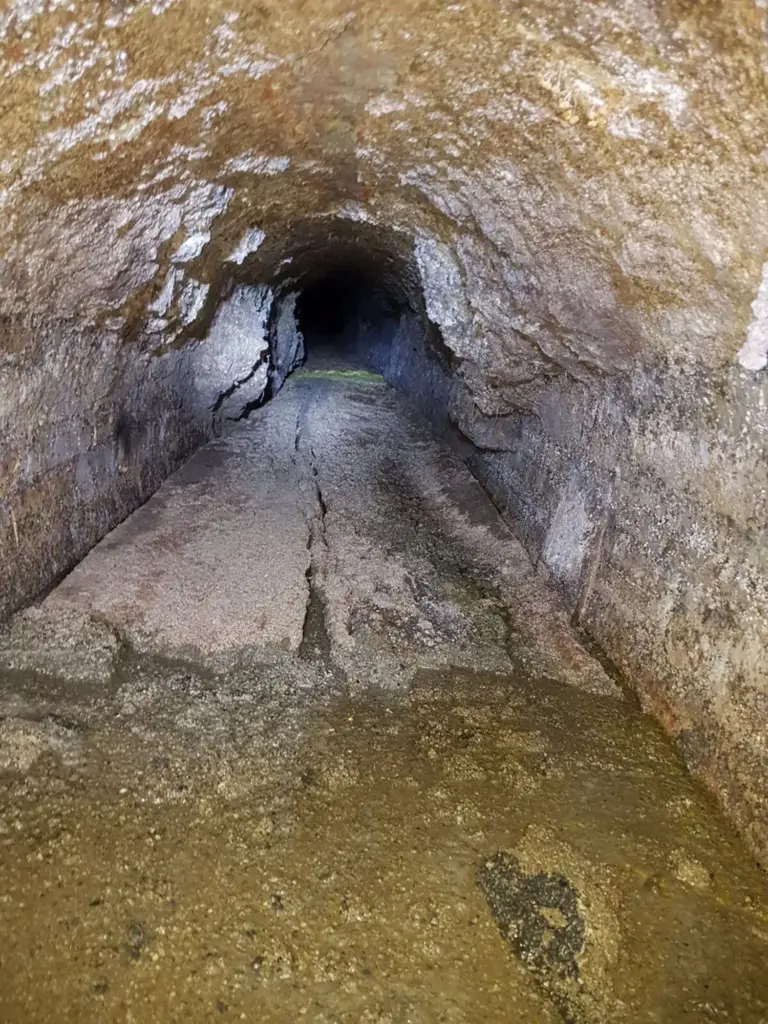
A “fatberg” has been discovered in east London, weighing an astonishing 100 tons and blocking vital sewers in the area. This congealed mass of fats, oils, and grease stretches approximately 100 meters (328 feet) long and is a stark reminder of the hazards associated with improper waste disposal. Officials from Thames Water have highlighted how such fatberg discoveries contribute to sewer blockages, costing millions in repairs each year. The latest fatberg is a descendant of the infamous 2017 Whitechapel fatberg, which was even larger at 130 tons and served as a wake-up call for individuals regarding the dangers of pouring fats and oils down drains. As we face increasing plumbing challenges, it is crucial to understand the impact of these massive blockages on our infrastructure and environment.
In urban environments, waste management issues often arise from the accumulation of dense masses known in the vernacular as “fatbergs”. These gelatinous formations, comprised primarily of kitchen grease and discarded wipes, create significant challenges for municipal sewer systems. A recent instance highlighted the troubling reality of sewer obstructions in London, where the city’s plumbing faced severe impacts from these aggregated deposits of fats and oils. This event serves as a call to action for residents to rethink their disposal habits, especially during peak seasons known for increased waste production. Awareness and education around making wiser choices in waste disposal can lead to a reduction in costly blockages and promote a more sustainable urban infrastructure.
Understanding Fatbergs: The Hidden Threat in Our Sewer Systems
A fatberg is a massive accumulation of congealed fats, oils, and other debris in sewer systems, and it represents a pressing issue for urban infrastructure. The latest fatberg, discovered in east London, weighs around 100 tons and stretches approximately 100 meters long. This discovery highlights the critical problem of waste management and sewer blockages, as city officials and water authorities face increasing challenges in maintaining clean and functional sewage systems. The sheer size of these fatbergs, including their infamous predecessors such as the 2017 Whitechapel fatberg, serves as a clear warning about the effects of improper waste disposal.
Fatbergs are formed primarily from cooking fats, oils, and substances like wet wipes that do not decompose. When these materials are poured down drains or flushed away, they solidify over time, creating formidable blockages that can lead to sewage overflow and environmental hazards. As Thames Water officials like Tim Davies have stated, the increasing prevalence of these large blockages is largely a preventable problem, but it requires public awareness and action to mitigate the risks. Understanding the formation and impact of fatbergs is crucial for cities, especially as urban populations continue to grow.
The Economic Impact of Sewer Blockages and Fatberg Discoveries
The financial repercussions of fatbergs on urban infrastructure are staggering. Thames Water estimates that blockages and the subsequent repairs cost tens of millions of pounds each year. This monetary burden ultimately falls on customers, who may see increased rates for water and sewage services. The seasonal uptick in fatbergs during the holiday season, particularly noted during December and January, further exacerbates these costs, with clearance expenditures soaring to about £2.1 million in this period alone. The economic strain is not just a matter of repairs; it reflects the inefficiencies created by poor waste disposal practices, which drain public resources.
Moreover, addressing the issue of sewer blockages caused by fatbergs can also lead to indirect costs. For instance, cities may face environmental fines or increased treatment costs for wastewater, particularly if these blockages lead to sewage spills into public spaces or water bodies. The overall economic impact of these massive grease conglomerates highlights the necessity for educational campaigns, such as those being promoted by Thames Water, urging residents to be mindful of waste disposal practices. By reducing the volume of oils and non-biodegradable materials entering the sewer system, communities can help mitigate these economic burdens.
Frequently Asked Questions
What is a fatberg and how does it relate to sewer blockages?
A fatberg is a large mass of congealed fats, oils, and grease that accumulates in sewers, often causing severe blockages. These blockages occur when people dispose of fats and oils down their drains, leading to the formation of these massive obstructions in the sewage systems.
What was the London fatberg discovered recently?
The most recent London fatberg, discovered in east London, weighs an estimated 100 tons and stretches approximately 100 meters (328 feet) long. It is referred to as a significant hazard in the sewer system, echoing the issues faced with the grandchild of the 2017 Whitechapel fatberg.
How do fats and oils contribute to the formation of fatbergs?
Fats and oils contribute to fatberg formation when they are disposed of down sinks. These substances congeal and accumulate over time, particularly when combined with other materials like wet wipes, ultimately resulting in severe sewer blockages.
What should I avoid pouring down the sink to prevent fatbergs?
To prevent fatbergs, avoid pouring fats, oils, and liquid foods like gravy or cream down the sink. It is crucial to scrape food residues off dishes before washing them and to use strainers in plugholes to catch solid food waste.
What measures does Thames Water suggest to prevent fatbergs and sewer blockages?
Thames Water advises individuals to be mindful of disposal methods, especially during the holiday season when blockages increase. Specifically, they recommend scraping dishes, using plughole strainers, and avoiding the disposal of fats and oils through sinks.
Can you provide examples of previous fatbergs discovered in London?
Yes, one notable example is the 2017 Whitechapel fatberg, which weighed 130 tons and measured over 250 meters (820 feet). This fatberg was so significant that a sample was displayed in the Museum of London after it was broken up for removal.
What are the financial impacts of fatbergs on sewer systems?
The financial impact of fatbergs on sewer systems is substantial, with Thames Water reporting costs of tens of millions of pounds annually for clearing blockages and repairing damaged sewer lines. During peak seasons, like December and January, clearance costs can reach over £2.1 million.
How do fatbergs affect the environment and public health?
Fatbergs can lead to significant environmental and public health issues as blocked sewers can overflow, causing sewage to back up into homes and public spaces, potentially leading to contamination and health risks for communities.
What happens to fatbergs once they are discovered in the sewer?
Once discovered, fatbergs are typically broken down and removed by specialized teams. For instance, the 2017 Whitechapel fatberg was dismantled and part of it was exhibited in a museum, highlighting the urgency of addressing these avoidable issues.
Why was the recent fatberg discovery labeled as the grandchild of the 2017 Whitechapel fatberg?
The recent fatberg discovery is labeled as the grandchild of the 2017 Whitechapel fatberg due to its similar formation process and significant size, illustrating the ongoing challenges posed by improper disposal of fats and oils in sewers.
| Key Point | Details |
|---|---|
| Description of Fatberg | A fatberg discovered in east London weighs 100 tons, measuring about 100 meters long. |
| Origin of Current Fatberg | It is labeled as the grandchild of the 2017 Whitechapel fatberg, which weighed 130 tons and was over 250 meters long. |
| Official Statement | Tim Davies from Thames Water explains the consequences of improper disposal of fats, oils, and wipes down drains. |
| Financial Impact | Clearing blockages and sewer repairs cost tens of millions each year. |
| Seasonal Blockages | December and January show a spike in blockages, costing about £2.1 million for clearance. |
| Preventive Advice | Thames Water advises scraping food residues and using strainers in plugholes to prevent blockages. |
| Historical Context | The 2017 fatberg was displayed in the Museum of London as a notable example. |
| Effort to Break Down Fatbergs | Breaking up fatbergs is likened to breaking concrete, making the process difficult and frustrating. |
Summary
A fatberg has emerged as a significant problem in London’s sewer system, highlighting the dire consequences of improper waste disposal. The discovery of this massive 100-ton fatberg serves as a stark reminder of how fats, oils, and wipes contribute to infrastructure damage and costly clean-up operations. Tim Davies from Thames Water emphasizes the importance of public awareness during the holiday season when blockages tend to peak. To address these ongoing challenges, it is crucial for residents to adopt better disposal practices and understand the environmental impact of their actions.