Listen to this article
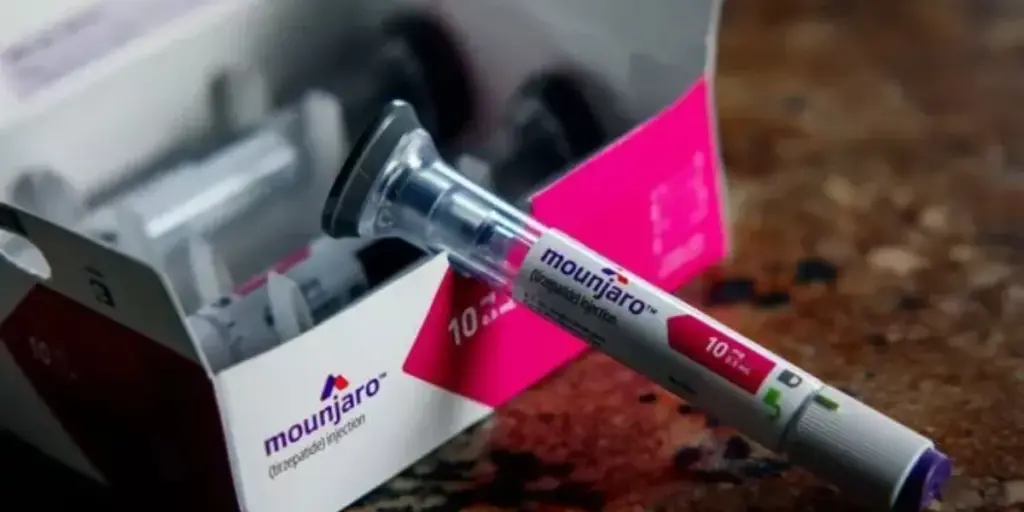
Weight-loss jabs, particularly GLP-1 medication, are making waves in the world of health and fitness as effective weight loss injections that significantly aid in hunger regulation. Many individuals, like Tanya Hall, have transformed their lives with these innovative treatments, but they often face challenges when considering stopping the medication. As appetite cravings resurge after cessation, the desire to keep the weight off becomes a critical concern. With over 1.5 million people in the UK utilizing these jabs, questions arise regarding the long-term impact of GLP-1s and what happens when you stop taking them. This article will delve into personal experiences and explore whether it’s possible to maintain weight loss without the aid of these groundbreaking injections.
The phenomenon of weight-loss injections, also known as appetite suppressants or hunger-regulating meds, has captured the interest of many seeking effective weight management. These advanced treatments, often characterized by their GLP-1 compounds, have provided users with newfound control over their eating habits. However, the journey towards lasting weight loss can be complex, especially when contemplating the discontinuation of such medications. Tanya Hall’s experience sheds light on the emotional and physical aspects of transitioning away from these interventions. Understanding the broader effects of stopping these injections is crucial for anyone considering their weight management options.
Understanding GLP-1 Medications and their Role in Weight Loss
GLP-1 medications, or weight loss injections, have become increasingly popular in recent years as effective tools for managing obesity. These medications work by mimicking the glucagon-like peptide-1 (GLP-1) hormone, which plays a significant role in hunger regulation. They help to reduce appetite and increase feelings of fullness, making it easier for individuals to adhere to calorie-restricted diets. With the growing number of success stories involving these drugs, many are turning to weight-loss jabs as a viable option for sustainable weight management.
Understanding how GLP-1 medications function is essential for anyone considering their use. Notably, these medications do not solely focus on weight loss but also on improving metabolic health. Patients often experience improvements in cholesterol levels and blood sugar regulation, making GLP-1s advantageous for those with underlying health issues related to obesity. Families, friends, and healthcare providers are increasingly discussing the benefits and risks associated with weight loss injections, resulting in a more informed public.
What to Expect When You Stop Taking Weight-loss Jabs
Stopping GLP-1 medications can lead to significant changes in appetite and eating behavior. As noted in Tanya Hall’s experience, many users report that once they discontinue the injections, the cravings and hunger they initially suppressed return with a vengeance. This rebound effect can be disheartening for those who have achieved considerable weight loss while on the injections. Individuals may find themselves struggling with their eating habits once they stop the treatment, leading to weight regain if not managed properly.
Additionally, the process of weaning off weight loss injections should be approached with caution. Healthcare professionals often suggest tapering off rather than stopping abruptly to reduce the shock to the body. Patients are encouraged to develop a maintenance plan that includes dietary adjustments and exercise to account for the changes in hunger regulation that may occur post-treatment. It is crucial to understand that weight management is a lifelong journey, and finding sustainable strategies is key to lasting success.
The Emotional Impact of Stopping GLP-1s: Tanya’s Journey
The emotional toll associated with stopping GLP-1 medications can be significant. Tanya Hall’s journey links the physical effects of weight-loss jabs with their psychological implications. After experiencing the initial success of weight loss, the fear of regaining lost weight can lead to anxiety and stress, particularly upon discontinuing the medication. This emotional rollercoaster often affects not only the individuals but also their support systems, who may witness their struggles to maintain weight without the assistance of GLP-1s.
Moreover, stories like Tanya’s highlight the importance of addressing the underlying issues related to eating behaviors and emotional well-being. When stopping weight loss injections, individuals often need additional support to navigate their relationship with food. Engaging in therapy or support groups can provide the necessary tools to manage cravings and emotional eating, fostering a healthier mindset towards weight management. It’s essential to prioritize mental health as part of the overall weight loss journey.
Long-term Considerations for GLP-1 Users: A Comprehensive Guide
For anyone considering or currently using GLP-1 medications, long-term implications are a crucial aspect to reflect on. Healthcare practitioners emphasize that while weight loss jabs can provide significant results, they are not a permanent solution. Users should evaluate their readiness for a sustainable approach to weight management that includes lifestyle changes. Understanding that some individuals may need to stay on medication long-term versus those who can manage without them is vital in making personalized health decisions.
Additionally, the financial burden of maintaining a prescription for GLP-1s raises questions about accessibility and sustainability. With approximately 1.5 million people in the UK relying on these weight loss injections, it’s essential for healthcare systems to provide support and options for those who may wish to discontinue use. Promoting knowledge about behavioral strategies that enhance weight loss maintenance can empower patients and encourage them to take charge of their health beyond pharmacological solutions.
The Science Behind Hunger Regulation and GLP-1
Understanding the science behind hunger regulation is key to appreciating the benefits of GLP-1 medications. Research indicates that GLP-1 mimics not only modulate appetite but also influence the brain’s reward centers, thus altering eating behaviors. By understanding these mechanisms, users can better appreciate how weight loss injections can facilitate many positive lifestyle changes. The hormonal profile and the body’s response to food intake significantly impact user satisfaction and long-term adherence to a healthy lifestyle.
Furthermore, ongoing studies continue to unveil the profound effects of GLP-1 on metabolic processes beyond weight loss. For instance, hormones like GLP-1 can help improve insulin sensitivity while reducing the risk factors associated with diabetes. This dual action explains why people using these medications often report improved overall health status. The integration of scientific understanding with personal experiences, like those of Tanya and Ellen, presents a comprehensive view of weight-loss jabs and their role in a broader health context.
The Importance of Support Networks in Weight Loss Journeys
Support networks play a crucial role in successful weight loss journeys, especially for those utilizing GLP-1 medications. Individuals often find motivation and encouragement from friends, family, and support groups, enhancing their ability to adhere to lifestyle changes. In Tanya’s case, sharing her experiences with others who have similar challenges allowed her to navigate the complex emotional landscape tied to weight management. Building a reliable support system can make all the difference when transitioning off weight loss injections or facing challenges during the journey.
Moreover, the significance of engaging in community discussions around weight loss and health cannot be overstated. Online forums, social media platforms, and local groups provide a sense of belonging and shared experience that can motivate individuals to continue their progress. As users of GLP-1 medications contemplate the next steps in their weight loss journeys, fostering connections with others in similar situations can help mitigate feelings of isolation and enhance accountability.
Understanding the Cost Implications of GLP-1 Medications
Cost remains a significant concern for many individuals considering GLP-1 medications for weight loss. With the average cost of these injections being quite high, many people must think critically about the financial implications of long-term use. Tanya’s experience highlights the reality that while initial weight loss may be achieved, the ongoing expenses associated with maintaining medication can lead to difficult decisions regarding treatment continuation. Understanding insurance coverage and access to subsidies can aid in alleviating some of these financial burdens.
Additionally, the investment in GLP-1s should also be balanced against the potential savings from improved health outcomes. Research supports the notion that successful weight loss can lead to reduced healthcare costs in the long run due to the lowered risk of obesity-related diseases. As patients navigate the cost considerations, a holistic view must be taken into account. This includes evaluating the potential benefits for physical health, quality of life, and emotional wellbeing in conjunction with medication expenses.
Navigating the Transition: From GLP-1s to Lifestyle Changes
Transitioning away from weight-loss jabs requires careful consideration and planning. Many users find that after discontinuing GLP-1 medications, they must rely on therapeutic lifestyle changes to maintain their weight loss. These changes often involve developing mindful eating habits, incorporating regular physical activity, and seeking continual support from healthcare professionals. Tanya’s narrative emphasizes that although it may be challenging, it is possible to return to a self-regulated eating pattern with the right strategies and support systems in place.
Moreover, the transition period presents an opportunity for individuals to reassess their relationship with food and identify triggers for unhealthy eating. Engaging in behavioral therapies, mindfulness practices, and education about nutrition can empower individuals to create sustainable habits that support long-term weight management. Recognizing the importance of engaging in this transition holistically can enhance resilience and foster a healthier lifestyle post-GLP-1s.
Future Perspectives on GLP-1s and Obesity Treatment
The future of obesity treatment is ever-evolving, especially with the increased focus on GLP-1 medications as a mainstream solution. As more research emerges, we may see advancements in formulations, delivery methods, and combinations with other therapies to optimize weight loss results. Health practitioners advocate for an integrated approach to obesity treatment that encompasses medication, lifestyle changes, and psychological support. As the healthcare landscape continues to adapt, individuals will have more personalized treatment options suited to their unique needs.
Additionally, ongoing public discussions surrounding body positivity and obesity stigma can create a more supportive environment for individuals exploring weight loss options, including GLP-1s. As society recognizes that sustainable weight management is a multifaceted journey, patients will likely gain increased access to resources and services that promote holistic well-being. By fostering conversations that emphasize both the scientific and experiential aspects of obesity treatment, individuals can navigate their weight loss journeys with greater confidence and support.
Frequently Asked Questions
What are weight-loss jabs and how do GLP-1 medications work?
Weight-loss jabs, primarily GLP-1 medications, are injectable treatments that mimic the GLP-1 hormone in the body, which helps regulate hunger and improve insulin sensitivity. They assist individuals in managing appetite and promoting weight loss by signaling fullness and reducing cravings.
What happens when you stop taking GLP-1 medications for weight loss?
When individuals stop taking GLP-1 medications for weight loss, like those experienced by Tanya Hall, they may quickly regain their hunger because the appetite-regulating effects diminish. Even after weight loss, cravings can return, making it challenging for some to maintain their weight without the injections.
Can weight-loss injections be used long-term?
Yes, weight-loss injections such as GLP-1 medications can be used long-term; however, the cost can be substantial as many individuals pay out of pocket. Consulting with a healthcare provider is crucial to determine the appropriate duration for each individual based on their health goals and responses to the medication.
What is Tanya Hall’s experience with stopping weight-loss jabs?
Tanya Hall has shared that her experience with stopping weight-loss jabs resulted in overwhelming cravings, which made it difficult for her to resist overeating. Her struggle highlights the importance of understanding how GLP-1 medications can create dependency in regulating hunger.
Are there any side effects of using weight-loss injections like GLP-1s?
Common side effects of using weight-loss injections such as GLP-1s may include nausea, diarrhea, and potential digestive issues. These typically decrease over time, but ongoing consultation with a healthcare provider is essential to manage any adverse effects.
How do GLP-1 medications compare to other weight loss methods?
GLP-1 medications differ from traditional weight loss methods by specifically targeting hunger regulation at a hormonal level. Unlike diets or exercise alone, these weight-loss jabs can significantly impact appetite control, making them a unique option for effective weight management.
What should I consider before starting weight-loss jabs?
Before starting weight-loss jabs, it’s important to consider factors such as your overall health, potential side effects, cost, and the likelihood of maintaining weight loss after ceasing the medication. Consulting a healthcare professional can help create a personalized weight loss plan.
What can I do to manage hunger after stopping GLP-1 medications?
To manage hunger after stopping GLP-1 medications, consider maintaining a balanced diet rich in fiber and protein, staying hydrated, and incorporating regular physical activity. Behavioral techniques, along with ongoing weight management strategies, can also help control cravings.
Are weight-loss injections effective for everyone?
Weight-loss injections like GLP-1 medications can be effective for many, but individual results may vary. Factors such as body chemistry, lifestyle changes, and adherence to treatment plans play a significant role in their overall effectiveness.
How can I find out if GLP-1 medications are right for me?
To determine if GLP-1 medications are appropriate for you, consult a healthcare provider who can evaluate your medical history, weight loss goals, and any potential risks involved with this treatment option.
| Key Point | Details |
|---|---|
| Introduction to Weight-loss Jabs | GLP-1s are medications that help regulate hunger and promote weight loss. |
| Effect of Stopping | Patients experience intense cravings and hunger when they stop taking these jabs, leading to challenges in maintaining weight loss. |
| Tanya’s Experience | Tanya Hall faced repeated cravings and difficulties after discontinuing her weight-loss jab, indicating the challenges many face in stopping. |
| Financial Implications | Approximately 1.5 million people in the UK pay for GLP-1s privately, signifying the high costs associated. |
| Long-term Use Consideration | There are questions about whether GLP-1s can or should be used indefinitely. |
Summary
Weight-loss jabs have revolutionized the approach to managing obesity and cravings. However, understanding what happens when you stop these medications is crucial for anyone considering their use. Tanya’s and Ellen’s experiences underscore the potential challenges of resuming normal hunger levels without the jabs. With rising costs and the importance of sustainable weight management, it’s essential to approach these treatments with caution and awareness of the implications that may follow upon discontinuation.