
Listen to this article
Charles Dickens Christmas is synonymous with the very spirit of the holiday, largely inspired by his timeless novella, A Christmas Carol. This beloved story follows the transformation of Ebenezer Scrooge, a miser who learns the true meaning of charity during Christmas after being visited by three spectral figures. Dickens played a pivotal role in revitalizing Victorian Christmas traditions, turning celebrations into heartfelt gatherings filled with warmth and generosity. Today, visitors to the Dickens Museum can immerse themselves in the festive ambiance of his era, experiencing the Victorian celebrations that Dickens cherished. The impact of A Christmas Carol still resonates, encouraging modern audiences to embrace goodwill and compassion during the holiday season.
When thinking about the festive season, one cannot overlook the influence of Dickens on Christmas celebrations. His renowned tale, A Christmas Carol, depicts a grumpy old man named Ebenezer Scrooge, whose life takes a turn after encounters with ghostly visitors. Through this narrative, Dickens highlighted the importance of compassion and community spirit that often flourishes during the Christmas season. Today, the Dickens Museum stands as a testament to Victorian Christmas customs, showcasing how the author celebrated this joyful time. It’s a reminder that the essence of giving and kindness remains timeless, inviting all to partake in the warmth of the holidays.
The Enduring Legacy of Charles Dickens’s Christmas
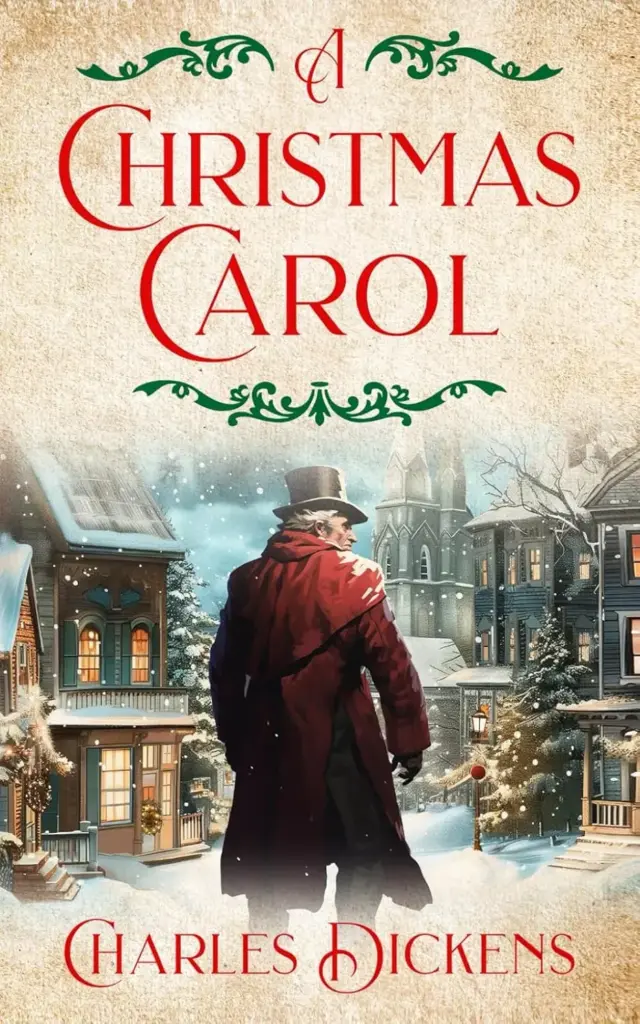
Charles Dickens has become synonymous with Christmas since the publication of his timeless novella, A Christmas Carol, in 1843. This story introduced readers to Ebenezer Scrooge, a miserly character who experiences a profound transformation after being visited by the ghosts of Christmas Past, Present, and Future. Through Scrooge’s journey from greed to generosity, Dickens captured the true spirit of Christmas, encouraging readers to embrace charity and community spirit during the holiday season. His portrayal of Christmas not only revived the holiday’s popularity but also established many of the Victorian Christmas traditions that are still celebrated today.
Dickens’s influence on Christmas extends beyond the pages of A Christmas Carol. His emphasis on the importance of kindness and charity during this special time urged Victorians, and indeed all future generations, to reflect on their social responsibilities. This holiday spirit, as depicted through Scrooge’s metamorphosis, is a reminder of the potential for change and renewal in the human heart. The traditions his stories inspired, including festive gatherings, seasonal feasting, and acts of goodwill, remain integral to how we celebrate Christmas. Ultimately, Dickens’s legacy teaches us that the essence of Christmas lies in generosity, embodying the spirit of giving that he so eloquently celebrated.
Exploring the Dickens Museum: A Christmas Wonderland
The Dickens Museum is a treasure trove of historical Christmas charm, located in the author’s former residence in London. This beautifully preserved Victorian home, which Dickens occupied with his family, immerses visitors in the atmosphere of 19th-century Christmas celebrations. During the festive season, the museum showcases the traditions that Dickens loved, from festive decorations to meals reminiscent of those enjoyed by the author himself. Visitors can appreciate how Dickens’s own experiences and values were reflected in his writings, especially A Christmas Carol, making the museum a perfect destination for those wanting to explore the intertwining of Dickens and Christmas.
In addition to its festive exhibits, the Dickens Museum celebrates the broader impact of the author’s works on Victorian society and Christmas traditions. The staff, including Emma Harper, share fascinating insights into how Dickens’s concerns with social justice and reformation during the Christmas season resonate with modern values of charity and compassion. Special events, talks, and guided tours are often organized during the holiday months, allowing guests to experience the timeless messages of Dickens firsthand. The museum truly embodies a culture of giving, echoing the themes of his most famous stories and reminding us of the power of compassion that Dickens championed.
As we delve into the rich history housed within the museum’s walls, visitors not only grasp Dickens’s literary contributions but also experience firsthand the Victorian Christmas traditions that he helped revive. Festive events hosted at the museum during this season become a celebration of Dickens’s lifetime and his enduring influence on how we understand Christmas today.
Victorian Christmas Traditions and Their Revival
The Victorian era was integral to the way we celebrate Christmas today, with Charles Dickens playing a crucial role in this transformation. A Christmas Carol opened discussions about the importance of familial bonds, generosity, and the joy of giving, which led to the resurgence of festive traditions such as caroling, feasting, and the iconic Christmas tree. Prior to Dickens’s influence, Christmas had dimmed in popularity, but his writings rekindled the holiday spirit and incorporated various customs that had been lost over time. Key themes from his works reflect the essence of a Victorian Christmas: love, reconciliation, and the joy found in community.
As family gatherings became central to the Christmas experience during the Victorian age, Dickens’s narratives encouraged people to embrace their loved ones and celebrate the joys of togetherness. The charming depictions of festive dinners and lively celebrations in his stories helped bring these practices into daily life. Furthermore, the emphasis placed on charity during Christmas was vast; many families were inspired to perform acts of generosity and support those less fortunate, thereby reinforcing social bonds and community responsibility during the holiday season.
Ebenezer Scrooge: A Symbol of Transformation
Ebenezer Scrooge stands as one of literature’s most well-known characters, embodying the potential for redemption and the transformative power of Christmas. Through his journey from a cold-hearted miser to a benevolent figure, Dickens illustrated how one could embrace the spirit of charity and kindness. Scrooge’s character serves as a mirror, reflecting society’s often apathetic attitudes toward the poor and reminding readers of their social obligations—not just during the holiday season, but year-round. As he evolves through his encounters with the three spirits, Scrooge demonstrates that change is always possible, reaffirming the hope that lies within us all.
By amplifying the theme of generosity, Dickens made Scrooge a harbinger of goodwill and compassion. His metamorphosis serves as an inspiration for individuals to evaluate their own lives and relationships, pushing them to foster a more inclusive community. Today, the character’s name has become synonymous with the idea of a person who initially rejects the holiday spirit but later reconciles with his past and embraces Christmas cheer. Scrooge’s journey resonates with audiences, prompting a reevaluation of the true meaning of the season and encouraging acts of charity that eliminate the barriers between individuals.
The Charitable Spirit of Christmas: A Dickensian Influence
At the heart of Dickens’s writings lies a profound message about the importance of community and charity, especially during Christmas. A Christmas Carol emphasizes the idea that sharing and giving should transcend mere tradition, becoming a vital part of societal interaction. Dickens’s insistence on the need to care for the less fortunate resonates strongly in his narrative, where characters such as Bob Cratchit represent the struggles of many who lived in poverty during the Victorian era. Through Scrooge’s transformation, Dickens conveys that personal wealth should be a means to uplift others, creating a ripple effect of kindness during Christmas.
This emphasis on charity became especially relevant during the Victorian period, where stark contrasts between the wealthy and the impoverished were prevalent. Dickens’s call for altruism triggered a wave of philanthropic efforts, as more people felt compelled to contribute to the welfare of those around them. Organizations dedicated to charitable functions began to flourish, all bearing testament to the power of Dickens’s message. His work not only revitalized the spirit of Christmas but also instigated a long-lasting commitment to helping those in need, shaping the way we view charity during the holiday season.
The Role of Family in Dickens’s Christmas
Family constitutes a vital theme throughout Dickens’s works, particularly in his Christmas narratives. In A Christmas Carol, the representation of family dynamics plays a critical role in shaping Scrooge’s character and redemption. The crux of Scrooge’s realization lies in recognizing the importance of human connections, which is beautifully illustrated through the Cratchit family and their unwavering love and support despite their struggles. This poignant depiction reinforces the idea that Christmas is not merely a date on the calendar but rather a heartfelt occasion for reflection and togetherness. Dickens encourages readers to cherish their families and to foster unity during the festive season.
Beyond A Christmas Carol, Dickens often intricately wove familial ties into his stories, shedding light on the joys and challenges of family life. By showcasing the warmth of communal celebration paired with the trials faced by families, Dickens placed an emphasis on nurturing relationships. His portrayals invite readers to embrace their familial bonds and extend love and kindness, fostering an inclusive environment during Christmas. Ultimately, through the lens of family, Dickens advocated for a deeper understanding of what it means to celebrate the spirit of Christmas—love, acceptance, and the importance of being there for one another.
Charity During Christmas: A Call to Action
One of the most resonant themes in Dickens’s A Christmas Carol is the crucial nature of charity during the holiday season. Dickens crafted Scrooge’s narrative as a powerful reminder that the true essence of Christmas lies in caring for others. Through the character’s interactions with the ghosts, readers witness the ramifications of neglecting one’s social responsibility toward those in need. Dickens’s emphasis is clear: it is not enough to celebrate Christmas with feasting and merriment, without also addressing the welfare of our fellow beings. This call to action is particularly relevant today, as the importance of charity remains significant during the holiday season.
The act of giving does not simply occur within our means; rather, it is a gesture that reflects our values and humanity. Dickens’s emotional tug to open our hearts culminates in a genuine celebration of community spirit, wherein sharing and support form the foundation of a fulfilling Christmas experience. Charity should not be viewed as an obligation, but rather as a positive contribution to the well-being of our society. By embodying the principles that Dickens advocated, individuals can ensure that the festive season remains an opportunity to uplift others and empower communities through acts of kindness.
Celebrating Dickens’s Christmas in Modern Times
As the Christmas season approaches, the enduring influence of Charles Dickens is still felt in our modern celebrations. The themes established in A Christmas Carol have transcended time, shaping how contemporary society views the holiday. Modern family gatherings often reflect the same principles of love and togetherness that Dickens so poignantly highlighted. The shared meals, charity events, and acts of kindness echo the values propagated by Dickens, urging people to pause from their busy lives to appreciate their loved ones and give back to their communities.
Furthermore, Dickens’s emphasis on the importance of charity during Christmas has inspired numerous organizations and initiatives aimed at providing support to those less fortunate. Community drives that focus on food donations, toy collections, and volunteer work mirror the very spirit of giving that Dickens espoused in his writings. As we celebrate Christmas today, the teachings of Charles Dickens serve as a gentle reminder of our collective responsibility to foster generosity, compassion, and love—thus perpetuating the true essence of the holiday.
Frequently Asked Questions
How did Charles Dickens’ A Christmas Carol influence Victorian Christmas traditions?
Charles Dickens’ A Christmas Carol, published in 1843, significantly revived and shaped Victorian Christmas traditions. The novella introduced themes of charity and compassion, encouraging festivities that included family gatherings, seasonal feasting, and acts of generosity. Dickens’ portrayal of Ebenezer Scrooge’s transformation inspired Victorians to celebrate Christmas as a time of goodwill, thus laying the foundation for many modern holiday customs.
What role did Ebenezer Scrooge play in Charles Dickens’ Christmas message?
Ebenezer Scrooge, the main character in Charles Dickens’ A Christmas Carol, embodies the transformative power of Christmas through charity and kindness. Initially a miser, Scrooge undergoes a profound change after being visited by the ghosts of Christmas Past, Present, and Yet to Come. His journey highlights Dickens’ message about the importance of generosity, compassion, and community spirit during the Christmas season.
Where can I learn more about Charles Dickens Christmas at the Dickens Museum?
The Dickens Museum is an excellent place to explore Charles Dickens’ Christmas legacy. Located at 48 Doughty Street, the museum celebrates Dickens’ love for the holiday, showcasing Victorian Christmas traditions and emphasizing themes from A Christmas Carol. Although closed on Christmas Day, Boxing Day, and New Year’s Day, the museum remains open throughout the holiday season, inviting visitors to connect with Dickens’ festive spirit.
Why did Charles Dickens write A Christmas Carol?
Charles Dickens wrote A Christmas Carol in response to social concerns related to poverty and the poor laws of his time. He aimed to raise awareness about the struggles faced by the lower classes and promote the importance of charity during Christmas. Through the character of Ebenezer Scrooge, Dickens emphasizes the value of empathy and communal responsibility, making the novella a powerful reflection of charity’s role during the festive season.
What are some common Victorian Christmas traditions depicted in A Christmas Carol?
A Christmas Carol showcases several Victorian Christmas traditions, such as family gatherings, elaborate meals, festive decorations, and games. These customs were integral to Dickens’ portrayal of the holiday spirit, which emphasized joy, unity, and generosity. The novella’s impact helped solidify these traditions, making them staples of the Christmas celebration in the Victorian era and beyond.
How did Dickens’ personal experiences influence his views on Christmas?
Charles Dickens’ own fond memories of Christmas celebrations with his family deeply influenced his depiction of the holiday in A Christmas Carol. His belief in the importance of charity and community, borne from witnessing the struggles of the poor in Victorian society, shaped his narrative. Dickens viewed Christmas as a time to open our hearts and be charitable, a theme that resonates throughout his novella.
| Key Points | Details |
|---|---|
| Influence on Christmas | Charles Dickens is credited with enhancing the popularity of Christmas through his 1843 novella, A Christmas Carol. |
| A Christmas Carol | The story follows Ebenezer Scrooge, a miser who learns about charity after ghostly visits. |
| Victorian Enthusiasm | Dickens and his family celebrated Christmas, helping to inspire Victorian Christmas traditions. |
| Dickens Museum | Located in Dickens’s former home, it showcases Victorian Christmas decorations and celebrates Dickens’s life. |
| Themes of A Christmas Carol | Focuses on charity, family gatherings, and concerns over the struggles of the poor. |
| Quotes | Dickens captured the spirit of Christmas: “A good time; a kind, forgiving, charitable, pleasant time…”. |
Summary
Charles Dickens Christmas has forever changed the cultural landscape of the holiday, making it a time for generosity and charity. His novella, A Christmas Carol, not only revitalized Christmas celebrations in Victorian England but also instilled lasting traditions that we uphold today. By introducing us to the character of Ebenezer Scrooge, Dickens illustrated the profound changes that can occur through kindness and compassion. As we reflect on his writings, we recognize the true spirit of Christmas is rooted in caring for others and spreading joy.