
Listen to this article
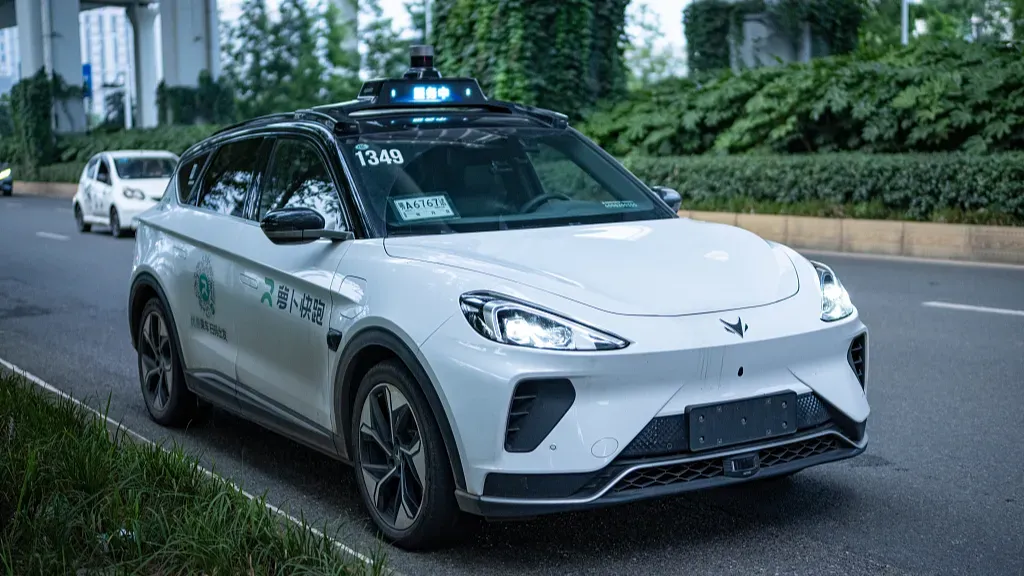
Chinese robotaxis are poised to revolutionize transportation in the UK, with trials set to commence as soon as 2026. Major ride-sharing companies Uber and Lyft have joined forces with Baidu’s Apollo Go, already renowned for its extensive fleet of autonomous taxis operating in numerous Chinese cities. With the push towards driverless cars gaining momentum, these partnerships aim to navigate regulatory frameworks, making autonomous taxi technology a reality for London commuters. Despite skepticism surrounding safety and practicality, both companies remain optimistic about introducing this innovative travel option to the UK. As the demand for reliable and efficient transport solutions grows, the emergence of robotaxi services could significantly transform urban mobility, similar to trends seen with the introduction of UK driverless cars.
The evolution of passenger transport is set to enter a new phase with the introduction of autonomous vehicles commonly referred to as robotaxis. Such innovative taxi services, leveraging advanced technology like Baidu’s Apollo Go, are being trialed by notable ride-sharing platforms similar to those emerging from the collaborations between Uber and Lyft. This shift reflects a broader trend where companies are eager to embrace driverless cars, amid both excitement and concern from potential passengers. The integration of this autonomous technology may not only enhance commuting efficiency but also challenge public perceptions about safety in transportation. As discussions around these advanced driverless alternatives unfold, their impact on urban transit systems will likely be significant.
The Rise of Chinese Robotaxis in the UK
As autonomous vehicle technology advances, the prospect of Chinese robotaxis hitting UK roads by 2026 is becoming increasingly real. Ride-sharing giants Uber and Lyft have announced a partnership with Baidu to trial this innovative technology in London, where the Baidu Apollo Go driverless taxi service has already been successfully implemented in numerous Chinese cities. Governments and transportation authorities are closely monitoring these developments, eager to understand the potential implications on urban travel, traffic patterns, and the overall transportation network.
The introduction of Chinese robotaxis could mark a significant shift in the way consumers perceive and utilize ride-sharing services. With the Baidu Apollo Go service already demonstrating millions of rides conducted without human drivers, there’s excitement about how similar innovations can be tailored for the UK market. However, as we prepare for this technological transition, it’s crucial to consider the challenges of regulation, public acceptance, and safety concerns surrounding autonomous vehicles.
Partnerships Shaping the Future of Driverless Cars
Uber and Lyft’s strategic alliances with Baidu exemplify how collaborative efforts in the tech and transportation sectors can propel the imminent reality of driverless cars. While the UK government has expressed a willingness to support pilot programs, Uber’s initiative to fast-track the introduction of driverless taxis showcases their commitment to innovation and public convenience. By 2026, London could potentially see a fleet of autonomous vehicles enhancing its transportation ecosystem, providing users with an additional reliable option.
Additionally, Lyft’s expansion of its autonomous taxi approach into the UK and Germany signifies a larger trend in the ride-sharing market, where companies are actively seeking to adapt and grow their services to meet the evolving demands of urban populations. The integration of autonomous taxi technology from Baidu holds the promise of not only making transportation safer and more efficient but also diversifying the ride-sharing experience for passengers across Europe.
Navigating Regulatory Challenges for Autonomous Vehicles
Regulatory hurdles pose one of the biggest challenges for the rollout of autonomous vehicles like those being tested by Uber and Lyft. Gaining the necessary approvals to conduct trials on public roads underscores the need for robust safety protocols and public trust in this emerging technology. UK Transport Secretary Heidi Alexander has shown support for these initiatives, but the skepticism surrounding the safety of self-driving cars is a barrier that must be addressed.
Experts suggest that ensuring rigorous safety standards and clear communication about the capabilities of autonomous vehicles is essential for gaining public trust. In light of the findings from a YouGov poll revealing that a significant portion of the public remains uncomfortable with driverless taxis, it’s evident that stakeholders must work diligently to educate potential users and bridge the gap between perceptions and reality.
Public Sentiment Towards Self-Driving Taxis
Despite the rapid advancements in autonomous taxi technology, public sentiment remains mixed regarding the safety and reliability of self-driving vehicles. A significant percentage of respondents surveyed recently indicated discomfort with the idea of using driverless taxis, regardless of cost or convenience. The fear of malfunctions, accidents, or even privacy concerns makes the transition to an autonomous transportation culture a formidable challenge for companies like Uber and Lyft.
However, addressing these concerns through transparent communication, comprehensive testing, and eventual successful pilot programs could help shift public perception. With the data from companies like Baidu demonstrating the viability of robotaxi operations, there lies an opportunity for a gradual trust-building process as these vehicles become integrated into everyday transportation.
The Role of Research in Advancing Autonomous Technologies
Contemporary research on autonomous vehicle safety and efficiency is crucial for ensuring successful deployment. Figures such as Professor Jack Stilgoe emphasize the distinction between small-scale tests and real-world applications, advising that thorough analysis and research should guide the development of self-driving vehicles. With knowledge gained from these studies, companies can formulate better frameworks for integrating autonomous taxis into urban environments safely.
Investment in research and technology is essential to solve complex challenges associated with robotaxis, such as traffic congestion and user safety. Understanding how these vehicles will interact within existing infrastructures and societal norms will help pave the way for successful implementation. Collaborative efforts between academics, industry professionals, and governments can expedite this process, ensuring autonomous technologies are ready for public rollout.
Comparative Analysis: Baidu vs. Other Players in the Market
Baidu’s Apollo Go service represents a pioneering force in the realm of driverless vehicles, particularly when compared to similar offerings from companies like Waymo in the U.S. As Baidu sets its sights on the UK market, it becomes essential to analyze how its technology stacks up against competitors, such as Uber’s robotaxi service in partnership with Waymo. Each entity’s approach to autonomous driving reveals unique methodologies, which can influence regulatory requirements and public adoption rates within their respective regions.
While Baidu has already achieved large-scale operations in China, the differences in regulatory environments and public perceptions in the UK could result in distinct challenges for Baidu. However, as partnerships with well-established ride-sharing platforms unfold, these hurdles may be surmountable, positioning Baidu favorably in the global competition for autonomous taxi services.
The Future of Mobility: Beyond Driverless Cars
The advancements in autonomous taxi technology inevitably raise questions about the broader implications for urban mobility. As major players like Uber and Lyft venture into autonomous vehicles, it is essential to consider how these innovations could reshape public transport systems. The vision of safer, more efficient travel could lead to a reimagining of city planning and vehicle ownership models, paving the way for a future where shared autonomous mobility becomes the norm.
Future mobility extends beyond just the technology of driverless cars; it involves enhancing the entire transportation ecosystem, addressing environmental concerns, and creating a seamless travel experience. Policymakers and industry leaders must focus on establishing an integrated framework promoting sustainable practices and equitable access to self-driving services, ensuring that advancements in this sector are beneficial for all.
Safety Protocols and Standards for Autonomous Taxis
As driverless taxis begin to roll out in urban areas, establishing safety protocols and operational standards becomes paramount. The discussions surrounding the regulatory framework will focus on ensuring that autonomous vehicles meet high safety thresholds before hitting the roads. Companies like Baidu will be required to demonstrate the reliability of their technology through extensive trials, paving the way for successful long-term integration into passenger transport.
Safety measures also extend beyond just accident prevention; it’s essential to address potential vulnerabilities regarding cybersecurity. As vehicles become increasingly connected, safeguarding passenger information and preventing unauthorized access must be prioritized. Therefore, ongoing collaboration between tech firms, regulatory bodies, and cybersecurity experts is vital for developing comprehensive safety standards.
Analyzing the Impact of Autonomous Vehicles on Urban Infrastructure
The emergence of autonomous vehicles like robotaxis will significantly impact urban infrastructure. Cities must prepare for a future where driverless cars not only coexist with traditional vehicles but also reshape traffic patterns and public transportation systems. Urban planners need to consider how road designs, parking systems, and public transport routes will adapt to accommodate the expected increase in autonomous taxis.
Moreover, the optimization of traffic flow and reduction of congestion will require innovative solutions as autonomous taxis proliferate. By leveraging data analytics and smart city technologies, urban centers can create ecosystems that integrate these vehicles effectively, maximizing their benefits while mitigating potential risks associated with increased traffic volumes.
Frequently Asked Questions
What are Chinese robotaxis, and how do they relate to Baidu’s Apollo Go?
Chinese robotaxis refer to autonomous vehicles that operate as taxis, utilizing advanced self-driving technology to transport passengers without a human driver. Baidu’s Apollo Go is a prominent example of this innovation, having launched successfully in multiple cities across China, providing millions of rides safely and efficiently.
How will the introduction of Chinese robotaxis impact the UK driverless cars market by 2026?
The introduction of Chinese robotaxis, particularly through partnerships with companies like Baidu, is set to significantly impact the UK driverless cars market by 2026. With ride-sharing apps like Uber and Lyft planning to trial these autonomous vehicles in London, the competition will likely intensify, potentially making self-driving taxis a mainstream option for passengers.
What are the safety concerns associated with Baidu’s robotaxis in the UK?
Safety concerns around Baidu’s robotaxis include the technology’s reliability in varying traffic conditions, the potential for accidents, and public skepticism about riding in a vehicle without a human driver. Recent polls indicate that many UK residents would feel uncomfortable using driverless taxis, highlighting the need for robust safety standards before widespread adoption.
Which companies are collaborating to introduce Chinese robotaxis to the UK?
Uber and Lyft are the primary companies collaborating with Baidu to introduce Chinese robotaxis, specifically Baidu’s Apollo Go service. Both ride-sharing platforms are working towards securing regulatory approval to initiate trials of autonomous taxis in London, aiming for a launch in 2026.
What is the current status of autonomous taxi technology in China compared to the UK?
Autonomous taxi technology, exemplified by services like Baidu’s Apollo Go, is already operational and widely accepted in China, having completed millions of rides. In contrast, the UK is still in the early stages of trialing such technologies, with plans to launch pilot programs in 2026 as Uber and Lyft seek to establish their presence in the driverless taxi space.
How do public perceptions of Chinese robotaxis compare to traditional ride-hailing services?
Public perceptions of Chinese robotaxis are mixed, with many individuals expressing discomfort with the idea of riding in a fully autonomous vehicle. In contrast, traditional ride-hailing services like Uber and Lyft are generally viewed as more reliable due to the presence of human drivers. This skepticism poses a challenge for the acceptance of robotaxis in the UK as regulatory approval approaches.
What future developments can we expect from robotaxi technologies like Baidu’s in the coming years?
In the coming years, we can expect significant developments in robotaxi technologies like Baidu’s Apollo Go, including advancements in safety features, improved navigation systems, and enhanced AI capabilities. As trials in the UK begin in 2026, these technologies may evolve rapidly, potentially transforming urban mobility and reshaping transport infrastructure.
What regulations will govern the testing of Chinese robotaxis in the UK?
The testing of Chinese robotaxis in the UK will be governed by regulations designed to ensure the safety and reliability of autonomous vehicles. This includes compliance with traffic laws, safety testing protocols, and public engagement initiatives aimed at addressing safety concerns and building trust in autonomous technology.
How does the rollout of Chinese robotaxis reflect broader trends in autonomous vehicle technology?
The rollout of Chinese robotaxis illustrates broader trends in autonomous vehicle technology, including increased investment from major tech companies, growing public interest in self-driving cars, and the need for regulatory frameworks that foster innovation while ensuring safety. As partnerships like those between Baidu, Uber, and Lyft gain momentum, we may see a more widespread adoption of autonomous transport solutions globally.
What challenges do Baidu and partnerships like Uber and Lyft face in deploying Chinese robotaxis?
Baidu and its partners, Uber and Lyft, face several challenges in deploying Chinese robotaxis, including regulatory hurdles, public skepticism about safety, the need for extensive testing to ensure reliability, and competition from existing ride-sharing services. Addressing these challenges will be crucial to successfully integrating autonomous taxis into the UK transport landscape.
| Key Points |
|---|
| Chinese robotaxis to debut in UK by 2026, in partnership with Uber and Lyft. |
| Baidu’s Apollo Go service operational in China, providing millions of rides without a human driver. |
| Transport Secretary emphasizes confidence in self-driving vehicle plans; however, safety concerns persist among the public. |
| Uber aims to fast-track trials for driverless cars in the UK, enhancing mobility options. |
| Lyft plans to deploy driverless taxis in the UK and Germany, expanding from current operations in Atlanta. |
| Both companies require regulatory approval for their operations; safety and public trust are significant hurdles. |
| Public surveys show a high level of discomfort and distrust towards driverless taxis, despite their potential advantages. |
| Expert cautions that scaling up driverless taxis involves complexities beyond technology alone; safety and standards must be prioritized. |
Summary
Chinese robotaxis are set to revolutionize the transportation landscape in the UK by 2026. With partnerships formed between Baidu and ride-sharing giants Uber and Lyft, these autonomous vehicles aim to enhance mobility while navigating regulatory approvals. Despite the excitement surrounding this development, public skepticism remains, largely due to concerns over safety and technology reliability. As trials commence, it will be crucial for the UK to establish standards that ensure the safe integration of driverless taxis into everyday travel.