
Listen to this article
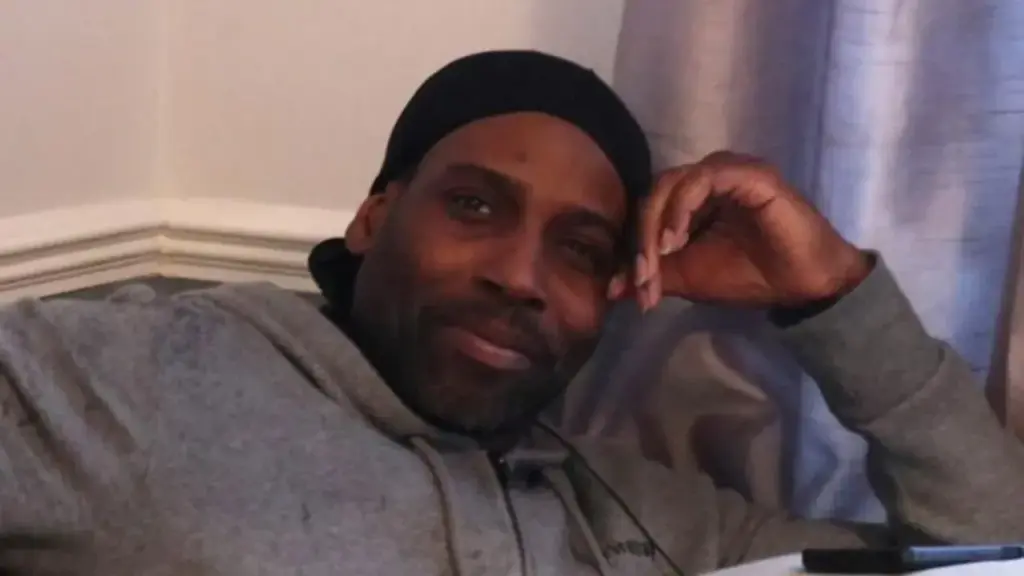
Okechukwu Iweha’s tragic death has sent shockwaves through North London, highlighting the dire consequences of senseless violence. This beloved 46-year-old family man was brutally murdered by Devon Brown, who wielded a machete in an unprovoked attack near Tottenham Hotspur Stadium. As his sister eloquently expressed in a heartfelt victim impact statement, their family has been plunged into unimaginable grief and betrayal, particularly as Brown sought to tarnish Okechukwu’s character by depicting him as the aggressor. The courtroom was filled with palpable emotion as Ojiugo Mukasa questioned the motivations behind such a heinous act, asking, “Was this the plan when you were born?” Okechukwu Iweha’s story serves as a painful reminder of the impact that violent crime has on families and communities alike, demanding reflection on the impact of such actions in a society striving for peace.
The chilling incident surrounding Okechukwu Iweha’s murder underscores the alarming issue of violent crime in urban areas. The fatal machete attack perpetrated by Devon Brown not only claimed an innocent life but also revealed the profound emotional scars left on the victim’s family. In her compelling address to the court, Ojiugo Mukasa articulated the aftermath of this violent act, emphasizing the emotional torment experienced by their family. This reprehensible act of violence not only robbed a family of their cherished brother and father but also sparked a broader conversation about the implications of irrational aggression and its repercussions in our society. Okechukwu’s story serves as a vital reminder of the devastating effects that violent confrontations can have, reinforcing the importance of fostering dialogue on preventing similar tragedies.
Understanding the Impact of the North London Murder of Okechukwu Iweha
The tragic murder of Okechukwu Iweha in North London has sent ripples of shock and grief throughout the community. This senseless act of violence, executed with a machete, not only claimed a beloved family member but also exposed the deep scars left on those who loved him. Victim impact statements from his family highlight a narrative of profound loss and the trauma that accompanies such brutal crimes. The aftermath of this violent encounter stresses the need for societal introspection regarding the factors that lead individuals like Devon Brown to commit acts of extreme aggression.
In the heart of this tragedy lies the question of accountability and justice. Okechukwu’s family contends that their brother has been unfairly portrayed as an aggressor, further amplifying their grief. It brings to light the ethical considerations about how victims are represented posthumously, particularly in high-profile cases involving violent crime. As such, communities must rally against the tendency to besmirch a victim’s character, which can hinder the healing process for families affected by tragic losses such as this.
The Role of Victim Impact Statements in Murder Trials
Victim impact statements serve a critical role in murder trials, providing insights into the emotional and psychological toll that violent acts have on families and communities. In the case of Okechukwu Iweha, his sister, Ojiugo Mukasa, articulated the harrowing effects of her brother’s murder, shedding light on the profound anguish experienced by those left behind. These statements often serve not only as tributes to the victims but also as powerful reminders to the court of the real-world consequences of crime, urging judges and jurors to consider the human elements of their verdicts.
Moreover, the delivery of an impactful victim statement can influence the sentencing phase, highlighting the necessity for judicial systems to incorporate the voices of victims’ families. In Okechukwu’s case, Ojiugo’s poignant words struck a chord with the court, illustrating the unbearable loss and the psychological scars inflicted by violent crime. This emphasis on personal narratives underscores the sensitivity required when dealing with such complex legal matters, ultimately framing the conversation around justice in a more human context.
Devon Brown’s Motive: A Misplaced Desire for Revenge
The motives behind the heinous crime committed by Devon Brown reveal a disturbing pattern of misguided intentions. Claiming to seek revenge for a stolen bicycle, Brown’s actions demonstrate a significant misunderstanding of justice, reflecting a toxic culture that perpetuates cycles of violence. The case sheds light on the impact of familial and social influences in shaping individuals’ responses to perceived injustices, where embracing senseless violence becomes a misguided means of reclaiming agency.
Furthermore, this tragic incident emphasizes the critical need for community dialogues addressing the root causes of such revenge-driven behaviors. Among youth and adults alike, there is an urgent call for interventions that promote conflict resolution skills and healthy communication. Understanding the rationale behind Devon Brown’s assault on Okechukwu Iweha may guide future efforts to prevent similar tragedies, redirecting narratives of vengeance towards empowerment and healing.
The Consequences of Perverting Justice: A Lessons Learned
The aftermath of Okechukwu Iweha’s murder has revealed the severe consequences associated with attempting to evade justice. Both Devon Brown and his accomplice, Leandro Kaienga, demonstrated their lack of remorse by attempting to destroy evidence of their brutal crime. Their actions — disposing of the murder weapon and concealing their guilt — not only illustrate a blatant disregard for Okechukwu’s life but also highlight the judicial system’s commitment to confronting such perpetrators. The legal ramifications faced by both men serve as a sobering reminder of the importance of accountability in the wake of violent offenses.
Ultimately, the case underscores the principle that justice will run its course, regardless of attempts to pervert it. The successful extradition of Devon Brown and his conviction illustrate the unwavering resolve of law enforcement and the judicial system to uphold justice for victims. As such, this case serves as a vital learning moment for communities about the complexities involved in crime and punishment, reinforcing the messaging that actions have consequences, especially in a world increasingly plagued by senseless violence.
Community Reactions to Okechukwu Iweha’s Murder
The community’s reaction following Okechukwu Iweha’s murder was one of disbelief and outrage, reflecting a broader concern regarding safety and violence in North London. Locals expressed their anger towards the senseless act and its repercussions, fostering dialogues around the need for stronger protective measures and community vigilance. Public forums and vigils sprang up as community members sought to pay tribute to Okechukwu, making it clear that he was not merely a statistic but a cherished individual whose life was brutally cut short.
This collective grief has served as a catalyst for calls to action, urging authorities to address the underlying issues of crime in the region. Neighborhood initiatives aimed at conflict resolution and prevention of youth violence have gained traction, highlighting a community determined to not only honor Okechukwu’s memory but also to prevent future tragedies. The resilience of the community embodies a powerful narrative of solidarity against the backdrop of violence, emphasizing the imperative of fostering safer environments for all.
A Society’s Responsibility in Preventing Violence
The brutal murder of Okechukwu Iweha brings to the forefront a societal responsibility towards preventing violence and creating safe communities for everyone. While individual actions like that of Devon Brown are rooted in personal choice, the larger framework of societal norms and values can either perpetuate or mitigate violence. It becomes essential for communities to lay down a foundation that counters the allure of vengeance and instead promotes empathy, understanding, and constructive conflict resolution.
Implementing educational programs in schools and engaging families in proactive discussions about emotional intelligence and violence prevention can equip future generations with the tools needed to navigate conflict without resorting to violence. There is an urgent need to transform narratives so that compassion and dialogue become preferred solutions. Fostering such a culture will serve as a buffer against tragedies like Okechukwu Iweha’s murder, ensuring that no family endures the same grief and trauma caused by senseless violence.
Exploring the Effects of Violence on Families
The psychological fallout of violence extends far beyond the immediate victim, deeply affecting families and communities. Okechukwu Iweha’s family has articulated their profound sorrow and disruption following his murder, emphasizing the need to recognize the extensive emotional damage done to loved ones left behind. The trauma can manifest in various ways, including increased anxiety, depression, and a perpetual sense of insecurity. Families often grapple with the absence of a beloved member who was the cornerstone of their lives, reinforcing the notion that the ramifications of violence reverberate through generations.
Thus, community support systems become instrumental in helping families heal and reclaim their narratives. Resources such as counseling and community outreach can significantly aid in processing grief and rebuilding lives shattered by violent crime. As Okechukwu’s family continues to cope with their loss, their story serves as a reminder of the importance of providing care and understanding to families affected by violence. It highlights a collective responsibility to foster healing practices and promote resilience in the face of tragedy, ensuring that the impacted families do not walk their path alone.
Justice Served: The Aftermath of the Court Proceedings
The conclusion of the court proceedings surrounding Okechukwu Iweha’s murder marked a pivotal moment for his family and the community at large. The life sentence handed to Devon Brown resonated as a form of justice, reaffirming societal condemnation of the senseless violence that took Okechukwu’s life. Judge Anuja Dhir KC’s remarks emphasized the misguided rationale behind Brown’s actions, showcasing a judicial system committed to addressing the complexities of such tragic circumstances and striving to deter similar future offenses.
However, while the verdict may provide a semblance of closure for Okechukwu’s family, it doesn’t erase the pain and loss they endure. The sentencing underscores the critical importance of remembrance, fostering ongoing discussions about violence in society, and a commitment to preventing such tragedies from occurring again. Justice, in this context, transcends mere punishment; it involves a collective effort to confront the underlying factors that instigate violence, ensuring that every community—especially in areas like North London—hosts a dialogue proactively focused on healing.
The Legacy of Okechukwu Iweha: Remembering the Victim
As the community processes the brutal murder of Okechukwu Iweha, it is vital to remember him not solely as a victim but as a cherished individual who touched many lives. His legacy serves as a rallying point for discussions around the consequences of violence and the memory of a family man whose life was unjustly cut short. Communities are encouraged to pay tribute to Okechukwu by fostering a culture of respect and empathy, ensuring that his memory inspires positive change rather than despair.
In light of the ongoing dialogues surrounding violence and its impact, Okechukwu’s story offers an opportunity to reflect on collective actions that can prevent further tragedies. Communities can unite in various forms—activism, educational initiatives, and memorials—to honor his life and advocate against senseless violence. This legacy of remembrance serves as a beacon of hope, igniting collective responsibility to uphold the dignity of lives affected by crime and nurture resilient spaces for future generations.
Frequently Asked Questions
What happened to Okechukwu Iweha in North London?
Okechukwu Iweha was tragically murdered by Devon Brown with a machete in an unprovoked attack near Tottenham Hotspur Stadium on April 7, 2025. The attack was described as a senseless act of violence, leading to deep grief and trauma for his family.
Who is Devon Brown in relation to Okechukwu Iweha’s murder?
Devon Brown is the perpetrator who murdered Okechukwu Iweha using a machete in North London. He was sentenced to life in prison with a minimum term of 26 years after being convicted of murder.
What was the motive behind the machete attack on Okechukwu Iweha?
The motive behind the machete attack on Okechukwu Iweha was allegedly based on a mistaken belief by Devon Brown that Iweha had stolen his bicycle and £10,000 in cash. The court revealed that this belief was tragically incorrect.
What impact did Okechukwu Iweha’s death have on his family?
Okechukwu Iweha’s death caused profound grief and trauma within his family. His sister, Ojiugo Mukasa, expressed in her victim impact statement that the loss of their beloved brother has left a lifelong grief and challenged their family bonds.
How did Okechukwu Iweha’s characters get misrepresented after his death?
After Okechukwu Iweha’s death, his character was misrepresented by those responsible for his murder. His family expressed anger at the lies told to portray him as an aggressor in an attempt to evade responsibility for their actions.
What were the actions of the assailants after the attack on Okechukwu Iweha?
Following the attack on Okechukwu Iweha, Devon Brown and his accomplice Leandro Kaienga disposed of the bloodstained clothing and weapon used in the crime. Brown fled to the US but was later apprehended and extradited to face justice.
How did the court respond to the actions of Devon Brown and Leandro Kaienga?
The court imposed severe sentences on both Devon Brown and Leandro Kaienga. Brown was sentenced to life imprisonment for the murder of Okechukwu Iweha, while Kaienga received concurrent sentences for his role in perverting the course of justice.
What message did Okechukwu Iweha’s sister convey to his murderer?
Okechukwu Iweha’s sister delivered a poignant message during the court proceedings asking the murderer, Devon Brown, if he considered the repercussions of his actions and questioning the senseless nature of the violence which devastated their family.
| Key Points |
|---|
| Okechukwu Iweha was murdered in an unprovoked attack by Devon Brown. |
| Iweha’s sister, Ojiugo Mukasa, expressed profound grief and anger in a victim impact statement. |
| Judge Anuja Dhir KC sentenced Brown to life with a minimum of 26 years. |
| Brown and accomplice Leandro Kaienga attempted to dispose of evidence and flee the crime scene. |
| The incident has left Iweha’s family devastated and his character besmirched. |
Summary
Okechukwu Iweha’s tragic story highlights the senseless violence that claims innocent lives. As evidenced by the impactful testimony from his sister, the grieving process for his family is marked by sorrow and anger towards those who not only took his life but also attempted to vilify his character. The legal consequences faced by his murderer, Devon Brown, serve as a stark reminder of the importance of justice amidst profound loss.