Listen to this article
Offshore wind energy projects are rapidly emerging as a pivotal component of the United States’ renewable energy landscape, despite confronting significant challenges. Recently, the Department of the Interior halted five large-scale installations along the Atlantic coast due to rising security concerns related to their potential impact on radar systems. These developments raise pressing questions about wind energy security concerns and the future of US wind energy policy, especially in light of opposition from various political figures. As the nation seeks to harness the power of offshore wind to meet growing agricultural and industrial energy demands, understanding the implications of these regulatory pauses becomes crucial. The interplay of renewable energy risks and geopolitical dynamics underscores the urgent need for a balanced approach to enhance the sustainability of wind energy without compromising national security.
The expansion of offshore wind farms represents an innovative stride towards clean energy alternatives, yet it stands at a precarious crossroads with current national priorities. These solar installations, primarily located near populous coastal regions, face scrutiny for their possible interference with essential radar operations. As policymakers grapple with the implications of wind energy initiatives, the dialogue surrounding the Department of the Interior’s recent decisions highlights an evolving landscape marked by security and environmental considerations. Leaders around the country are voicing concerns about how these choices may impact energy prices and job creation, as well as the overall stability of renewable power sources. In a rapidly changing energy economy, navigating the complexities of wind facilities while ensuring energy reliability and security is more critical than ever.
Impacts of the Offshore Wind Energy Projects Pause
The recent pause on offshore wind energy projects along the Atlantic coast has raised significant concerns among stakeholders in the renewable energy sector. These projects, which promise to unlock vast potential for clean energy production, have been halted by the Department of the Interior due to alleged national security risks. The pause, affecting five major wind farms off the coasts of states such as New York and Virginia, has sparked alarms among renewable energy companies and state officials alike, who fear that this move will deter future investments and delay the transition to a more sustainable energy grid.
Furthermore, the implications of this decision extend beyond immediate project delays; they may also undermine the progress made in promoting US wind energy policy. Advocates argue that halting such projects diminishes the country’s commitment to renewable energy initiatives and could lead to increased energy prices, as articulated by Connecticut Governor Ned Lamont. As energy demands escalate, especially with the growing needs of sectors like artificial intelligence, the potential for clean, renewable sources to meet this demand becomes ever more critical.
National Security Concerns Surrounding Wind Energy
The Department of the Interior’s assertion that offshore wind energy projects could interfere with radar systems highlights a complex intersection of renewable energy and national security concerns. Officials have raised alarms over radar clutter, which can obscure real moving targets or generate false alerts, complicating crucial defense and security operations, particularly in populated coastal areas. With the evolving landscape of global threats, including drone warfare as seen in recent conflicts, the government prioritizes safeguarding airspace integrity as critical.
Despite these concerns, many in the wind energy sector maintain that modern turbine technologies can coexist with national security measures without compromising safety. Companies like Dominion Energy emphasize that their offshore wind initiatives are sufficiently distant from shore to mitigate any perceived risks. However, the tension between ensuring energy security through renewable projects and addressing national security considerations poses ongoing challenges that require careful navigation to balance progress in wind energy with safeguarding against evolving threats.
The Role of US Wind Energy Policy
US wind energy policy plays a pivotal role in shaping the landscape of renewable energy initiatives within the country. The Biden administration’s approach contrasts sharply with the previous Administration’s decisions, underscoring the importance of stable energy policies that promote growth in the wind energy sector. With significant investments required to fully realize the potential of offshore wind energy projects, clarity in regulation and support from federal agencies is more vital than ever.
Furthermore, the public’s engagement and support for wind energy initiatives are crucial, especially as climate change becomes a pressing global issue. Proposed changes or halts to established projects create uncertainty that can stifle innovation and investment. This is particularly relevant as states like New York take legal action against federal moves perceived as detrimental to the wind industry’s growth. Advocating for sound US wind energy policies that prioritize both renewable energy expansion and national security concerns remains essential to achieving a sustainable energy future.
Economic Ramifications of Pausing Wind Projects
The economic implications of pausing offshore wind energy projects extend far beyond the immediate stakeholders involved. As seen in the reactions from companies like Dominion Energy and Orsted, any delays or halts can lead to significant volatility in stock prices and investor confidence, ultimately affecting job creation and economic stability in regions that rely on these clean energy projects. Governor Lamont’s warnings about potential increases in electricity costs underscore the paradox of energy policy where national security measures could inadvertently drive up costs for consumers.
Moreover, clean energy jobs, often thought to be a cornerstone of future economic growth, are jeopardized by such government decisions. With many projects nearing completion, workers and businesses that depend on stable energy policy may find themselves in precarious situations, questioning the predictability of clean energy investments. Developing a more cohesive strategy that balances national security and renewable energy goals is essential for fostering both economic growth and energy innovation.
Transition Challenges in Renewable Energy Risks
The transition to renewable energy sources like offshore wind comes with inherent risks, particularly as these projects face ongoing scrutiny amid national security concerns. With the Department of the Interior citing potential radar interference as a primary reason for pausing projects, the discussion around renewable energy risks becomes crucial. Effective management of such risks is necessary to ensure that the promise of wind energy can be fulfilled without compromising national security.
However, it is essential to recognize that while these risks exist, they can often be mitigated with proper planning and technology. For instance, advancements in turbine design and placement could address radar concerns while still facilitating the growth of clean energy sectors. The goal is to find innovative solutions that allow for a transition to renewable energy without compromising security or public trust, thus assuring that both national interests and environmental sustainability can be achieved.
Future Outlook for Offshore Wind Energy Projects
Looking ahead, the future of offshore wind energy projects in the US remains uncertain in light of the recent pause. As energy demands rise and the pressure to find sustainable solutions intensifies, there is a pressing need for dynamic policies that support the growth of offshore wind development. A collaborative effort among federal agencies, state governments, and private companies will be paramount in shaping a favorable environment for projects that promise to fulfill energy needs while considering national security implications.
Additionally, fostering public support and understanding of the benefits offered by offshore wind energy can significantly bolster the success of future initiatives. Taking comprehensive approaches to address security concerns while promoting technological innovation can ensure that these renewable projects not only advance energy independence but also contribute to economic and environmental objectives. The journey toward expanding offshore wind energy capacity may be fraught with challenges, but with strategic planning and collaboration, a robust offshore wind sector can emerge.
State Leadership and Wind Energy Initiatives
State leadership plays a critical role in advancing wind energy initiatives, especially in the wake of federal policy changes that may impact project timelines and funding. Leaders from various states have voiced their support for maintaining momentum in renewable energy initiatives, acknowledging the potential of offshore wind energy to provide job opportunities and sustainable power solutions. The varying reactions to federal decisions indicate that state-level responses can shape the landscape of wind energy development.
For instance, states like New York have taken proactive measures by filing lawsuits against federal bans, emphasizing the importance of renewable energy to their long-term economic strategies. These states are motivated not just by environmental goals, but also by the need to secure energy independence and job growth in their regions. Strong coordination between state policies and federal initiatives will be essential to ensure that the promise of offshore wind energy projects can be realized despite the challenges posed by shifting political landscapes.
Community Response to Offshore Wind Energy Projects
Community response to offshore wind energy projects is increasingly becoming a deciding factor in their implementation. Local populations often have a direct stake in the outcomes, as these projects can impact job markets, local economies, and community well-being. Many coastal communities are eager to embrace the transition to renewable energy, recognizing the potential for clean energy jobs and economic revitalization.
However, communities often express concerns over potential disruptions and environmental impacts of these projects, ranging from visual changes to ecological disruptions. Engaging with local stakeholders through transparent communication and inclusive planning processes can help alleviate these concerns and build supportive coalitions, ensuring that offshore wind energy initiatives reflect the needs and values of those they affect most. Encouraging public investment in education about the benefits of renewable energy can strengthen community support and participation.
Technological Innovations in Offshore Wind Projects
Technological advancements are at the forefront of enhancing the viability and efficiency of offshore wind energy projects. Innovations in turbine design and deployment methods can help address concerns around national security, such as radar interference. By utilizing cutting-edge technologies that minimize visual and environmental impacts, the offshore wind sector can appeal to both regulatory authorities and the public.
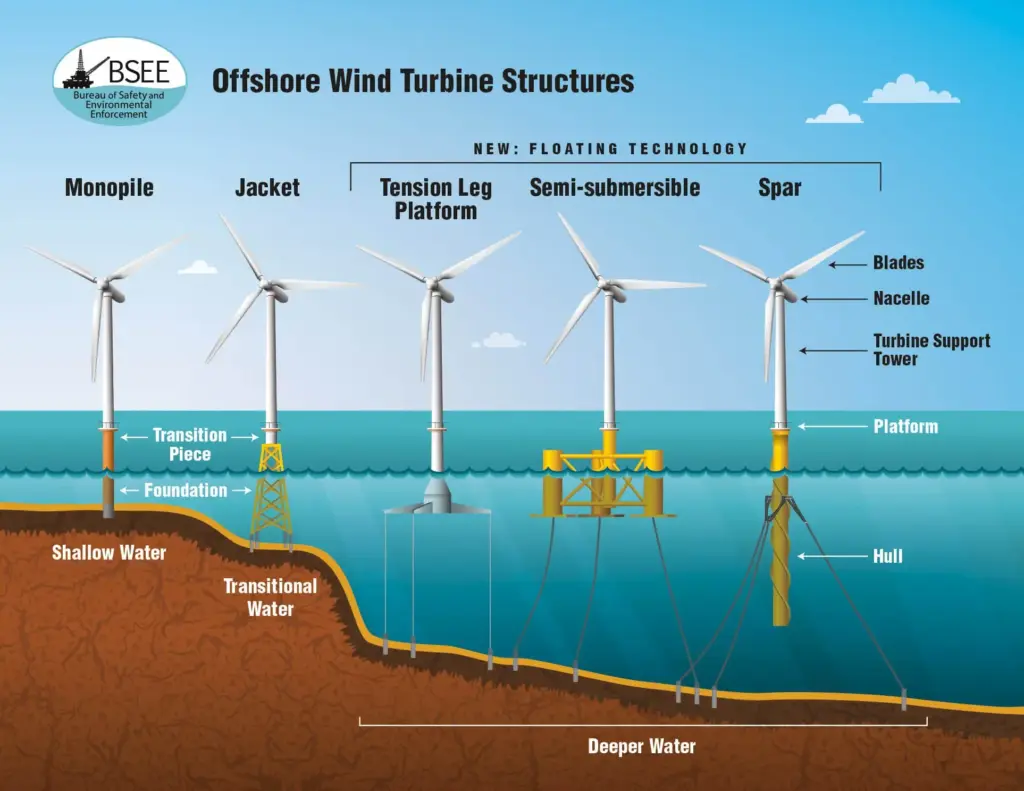
Moreover, technological developments are also essential for maximizing energy production and reducing costs, which in turn can enhance project feasibility in a competitive energy market. The evolution of floating wind platforms, for instance, allows for installations in deeper waters, expanding the potential geographic area for wind energy harvesting while minimizing impacts on coastal communities. As the technology progresses, offshore wind energy can become a cornerstone of the US energy landscape, aligning with both environmental goals and national security needs.
Frequently Asked Questions
What are the main concerns surrounding offshore wind energy projects in the US?
The main concerns about offshore wind energy projects in the US include potential security risks related to radar interference and the reliability of wind energy. The Department of the Interior recently paused leases for five offshore wind energy projects near the Atlantic coastline due to fears that these projects could interfere with radar systems and pose national security risks given their proximity to major population centers.
How is the US wind energy policy affecting offshore wind energy projects?
US wind energy policy is currently facing scrutiny, particularly regarding offshore wind energy projects. The Department of the Interior has paused several projects to examine security concerns, which has raised alarms among renewable energy companies and state leaders. These decisions are viewed by some as detrimental to the growth and reliability of wind energy in the US.
What impact do security concerns have on the development of offshore wind energy projects?
Security concerns significantly impact the development of offshore wind energy projects. The Department of the Interior emphasized that large-scale offshore wind projects may create vulnerabilities, particularly in radar systems that are crucial for national security. This has led to a pause in ongoing projects as officials assess the implications and seek to address these risks.
Why is the pause on offshore wind energy projects seen as detrimental by some state leaders?
The pause on offshore wind energy projects is seen as detrimental by state leaders because it could lead to increased electricity prices and disrupt economic predictability. Leaders like Connecticut Governor Ned Lamont argue that halted projects jeopardize clean energy jobs and undermine efforts to transition toward renewable energy sources.
What are the potential economic consequences of suspending offshore wind energy projects?
Suspending offshore wind energy projects can lead to increased electricity costs and uncertainty in the energy market. The halt can hinder job creation in the renewable energy sector and affect investment in clean energy technologies. Companies involved in these projects may also see negative impacts on their stock prices and overall market confidence.
How does radar interference relate to offshore wind energy projects?
Radar interference is a significant concern related to offshore wind energy projects, as these installations can create ‘clutter’ on radar screens, obscuring actual moving targets or leading to false alarms. The Department of the Interior has flagged this issue as part of the rationale for pausing several offshore wind projects, as it complicates airspace security and monitoring.
What is the current status of offshore wind energy projects overseen by Dominion Energy?
Dominion Energy oversees the offshore wind energy project located off the coast of Virginia, which is currently on hold. The company asserts that its project, which has been operational with pilot turbines, does not raise significant visual impact or security concerns. However, the recent pause by the Department of the Interior could affect its future development.
How is public perception affecting the future of offshore wind energy projects?
Public perception is critical in shaping the future of offshore wind energy projects. Concerns related to security, economic viability, and political opposition can influence public support. The mixed reactions to recent government actions indicate that while many advocate for clean energy, security concerns and economic impacts remain pressing issues that need to be addressed for wider acceptance.
What role do renewable energy risks play in offshore wind energy projects?
Renewable energy risks, including regulatory uncertainties and market volatility, play a significant role in the planning and execution of offshore wind energy projects. Challenges such as government policy shifts, security concerns, and technological feasibility can impact project timelines, funding, and investor confidence in the renewable energy sector.
What actions have been taken by the Trump administration regarding offshore wind projects?
The Trump administration took actions to pause and attempt to ban new offshore wind projects, citing national security concerns. This included a memorandum that halted permits and new leases pending a federal review. However, a federal judge dismissed attempts to outright ban these projects, highlighting the contentious nature of offshore wind energy policy.
| Key Points | Details |
|---|---|
| Lease Pause | The US has paused leases for offshore wind energy projects near the Atlantic coast due to national security concerns. |
| Projects Affected | Five large-scale projects in New York, Virginia, Massachusetts, Rhode Island, and Connecticut are currently on hold. |
| Radar Interference Issues | Concerns over wind farms interfering with radar systems, potentially obscuring real targets or creating false alarms. |
| Industry Response | Companies and state officials have expressed alarm over the pause and its implications for energy prices and jobs. |
| Economic Impact | The pause is expected to drive up electricity prices and affect job creation in the clean energy sector. |
| Trump Administration Stance | Former President Trump’s administration has long opposed wind energy projects, citing reliability and cost concerns. |
Summary
Offshore wind energy projects are currently facing significant challenges in the United States due to a recent pause initiated by the Department of the Interior, citing security concerns. This unexpected halt affects several projects poised to provide clean energy and jobs, causing alarm among energy companies and state leaders alike. The controversy surrounding these developments highlights the ongoing tension between renewable energy initiatives and national security considerations, while raising questions about the future viability of the offshore wind industry in the US.