
Listen to this article
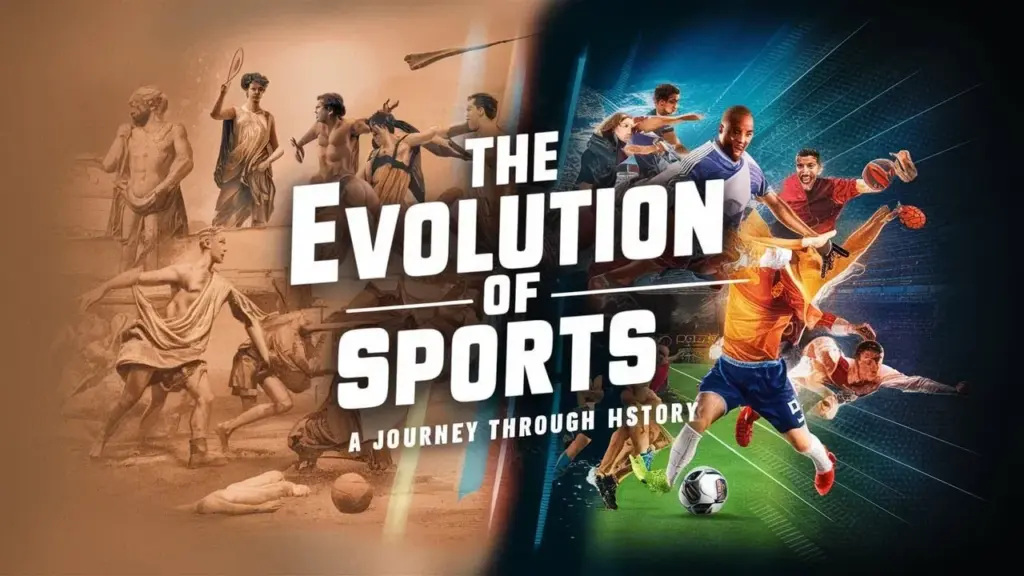
The evolution of sport is a fascinating journey that mirrors our societal and cultural transformations throughout history. As society evolves, so does sport, adapting to reflect values, trends, and the cultural significance of sports at various points in time. From the grandeur of ancient Olympic Games to the rise of global sporting events today, the impact of sport on society is profound, serving as a unifying force and a platform for social change. In this exploration of the historical evolution of sports, we uncover the intricate relationship between athleticism and cultural identity, shedding light on how sports and culture intertwine across the ages. Join us as we delve into global sport trends and the ever-evolving landscape of athletic competition, revealing the essential role sports play in shaping our world.
The progression of athletic competition is deeply linked to the overarching narrative of human civilization, showcasing how physical activities have transitioned through various eras. This exploration of the transformation of athletic pursuits goes beyond mere entertainment; it highlights the critical role that these activities play in societal development and cultural expression. Over the centuries, the cultural relevance of sports has shifted dramatically, influenced by technological advances, social changes, and the globalization of sport. Events initially rooted in local traditions have morphed into international spectacles, uniting people across boundaries while also reflecting on contemporary global sport trends. In this analysis, we will trace the significant milestones in the development of competitive sports and their enduring impact on our cultural fabric.
The Historical Roots of Sport
Sport’s historical roots can be traced back to ancient civilizations where physical challenges were not just a display of strength but held deep cultural significance. In societies like ancient Greece and China, sports served as a means of reinforcing social values, such as bravery and discipline. The Olympic Games, starting in 776 BC, exemplified how sport was intricately linked to cultural identity and societal norms, elevating participants to the status of heroes. Such events were not merely competitions; they were celebrations of physical prowess intertwined with spiritual beliefs, showcasing how deeply embedded sport became in the tapestry of civilization.
In addition to the Olympic Games, ancient Chinese sports like archery and martial arts underscored the importance of strategy and intellectual prowess alongside physical skills. This fusion of mind and body reflected the philosophical perspectives of these cultures, making the historical evolution of sports a rich narrative of societal values. These early sports laid the groundwork for contemporary understandings of competition and community, illustrating how the origins of sport acted as both a mirror and a mold for societal structures and cultural ideologies.
The Transformation of Sport During the Medieval Era
The medieval era heralded a transformative phase in the history of sport, shifting the focus from individual excellence to collective endeavors. Tournaments and jousts were not just physical contests among the nobility but were symbolic representations of power and class distinction. As team sports such as soccer and rugby emerged, they began to reflect the evolving dynamics of social interaction, emphasizing collaboration over individual glory. This transition points to how sports adapted to cultural changes, becoming more inclusive and communal.
Furthermore, the Renaissance ignited a renewed appreciation for human physicality and merit. The concept of organized games began to flourish, leading to established rules and standardized competitions. This era recognized the inherent educational value of sports, which contributed to moral and social development in communities. By intertwining education with sporting activities, society began to appreciate sports not merely as entertainment but as vital components of cultural enrichment and character building.
Impact of the Industrial Revolution on Sports
The Industrial Revolution was a crucial turning point in the evolution of sport, marking the transition of athletic activities into mainstream culture. As urbanization reshaped social structures, sports provided an essential outlet for the working class amid burgeoning industrial pressures. The creation of public parks and organized team play reflected an increased demand for recreational activities, signifying sport’s role as a necessary counterpart to the rigorous working conditions faced by many.
The late 19th century saw the formalization of sports like cricket and football, with codified rules and governing bodies fostering a sense of community and inclusiveness. This democratization of sport allowed people from diverse backgrounds to participate, marking a significant shift towards greater accessibility. As participation rates soared, the cultural significance of sports expanded, integrating into the societal fabric and reflecting broader social movements.
Media: Revolutionizing Sports Consumption
The 20th century marked a monumental shift in how sports were experienced due to the rise of mass media. The advent of radio and television brought sporting events into living rooms worldwide, cultivating sports fandom as a cultural phenomenon. This accessibility transformed athletes into celebrities, elevating their cultural significance beyond mere competitors. The media’s portrayal of sports often reflected prevalent social narratives, challenging societal norms around race and gender and prompting dialogues on equality and justice.
Moreover, as sports media evolved, it also began highlighting the social issues surrounding sports, such as the fight against racial discrimination and gender inequality. Figures like Jackie Robinson and Billie Jean King emerged as beacons of progress, utilizing their platforms to advocate for broader social change. The interplay between media and sports helped shape public perception and awareness, underscoring sports not only as entertainment but also as a catalyst for societal transformation.
Navigating Global Sports Trends
In today’s global age, sports have transcended geographical and cultural barriers, prominently shaping social and cultural identities worldwide. Global sports leagues such as the English Premier League and events like the FIFA World Cup exemplify the unifying power of sport, creating a vibrant international community. These competitions foster cultural exchanges and international cooperation, showcasing how the rise of global sports trends can contribute to mutual respect and understanding among disparate societies.
Yet, the globalization of sport also brings forth new challenges, including commercialization and ethical concerns within competitive realms. Issues such as doping, exploitation of athletes, and disparities in resource distribution require continuous dialogue and attention. Nevertheless, the overarching significance of sport as a unifying force remains clear, reinforcing its role in navigating the complexities of modern life and cultural interplay.
The Future of Sports: Trends and Innovations
The future of sports is anchored in continual evolution, poised to reflect and adapt to the shifting societal landscape. With the integration of technology in sports, such as the rise of eSports and virtual reality, traditional definitions of sport are being challenged and expanded. These innovations open up new avenues for participation, allowing for inclusivity across demographics that may have previously felt excluded from traditional athletic environments.
Furthermore, as societal values evolve, the frameworks surrounding sports are likely to reflect greater emphasis on accessibility and community engagement. This represents a significant cultural shift where the priorities of sport align more closely with ideals of equity and representation. The future of sport thus not only promises exciting advancements but also heralds an opportunity for sports to serve as a meaningful vehicle for social change and cultural expression.
Sports as a Cultural Binder
Throughout history, sports have played an indispensable role in binding cultures and communities together. They transcend language and socio-economic boundaries, providing a common ground through which people can connect and relate to each other. Events such as the Olympics and World Cup serve not only to showcase athletic excellence but also to celebrate cultural diversity and heritage, promoting a sense of belonging within the global landscape.
Moreover, the cultural significance of sports is evident in how they often reflect the values, traditions, and social issues of the participating nations. This dynamic aspect of sport can foster a sense of pride and unity, allowing for a shared experience that reinforces community ties. As sports continue to evolve, their ability to act as a cultural binder will only grow more potent, illustrating their continued relevance in an ever-changing world.
The Sociopolitical Impact of Sport
Sport often mirrors the sociopolitical landscape, acting as a reflection of societal attitudes and ideologies. Historical milestones, such as the integration of baseball by Jackie Robinson, showcase how sports can be at the forefront of societal movements, challenging the status quo and catalyzing progress. The interplay between sport and politics reveals the extent to which athletic platforms can influence public discourse and drive social change.
Furthermore, sporting events frequently become arenas for political expression, where athletes utilize their visibility to advocate for causes ranging from civil rights to environmental awareness. This trend highlights the dual role of athletes not just as competitors but as influential figures capable of instigating societal change. Understanding this impact leads to a deeper appreciation of how sports shape and are shaped by cultural and political currents.
Emerging Technologies in Sports
The advent of emerging technologies has profoundly influenced the landscape of sports, facilitating innovations that enhance training, performance, and fan engagement. Technologies such as wearables, analytics, and virtual reality are revolutionizing how athletes prepare for competitions, allowing for greater data-driven decisions and tailored training programs. This showcases a shift toward a more scientific approach to athleticism, optimizing both individual and team performance.
Additionally, technology has radically transformed the fan experience, making it more interactive and engaging. From live-streaming capabilities to augmented reality experiences, fans are now more connected to their favorite teams and athletes than ever before. As these technologies continue to evolve, they will likely further redefine the cultural significance of sports, deepening the bond between fans, athletes, and the broader sports community.
Frequently Asked Questions
What is the historical evolution of sports from ancient times to the modern era?
The historical evolution of sports showcases a journey from ancient civilizations, where physical contests displayed strength, to the establishment of organized games during the Renaissance. Over centuries, sports adapted to societal changes, transitioning to a mainstream activity during the Industrial Revolution and evolving further with mass media in the 20th century. Today, global leagues and technology continue to shape the evolution of sport.
How has the impact of sport on society changed over time?
The impact of sport on society has evolved remarkably; initially serving local communities for entertainment, it later became a reflection of societal values and norms. The rise of sports as a unifying force and a platform for social change underscores its growing significance, especially with athletes becoming advocates for racial and gender equality, thus impacting cultural narratives globally.
What are key global sport trends influencing the evolution of sport in the 21st century?
Key global sport trends influencing the evolution of sport include the commercialization of sporting events, the rise of digital media in sports consumption, and the emergence of eSports. These trends demonstrate how technology and cultural exchanges shape the contemporary landscape of sports, expanding reach and accessibility across diverse audiences.
In what ways does the cultural significance of sports manifest in society?
The cultural significance of sports manifests in various ways, serving as a means of identity and community for people. Events like the Olympics transcend borders, fostering cultural exchange and showcasing national pride. Furthermore, sports often become a medium for discussing social issues, thereby influencing cultural attitudes and societal change.
How did the Industrial Revolution contribute to the evolution of sport?
The Industrial Revolution significantly contributed to the evolution of sport by providing urban populations with opportunities for leisure amid rapid industrialization. Public parks and civic engagement facilitated the rise of organized sports, moving it from an elite pastime to a vital part of daily life for diverse social classes, thereby embedding sport within the fabric of society.
What role has media played in the evolution of sport throughout history?
Media has played a transformative role in the evolution of sport by expanding its reach and shaping public perception. The advent of radio and television brought sports into homes, creating a fan culture and commercial opportunities. Moreover, media coverage of athletes and events has raised awareness around social issues, positioning sports as a platform for societal narratives.
How do sports reflect societal values throughout history?
Sports reflect societal values historically by echoing cultural ideologies, norms, and aspirations of different eras. For example, the Olympic Games emphasized physical excellence and fair competition in ancient Greece, while modern sports often engage with contemporary issues like inclusivity, social justice, and global unity, illustrating evolving societal priorities.
What challenges does the evolution of sport face in the modern world?
The evolution of sport faces challenges such as commercialization, ethical concerns regarding doping, and issues of inequality among athletes. Additionally, the commodification of sports poses risks to its integrity and purpose, while global disparities in resources highlight the need for more equitable access to sports opportunities.
What future trends might shape the evolution of sport?
Future trends shaping the evolution of sport may include increasing technology integration through analytics and virtual reality, as well as the growth of eSports. Additionally, shifts toward inclusivity, sustainability, and social responsibility may redefine the frameworks within which sports operate, aligning them more closely with contemporary societal values.
How does the evolution of sport impact the relationship between culture and society?
The evolution of sport impacts the relationship between culture and society by acting as both a reflection and a catalyst for change. Sports provide a platform for cultural expression and interaction, while also influencing societal norms and behaviors through achievements and controversies, ultimately shaping collective identities and cultural narratives.
| Era | Key Developments | Cultural Significance |
|---|---|---|
| Ancient Civilizations | Establishment of Olympic Games in Greece, early sports in China | Celebration of athleticism intertwined with spirituality and cultural values. |
| Medieval and Renaissance | Emergence of team sports, tournaments, codification of rules | Emphasis on community engagement and the moral value of sports. |
| Industrial Revolution | Formation of organized teams, popularity of mass sports like football | Sport becomes an outlet for urban populations and a cultural phenomenon. |
| 20th Century | Rise of mass media, sports journalism, celebrity athletes | Media shapes narratives around race, gender, and equality in sports. |
| Globalization | Global sports leagues, cultural exchange through international events | Sport transcends borders and serves as a platform for cooperation. |
| Future Trends | Integration of technology, evolving definitions of sport | Potential focus on inclusivity and accessibility in sports. |
Summary
The evolution of sport has continually shaped culture and society throughout history. From its ancient origins marked by competitive displays of strength to the modern integration of technology and globalization, sport reflects societal values and contributes to social change. Understanding the evolution of sport is essential to appreciate its role as a powerful medium for cultural expression and its impact on our collective experience. As we move forward, the ongoing evolution of sport will likely promote inclusivity and continue to be a vital part of our shared culture.

