Listen to this article
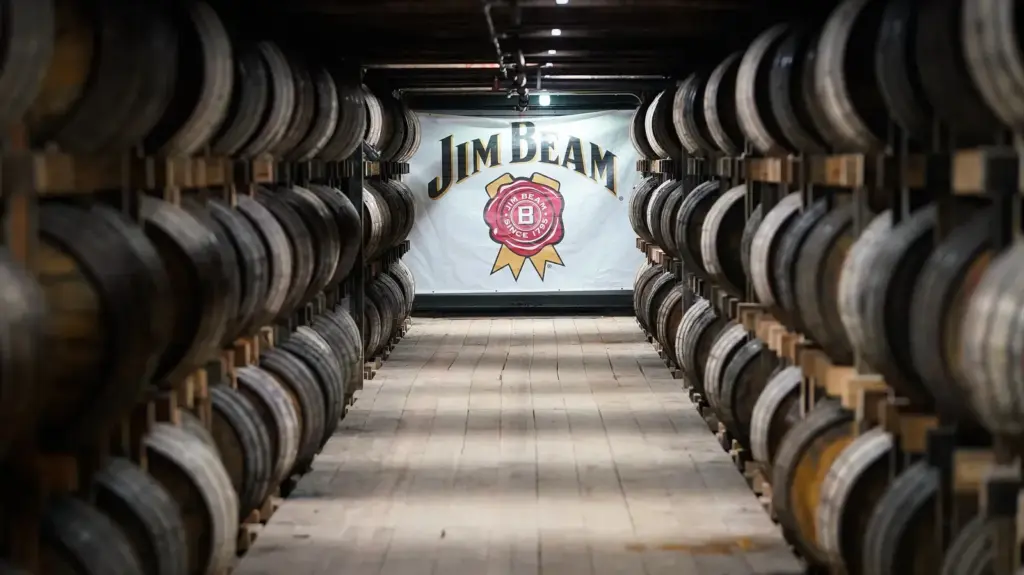
In a surprising development in the bourbon industry, Jim Beam production halt has been announced at the primary distillery located in Kentucky, marking a significant pause for this iconic whiskey brand. The cessation of operations will extend for the entire next year, as the company intends to implement crucial site enhancements to better meet future consumer demands. According to recent Jim Beam news, this decision comes at a time when the bourbon production landscape is grappling with uncertainties influenced by ongoing bourbon trade policies and retaliatory tariffs. Owned by Suntory Global Spirits, Jim Beam remains a pillar of the Kentucky bourbon scene, yet faces challenges that may impact its global operations. While the distillery will temporarily close, other facilities related to the brand will continue functioning, providing some relief to the local workforce and bourbon enthusiasts alike.
The decision to suspend operations at one of the most recognizable names in whiskey production highlights the challenges facing the bourbon sector. With recent disruptions affecting distillery closures and market dynamics, this strategic pause could signal a reshaping of how spirits are produced in Kentucky. Jim Beam’s hiatus reflects broader trends in the global bourbon market, especially in light of trade tensions that have influenced operational decisions in the distilling community. As the focus shifts to strengthening production capabilities, stakeholders are keenly observing how Jim Beam’s adaptations will impact its brand and the industry’s landscape. The temporary halt in whiskey crafting raises questions about future supply and consumer access to one of America’s favorite spirits.
Jim Beam Production Halt: Impact on Bourbon Supply
The recent decision by Jim Beam to halt production at its main distillery for an entire year has raised eyebrows within the bourbon community. This stoppage comes at a time when bourbon production in Kentucky is already a significant contributor to the state’s economy, with the Kentucky Distillers’ Association reporting record-high inventories of over 16 million barrels. With consumers’ growing demand for premium bourbons, the timing of the production halt may lead to supply shortages, impacting distributors and enthusiasts alike.
Moreover, the halting of production at the Jim Beam distillery is expected to have a ripple effect throughout the bourbon industry in Kentucky. As other distilleries rely on a healthy bourbon ecosystem, concerns arise that reduced availability from such a leading brand could compel distillers to adjust their production strategies. The situation will require careful monitoring, especially as distillers navigate changing consumer preferences and the uncertainties brought on by fluctuating trade policies.
The Role of Suntory Global Spirits in Jim Beam’s Future
As part of Suntory Global Spirits, Jim Beam is backed by vast resources aimed at enhancing its production capacities. Suntory’s decision to invest in improvements during the year-long halt signals confidence in the bourbon market’s future. This investment may involve modernizing production facilities or enhancing visitor experiences at the Kentucky distillery, aiming not only to boost efficiency but also to improve brand engagement by highlighting the heritage and craftsmanship of Jim Beam bourbon.
Despite the current production halt, Suntory Global Spirits has reassured stakeholders that other operations within Kentucky will continue. This dual approach could mitigate some of the potential fallout from the production stop, ensuring that the brand remains engaged with consumers through its bottling, warehousing, and visitor facilities. Maintaining brand visibility is critical for Jim Beam, especially amid rising competition in the bourbon segment fueled by craft distilleries.
Assessing Future Bourbon Trade Policies
The bourbon industry faces challenging trade dynamics, particularly with the implications of President Trump’s trade policies that have resulted in retaliatory tariffs. These trade policies could influence not just Jim Beam but the broader bourbon market, as increased costs may be passed on to consumers or limit expansion opportunities for distillers in Kentucky. The Kentucky Distillers’ Association has called for a return to reciprocal trade arrangements that benefit domestic distillers, emphasizing the importance of lifting tariffs that hurt sales abroad.
As producers navigate these complexities, the ongoing discussions about bourbon trade policies are paramount. Increased fiscal pressure on distillers could hinder growth prospects and market reach for brands like Jim Beam, especially as consumer trends shift towards premium products. A continued advocacy for favorable trade conditions will be essential to ensure Kentucky’s bourbon industry can thrive without impediments that might stifle production and innovation.
Impact of Distillery Closures on Local Economy
The decision by Jim Beam to pause its main distillery operations poses potential concerns for the local economy in Kentucky. The distillery, which employs over 1,000 people, is a significant contributor to local job markets and tourism. With the distillery shutting its doors for production, many remain anxious about how this might affect employment and the surrounding businesses that rely on the influx of tourists eager to experience Jim Beam’s legacy.
Additionally, the prolonged closure of such a high-profile distillery may lead to a shift in visitor patterns, affecting local businesses that benefit from the foot traffic drawn to bourbon-related tourism. While Jim Beam’s other operations will remain functional, a comprehensive assessment of the potential economic ramifications stemming from the distillery’s closure will be necessary to gauge impact on the community.
Consumer Demand and Supply Chain Adjustments
As Jim Beam pauses its production, distillers across Kentucky may need to adapt their supply chains in response to shifting consumer preferences. The bourbon segment has seen a notable rise in demand for premium products, and this production halt could lead distillers to explore innovative strategies to maintain their market positions. For some brands, this may present an opportunity to shift focus toward unique offerings or special finishes to entice bourbon lovers during the interim.
Moreover, the handling of supply during Jim Beam’s hiatus will require coordination among Kentucky distilleries. Strategic partnerships could emerge in response to consumer demand, allowing smaller producers to step into the gap left by Jim Beam. This collaborative approach could enhance the offerings available to consumers and stimulate the bourbon market at large as it navigates this period of transition.
Future Investments in Bourbon Production Facilities
Jim Beam’s announcement of a year-long production halt for site enhancements indicates a strong commitment to the future of bourbon production. Investing in production facilities can lead to more efficient processes and ultimately higher-quality products, aligning with consumer trends that favor artisanal and well-crafted spirits. This investment not only demonstrates a bold vision for the brand but also highlights the importance of continual improvement in a highly competitive market.
The investment in modernization and enhancement will likely incorporate advanced technology and innovative practices that enhance production techniques. Such developments could be advantageous not only for Jim Beam but also for Kentucky distillers striving to elevate their production standards. As the bourbon trade evolves, ensuring that facilities can meet modern demands will be crucial for sustaining the industry’s growth.
Analyzing Jim Beam’s Brand Strategy Amidst Production Challenges
As Jim Beam navigates challenges posed by its production halt, the brand’s strategy will be vital to retaining its competitive edge in the bourbon landscape. By leveraging its heritage and emphasizing quality assurance during this hiatus, Jim Beam can maintain consumer loyalty and enthusiasm for its products. Marketing campaigns focused on this investment period can help communicate the brand’s commitment to excellence, reinforcing its position as a leader in the bourbon market.
Furthermore, Jim Beam could use this production pause as an opportunity for storytelling that engages consumers at a deeper level. Highlighting its distillation process, the craftsmanship involved, and the history that shapes Jim Beam bourbon can keep the brand in the forefront of consumers’ minds, potentially driving interest and anticipation for when production resumes.
Keeping Visitors Engaged: Visitor Center Operations
Despite the challenges facing production, Jim Beam’s visitor center will remain open, which is crucial for maintaining customer engagement. The visitor center not only serves as a gateway to the brand’s heritage but also allows enthusiasts to connect with their favorite bourbon in meaningful ways, such as guided tours, tastings, and educational sessions about the distillation process. Keeping this facility operational is a strategic move that can help preserve brand loyalty during a challenging phase.
Moreover, Jim Beam can capitalize on visitor experiences to share updates about the distillery enhancements and educate patrons on the brand’s rich history. This enriches consumer relationships and positions Jim Beam as a transparent and invested player in the bourbon marketplace, even when production is temporarily stifled. Engaging storytelling and immersive brand experiences can enhance customer loyalty, ensuring the brand remains top-of-mind for bourbon consumers.
The Future of Jim Beam Bourbon: Trends and Predictions
Looking forward, the bourbon industry is likely to see a variety of trends emerge, especially in light of Jim Beam’s production halt. As consumer preferences shift toward unique and premium offerings, distilleries might respond by diversifying their product lines to stay competitive. This could see an increase in experimental batches, limited releases, and collaborations among distillers. Keeping an eye on these trends will be essential for the future trajectory of bourbon brands, including Jim Beam.
Furthermore, as international markets become more crucial for bourbon sales, Jim Beam and other distillers may need to adapt their strategies to address global demand. Crafting products tailored for specific markets or engaging in promotional activities abroad could help brands like Jim Beam expand their reach and maintain their foothold in the global spirits arena. Positioned as a leader, Jim Beam’s ability to innovate will be key to navigating the anticipated changes within the bourbon landscape.
Frequently Asked Questions
Why has Jim Beam halted production at its main distillery for a year?
Jim Beam has announced a halt in production at its primary Kentucky distillery to invest in site enhancements. This decision allows for better production assessments to meet consumer demand, especially in light of current bourbon trade policies.
What impact does the Jim Beam production halt have on the bourbon industry in Kentucky?
The Jim Beam production halt raises concerns for the bourbon industry in Kentucky as it reflects broader uncertainties, including trade policies affecting distillers. Despite the closure, other operations and facilities will remain open, providing some stability to the local bourbon economy.
Is the Jim Beam visitor center affected by the production halt?
No, the Jim Beam visitor center in Kentucky will remain open during the production halt. The company aims to maintain customer engagement while its main distillery undergoes enhancements.
How is Suntory Global Spirits handling the workforce during the Jim Beam production halt?
Suntory Global Spirits is evaluating its workforce utilization during the Jim Beam production halt and is engaging in discussions with the workers’ union to address any employment concerns arising from the closure.
What are the potential reasons behind Jim Beam’s production decisions amidst recent bourbon trade policies?
Jim Beam’s production decisions are influenced by recent bourbon trade policies and trade tensions, particularly those related to tariffs imposed on U.S. distillers which affect global growth and market strategies.
Will there be any changes to bourbon production levels during the Jim Beam production halt?
During the Jim Beam production halt, the company is reassessing its production levels to align with consumer demand while ensuring that other operations in Kentucky can continue without interruption.
How long is the Jim Beam production halt expected to last?
Jim Beam has confirmed that production at its main distillery in Kentucky will halt for the entire next year, allowing for significant improvements and assessments of future production needs.
What does the Jim Beam production halt mean for the future of bourbon whiskey production?
The Jim Beam production halt may lead to a period of adjustment in bourbon whiskey production, as the brand focuses on enhancing its facilities to better meet future consumer demands and navigate current industry challenges.
| Key Point | Details |
|---|---|
| Production Halt | Jim Beam will stop production at its main Kentucky distillery for a full year. |
| Reason for Closure | The company plans to invest in site enhancements during this period. |
| Impact on Workforce | Jim Beam is discussing workforce utilization and union agreements during the closure. |
| Continued Operations | Other operations in Kentucky, like a separate distillery and bottling, will remain open. |
| Visitor Center Status | The visitor center in Kentucky will remain operational. |
| Trade Policies Impact | Kentucky distillers face uncertainty due to trade policies affecting global expansion. |
Summary
The Jim Beam production halt marks a significant moment for the bourbon industry as the iconic brand ceases operations at its main distillery for a year. This strategic pause is set against a backdrop of evolving consumer demands and trade uncertainties, particularly influenced by recent U.S. policies. As Jim Beam invests in site enhancements, it signals a commitment to future growth and quality. Meanwhile, the brand’s other facilities remain operational, ensuring that it can continue to meet market needs even during this production hiatus.