Listen to this article
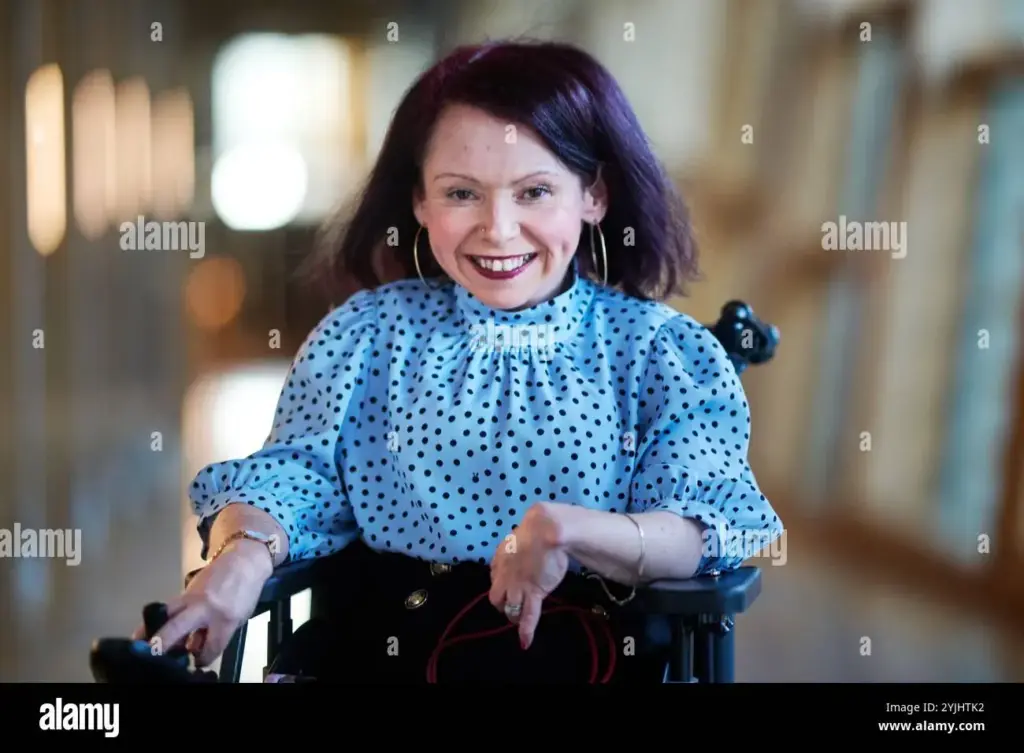
Pam Duncan-Glancy’s resignation from her post as a Scottish Labour MSP has sent ripples through the political landscape ahead of the upcoming Holyrood elections. Choosing not to seek re-election in the Glasgow constituency, her decision was largely influenced by her desire to avoid her friendship with a convicted sex offender becoming a distraction. Recently, Duncan-Glancy stepped down as the party’s education spokesperson after admitting to a significant error in judgment related to her ties with Sean Morton, a former Labour councillor. The revelations about Morton, who has a troubling past involving indecent images of children, prompted her to reconsider her candidacy. In her resignation statement, Duncan-Glancy expressed frustration that personal relationships could overshadow the important work of the Labour Party, emphasizing her commitment to achieving a Scottish Labour government next year.
In a surprising turn of events, the political arena in Scotland is witnessing the fallout from Pam Duncan-Glancy’s decision to withdraw her candidacy for the upcoming legislative elections. The Scottish Labour politician, serving as an MSP for Glasgow, cited her connection to a former party member with a criminal record as a reason for stepping back from her role. This choice comes amid growing concerns that her associations could divert attention from the party’s agenda and priorities. As the party navigates through this challenging period, the focus shifts to selecting a new candidate to represent the Glasgow constituency. The implications of Duncan-Glancy’s departure are significant for Labour Party news, particularly as they attempt to maintain public trust while preparing for the next election cycle.
Pam Duncan-Glancy Resignation: A Difficult Choice
The resignation of Pam Duncan-Glancy, the Scottish Labour MSP, marks a significant moment in Scottish politics, especially as we approach the forthcoming Holyrood elections. Her decision to withdraw as a candidate for the Glasgow Kelvin and Maryhill constituency has not come lightly. In her statement, Duncan-Glancy declared this choice to step down as a necessary measure to prevent her personal friendships from overshadowing the important work of the Labour Party. As the political landscape in Scotland shifts, her resignation emphasizes the ongoing need for accountability and the ethical responsibilities of public office holders.
Duncan-Glancy’s admission of a “serious error of judgment” regarding her connection with convicted sex offender Sean Morton highlights the complex intertwining of personal and professional lives in politics. It serves as a reminder to other MSPs and political hopefuls about the impacts of their associations. The backlash surrounding her friendship has certainly raised public awareness about the ethical standards expected of elected officials. Now, with her decision to step aside, she aims to refocus attention on Labour Party priorities and the upcoming elections.
Implications of Duncan-Glancy’s Withdrawal on Labour Party Dynamics
The ramifications of Pam Duncan-Glancy’s resignation are quite significant for the Scottish Labour Party. With the Holyrood elections on the horizon, her departure from the race for the Glasgow constituency raises questions about the party’s strategy and its ability to recover from this situation. The Labour Party will need to quickly identify a replacement candidate who can resonate with voters and maintain the trust that may have been shaken by recent revelations. This incident underscores the importance of scrutinizing candidates’ backgrounds and associations during the selection processes.
Furthermore, the Labour Party’s response to Duncan-Glancy’s decision highlights its commitment to addressing controversies head-on while maintaining focus on its core agenda. The party spokesperson reaffirmed the need to ensure that recent negative stories do not detract from Labour’s mission to serve the public effectively. In this climate of uncertainty, it’s crucial for the party to present a united front and reassure constituents that they continue to prioritize the needs of Glasgow residents and Scotland as a whole.
Public Reaction to the Pam Duncan-Glancy Situation
Public response to Pam Duncan-Glancy’s resignation has been mixed, reflecting the complexities of personal relationships in the public eye. Many supporters of Duncan-Glancy express sympathy for her difficult position, recognizing the challenges that public figures face in maintaining their personal lives. Others, however, are critical of her decision to associate with someone like Sean Morton, highlighting the need for greater integrity and vigilance among elected officials. This incident has spurred discussions in political circles about how personal choices can influence public perception of political candidates.
Moreover, the media coverage surrounding the resignation has played a pivotal role in shaping public opinion. Various outlets have analyzed the implications of Duncan-Glancy’s friendships on her political career, linking this situation to broader themes of accountability in politics. As voters prepare for the upcoming Holyrood elections, the narrative surrounding the resignation could potentially influence their decisions at the polls, particularly in constituencies where trust and ethical standards are paramount.
The Future for Scottish Labour Post-Duncan-Glancy
With the resignation of Pam Duncan-Glancy, the Scottish Labour Party faces a crucial juncture that could shape its future trajectory. The party’s commitment to rebuilding trust and reputation in Glasgow and beyond is of utmost importance, especially considering the impending Holyrood elections. Prospective candidates will need to be chosen carefully to ensure that they align with the party’s values and can effectively communicate Labour’s vision for Scotland’s future. As the party navigates these turbulent waters, its leadership will be tested in choosing the right representative.
In addition, the Labour Party must leverage this chance to reassess its approach to candidate vetting and to reinforce ethical considerations in its operations. Addressing any concerns arising from this incident will be paramount for the party’s credibility. By fostering an environment of transparency and accountability, Scottish Labour can bring about a renewed sense of purpose and prepare itself to reclaim influence in Holyrood. This period of reflection could ultimately be a transformative phase for the party as it strives to reconnect with the voters.
Learning from Mistakes: The Importance of Ethical Leadership
The situation involving Pam Duncan-Glancy serves as a potent reminder of the importance of ethical leadership in politics. As public servants, MSPs must navigate complex relationships and make decisions that uphold their integrity and the respect of their constituents. This instance has shed light on the necessity of self-awareness among politicians concerning their associations and the potential consequences that may arise. For the Labour Party, adopting a stringent ethical framework is essential in safeguarding its reputation and restoring public confidence.
Moving forward, it is vital for political parties, including Scottish Labour, to implement comprehensive training and guidance for candidates on ethical considerations in their public and private lives. Building a culture that prioritizes ethical behavior can help mitigate the risks of similar controversies in the future. Transparency in candidate selection processes and ongoing dialogues about ethical standards will not only benefit the party but will also enhance the overall political landscape in Scotland as voters demand higher standards from their representatives.
Navigating Relationships: Elected Officials and Personal Associations
The resignation of Pam Duncan-Glancy illustrates the intricate balance politicians must strike between personal relationships and professional responsibilities. The implications of her friendship with a convicted sex offender highlight the significant attention that public figures receive regarding their social circles. As MSPs engage with various factions within their constituencies, they must also ensure that their affiliations do not compromise their professional standing or harm the interests of their parties during critical moments, such as upcoming elections.
For those involved in politics, the lesson from Duncan-Glancy’s situation is clear: maintaining a careful distance from potentially harmful relationships is crucial. As the Labour Party navigates this challenge, it must cultivate a framework that promotes accountability and ensures candidates uphold a strong moral compass in their connections. Open conversations about managing personal relationships and associations can contribute to a healthier political environment where integrity remains a priority.
Rebuilding Trust in Scottish Politics After Controversies
In light of Pam Duncan-Glancy’s resignation, the need to rebuild trust in Scottish politics has been underscored. Recent controversies surrounding MSPs have eroded public confidence, making it imperative for political parties to actively work on restoring faith among constituents. The Scottish Labour Party, in particular, stands at a crossroads where its immediate actions will directly impact voter perceptions in the approaching Holyrood elections. It’s essential for the party to acknowledge past mistakes while showcasing a commitment to making better choices moving forward.
Rebuilding trust will require Scottish Labour to demonstrate unwavering dedication to ethical leadership, prioritizing the public interest above all else. Engaging with constituents through transparent communication, community involvement, and a renewed focus on policy priorities could help the party regain lost support. As the dynamics of the political landscape evolve, Labour’s ability to successfully navigate these challenges will depend on its perceived integrity and willingness to hold its members accountable, particularly in light of Duncan-Glancy’s resignation.
The Role of Media in Shaping Political Narratives
Media outlets play a pivotal role in shaping public narratives, especially in politically charged situations such as the resignation of Pam Duncan-Glancy. The coverage surrounding her connections to a convicted sex offender has not only highlighted potential lapses in judgment but has also influenced public perception of the Scottish Labour Party. As news cycles evolve, the narrative can shift rapidly, compelling parties to respond proactively to maintain their credibility amidst negative stories.
Understanding and adapting to media dynamics is crucial for politicians and their parties. This situation serves as a reminder of the powerful influence the press has in framing political discussions and agendas. The Labour Party needs to strategize around how to engage with media effectively, ensuring that its messages are communicated clearly and that it is prepared to address controversies head-on. By fostering a good relationship with the media, the party can work toward shaping a more favorable narrative that can bolster public confidence leading into the Holyrood elections.
Frequently Asked Questions
Why did Pam Duncan-Glancy resign as a Labour Party spokesperson?
Pam Duncan-Glancy resigned as education spokesperson for the Labour Party after acknowledging a ‘serious error of judgment’ due to her connections with a convicted sex offender, Sean Morton. She wanted to avoid her personal friendship becoming a distraction from her responsibilities and the party’s work.
What led to Pam Duncan-Glancy’s decision not to seek re-election in Holyrood?
Pam Duncan-Glancy’s decision not to seek re-election to Holyrood was influenced by her friendship with Sean Morton, a convicted sex offender. She announced that she did not want this association to overshadow her candidacy or the priorities of the Labour Party.
Who is Sean Morton in relation to Pam Duncan-Glancy’s resignation?
Sean Morton is a former Labour councillor who was convicted of possessing indecent images of children and extreme pornography. Pam Duncan-Glancy’s continued relationship with him was a key factor in her resignation as education spokesperson and her withdrawal from the Holyrood elections.
What is Pam Duncan-Glancy’s future after her resignation?
After her resignation, Pam Duncan-Glancy confirmed that she would not be contesting her seat in Glasgow for the upcoming Holyrood elections. However, she expressed gratitude for her time serving Glasgow and remains committed to supporting the Scottish Labour Party.
How has Labour reacted to Pam Duncan-Glancy’s resignation?
The Labour Party stated that Pam Duncan-Glancy made the right choice in resigning, emphasizing that her recent issues should not distract from the party’s work. They also announced that the selection process for a new parliamentary candidate for the Glasgow Kelvin and Maryhill constituency would be reopened.
What were the public’s reactions to Pam Duncan-Glancy’s resignation from Holyrood elections?
Public reactions to Pam Duncan-Glancy’s resignation have been mixed, with many acknowledging the difficult situation following her association with a convicted sex offender, while others continue to support her contributions as a Scottish Labour MSP.
| Key Point | Details |
|---|---|
| Resignation | Pam Duncan-Glancy will not seek re-election to Holyrood. |
| Connection to Convicted Offender | Duncan-Glancy had a friendship with Sean Morton, a convicted sex offender. |
| Education Spokesperson | She stepped down from her role as education spokesperson due to this issue. |
| Judgment Error | Admitted to a ‘serious error of judgment’ regarding her relationship with Morton. |
| Party Response | Scottish Labour stated she made the right choice in stepping back. |
| Commitment | Despite her resignation, she remains committed to Scottish Labour and its goals. |
Summary
Pam Duncan-Glancy resignation from her candidacy in the Scottish Parliament has stirred significant discussion in political circles. This decision comes in light of her friendship with a convicted sex offender, which she recognized could detract from her work and from party priorities. Duncan-Glancy, who has served as an MSP since 2021, expressed her gratitude for the opportunity to represent Glasgow but ultimately prioritized the integrity of the party over her personal connections. Her resignation highlights critical issues surrounding accountability and the responsibilities of public officials.