Listen to this article
In recent weeks, Ukraine conflict talks have taken center stage as US and Ukrainian envoys report on their “productive and constructive” discussions in Miami. Despite these positive remarks, substantial progress towards resolving the ongoing conflict with Russia remains elusive. The joint statement from Donald Trump’s special envoy, Steve Witkoff, and Ukraine’s lead negotiator, Rustem Umerov, emphasized the need for alignment on crucial plans including security guarantees and economic initiatives. Their remarks highlight the central role of US Ukraine negotiations in fostering dialogue between the warring nations. As the international community keenly observes, the effectiveness of these diplomatic efforts in bringing about lasting peace is yet to be determined, with many related discussions still in the balance.
The ongoing negotiations concerning the conflict in Ukraine are crucial for achieving a peaceful resolution in the region. Recently, representatives from both the US and Ukraine have been involved in extensive dialogues aimed at establishing a framework for stability and recovery. These discussions not only focus on security arrangements but also encompass broader economic strategies designed to aid Ukraine’s resurgence. The involvement of key figures, including Trump’s special envoy, further indicates the intricate dynamics of these diplomatic engagements. As the pursuit for a comprehensive peace agreement continues, the stakes remain high, with national and international ramifications intertwined in this complex narrative.
Current State of Ukraine Conflict Talks
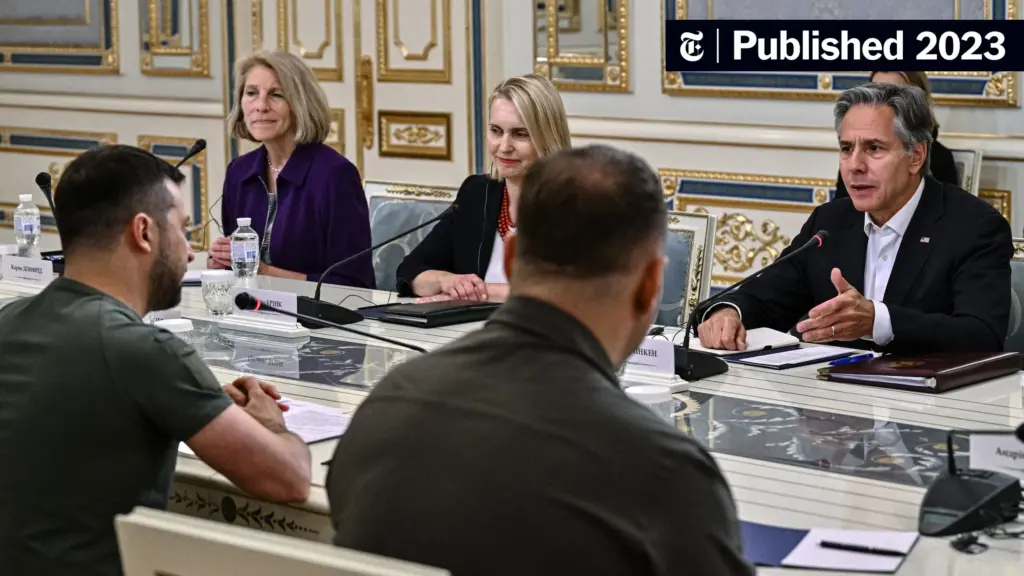
The recent dialogue between US and Ukrainian envoys in Miami has been described as ‘productive and constructive.’ Despite the positive tone, significant breakthroughs remain elusive in the ongoing negotiations aimed at resolving the conflict between Ukraine and Russia. The discussions were led by Donald Trump’s special envoy for Ukraine, Steve Witkoff, and top Ukrainian negotiator Rustem Umerov. Their joint statement highlighted efforts to formulate a solid multilateral security guarantee framework, along with a detailed economic prosperity plan.
These negotiations come on the heels of heightened concerns about Russia’s ongoing military ambitions in Ukraine, despite calls for peace. The joint discussions not only focused on defense strategies but also aimed to harmonize a 20-point plan reflecting the aspirations of both nations. While the phrase ‘productive talks’ suggests a positive movement forward, they underscore the complexity of reaching a consensus in negotiations that continue to be influenced by geopolitical maneuvers and historical tensions.
The Role of US in Ukraine Negotiations
The United States has played a pivotal role in the ongoing negotiations focusing on Ukraine’s security and long-term recovery. The presence of Trump’s special envoy emphasizes the US commitment to facilitating dialogue, but the effectiveness of these ambitions is tested by the persistent demands from Russia. Witkoff’s recent engagement with Russian officials signals an effort to foster transparency and establish credibility within the process, despite the complexities involved.
US involvement in the negotiations is critical as it negotiates a careful balance between supporting Ukraine’s territorial integrity and responding to Russian overtures for dialogue. Throughout this process, US intelligence has continued to warn of President Putin’s intentions, painting a stark picture of the stakes involved. This reinforces the need for sustained, nuanced diplomatic efforts as both the US and Ukraine navigate these turbulent discussions.
Reactions to Ukraine-Russia Peace Efforts
The unfolding situation surrounding the Ukraine-Russia peace talks has elicited a spectrum of reactions from Ukrainian officials and international observers. Key statements from Ukrainian negotiators, such as Umerov, emphasize a commitment to achieving lasting peace while also expressing concerns about the implications of Russia’s aggressive posturing. The discussions aim to provide a framework that assures Ukraine’s security and addresses its economic recovery, crucial given the ongoing challenges posed by the conflict.
However, skepticism persists regarding the efficacy of these talks. Many view them through the lens of past negotiations that often yielded minimal results amidst entrenched geopolitical rivalries. The exhaustive nature of these discussions reflects the need for clear and actionable commitments, rather than vague assurances. As discussions unfold, the international community remains watchful of the outcomes and their potential impact on regional stability and global diplomatic relations.
Impact of Ukrainian Drone Strikes on Negotiations
Recent drone strikes by Ukraine targeting Russian assets have added another layer of complexity to the ongoing negotiations. These operations signal Ukraine’s determination to assert its military capabilities amidst peace talks, illustrating the challenges faced by negotiators in reaching a consensus. The strikes reportedly caused significant damage to vessels in Russia’s Krasnodar region, highlighting the persistent tensions that underpin the diplomatic efforts.
This aggressive stance by Ukraine may impact the dynamics of the negotiations, potentially swaying public opinion and positioning in the talks. As both sides seek to establish their respective narratives, the implications of military actions on diplomatic strategies cannot be overlooked, posing questions about the balance between military strength and the pursuit of peace.
International Response to Ukraine Conflict Negotiations
The international community has been closely monitoring the Ukraine-Russia negotiations, especially amidst revelations of a US peace plan aiming to address the ongoing conflict. Allies have expressed varying degrees of support for Ukraine while also urging caution in how negotiations are handled with Russia. Countries involved in the talks are advocating for Ukraine’s sovereignty and the need for a stable, long-term resolution to the conflict.
Furthermore, the involvement of multiple parties, including NATO members and European countries, illustrates the geopolitical ramifications of the discussion. The breadth of opinion surrounding diplomatic efforts highlights differing approaches to resolving the conflict, reflecting both support for Ukraine and the desire to engage with Russia. The complexity of these interactions complicates the path towards resolution, illustrating the multifaceted nature of international diplomacy.
Key Challenges in Ukraine-Russia Peace Talks
Numerous obstacles persist in the Ukraine-Russia peace negotiations, with both sides holding firm on critical issues that have stalled progress. Russia’s territorial demands remain a significant sticking point, and any discussions concerning Ukrainian sovereignty evoke heavy scrutiny. The joint statements from US and Ukrainian negotiators suggest a willingness to engage in dialogue, yet the fundamental differences between the parties continue to hinder effective compromise.
The intricate landscape of these talks reflects broader geopolitical patterns, including historical grievances and national security concerns. As US intelligence reports indicate, Moscow’s ambitions appear aggressive, complicating the landscape for peace. These factors, combined with rising tensions and military activities on the ground, shape a precarious environment in which diplomacy must navigate deeply entrenched positions from both sides.
US Peace Plan: Context and Controversy
The introduction of a 28-point US peace plan has sparked considerable debate among Ukrainian officials and their European allies. Many perceived the plan as disproportionately favoring Russian interests, raising serious concerns in Ukraine about potential compromises that would undermine its sovereignty. As representatives critique the outlined framework, these discussions highlight the sensitivity and complexity of international diplomacy amid wartime conditions.
Critiques of the US plan suggest that any uncritical acceptance of Russian demands could set a dangerous precedent, threatening the core principles of international law and national sovereignty. This controversy underscores the imperative for clear and unwavering support for Ukraine within international diplomatic efforts while navigating a multifaceted conflict shaped by diverse geopolitical interests.
Diplomatic Efforts Beyond the Negotiation Table
The diplomatic landscape surrounding the Ukraine conflict extends beyond formal negotiations, encompassing various international engagements and strategies aimed at fostering a conducive environment for peace. Initiatives such as regional collaborations, defense agreements, and humanitarian aid reflect the broad spectrum of diplomatic efforts to stabilize the region. Moreover, the participation of non-state actors and civil organizations further underscores the multifaceted approach needed to support lasting peace.
Simultaneously, informal dialogues and backchannel communications play a crucial role in facilitating understanding and reducing hostilities. The participation of various stakeholders, including diplomats and civil society representatives, is imperative in building consensus and addressing the underlying issues that perpetuate the conflict. These comprehensive diplomatic outreach efforts are instrumental in creating an atmosphere conducive to fruitful negotiations and ultimately, lasting peace.
Strategic Alliances and Their Role in Ukraine Conflict
The dynamics of the Ukraine conflict are heavily influenced by strategic alliances that shape both military and diplomatic strategies. NATO’s continuous support for Ukraine reflects a united front against aggression, emphasizing the need for collective security and persistence in international law. This strategic alliance not only bolsters Ukraine’s military capabilities but also serves as a critical element in negotiations with Russia, conveying the message that aggression will not go unanswered.
Furthermore, the relationships between Ukraine, the US, and European allies influence the negotiation landscape, especially as various interests converge in the pursuit of a peaceful resolution. The prevailing sentiment among allied nations suggests a need for coordinated actions that uphold Ukraine’s aspirations and ensure a robust stance against Russian territorial encroachments. Such alliances pave the way for more structured and effective diplomatic maneuvers as the situation evolves.
Frequently Asked Questions
What are the key points discussed in the recent Ukraine conflict talks in Miami?
The recent Ukraine conflict talks in Miami, involving US and Ukrainian envoys, focused on key issues such as a 20-point plan, multilateral security guarantees for Ukraine, and an economic prosperity plan. Both officials, Steve Witkoff and Rustem Umerov, described the discussions as ‘productive and constructive’ despite no significant breakthrough in resolving the conflict with Russia.
How does the US Ukraine negotiations affect the ongoing conflict with Russia?
The US Ukraine negotiations play a crucial role in diplomatic efforts to resolve the ongoing conflict with Russia. They aim to establish a shared security framework and an economic recovery plan for Ukraine. Recent talks in Miami highlight the commitment of US officials to engage in dialogues that address both Ukraine’s security needs and the stabilization of the region.
What did the Ukrainian envoy statement reveal about the current state of peace talks?
The Ukrainian envoy statement following the Miami talks revealed a commitment to constructive dialogue, emphasizing the need for security guarantees and a coordinated economic strategy for Ukraine’s recovery. Despite the productive discussions, challenges remain in achieving consensus on key territorial and security issues between Ukraine and Russia.
What role does Trump’s special envoy play in the Ukraine Russia peace talks?
Trump’s special envoy, Steve Witkoff, has been instrumental in facilitating the Ukraine Russia peace talks. His involvement includes discussions with both US and Russian representatives aimed at harmonizing positions on security guarantees for Ukraine. Witkoff’s efforts reflect an ongoing commitment to finding a diplomatic solution to the conflict.
What challenges are evident in the Ukraine conflict talks with Russia?
Challenges in the Ukraine conflict talks with Russia include disagreements on territorial claims and security demands. Russian President Vladimir Putin’s aspirations to retain parts of Ukraine complicate negotiations, as US intelligence reports indicate his long-term goals could involve further territorial ambitions in Europe.
What are the implications of the US peace plan revealed during the Ukraine conflict talks?
The US peace plan revealed during the Ukraine conflict talks has raised concerns among Ukraine and its European allies, as it appears to favor Russian interests. This revelation has prompted heightened diplomatic activities to ensure Ukraine’s security and recovery, while seeking a balanced approach to peace.
How are drone strikes affecting the Ukraine conflict negotiations?
Recent Ukrainian drone strikes targeting Russian infrastructure indicate ongoing hostilities, which complicate negotiations for peace. Such military actions can diminish the atmosphere of trust necessary for effective dialogue in the Ukraine conflict talks, highlighting the instability in the region.
What is the long-term goal of the US and Ukrainian negotiators in the Ukraine conflict talks?
The long-term goal of the US and Ukrainian negotiators in the Ukraine conflict talks is to halt the violence, establish guaranteed security frameworks, and promote conditions for Ukraine’s recovery and stability. Their diplomatic efforts aim to create a sustainable path toward peace while addressing key concerns related to territorial integrity and sovereignty.
| Key Point | Details |
|---|---|
| US and Ukrainian Talks | Held in Miami, labeled ‘productive and constructive’, but no significant breakthroughs reported. |
| 20-Point Plan Discussion | Talks focused on harmonizing a multilateral security guarantee framework and an economic plan. |
| Separate US-Russian Talks | Discussions between US officials and Russian envoy Kirill Dmitriev also deemed ‘productive’. |
| Peace Plan Concerns | A 28-point US peace plan surprised Ukraine; perceived as favoring Russia. |
| Putin’s Stance | Putin claims no further wars would occur if Russia is treated with respect and its interests are acknowledged. |
| Military Actions | Ukrainian drone strikes reported to have damaged Russian vessels and infrastructure in Krasnodar region. |
Summary
The recent Ukraine conflict talks have highlighted the ongoing diplomatic efforts between Ukraine, the US, and Russia, showcasing attempts to find a peaceful resolution to the nearly four-year war. Despite progress in discussions, significant breakthroughs remain elusive, with key issues such as territory retention by Russia continuing to obstruct negotiations. This situation underscores the complexity of the Ukraine conflict and the essential role of multi-party dialogue in addressing pivotal security interests.