
Listen to this article
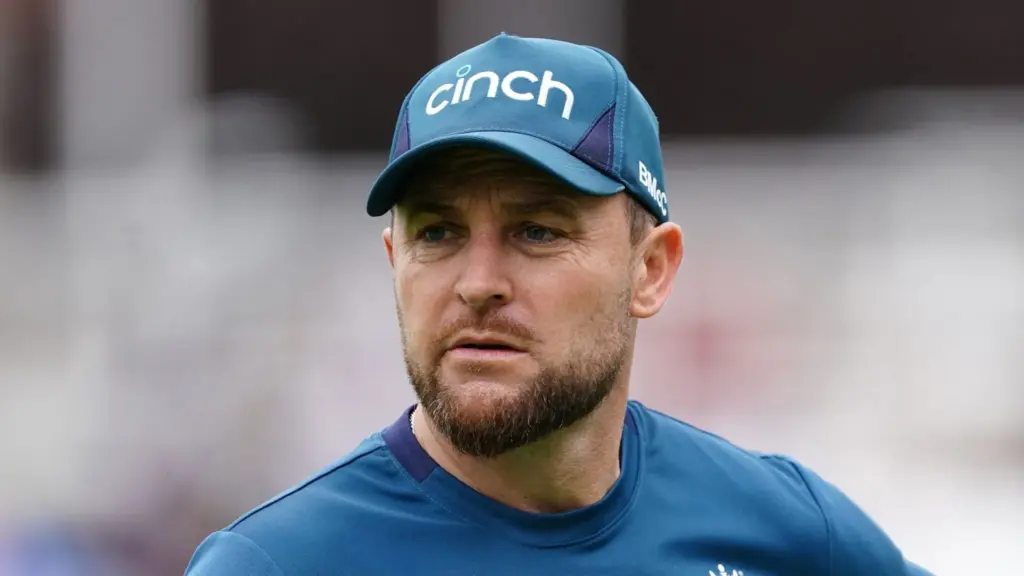
Brendon McCullum, the former New Zealand captain and England’s head coach, finds himself under intense scrutiny following the team’s disastrous Ashes performance. With their early defeat prompting critics like Sir Geoffrey Boycott to demand his removal, questions about the effectiveness of the aggressive “Bazball” strategy have resurfaced. Despite an initial surge of victories during his tenure from May 2022, England’s subsequent losses have led to widespread calls for urgent ECB changes. As the team faces the dire possibility of failure in Australia, many are reflecting on whether McCullum’s approach has reached its limits. Can the once-promising coaching style adapt, or is it time to sack Brendon McCullum and seek new leadership for England cricket?
In the wake of England’s disheartening Ashes campaign, the discourse around Brendon McCullum’s future as head coach has taken center stage. McCullum, known for his aggressive and innovative approach, has been a polarizing figure within cricket circles, especially as critics voice concerns over his leadership style and the effectiveness of the current strategy, often referred to as “Bazball.” Sir Geoffrey Boycott’s recent remarks calling for his dismissal underscore a growing sentiment that significant changes are required within the England cricket hierarchy. As fans and analysts debate the future direction of the team, the question remains: Will new strategies be implemented to regain competitive edge, or will the leadership remain steadfast in their current approach?
Brendon McCullum Under Fire: Calls for His Dismissal Grow Stronger
In the aftermath of England’s dismal Ashes performance, calls for Brendon McCullum’s sacking are echoing loud and clear within the cricketing community. Sir Geoffrey Boycott has emerged as a prominent voice advocating for change within the England cricket setup, suggesting that McCullum’s aggressive strategy, known as ‘Bazball,’ has reached a dead end. With England failing to secure a win in the recent series against Australia, the idea of replacing McCullum is gaining traction among critics and fans alike. Many believe that a change in leadership is necessary to set a new course for the team.
Supporters of McCullum, however, point to his initial success, transforming England from a struggling side to one that experienced significant victories under his guidance. Yet, as the results have faltered, particularly in the face of strong opposition, doubts have surfaced about his ability to adapt under pressure. The debate continues: Should he remain in charge during this turbulent period, or is it time for the England Cricket Board (ECB) to consider new leadership to revitalize the team?
The Need for ECB Overhaul: Addressing Criticism and Strategic Failures
With Sir Geoffrey Boycott’s critique of Brendon McCullum, the conversation has naturally transitioned towards the broader need for change within the ECB itself. Boycott firmly believes that for England to regain its competitive edge, significant reforms must be made; this includes reassessing their current strategies surrounding player selection and coaching philosophies. The term ‘Bazball’ has now come to symbolize both a new aggressive style of play, and potentially, a failure to adapt, leading to this critical juncture.
The ECB needs to reflect on the sweeping changes that are necessary to not only recover from the ashes of this series but to plan for a successful future, especially with approaching high-stakes series. There’s an urgent requirement for the board to review its approach and ensure that both the management and players are aligned in their vision to reclaim confidence and form in Test cricket. Without these changes, England risks becoming marooned in mediocrity for years to come.
Geoffrey Boycott’s Concerns: Is Bazball Playing Its Last Innings?
Geoffrey Boycott’s disdain for the ‘Bazball’ approach has been palpable throughout this Ashes series, with the veteran cricketer describing it as a misguided strategy that has lost its effectiveness. He expressed his disappointment with how England’s aggressive batting philosophy has been executed, pointing out that overconfidence has become a stumbling block. With a notable gap in their recent performances, Boycott’s call for reassessment raises crucial questions about the sustainability of this approach.
Boycott’s stance not only highlights the immediate need for introspection within the England team but also echoes a broader sentiment among fans yearning for a return to a more balanced playing style. The cricketing legend warns against stubbornly sticking to a failing strategy, urging management to consider whether the current tactics truly benefit the squad or jeopardize their competitive standing. As ‘Bazball’ faces increasing scrutiny, its future hangs in the balance.
The Fallout: Implications of England’s Ashes Performance on the Future of Cricket
The embarrassing defeat in the Ashes has rippled through the fabric of English cricket, raising alarms about the current culture and methodology within the team. The fallout extends beyond just McCullum’s job security, as numerous stakeholders are beginning to question the efficacy of strategies employed by the ECB. While winning was expected against the old rivals, the stark reality of a 4-0 lead for Australia calls for a thorough overhaul in how England prepares for international contests.
Additionally, supporters are looking for more than a mere change in personnel. They demand a complete re-evaluation of the tactics, training regimens, and perhaps a return to foundational cricket values that have historically been successful. This traumatic Ashes series might just act as a catalyst for transformative changes within English cricket that could shape its trajectory for many years to come.
Bazball Under Scrutiny: What Went Wrong for England?
As England navigates the disappointment of their Ashes campaign, the effectiveness of the ‘Bazball’ approach is being challenged more than ever. Critics argue that while an aggressive style can generate excitement and quick runs, it has failed to deliver consistent success against top-tier opposition. The recent heavy losses have forced pundits to reconsider whether this method was implemented prematurely or without adequate adaptation to the evolving game.
The concept of Bazball, while innovative, requires a blend of aggression and strategic finesse—something that the England team has struggled to balance during the Ashes. Commentators like Boycott have emphasized that sticking to a failing strategy out of pride may lead teams deeper into crisis, underscoring the urgency for flexibility and growth in various playing conditions. As the team reflects on their defeats, questions remain about whether they will continue down this aggressive path or pivot towards a more versatile cricketing philosophy.
Future of Ben Stokes: Will Leadership Changes Follow England’s Ashes Debacle?
The leadership of Ben Stokes has also come under scrutiny in light of England’s disastrous performance in the Ashes. Sir Geoffrey Boycott has suggested that if Stokes is resistant to adjusting his aggressive batting technique and strategy, it may be time for the ECB to seek new leadership that can inspire change. The demands for a strategy reassessment raise important considerations for Stokes, who has played a crucial role in the team’s direction since taking the helm.
Should Stokes recognize the need for change, it could mark a watershed moment for his captaincy and the future of the England team. Embracing a more dynamic leadership style that adapts to diverse playing conditions may help England regain momentum. As discussions swirl about McCullum’s future, eyes are also on Stokes; his ability to pivot could determine the fate of England cricket in the years to come.
Lessons from Defeat: How England Can Rebuild Post-Ashes
Defeats like the ones experienced in the Ashes provide painful but valuable lessons for England cricket. The challenges faced by the team reveal important areas for growth, from mental resilience to tactical adaptability. Moving forward, England must embrace a reflective approach, analyzing not just the execution of their game plan but also the underlying strategies guiding their preparations and mental readiness before a series.
The true test will be how well they can reevaluate their methods post-defeat. Drawing insights from past failures and incorporating a blend of experiences will be essential in restoring confidence within the team. They need to engage in open dialogues about their playing style and obtain feedback from former players and experts, using this constructive criticism as a platform for change.
Where Do We Go from Here? The Path Ahead for England Cricket
As England faces criticism and calls for change following their disappointing Ashes performance, discussions about the path ahead have gained momentum. The responsibility now lies with both the management and the players to articulate a clear vision for recovery. It is not merely about replacing individuals like Brendon McCullum, but rather about fostering a culture of adaptability and sustained success that resonates with fans and future cricket ambitions in England.
With imminent matches awaiting, England cricket must embrace this moment as a critical turning point. Setting up a robust framework for development will involve redefining their playing style, investing in new talent, and ensuring a balance between traditional techniques and modern aggression. By acknowledging their past failings, they can set forth towards a rejuvenated future that retains the trust and confidence of cricket fans around the globe.
The Game Beyond the Ashes: Impacts on England’s Future Matches
The ramifications of England’s Ashes performance extend beyond this singular series, impacting their future matches and international engagements. Poor performances can result in loss of confidence among players and critical scrutiny from fans and experts alike. As England gears up for future fixtures, they’ll need to capitalize on lessons learned from the Ashes to redefine their approach, ensuring that they head into upcoming matches with renewed vigor and strategic clarity.
To evolve, the England team must commit to a comprehensive evaluation of their techniques, including player roles and the fundamentals of batting and bowling. Adjustments based on recent experiences will not only foster player development but also restore faith in their capabilities. Teams often learn more from defeat, and for England, the path forward must be paved with resilience and an unwavering commitment to excellence in the face of adversity.
Frequently Asked Questions
Should Brendon McCullum be sacked after England’s Ashes performance?
There is ongoing debate concerning Brendon McCullum’s future as head coach, especially following England’s poor performance in the Ashes series against Australia. Critics, including Geoffrey Boycott, have suggested that McCullum should be sacked because the aggressive ‘Bazball’ approach may have run its course. However, some fans argue that he deserves more time to adapt and innovate.
What did Geoffrey Boycott say about Brendon McCullum’s coaching?
Geoffrey Boycott has been vocal in his criticism of Brendon McCullum’s coaching strategy. He has suggested that McCullum should be sacked due to England’s disappointing Ashes results. Boycott believes that the ECB must consider significant changes in leadership and strategy, advocating for a reevaluation of the ‘Bazball’ approach.
What are the implications of the Bazball failure on Brendon McCullum’s future?
The Bazball failure, especially after England’s defeat in the Ashes, has put Brendon McCullum’s position as head coach under scrutiny. Many believe that if the team’s aggressive style doesn’t lead to consistent victories, the ECB may feel compelled to part ways with McCullum in favor of a fresh approach.
How has Brendon McCullum’s coaching been perceived since he took over?
Since Brendon McCullum took over as head coach in May 2022, his coaching has received mixed reviews. Initially, he revitalized the team, leading to a remarkable turnaround with 10 victories in 11 matches. However, recent performances, including the failures in the Ashes, have prompted calls for changes, with some critics questioning the sustainability of the ‘Bazball’ philosophy.
What changes does Geoffrey Boycott suggest for England cricket regarding McCullum?
Geoffrey Boycott has urged the England Cricket Board (ECB) to reconsider its current strategies and leadership, specifically questioning Brendon McCullum’s coaching. He advocates for a potential change in captaincy and a reassessment of the team’s aggressive playing style, indicating that a shift in approach may be necessary for future success.
What did Brendon McCullum say about his mistakes after the Ashes loss?
After the disappointing Ashes loss, Brendon McCullum acknowledged that he made mistakes in preparing the team, admitting that the performance did not meet the usual standards. He expressed disappointment over the series outcome and recognized that there are important questions to be answered concerning the team’s direction and strategy.
What should the ECB do about Brendon McCullum’s leadership?
The England and Wales Cricket Board (ECB) faces pressure to assess Brendon McCullum’s leadership following the Ashes losses. Many, including critics like Geoffrey Boycott, argue that a reevaluation of both coaching strategies and leadership may be essential to prevent ongoing failures and improve the team’s performance.
| Key Points | Details |
|---|---|
| Call for McCullum’s Dismissal | Sir Geoffrey Boycott has called for Brendon McCullum to be sacked following England’s Ashes defeat. |
| Ashes Series Outcome | Australia leads the series 3-0 after just 11 days of play, the swiftest since 1921. |
| England’s Recent Performance | McCullum initially transformed England’s Test performance but has faced criticism after recent losses. |
| Criticism of ‘Bazball’ Strategy | Boycott argues that the aggressive style has run its course, suggesting a need for change. |
| McCullum’s Self-Reflection | McCullum admitted mistakes in preparing for the Ashes series and acknowledged disappointing results. |
| Future Considerations | Calls for decisive changes in England’s cricket strategy and leadership in the wake of failures. |
Summary
Brendon McCullum’s position as head coach is under serious scrutiny following the humiliating Ashes defeat. With calls for his dismissal gaining momentum, it’s clear that the aggressive ‘Bazball’ strategy may have lost effectiveness. As discussions around the future of England cricket unfold, it’s crucial for McCullum and the leadership team to reflect, adapt, and implement necessary changes to restore the team’s competitive edge.

