Listen to this article
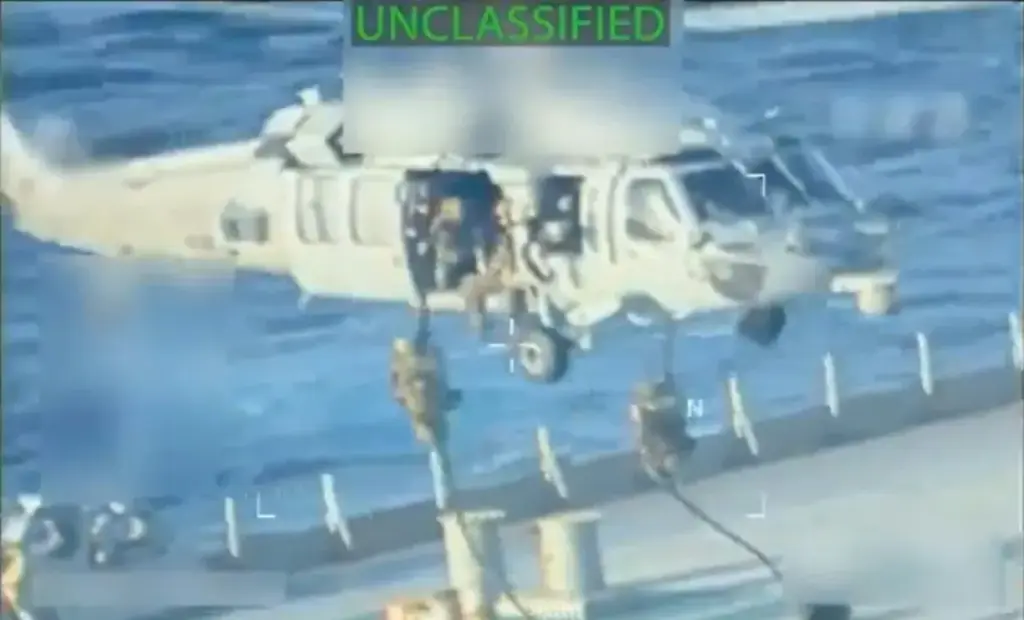
The recent US oil tanker seizure underscores the escalating tensions between the United States and Venezuela, particularly in relation to Venezuela oil sanctions. With the US Coast Guard actively pursuing another vessel tied to this controversial region, it highlights Washington’s commitment to enforcing restrictions against sanctioned oil exports. Just this past weekend, a Panamanian-flagged tanker was boarded under allegations of carrying sanctioned PDVSA oil, emphasizing the US’s focus on oil tanker pursuit to limit Venezuela sanctions evasion. As these maritime operations continue, the implications for Venezuela’s economy and its ability to leverage its vast oil reserves remain a pivotal concern. The political fallout is significant, with both nations trading accusations amidst calls for increased international involvement.
The recent developments surrounding the seizure of a US-bound oil tanker are critical in understanding the broader implications of the United States’ approach to curtailing its adversaries in South America. This maritime incident is tied to the enforcement of stringent sanctions aimed at crippling Venezuela’s oil exports, an essential revenue source for the beleaguered nation. As the US ramped up military operations in the Caribbean, the pursuit of sanctioned vessels reflects a strategy to limit what officials describe as illicit oil trade practices by the Maduro regime. This situation encapsulates a dynamic geopolitical conflict where the US seeks to stifle financial support for Venezuelan policies perceived as threatening to regional stability. Moreover, as these events unfold, the implications for global oil markets and international relations remain profoundly significant.
US Oil Tanker Seizure: Ongoing Operations Against Venezuela
The recent seizure of an oil tanker off the coast of Venezuela marks a significant escalation in the United States’ efforts to enforce sanctions against the nation. As the U.S. Coast Guard actively pursues a third oil tanker linked to Venezuela, these operations highlight Washington’s commitment to combating the illicit oil trade that is allegedly funding criminal activities in the region. With the U.S. accusing Caracas of using oil revenues to finance drug-trafficking and other illegal enterprises, these interventions are framed as a crucial part of broader sanctions aimed at disrupting Venezuela’s economy and sovereignty.
The situation complicates further as Venezuela continues to assert its rights over these vessels. Accusations of “theft and kidnapping” from the Venezuelan government illustrate the rising tensions between the two nations. The ongoing actions of the U.S. involve not only the physical seizure of vessels but also military maneuvers, showcasing a strong presence in international waters near Venezuela—a clear signal to other nations regarding the consequences of engaging in sanctions evasion involving Venezuelan oil.
The Impact of Venezuela Oil Sanctions on U.S. Relations
Sanctions against Venezuela, particularly those targeting its oil industry, have had profound implications for U.S.-Venezuela relations. The enforcement of these sanctions through actions such as tanker seizures represents a pivotal strategy for the U.S. to weaken the Maduro regime economically. As over 30 vessels operating in or near Venezuelan waters are already under U.S. sanctions, the scope of oil sanctions is extensive, complicating any diplomatic efforts to resolve conflict in the region.
The oil sector in Venezuela is crucial, with the country possessing the world’s largest proven oil reserves. Consequently, U.S. sanctions aim to cripple the financial lifeline of the Venezuelan government by stifling its primary source of revenue. However, these actions also lead to diplomatic fallout, with Venezuelan officials seeking redress through international bodies. Therefore, navigating the challenges posed by these sanctions and the geopolitical consequences is delicate, requiring strategic assessment from both U.S. policymakers and the Venezuelan government.
The Role of the U.S. Coast Guard in Oil Tanker Pursuits
The U.S. Coast Guard plays an instrumental role in the enforcement of maritime laws related to oil transportation, especially concerning sanctioned vessels linked to Venezuela. Their operations, including the recent pursuit of an oil tanker identified as part of a ‘dark fleet,’ reflect a proactive stance against what the U.S. describes as illegal sanctions evasion. By conducting operations in international waters, the Coast Guard aims to disrupt the sale and transport of sanctioned PDVSA oil, which is integral to Venezuela’s attempts to sustain its economy amid growing pressure from international sanctions.
This vigilant pursuit also serves to underscore the U.S. commitment to its broader goals in the Caribbean, which involve maintaining maritime security and combating drug trafficking. The Coast Guard’s actions are designed not only to enforce sanctions but also to project strength in a region where Venezuela’s influence is viewed as increasingly provocative. As such, the U.S. Coast Guard’s operations extend beyond mere enforcement, impacting the geopolitical landscape of the Americas significantly.
Geopolitical Tensions: U.S. and Venezuela
The ongoing geopolitical tensions between the U.S. and Venezuela underline a complex interplay of diplomacy, military presence, and economic sanctions. Critically, U.S. officials assert that the Maduro administration’s alliances and actions threaten regional stability, particularly through drug trafficking and oil sanction circumvention. In reaction to U.S. military maneuvers, Venezuela has ramped up its rhetoric, condemning the actions as aggressive and unwarranted, framing the tanker seizures within a broader narrative of international exploitation.
Moreover, these tensions have significant implications for international relations, with Venezuela appealing to global allies to counteract U.S. influence. As the U.S. seeks to isolate Venezuela through sanctions and military posturing, the resulting backlash may create rifts not only in U.S.-Venezuelan relations but also in how other nations perceive and engage with both countries amidst this escalating standoff.
Sanctions Evasion and the Impact on Venezuelan Oil Exports
Venezuela’s strategic use of sanctioned oil vessels underscores the lengths to which the country will go to bypass crushing U.S. sanctions. Reports of a ‘dark fleet’ operating under false flags illustrate a calculated effort by the Maduro regime to continue exporting oil, despite U.S. attempts at economic strangulation. This network of ships is crucial not only for sustaining government revenues but also for maintaining leverage in negotiations with international actors.
As the U.S. intensifies its crackdown on these vessels, the risks grow for oil tanker operators that might unwittingly or otherwise engage with Venezuelan oil. The repercussions can be severe, given the U.S. Treasury’s rigorous enforcement of sanctions against entities dealing with PDVSA. Consequently, the operational landscape for Venezuelan oil exports continues to shrink, while the stakes for those involved in the trade increase dramatically.
Military Presence in the Caribbean: A U.S. Strategy
The increased military presence of the United States in the Caribbean Sea is symptomatic of its strategic focus on curbing Venezuela’s influence and enforcing oil sanctions effectively. The U.S. military operations claimed to target vessels engaging in drug trafficking are seen as a dual-pronged approach—both to counter narcotic shipments and to impose pressure on the Maduro regime. This military strategy is intertwined with sanctions enforcement and seeks to mitigate threats perceived from Venezuelan operations in the region.
This military buildup comes amid rising tensions and accusations from Venezuela, claiming that actions by the U.S. amount to blatant acts of aggression. As the U.S. maintains its assertive posture, leveraging both military and economic tools, the potential for confrontation increases, making it a pivotal moment in U.S.-Venezuelan relations. The Caribbean Sea’s strategic importance complicates this dynamic further, requiring careful navigation by both parties to avoid escalation into open conflict.
Responses from Venezuela: Accusations and Retaliation
The Venezuelan government’s responses to the U.S. oil tanker seizures have been characterized by accusations of theft and a call for international legal recourse. Venezuelan officials argue that the U.S. is infringing on their sovereignty by unlawfully seizing vessels, framing the narrative as one of victimization against imperialistic interests. This rhetoric is part of a broader strategy to rally both domestic support and international allies against U.S. aggression.
Furthermore, the commitment to filing complaints with international bodies like the UN Security Council signifies a strategic move to gain moral high ground in the eyes of the global community. By highlighting alleged violations of international law, Venezuela seeks to internationalize its struggle against U.S. sanctions, attempting to garner sympathy and, potentially, support from nations opposed to unilateral sanctions and aggressive foreign policies.
Impact of Sanctions on Venezuelan Economy
The sanctions imposed on Venezuela have triggered a deep economic crisis, exacerbating existing challenges and pushing the nation into further instability. As oil exports—the lifeblood of the Venezuelan economy—dwindle due to U.S. sanctions and subsequent seizures of tankers, the regime faces increasing fiscal pressures. The Venezuelan economy, reliant on oil revenues for government funding and social programs, now grapples with soaring inflation and severe shortages of basic goods.
The continuation and expansion of sanctions have forced the Maduro government to rethink its strategies for revenue generation, aggressively pursuing alternative avenues for oil sales and engaging in clandestine operations to sidestep restrictions. However, the siphoning off of earmarked funds for drugs and crime only perpetuates a cycle of destabilization, complicating the country’s prospects for recovery and reform.
Future Prospects for U.S.-Venezuela Relations
As both the U.S. and Venezuela remain entrenched in a cycle of sanctions and retaliatory measures, the future of their relations appears increasingly bleak. With the U.S. administration likely to maintain a hardline approach under the guise of combating drug trafficking and enforcing sanctions, the likelihood of negotiation and normalization diminishes. The overarching goals of both nations appear fundamentally at odds, further complicating any potential for diplomatic breakthroughs.
Going forward, stakeholders will need to monitor the evolving dynamics closely, as the intersection of military strategy, international sanctions, and economic pressures continue to shape U.S.-Venezuelan relations. A shift in U.S. policy, possibly driven by internal or external pressures, could potentially open avenues for dialogue, but as it stands, the trajectory remains directed toward ongoing confrontation and entrenched opposition.
Frequently Asked Questions
What are the implications of the recent US oil tanker seizure related to Venezuela oil sanctions?
The implications of the US oil tanker seizure related to Venezuela oil sanctions are significant, as they signify the US’s aggressive stance against Venezuela’s oil industry, which is accused of funding drug-related activities. These seizures disrupt Venezuela’s ability to leverage its oil resources, which are critical for its economy, while also showcasing the US’s commitment to enforcing sanctions against vessels linked to illegal activities.
How does the US Coast Guard’s oil tanker pursuit relate to sanctions evasion by Venezuela?
The US Coast Guard’s oil tanker pursuit is directly tied to allegations of sanctions evasion by Venezuela. The vessels involved have reportedly been part of a ‘dark fleet’, which operates under false flags and ignores US sanctions. This pursuit underscores the US’s efforts to curb illegal oil exports and uphold the integrity of its sanctions against Venezuela.
What does the US Coast Guard’s active pursuit of another oil tanker indicate about US sanctions enforcement?
The US Coast Guard’s active pursuit of another oil tanker indicates a robust enforcement of US sanctions, particularly in relation to Venezuela’s oil industry. This ongoing operation signals the US’s determination to intercept vessels suspected of facilitating sanctions evasion and transporting unauthorized oil, which the US views as critical in combating Venezuelan illicit activities.
How does the US view the seizure of oil tankers linked to Venezuela under the Venezuela sanctions?
The US views the seizure of oil tankers linked to Venezuela as a necessary action to enforce its sanctions effectively. US officials argue that these operations disrupt Venezuela’s capacity to fund illegal activities, including drug trafficking, reinforcing their stance against the Maduro regime while protecting global oil market integrity.
What actions has the US taken regarding oil tankers involved in Venezuela sanctions evasion?
In response to Venezuela sanctions evasion, the US has undertaken several actions, including seizing oil tankers and pursuing vessels like those in the recent pursuits. The US has accused these tankers of carrying illegal PDVSA oil, thereby enforcing judicial seizure orders to mitigate Venezuela’s oil exports, which are seen as funding the regime’s illicit activities.
What is the response of the Venezuelan government to the US oil tanker seizures?
The Venezuelan government has condemned the US oil tanker seizures as acts of ‘theft and kidnapping.’ They assert that these actions are unwarranted attempts by the US to steal their oil resources and have indicated plans to file complaints with international bodies like the United Nations.
Why is the seizure of oil tankers significant in the context of US-Venezuela relations?
The seizure of oil tankers is significant in the context of US-Venezuela relations because it highlights the escalating tensions between the two nations. The US’s aggressive enforcement of oil sanctions against Venezuela reflects its broader strategy to undermine the Maduro regime, complicating diplomatic relations and increasing the likelihood of further conflict.
How has the US military presence in the Caribbean impacted actions regarding oil tanker pursuits linked to Venezuela?
The increased US military presence in the Caribbean has facilitated more assertive actions regarding oil tanker pursuits linked to Venezuela. By bolstering its naval operations, the US aims to deter maritime activities associated with Venezuela’s sanctioned oil shipments, thereby reinforcing its commitment to enforcing sanctions and addressing drug trafficking concerns.
| Key Point | Details |
|---|---|
| US Oil Tanker Seizures | The US seized another oil tanker off Venezuela and is pursuing a third vessel in international waters as tensions rise. |
| Sanctioned Vessels | The vessels are part of a ‘sanctioned dark fleet’ used by Venezuela to evade sanctions, flying false flags. |
| Venezuela’s Response | Venezuela describes the tanker seizures as theft and intends to complain to the UN Security Council. |
| US Military Presence | The US has increased its military presence in the Caribbean, conducting operations against drug-smuggling boats linked to Venezuela. |
| Accusations of Crime | The US accuses Venezuela of using oil profits to fund drug-related crimes, while Venezuela claims US actions are unprovoked. |
| Historical Context | Over 30 vessels connected to Venezuela are under US sanctions, reflecting ongoing conflict and economic issues. |
Summary
The US oil tanker seizure marks a significant escalation in maritime tensions between the United States and Venezuela. With the US actively pursuing a third oil tanker linked to sanctions evasion, the confrontations in international waters highlight the contentious relationship between Washington and Caracas. As Venezuela, holding the world’s largest proven oil reserves, faces increasing pressure from US sanctions, both nations are entrenched in a war of words and military posturing. The situation remains volatile as Venezuela vows to retaliate against what it calls theft of its resources.