
Listen to this article
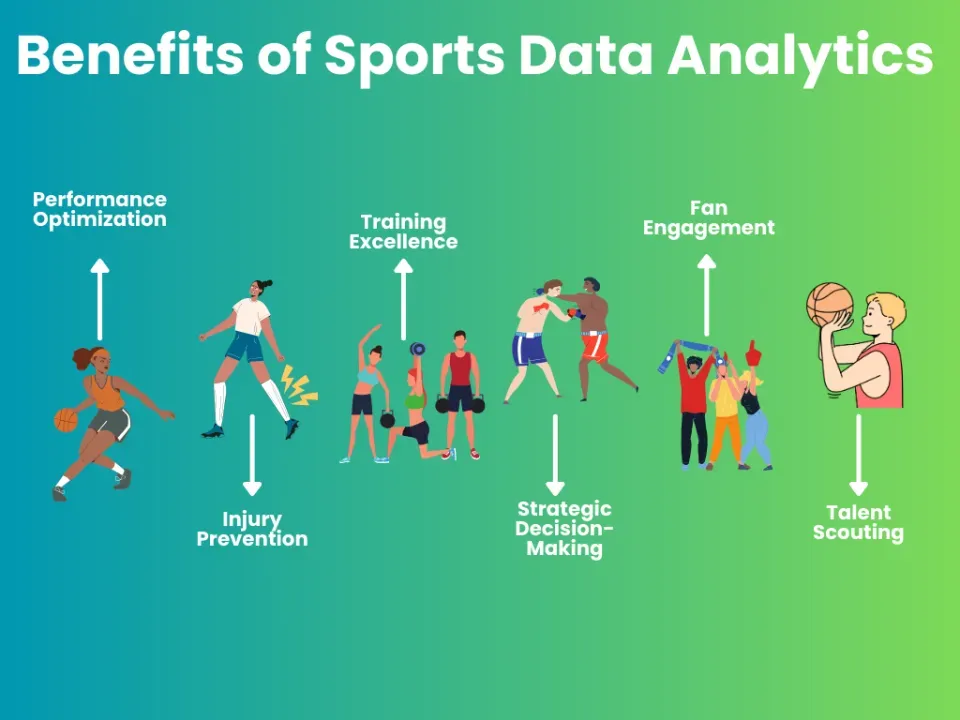
Data analytics in sports has emerged as a transformative force, reshaping how athletic teams strategize, train, and engage with fans. By delving into sports statistics, coaches and analysts can now uncover performance analysis that was once hidden within vast amounts of data. The integration of player metrics allows teams to closely evaluate their athletes, optimizing game strategies and improving overall performance. Moreover, these analytical tools play a critical role in injury prevention, ensuring players can sustain peak conditioning throughout the season. As fan engagement continues to evolve, leveraging data analytics enhances the spectator experience, making the game more interactive and enjoyable.
The realm of sports data analysis, often referred to as sports analytics, encompasses a variety of techniques aimed at measuring and interpreting various aspects of performance and strategy. This domain incorporates intricate player performance assessments, detailed evaluations of game strategy, and even predictive modeling for injury prevention. By utilizing comprehensive metrics and statistics, sports organizations are able to refine coaching methods and enhance team dynamics. Furthermore, the focus on optimizing fan experiences through personalized engagement reflects the growing importance of data-driven insights within the sporting industry. With tools designed to analyze diverse player and game data, the landscape of competitive athletics is being redefined in exciting ways.
The Importance of Performance Analysis in Sports
Performance analysis is at the heart of every successful sports team’s strategy. By systematically collecting and evaluating player metrics, coaches and analysts can uncover critical insights that drive improvement. For instance, metrics such as speed, agility, and endurance, tracked through wearable technology, provide a clear picture of an athlete’s capabilities. This data not only helps coaches devise tailored training regimens but also aids in assessing how changes in technique or training intensity impact performance outcomes.
Furthermore, understanding performance data empowers teams to make educated decisions during games. Coaches can analyze real-time statistics to adjust strategies on the fly, ensuring optimal alignment with their game plan. As performance analysis continues to evolve, teams that embrace a data-driven methodology will gain a competitive advantage, allowing them to not just react but proactively refine their strategies based on comprehensive analytics.
Data-Driven Injury Prevention Techniques
Injuries can derail a player’s career and disrupt a team’s season, making injury prevention one of the most critical applications of data analytics in sports. By employing advanced analytics to assess player metrics such as workload and physical strain, teams can identify potential injury risks before they manifest. For example, analytics can highlight patterns in a player’s fatigue levels or stress markers, leading coaches to adjust training loads accordingly to mitigate risks.
Additionally, predictive analytics can aid in monitoring player health by analyzing historical data on injuries and recovery times. This approach allows teams to make informed decisions regarding player rest and rehabilitation, enhancing both player longevity and team performance. As data analytics technologies become increasingly sophisticated, the potential for effective injury prevention strategies will continue to expand, ensuring that teams protect their most valuable assets—athletes.
Optimizing Game Strategies Through Analytics
Data analytics has fundamentally changed the way teams formulate their game strategies. By leveraging game film analysis alongside statistical data, coaches can gain deep insights into opponents’ patterns and weaknesses, informing their tactical adjustments. Quantifying aspects such as scoring efficiency, player positioning, and defensive strategies allows teams to refine their approach in real-time, ensuring they are always one step ahead on the playing field.
Moreover, the use of simulations based on historical data enables deeper strategic planning. Coaches can test various play outcomes under different scenarios, helping them identify the most effective tactics. As teams increasingly adopt these data-driven strategies, the emphasis on analytics will grow, signaling a shift away from traditional intuition-based decision-making towards evidence-based strategy development.
Enhancing Fan Engagement Through Data
Fan engagement is crucial for teams to maintain loyalty and increase revenues. Data analytics offers unprecedented insights into fan preferences and behaviors, facilitating a more personalized experience. By analyzing ticket sales data, attendance records, and social media interactions, teams can create targeted marketing strategies that resonate with their fan base. This personalized approach not only enhances fan satisfaction but also drives merchandise sales and game attendance.
Furthermore, the use of data can improve in-game experiences, such as optimizing stadium services based on crowd analytics. By understanding when and where fans are likely to need concessions or merchandise, teams can ensure that these services are readily available, leading to increased customer satisfaction. As the importance of fan engagement grows, organizations that effectively utilize data analytics will build lasting relationships with their supporters, translating to increased loyalty and revenue.
The Role of Technology in Sports Statistics
The advent of technology has revolutionized the collection and interpretation of sports statistics. Tools like GPS trackers and biometric sensors provide real-time data on player performance, allowing teams to analyze everything from speed to stamina. This explosion of data has enabled a more nuanced understanding of an athlete’s capabilities, moving beyond traditional statistics to a more comprehensive performance profile.
Moreover, advanced software platforms that aggregate and analyze this data create an accessible resource for coaches and analysts. With comprehensive dashboards, teams can visualize performance metrics and trends over time, enabling them to make informed decisions quickly. As technology continues to advance, the capability to derive actionable insights from sports statistics will become increasingly sophisticated, driving innovation across the sporting landscape.
The Impact of Performance Metrics on Player Development
Player development has experienced a transformation thanks to the insights provided by performance metrics. By leveraging data analytics, coaches can identify specific areas for improvement in an athlete’s game. For instance, if a player consistently struggles with free throw accuracy, detailed analysis of their shooting form and environmental factors during games can provide actionable feedback for refinement.
Additionally, performance metrics help track athlete progress over time, facilitating better communication between players and coaches. This data-driven approach supports an athlete’s growth journey, fostering an environment where continuous improvement is prioritized. In a highly competitive sports landscape, teams that focus on meticulous tracking of player metrics will cultivate stronger, more skilled athletes who can contribute significantly on the field.
Utilizing Game Strategy Analytics for Competitive Advantage
Competitive sports require teams to leverage every tool at their disposal, and game strategy analytics has emerged as a pivotal element in gaining an edge over opponents. By analyzing vast amounts of game data, teams can pinpoint successful plays and tactics previously employed by both themselves and their opponents. This information allows coaches to refine their own strategies while anticipating and countering their rivals’ techniques.
Moreover, teams can utilize analytics in post-game evaluations to review the effectiveness of strategies implemented during matches. By understanding which strategies led to success or failure in specific situations, teams can adjust their tactical frameworks for future encounters. The integration of game strategy analytics into practice will undoubtedly separate the most successful teams from their peers in the fiercely competitive world of sports.
Data Analytics in Player Recruitment and Trades
In modern sports, data analytics has become a cornerstone of player recruitment and trade evaluations. Teams now rely on comprehensive analysis of player metrics to inform their decisions rather than solely on traditional scouting reports. This empirical approach minimizes biases and ensures that selections are based on objective data, increasing the likelihood of acquiring players who fit the team’s needs.
Additionally, data analytics aids in assessing the potential success of trades by modeling performance indicators. Teams can simulate how prospective players will integrate into their existing lineup and what impact they may have on game outcomes. This data-driven methodology elevates the player recruitment process, ensuring that the teams make sound decisions that can enhance their competitiveness in the long run.
The Future of AI and Machine Learning in Sports Analytics
The future of data analytics in sports looks promising, especially with the rise of artificial intelligence (AI) and machine learning technologies. These systems can process vast amounts of data, identifying patterns and making predictions with increasing accuracy. This capability allows teams to enhance their understanding of player performance, injury risks, and even fan engagement metrics.
As these technologies continue to advance, they will undoubtedly play a crucial role in shaping the future of sports analytics. Teams will increasingly turn to AI-driven insights for strategy formulation and administrative decisions, resulting in a deeper integration of technology within their operational frameworks. Organizations that embrace these innovations will likely lead the charge in an era defined by data-driven sports.
Frequently Asked Questions
What is data analytics in sports and how does it impact team performance?
Data analytics in sports involves collecting and analyzing player metrics and game statistics to gain insights that improve team performance. It allows coaches to evaluate players, optimize game strategies, and make informed decisions that enhance overall team effectiveness.
How does performance analysis through data analytics improve player skills?
Performance analysis utilizes data analytics to track player metrics such as speed and accuracy. By understanding these statistics, coaches can tailor training programs to enhance specific skills, leading to improved player performance on the field.
Can data analytics help with injury prevention in athletes?
Yes, data analytics significantly aids in injury prevention by analyzing players’ physical conditions and workloads. By identifying patterns that predict potential injuries, teams can modify training regimens to keep athletes healthy and active.
In what ways does data analytics shape game strategy for sports teams?
Teams use data analytics to analyze opponents’ past performances and identify weaknesses. This information helps coaches devise tailored game strategies, ensuring optimal plays are executed to increase the chances of winning.
What role do player metrics play in sports statistics?
Player metrics are essential components of sports statistics, providing quantitative data on individual performance. These metrics help teams assess players’ contributions and decide on aspects like recruiting and game strategy.
How is fan engagement enhanced through data analytics in sports?
Data analytics enhances fan engagement by analyzing audience preferences and behaviors. Teams can then personalize marketing efforts, improve in-game experiences, and target promotions to specific demographics, thereby increasing overall fan satisfaction.
What are the applications of data analytics in drafting and trade decisions?
Data analytics is used in drafting and trade decisions by providing objective assessments of player performance through metrics and physical attributes, helping teams make well-informed choices based on solid data rather than intuition.
What is the significance of advanced statistics in sports analytics?
Advanced statistics, such as player efficiency ratings and predictive analytics, are crucial in sports analytics as they provide deeper insights into player performance and game outcomes, helping teams make strategic decisions based on complex data analysis.
How do teams utilize injury prevention strategies through analytics?
Teams utilize analytics for injury prevention by monitoring players’ physical data from wearables, which helps in detecting concerning trends and adjusting training loads or schedules to mitigate injury risks.
What future trends can we expect in data analytics in sports?
The future of data analytics in sports is expected to focus on innovations such as artificial intelligence and machine learning, which will enhance performance optimization and player health insights, alongside increasing use of virtual reality for training purposes.
| Key Aspect | Description |
|---|---|
| Understanding Data Analytics | Process of collecting, analyzing, and interpreting sports data to gain insights. |
| Evolution of Sports Analytics | Shift from basic statistics to advanced technologies for real-time data capture. |
| Performance Evaluation | Tracking player metrics to assess performance impact using advanced statistics. |
| Injury Prevention | Utilizing data from wearables to predict and prevent potential injuries. |
| Game Strategy Optimization | Analyzing opponents’ data to tailor effective game strategies. |
| Fan Engagement and Experience | Leveraging data to enhance fan experiences through personalized marketing. |
| Drafting and Trade Decisions | Employing performance metrics to make objective player assessment decisions. |
| Real-Life Examples | Use of data analytics in NBA, soccer, and MLB to improve strategies. |
| Future of Data Analytics | Continued evolution with AI and ML for deeper insights into performance. |
Summary
Data analytics in sports is fundamentally transforming how athletic performances are understood and managed. By integrating technology with data analysis, teams are now able to unravel insights that influence coaching strategies, training programs, and game strategies. Throughout history, sports analytics has evolved from simple statistics to complex metrics enabled by advanced technologies, allowing for real-time data interpretation and immediate tactical adjustments. Major leagues worldwide are adopting these analytics to enhance player evaluations, prevent injuries, optimize game strategies, and improve fan engagement. As we look to the future, the continuous advancements in data analytics promise to further elevate the standards of performance and strategic planning in sports, ensuring that teams leveraging these insights will thrive in an increasingly competitive landscape.

