Listen to this article
Technology in sports has fundamentally transformed the way athletes prepare, compete, and engage with their fans. In recent years, innovations such as wearable technology in sports, data analytics, and virtual reality have emerged as game-changers in enhancing sports performance and enriching viewer experiences. Athletes now rely on sophisticated devices to monitor their performance metrics in real-time, allowing them to get immediate insights to optimize their training regimes. Furthermore, data analytics in sports enables teams to craft game strategies based on comprehensive statistical analyses, leading to more informed decision-making on and off the field. As fans embrace advancements like fan experience technology and the explosive growth of e-sports, the boundaries between athletes and audiences continue to blur, paving the way for a dynamic future in sports entertainment.
The intersection of athletics and cutting-edge innovations has birthed a new era of engagement and performance, often referred to as sports technology. From tracking tools that monitor player health to immersive experiences that bring fans closer to live events, advancements in fields such as smart devices and data interpretation are reshaping how we view and participate in sports. As we delve into the complex landscape of performance enhancement and viewer interaction, it’s clear that new pathways—like e-sports and advanced analytics—are carving out exciting frontiers. Enhancements in virtual and augmented reality also stand to redefine spectator experiences, making every game feel like a front-row event. Ultimately, as these technologies continue to evolve, they promise to create a richer tapestry of experiences for both athletes and sports enthusiasts alike.
1. Transforming Athlete Training Through Wearable Technology
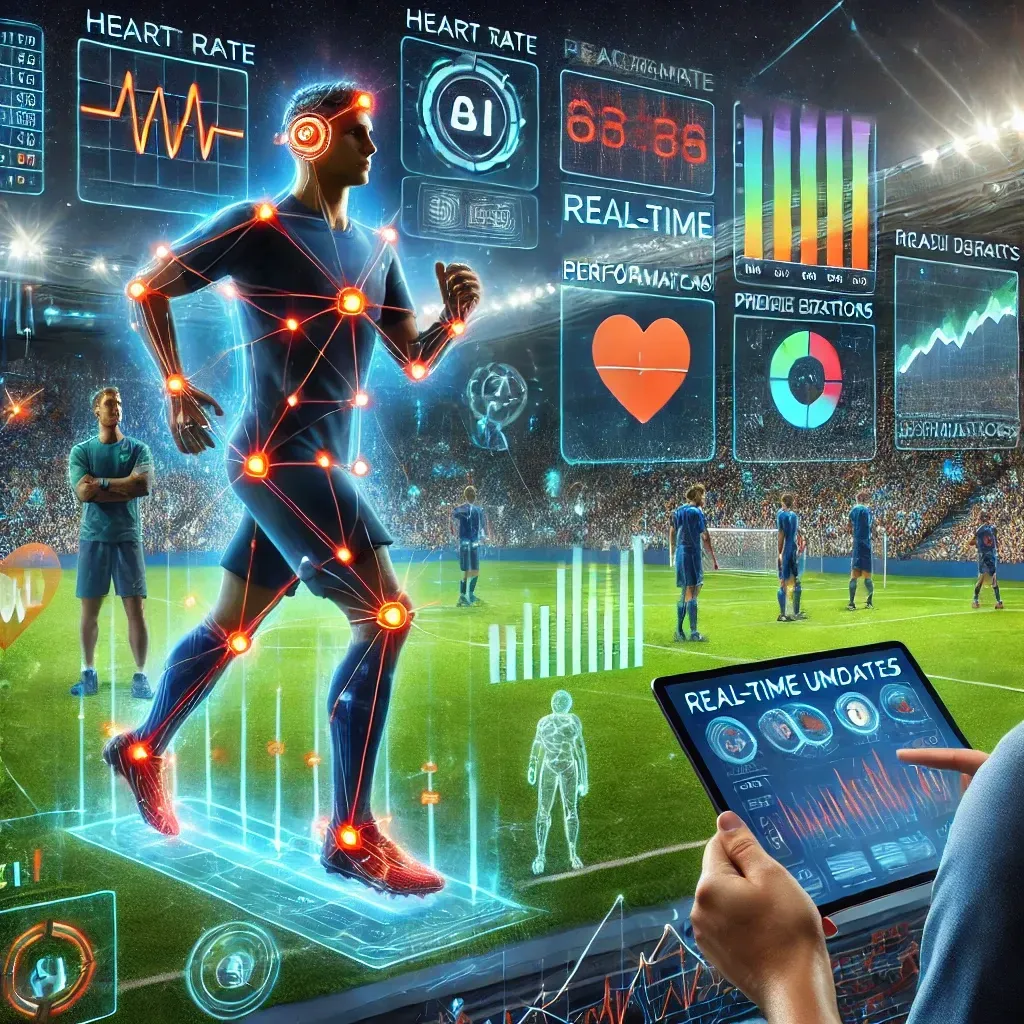
Wearable technology has fundamentally changed the way athletes train and monitor their physical performance. Devices such as heart rate monitors, GPS trackers, and fitness bands enable athletes to gather live metrics about their workout intensity, recovery times, and overall health. This data allows coaches to tailor training regimens to the specific needs of athletes, ensuring they are neither over nor under-trained. For example, GPS tracking in soccer not only records sprint distances but can also provide insights into players’ pacing during matches.
As a result, not only is the risk of injury minimized through better planning, but athletes’ overall performance sees a marked improvement. By leveraging wearable technology in sports, teams have gained a significant competitive edge, enabling athletes to optimize their potential and exceed previous benchmarks in performance metrics. Today, wearables have become a standard in many sports disciplines, indicative of the increasing reliance on technology in training environments.
2. Data Analytics: Shaping Winning Strategies
In today’s sporting landscape, data analytics plays a critical role in developing effective strategies for teams. Coaches and analysts rely on extensive metrics gathered from games, such as player statistics, in-game performance, and historical datasets, to make informed strategic decisions. By utilizing software tools that analyze this data, teams can dissect every aspect of their gameplay, identifying strengths and weaknesses both in their performance and that of their opponents.
Furthermore, predictive analytics has become integral, allowing teams to assess potential outcomes based on previous performances. This approach not only aids in game preparation but also enhances in-game decision-making. As sports technology evolves, adding layers of data interpretation, the application of these analytical insights will undoubtedly become more sophisticated, further reshaping how sports teams engage with strategy, training, and competition.
3. Reinventing Officiating with Instant Replay and VAR
Instant replay and Video Assistant Referee (VAR) technologies have revolutionized officiating in sports, fostering greater accuracy and fairness in game outcomes. By allowing referees to review contentious decisions with the aid of video footage, these technologies aim to minimize errors that could affect the results of games significantly. Additionally, fans benefit from understanding the rationale behind decisions, creating a more engaging and transparent viewer experience.
However, these advancements are not without their controversies. The introduction of VAR, for example, has been met with mixed reactions, as some fans argue it interrupts game flow and can lead to prolonged delays. Nonetheless, the benefits of improving the game’s integrity cannot be overlooked, positioning instant replay and VAR as essential tools in modern sports officiating.
4. Virtual Reality: Immersing Fans Like Never Before
Virtual reality (VR) technology has emerged as a groundbreaking innovation in sports entertainment, offering fans a unique, immersive experience that traditional media cannot replicate. With VR headsets, fans can feel as though they are part of the action, whether it’s experiencing a basketball game courtside or a football match from the sidelines. This level of engagement transforms passive viewing into an interactive experience, allowing fans to explore the nuances of the sport in real-time.
Moreover, VR is not solely limited to enhancing fan experiences; it has significant training applications for athletes as well. By using VR simulations, athletes can rehearse specific scenarios, refining their skills and decision-making without the physical toll of practice. This dual application of virtual reality showcases its potential not just as a spectator’s tool, but also as a critical training resource in sports technology.
5. Augmented Reality: Enhancing the Viewing Experience
Augmented reality (AR) is transforming broadcasts and enhancing viewer engagement by providing dynamic overlays of crucial game information. AR allows fans watching from home to see real-time statistics, player bios, and historical stats superimposed onto their screens during live games. This technology enriches the viewing experience and keeps audiences more connected to the action occurring on the field, offering a level of understanding that enhances fans’ enjoyment.
Additionally, AR is not only beneficial for enhancing television broadcasts but also at live sporting events. Fans attending games can use their mobile devices to access additional layers of entertainment, such as interactive maps, player tracking, and instant statistics. By marrying digital data with the physical experience of being at a game, AR decidedly amplifies how fans engage with sports both in-person and at home.
6. E-Sports: The Rise of Digital Competitions
The rise of e-sports has marked a significant shift in the landscape of sports entertainment, attracting millions of fans and players globally. Competitive video gaming has established itself as a legitimate form of sporting competition, with organized leagues, sponsorships, and significant audiences. This evolution from traditional sports to digital platforms showcases how technological advancements are reshaping how competitions are viewed and enjoyed, propelling e-sports into mainstream consciousness.
Moreover, live e-sports events often deliver a richer, interactive experience compared to traditional sports fare. They incorporate features such as fan chatrooms and live streams that allow deeper connection and engagement during competitions. The blending of entertainment and technology signifies a new phase in the sports industry, capturing the attention of younger demographics and suggesting that the future of sports may very well lie in the digital realm.
7. Future Technologies: Innovations on the Horizon
As technology continues to permeate various facets of sports, the future is poised for exciting innovations that could further enhance both player and fan experiences. Advancements in 5G networks promise faster data transmission, enabling real-time updates and analytics that could revolutionize how games are experienced by fans. For athletes, this means more sophisticated tracking devices capable of providing instant feedback on performance.
In addition to connectivity, emerging technologies such as artificial intelligence (AI) could further personalize sporting experiences. AI can analyze individual preferences and curate content accordingly, leading to an enhanced sports viewing experience for fans. These future innovations underscore the ongoing relationship between technology and sports, heralding a period characterized by greater engagement and enriched interactions for all stakeholders.
8. The Impact of Fan Experience Technology
Fan experience technology has redefined how audiences engage with sports, shifting the focus towards creating memorable and enjoyable experiences both in-stadium and online. Innovations such as mobile apps for ticketing, real-time updates, and interactive features enhance the overall experience for fans attending games. By streamlining services and providing information at their fingertips, technology ensures that fans remain engaged throughout the event.
Furthermore, the integration of loyalty programs through mobile applications encourages greater interaction and retention of fans. These programs often reward attendance with prizes, discounts, or exclusive content, fostering a sense of community among fans. Through these technologies, the sports industry is acknowledging the importance of the fan experience, evolving to meet the expectations of modern audiences.
9. Analytics and Athlete Well-being: A Crucial Connection
While data analytics has gained prominence in strategic gameplay, its role in maintaining athlete well-being is becoming increasingly crucial. By monitoring metrics such as fatigue levels and recovery times, teams can adjust training loads to prevent overexertion. This careful calibration helps to avoid injuries and ensures athletes maintain peak performance throughout the season.
Moreover, collecting data on athletes’ mental health and stress levels is gaining traction as part of holistic performance care. Recognizing that mental and physical health are interlinked enables teams to create comprehensive support systems for their athletes, integrating analytics into well-being initiatives. The commitment to enhancing both performance and health signifies a progressive shift within the sports community towards fostering a more sustainable athletic career.
10. The Integration of Technology and Tradition in Sports
The intersection of technology and traditional sports represents a fascinating dynamic, as new innovations face the challenge of gaining acceptance among purists. While many celebrate the benefits of enhanced performance and fan engagement offered by technologies, others express concerns about preserving the essence of sportsmanship and competitive spirit. Finding a balance between innovation and tradition is vital for the continued evolution of sports.
As technology progresses, the sports industry must navigate this delicate equilibrium by promoting advancements while respecting and honouring the traditions that define many sports. By doing so, the future of sports could witness a harmonious blend of both, wherein technology complements the age-old practices that fans cherish, creating a richer and more versatile sporting environment.
Frequently Asked Questions
How is wearable technology in sports enhancing athlete performance?
Wearable technology in sports, such as fitness trackers and smart jerseys, allows athletes to monitor crucial metrics in real-time. These devices help coaches analyze performance data like heart rate and distance traveled, enabling tailored training regimens that enhance athletic performance and reduce the risk of injuries.
What role does data analytics play in sports technology?
Data analytics in sports is pivotal for developing strategies and improving performance. By analyzing extensive data from player statistics and game footage, teams can uncover insights that refine tactics and predictive models that enhance the odds of success in competitions.
How does virtual reality in sports improve fan engagement?
Virtual reality in sports creates immersive experiences for fans, allowing them to feel as though they are part of the action. With VR headsets, spectators can enjoy games from unique perspectives, significantly elevating their overall viewing experience.
What impact does instant replay technology have on sports officiating?
Instant replay technology and systems like VAR have transformed officiating in sports by allowing referees to review decisions for accuracy. This advancement enhances the fairness of games and provides transparency to fans, though it occasionally disrupts the game’s flow.
How is augmented reality being used in sports broadcasts?
Augmented reality in sports broadcasts enriches the viewer experience by overlaying live data, player statistics, and in-game graphics on the screen. This innovation provides deeper insights into the game, making broadcasts more engaging for fans.
What are the benefits of e-sports as a form of sports technology?
E-sports represent a significant shift in sports entertainment, drawing millions of viewers globally. This sector offers interactive and engaging viewing experiences, along with opportunities for new sponsorships and fan interactions that traditional sports haven’t fully explored.
What future technologies are expected to revolutionize sports?
Future technologies like 5G are set to revolutionize sports by enabling real-time analytics and enriched viewer experiences. Additionally, advancements in artificial intelligence and smart stadiums will personalize fan interactions, creating a more integrated game day atmosphere.
How does data analytics contribute to injury prevention in sports?
Data analytics in sports helps identify patterns and risk factors that lead to injuries. By closely monitoring player metrics through wearable technology, coaching staff can design preventative training programs that safeguard athlete health and performance.
What advancements in fan experience technology are currently emerging?
Advancements in fan experience technology include smart stadiums equipped with mobile apps that enhance convenience, personalized content delivery, and engaging interactive features that keep fans connected and informed during games.
How is sports technology shaping the future of athletics?
Sports technology is fundamentally reshaping athlete training, competition strategies, and fan interactions. With continued innovations, the evolving landscape promises to deliver improved athletic performance and increasingly immersive viewer experiences.
| Key Point | Description |
|---|---|
| Performance Enhancement through Wearable Technology | Wearable devices allow for real-time monitoring of athlete metrics, aiding in performance optimization and injury prevention. |
| Data Analytics: The New Frontier | Data analytics transforms game strategies by providing insights from collected data on player performance and opponent tactics. |
| Instant Replay and VAR | These technologies allow referees to review decisions, improving officiating accuracy and game fairness. |
| Virtual Reality: Elevating the Fan Experience | VR allows fans to experience games in immersive environments, enhancing their overall viewing experience. |
| Augmented Reality: Enhancing Broadcasts | AR enriches broadcasts with overlaid statistics and data, improving viewer engagement during games. |
| E-Sports: The Digital Shift in Sports Entertainment | The rise of e-sports has created new revenue opportunities and fan engagement strategies, revolutionizing sports entertainment. |
| Future Innovations: What Lies Ahead | Emerging technologies like 5G and AI promise to enhance real-time data transmission and personalize fan experiences. |
Summary
Technology in sports is reshaping how athletes perform and how fans experience the game. With innovations in wearable technology, data analytics, instant replay systems, virtual and augmented reality, as well as the rise of e-sports, the landscape of sports is rapidly evolving. These advancements not only enhance performance but also engage fans in ways that were previously unimaginable. As we continue to embrace these technologies, the synergy between sports and innovation will undoubtedly shape the future of athletic performance and viewer interaction, creating a more immersive and exciting environment for all.