
Listen to this article
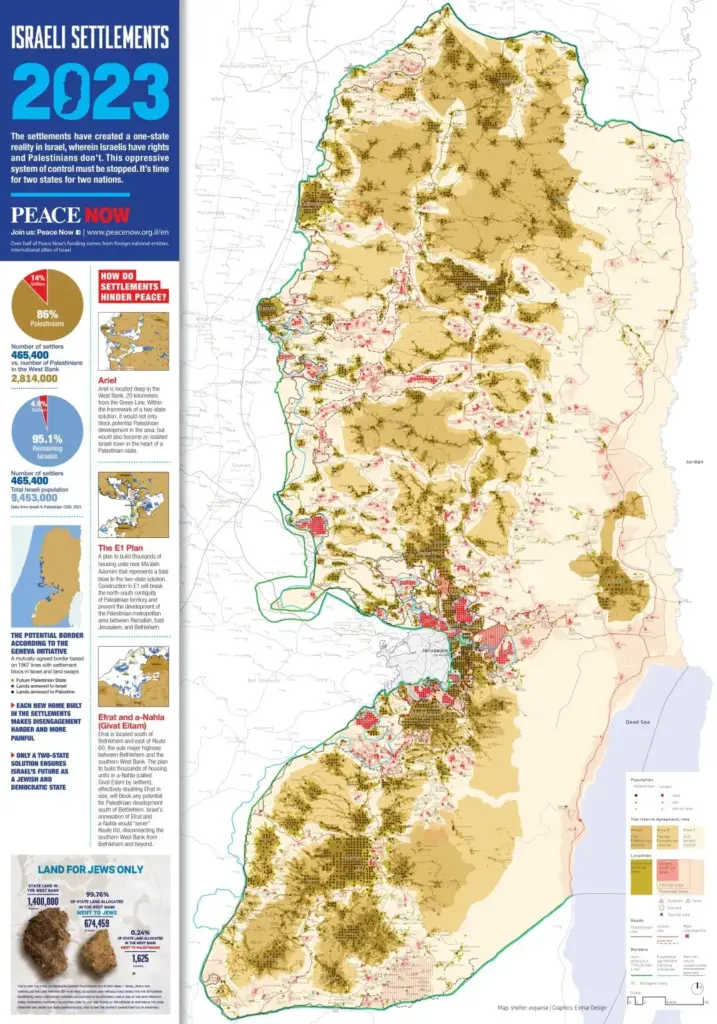
Israel’s settlement expansion has become a contentious issue, especially following the recent approval of 19 new settlements in the occupied West Bank by the Israeli security cabinet. The decision, championed by far-right figures including Finance Minister Bezalel Smotrich, indicates a strong drive to impede the possibility of establishing a Palestinian state. Critics argue that the legality of these West Bank settlements rests on shaky ground under international law, and they may exacerbate tensions between Israelis and Palestinians. Such actions from the Israeli government not only endanger the viability of a sovereign Palestinian state but also cast doubt on the prospect of a peaceful two-state solution. As violence in the region escalates, the implications of continued settlement expansion grow increasingly alarming, necessitating urgent reconsideration from global leaders.
The ongoing development of Israeli communities in contested territories can be viewed through various lenses, particularly within the context of regional stability and international law. The establishment of new housing projects in the West Bank, often referred to as settlements, challenges the foundational concepts of negotiations for peace, especially regarding a potential Palestinian state. This expansion, driven by the current Israeli administration, raises critical questions about the legitimacy and legality surrounding these constructions, as well as their compatibility with efforts aimed at achieving a two-state resolution. Observers warn that these aggressive territorial policies could complicate future dialogues about statehood and self-determination for Palestinians. Furthermore, the persistent rise in settler populations serves as a catalyst for increased hostilities, putting long-term peace at significant risk.
Israeli Settlement Expansion: Current Developments
The recent approval by Israel’s security cabinet to recognize 19 new settlements in the occupied West Bank signifies a troubling escalation in the Israeli settlement expansion agenda. This decision, championed by far-right officials such as Finance Minister Bezalel Smotrich and Defense Minister Israel Katz, aims to bolster Israel’s territorial claims while countering the establishment of a Palestinian state. The expansion of settlements, often viewed as illegal under international law, raises significant questions about the future of peace negotiations between Israel and the Palestinians.
The Israeli government’s intensified focus on settlement expansion highlights its commitment to a policy that many believe undermines the viability of a two-state solution. With the approval of additional settlements, the likelihood of establishing a coherent Palestinian state diminishes, as Israeli territories encroach upon land designated for Palestinian sovereignty. Critics, including international leaders and organizations, warn that continued settlement expansion not only impacts Palestinian rights but also fuels regional tensions, jeopardizing long-term peace efforts.
Legal and International Implications of Settlement Expansion
The legality of Israeli settlements in the occupied West Bank is a contentious issue in international law. Many countries and legal experts argue that these settlements violate the Fourth Geneva Convention, which prohibits an occupying power from transferring its civilian population into the territory it occupies. As the Israeli government aggressively expands settlements, it faces increasing condemnation from Arab nations and international organizations, which assert that such actions impede the potential for a peaceful resolution based on a two-state solution.
International reactions following the recent wave of settlement approvals have been swift, with entities like the United Nations expressing deep concern. Secretary-General Antonio Guterres emphasized that relentless settlement growth exacerbates existing tensions and threatens the establishment of an independent Palestinian state. This global critique reflects a broader apprehension that Israel’s settlement policies not only undermine peace talks but also risk escalating violence in the region, as both Palestinian and Israeli communities navigate the complexities of occupation and sovereignty.
Impact on Peace Negotiations and the Two-State Solution
The expansion of settlements in the West Bank poses a significant challenge to the two-state solution, a framework that envisions independent states for both Israelis and Palestinians. Each new settlement construction reinforces the notion that Israel is entrenching its presence in territories claimed by Palestinians, complicating the peace dialog that has been fraught with challenges for decades. The Israeli government’s recent actions, viewed as a direct affront to Palestinian sovereignty, raise significant doubts about the half-hearted attempts to collaborate toward a mutually acceptable resolution.
In light of the increasing settlement approvals, peace advocates worry that the long-held vision of a two-state solution may be slipping further away. As international recognition of Palestinian statehood grows, particularly with nations like the UK and Canada symbolically endorsing Palestine, the continued transformation of the West Bank into a settlement landscape poses a serious threat to those hopes. Experts argue that unless significant measures are taken to curtail settlement expansion, the prospects for meaningful negotiation diminish rapidly, leaving future generations to grapple with the consequences of stagnant diplomacy and entrenched division.
The Role of the International Community in Settlement Policies
The international community’s response to Israel’s settlement policies has been largely critical, emphasizing the need for accountability and adherence to international law. Countries and coalitions have continually condemned settlement expansion as a barrier to peace, urging the Israeli government to reconsider its trajectory. The ongoing discussions in international forums, including the United Nations, demonstrate a growing consensus that Israeli settlements jeopardize the foundation for a viable Palestinian state and the broader quest for stability in the Middle East.
Moreover, with the United States historically positioned as a key player in Middle Eastern diplomacy, its stance on Israeli settlements is pivotal. Previous admonitions by American leaders, such as warnings regarding annexation repercussions, highlight the delicate balance the U.S. aims to maintain between supporting Israel and advocating for Palestinian rights. As more nations acknowledge Palestinian statehood, the U.S. might find itself facing increased pressure to reassess its support for Israeli policies that complicate the path toward a sustainable peace agreement.
The Rising Tensions in the Occupied West Bank
The surge in violence within the occupied West Bank since the onset of the Gaza conflict in October 2023 has drawn attention to the consequences of intensified settlement expansion. With thousands of settlers increasingly encroaching upon Palestinian land, retaliatory tensions have escalated, leading to clashes and heightened security concerns. Local Israeli authorities often respond to unrest with measures that further restrict Palestinian movements, exacerbating the strife between the two populations.
Analysts warn that if the cycle of violence persists alongside unchecked settlement growth, the region could devolve into even greater instability. Each new settlement not only represents a physical encroachment on Palestinian land but also feeds a narrative of dispossession that can ignite profound resentment and resistance amongst Palestinian communities. It becomes essential, therefore, for leaders on both sides to seek a de-escalation of tensions, emphasizing dialogue and practical steps towards coexistence, rather than continued territorial expansion.
Historical Impact of Settlements on Palestinian Land Rights
Historically, the establishment of Israeli settlements in the West Bank has had profound implications for Palestinian land rights and sovereignty. From the early days of occupation since the 1967 Six-Day War, settlements have systematically altered the demographic landscape and limited Palestinian access to vital resources and land. The narrative of dispossession imposed by these settlements resonates deeply within Palestinian communities, serving as a disincentive for peaceful coexistence and dialogue.
Furthermore, the historical trend of increasing settlements correlates with escalated violence and unrest in the region. As settlements expand, so too do the apprehensions of Palestinians regarding their future statehood and rights. The intertwining histories of occupation, resistance, and settlement construction have forged a complex relationship that complicates the potential for a lasting resolution—a reality that continues to challenge both Israeli and Palestinian aspirations.
The Future of Israeli Settlements: Uncertain Prospects
Looking forward, the future trajectory of Israeli settlements in the West Bank remains uncertain amidst growing international scrutiny and local dissent. While the current Israeli government appears committed to settlement expansion, pressures from both domestic opposition and international advocates for Palestinian rights could influence future policy changes. The balancing act between satisfying nationalist agendas and responding to global calls for restraint shapes the landscape of settlement installations.
Additionally, the potential for political shifts within Israel could alter the current narrative surrounding settlements. If coalition dynamics change, there might be opportunities to revisit policies that prioritize dialogue over territorial claims. The international community’s role remains critical, as continued advocacy for peace can serve as a counterbalance to hardline policies, fostering hope for future negotiations and the renewal of commitment towards establishing a viable Palestinian state.
The Implications of Settlement Expansion on Regional Stability
Settlement expansion in the West Bank poses significant implications for regional stability, often igniting tensions not only between Israelis and Palestinians but also among neighboring Arab nations. As settlements grow, they can embolden hardline nationalistic sentiments within Israel, triggering backlash and protest movements across the Arab world. The diplomatic landscape becomes fraught with challenges, as countries grapple with their relationships with Israel while voicing support for Palestinian rights.
Strategically, the expansion of settlements complicates the security environment, as increased hostilities can spill over borders, further destabilizing neighboring nations. Regional leaders advocate for decisive actions to halt settlement growth, emphasizing the need for recognition and respect for Palestinian aspirations. The challenge lies in achieving a delicate balance; the promotion of regional peace and security remains intricately linked with the recognition of Palestinian rights and sovereignty in the face of relentless settlement expansion.
Grassroots Movements Against Settlement Expansion
Grassroots movements within both Israeli and Palestinian societies have emerged in response to the relentless expansion of settlements in the West Bank. Activists argue that the proliferation of Israeli settlements not only threatens the prospects of a Palestinian state but also undermines the democratic values that many Israelis hold dear. These movements often call for peaceful resistance, international solidarity, and greater awareness among the public to challenge the prevailing narratives that support ongoing expansion.
On the Palestinian side, community organizations mobilize efforts to safeguard their land rights and advocate for international intervention to halt settlement growth. These grassroots initiatives illustrate the resilience of affected communities and the need for collaborative efforts to promote peace. Activists from both sides underline the necessity of dialogue and mutual respect, aiming to create a shared future that recognizes the rights and aspirations of both Israelis and Palestinians, countering the divisive impacts of settlement policies.
Frequently Asked Questions
What is the significance of Israel’s settlement expansion in the West Bank?
Israel’s settlement expansion in the West Bank is significant as it represents a contentious issue related to the ongoing Israeli-Palestinian conflict. The Israeli government has approved numerous new settlements, which are considered illegal under international law. This expansion complicates the prospects for a two-state solution, which envisions a sovereign Palestinian state alongside Israel.
How does the Israeli government justify the expansion of settlements in the West Bank?
The Israeli government, particularly under far-right officials like Finance Minister Bezalel Smotrich, justifies the expansion of settlements by claiming it bolsters security and prevents the establishment of a Palestinian state. However, this rationale is met with widespread condemnation from international bodies and neighboring countries, which view it as a violation of legal norms.
What are the international implications of the new settlements in the occupied West Bank?
The international implications of the newly recognized settlements in the occupied West Bank are profound. Organizations like the UN have condemned these actions as detrimental to peace prospects, arguing that they undermine the viability of a future Palestinian state and exacerbate tensions within the region.
How does Israel’s settlement expansion affect the two-state solution?
Israel’s settlement expansion critically affects the two-state solution by encroaching on land that Palestinians envision for their future state. With about 700,000 settlers now in the West Bank and plans to create more housing, the feasibility of establishing a Palestinian state becomes increasingly challenging.
What role do West Bank settlements play in the Israeli-Palestinian conflict?
West Bank settlements play a central role in the Israeli-Palestinian conflict, acting as a major point of contention. The expansion of these settlements escalates tensions, fuels violence, and stands as a barrier to achieving peace negotiations aimed at establishing a Palestinian state alongside Israel.
What has been the response of Arab nations to Israel’s settlement expansion?
Arab nations have largely condemned Israel’s settlement expansion in the West Bank, viewing it as a violation of international law and a threat to the peace process. This response reflects a broader concern that such actions undermine the possibility of a viable two-state solution and provoke further conflict.
What is the legality of Israeli settlements in the context of international law?
Israeli settlements in the occupied West Bank are largely considered illegal under international law, according to many global organizations, including the UN. This perspective is rooted in the Fourth Geneva Convention, which prohibits the transfer of an occupying power’s civilian population into the territory it occupies.
What trends have been observed in Israel’s settlement approvals recently?
Recent trends indicate a significant increase in Israel’s approval of settlements, with the latest government recognizing 19 new settlements, totaling 69 approvals in just three years. This reflects a dramatic shift towards aggressive settlement policies, raising concerns over the future of the peace process.
How do settlement expansions influence Palestinian access to land?
Settlement expansions severely restrict Palestinian access to land, making it increasingly difficult for Palestinians to cultivate their agricultural land or access land necessary for a future state. This restriction fuels resentment and escalates tensions in an already volatile region.
What are the prospects for a Palestinian state in light of the recent settlement expansions by Israel?
The prospects for a Palestinian state are increasingly bleak in light of recent Israeli settlement expansions. These actions not only create on-the-ground obstacles but also diminish international support for a two-state solution, as settlements expand over land that is critical for a viable Palestinian state.
| Key Point | Details |
|---|---|
| Israel’s security cabinet approval | Recognition of 19 new settlements in the occupied West Bank. |
| Far-right government agenda | Led by Finance Minister Bezalel Smotrich, aimed at preventing a Palestinian state. |
| International law perspective | Settlements considered illegal under international law, eliciting condemnation from countries like Saudi Arabia. |
| Recent violence surge | Increase in violence in the West Bank since the Gaza conflict began in October 2023, raising concerns over the two-state solution. |
| Settlement approvals increase | Total of 69 settlements approved in the past three years, marking a significant rise in expansion initiatives. |
| Re-establishment of old settlements | Two previously dismantled settlements, Ganim and Kadim, are being re-established after 20 years. |
| Controversial E1 project | Plans to build over 3,000 homes in E1 area, reflecting the government’s intention to entrench occupation. |
| Palestinian aspirations | About 700,000 settlers live in 160 settlements, land crucial for a future Palestinian state. |
| International responses | Global condemnation, especially from Arab nations and strong warning from former US President Trump about annexation risks. |
Summary
Israel settlement expansion continues to escalate as its security cabinet has approved new settlements in the occupied West Bank, reflecting the government’s ongoing efforts to entrench its presence in the region. This initiative, led by far-right politicians, raises significant concerns about the future of Palestinian statehood and the longstanding two-state solution, amidst widespread international condemnation and increasing violence in the territories.

