
Listen to this article
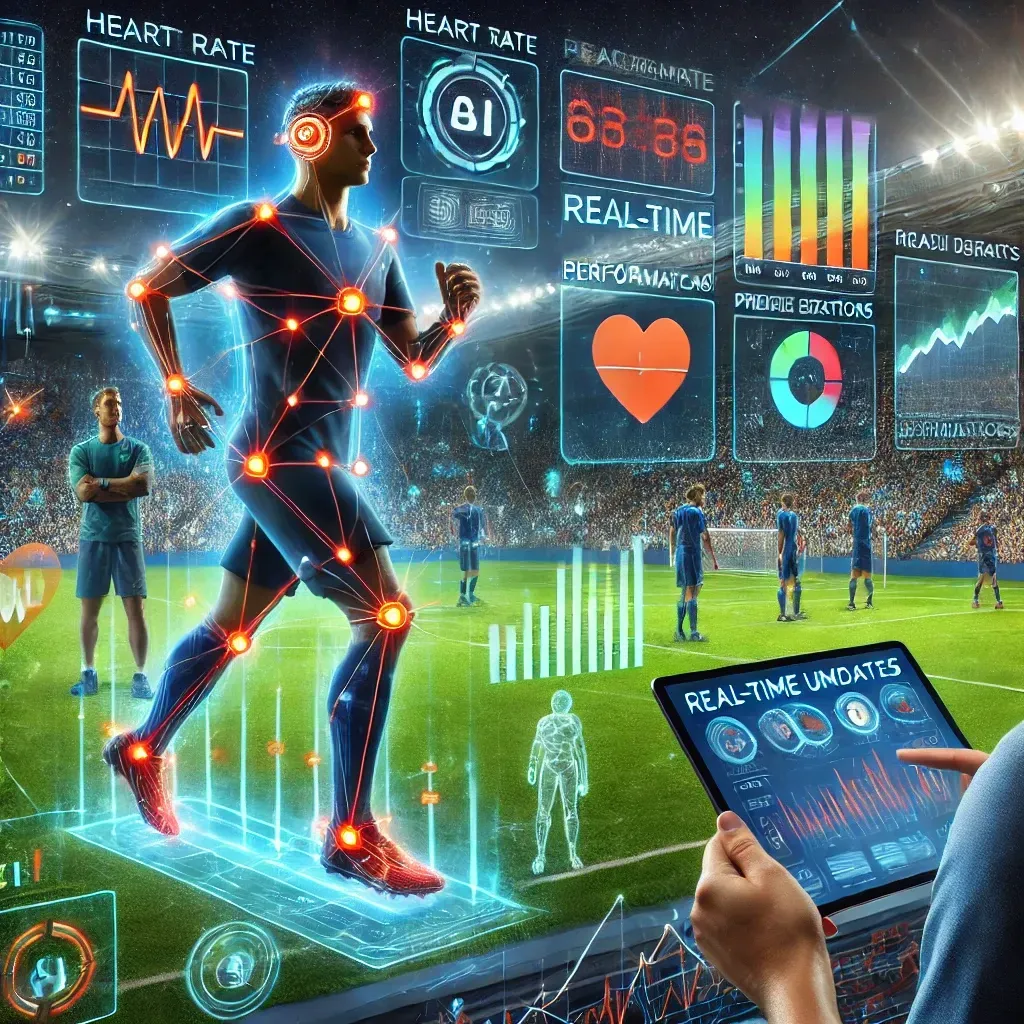
Technology in sports is reshaping the landscape of athletic competition, training, and fan interaction in ways we never imagined possible. As innovations like sports technology continue to emerge, they enhance not only the physical performance of athletes but also how fans engage with their favorite teams and events. The impact of technology on sports extends from sophisticated data analytics that help strategize game plans to wearable tech in sports that monitors athletes’ health and performance metrics in real-time. Furthermore, technology training techniques are increasingly used by coaches to maximize potential and minimize injuries, ensuring athletes are at their best during competitions. With the rise of fan engagement technology, spectators are now more connected than ever, sharing experiences and insights that are reshaping the way we view and enjoy sports.
The intersection of innovation and athletics illustrates a remarkable transformation within the world of competitive sports, often referred to as the integration of digital advancements. As performance metrics are quantified through the latest inventions, athletes benefit from tailored approaches to training, rooted in data and analysis. These modern methods are supplemented by immersive experiences that enhance the spectator’s journey, engaging fans and creating lasting connections with the gameplay. Alongside this are emerging platforms that foster real-time communication between players and audiences, redefining how sporting events unfold. Ultimately, embracing this digital revolution promises to propel the future of sports into uncharted territories, enhancing both athletic performance and fan experiences.
The Evolution of Sports Technology
The landscape of sports technology has undergone a significant transformation over recent years, driven by innovative tools and methodologies aimed at enhancing athletic performance and fan experience. The introduction of high-speed cameras and data analytics platforms has revolutionized the way performance metrics are gathered and analyzed. Coaches can now leverage this data to gain insights into their athletes’ capabilities, allowing for tailored training programs that optimize results and maintain peak physical condition.
Moreover, the rise of wearable technology, which includes devices such as smartwatches and fitness trackers, has created a new paradigm in which athletes can monitor their health metrics continuously. This technology not only aids in performance improvement but also plays a critical role in injury prevention and recovery management. As sports technology continues to evolve, it is essential for teams and athletes to stay updated with the latest innovations to remain competitive.
Frequently Asked Questions
What role does technology play in improving athlete performance in sports?
Technology in sports significantly enhances athlete performance by utilizing data analytics tools and wearable tech. These innovations provide real-time metrics on heart rates, motion analysis, and biomechanical data, enabling tailored training programs that optimize performance and reduce injury risks.
How has wearable tech in sports changed training techniques?
Wearable tech in sports, such as GPS trackers and heart rate monitors, has revolutionized training techniques by allowing athletes and coaches to collect and analyze detailed performance data. This data-driven approach facilitates personalized training regimens, improving overall performance and helping prevent injuries.
What is the impact of augmented reality (AR) on sports training?
Augmented reality (AR) in sports training offers interactive visualization of techniques and plays, providing athletes with immediate feedback. This technology enhances decision-making skills and strategic understanding, making practice sessions more effective and engaging.
How do new technologies enhance fan engagement in sports?
Technology is reshaping fan engagement through smart stadiums, mobile applications, and social media platforms. These innovations allow fans to access real-time stats, player information, and engage in live interactions, creating a more immersive and interactive experience.
What trends in sports technology can we expect in the future?
Future trends in technology in sports include increased use of AI for analytics, advanced wearable tech, and virtual reality applications for training. Additionally, we may see more integration of blockchain for ticketing and fan engagement, enhancing security and accessibility.
How do data analytics impact coaching strategies in sports?
Data analytics in sports provide coaches with in-depth performance insights, enabling them to adjust training strategies based on athlete data. This impacts coaching by allowing for more informed decisions regarding tactics, recovery time, and injury prevention.
What are some examples of how e-sports integrate technology into competitive gaming?
E-sports utilize advanced technology in gaming hardware and software, creating immersive experiences. Competitive gaming involves strategic gameplay, real-time decision-making, and community engagement, all facilitated by streaming technology and enhanced gaming environments.
What challenges does technology in sports present for athletes?
Challenges include the potential for over-reliance on technology, which can detract from fundamental skills, and issues related to data privacy and security with personal information collected from wearable devices. Athletes must navigate these concerns to maintain integrity and performance.
How does fan engagement technology improve the live sports experience?
Fan engagement technology, such as mobile apps and high-speed internet in stadiums, enhances the live sports experience by providing fans with real-time information, interactive content, and social media integration, thus deepening their connection to the event and athletes.
Why is the impact of technology on sports training significant?
The impact of technology on sports training is significant because it transforms traditional approaches, allowing for precise monitoring and analysis of athlete performance. This leads to improved training efficiency, customization of workouts, and enhanced outcomes for athletes.
| Aspect | Description |
|---|---|
| Advances in Training Techniques | Use of video analysis, wearable devices, and data analytics to enhance athlete training and performance. |
| Enhanced Performance through Technology | Improvements in biomechanics, sports equipment, and materials that optimize athletic performance and efficiency. |
| Augmented Reality and Virtual Reality in Training | Utilization of AR and VR for immersive training experiences and enhanced tactical awareness without physical wear and tear. |
| Fan Engagement and Experience | Technologies that create interactive fan experiences through smart stadiums, social media, and digital platforms. |
| E-sports: A New Frontier | The rise of competitive gaming showcasing the intersection of technology and traditional sports dynamics. |
| Challenges and Considerations | Issues regarding technology accessibility, data privacy, and over-reliance affecting athlete performance and fairness. |
Summary
Technology in sports is revolutionizing how athletes train, compete, and interact with fans. From enhanced training techniques utilizing data analytics, wearable devices, and AR/VR platforms to increased fan engagement through smart technologies, the impact of technological advancements is profound. These innovations not only improve athlete performance but also transform the overall sports experience. Furthermore, E-sports underscores the merging of traditional and digital sports, expanding the industry’s reach. However, challenges such as data privacy and an over-reliance on technology remain critical considerations. In summary, as technology continues to evolve, its integration in sports will undoubtedly create more dynamic and engaging experiences for athletes and fans alike.

