Listen to this article
Technology in sports has emerged as a pivotal element that enhances the performance and experience of athletes and fans alike. With advancements ranging from wearable technology, which monitors and improves athlete performance, to sports analytics that inform strategic decisions, the influence of technology is undeniable. Virtual reality sports training is changing the way athletes prepare, while innovative approaches to fan engagement are making spectators feel closer to the action than ever before. Additionally, the rise of e-sports showcases how technology continues to redefine competition in the modern era. As technology interweaves itself into every aspect of sports, its benefits are increasingly apparent, promising a future full of potential for all stakeholders in the industry.
The integration of digital innovations within athletics is revolutionizing how competitions are conducted and experienced. Cutting-edge developments in tracking devices facilitate athlete performance monitoring, while sophisticated data analysis reshapes team strategies and decisions. Immersive environments are created through virtual reality, providing athletes with unique training experiences and fans with interactive entertainment. Furthermore, the expansion of electronic gaming competitions highlights a transformation in traditional sports dynamics, attracting diverse audiences globally. As the interface between sports and technology continues to evolve, it fosters enhanced engagement and a richer understanding of athletic performance.
The Impact of Wearable Technology on Athlete Health
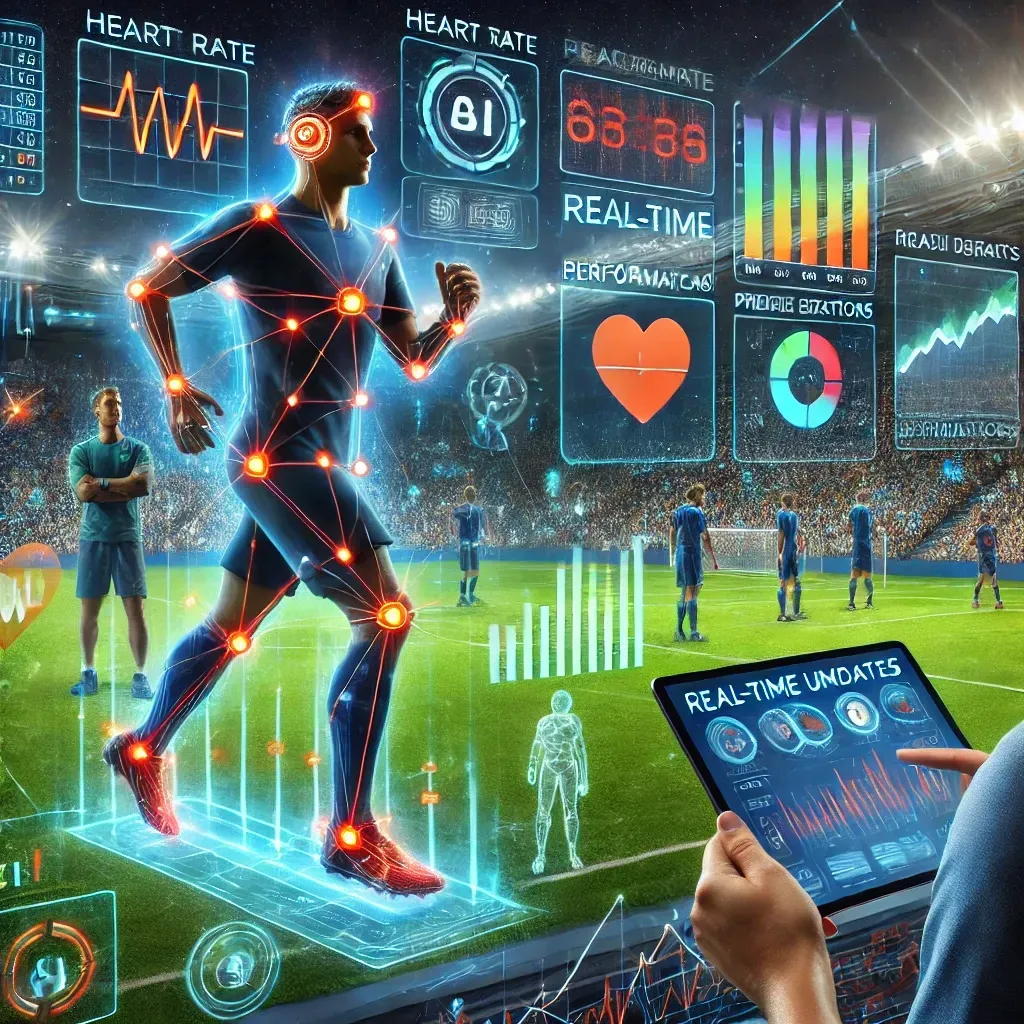
Wearable technology has significantly changed the landscape of how athlete health is monitored and managed. Devices such as smartwatches and fitness trackers provide real-time data on heart rates, sleep patterns, and activity levels, offering coaches and athletes vital insights into physical health. This information can lead to better training decisions, helping to promote athlete wellness. For instance, if data collected indicates a drop in an athlete’s recovery rate or an increase in fatigue, coaches can adjust training loads and provide adequate rest to prevent injuries.
Beyond just performance metrics, wearable technology also plays a role in injury prevention. By continuously monitoring the biomechanics of athletes during training and gameplay, wearables can identify movements that may predispose individuals to injury. For example, sensors may alert coaches if a football player’s mechanics are off, indicating they might be at risk for sprains or strains. Overall, integrating wearable technology into sports programs allows for a proactive approach to athlete health management, paving the way for enhanced performance and longevity in their careers.
Harnessing Data Analytics for Competitive Advantage
Data analytics has become a powerful tool in the world of sports, enabling teams to extract actionable insights from vast amounts of performance data. By implementing sophisticated analytical models, teams can dissect player performance metrics, match statistics, and opponent tendencies in detail. This level of analysis allows coaches to make informed decisions regarding player lineups, tactical adjustments, and game strategy, ultimately providing a competitive edge in high-stakes situations.
Furthermore, organizations are increasingly employing data visualization tools that present this information in comprehensible formats. These tools help coaches and analysts interpret complex data swiftly, making it easier to engage players in discussions about performance. For instance, visual tools showcase shooting efficiency or defensive ratings, fostering a dialogue around areas for improvement. Thus, data analytics not only enhances strategic development but also invites athletes to take ownership of their performance outcomes, fostering a culture of accountability and continuous improvement.
Virtual Reality Technology in Athlete Training
Virtual reality (VR) has emerged as a groundbreaking training resource in sports, allowing athletes to engage in realistic simulations that enhance their skill sets without the physical risk associated with traditional practices. This technology provides an immersive environment for athletes to experience game scenarios and refine their decision-making skills. For example, basketball players can practice shooting and passing in simulated game conditions, helping them to visualize plays and how to react under pressure.
In addition to skill enhancement, VR also aids in mental preparation, allowing athletes to mentally rehearse scenarios before game day. This not only builds confidence but also reduces anxiety during actual games. The capabilities of VR extend into rehabilitation, where athletes recovering from injuries can gradually engage in simulated environments that focus on movement patterns, all from the safety of a controlled setting. Consequently, VR is redefining how athletes prepare, ultimately enhancing performance through innovative training techniques.
Enhancing Fan Engagement through Technology
Technological advancements have played a pivotal role in transforming fan engagement within sports. Tools such as augmented reality (AR) apps and mobile platforms now allow fans to interact with games in real-time, providing a deeper understanding of the action as it unfolds on the field. For instance, fans can use their smartphones to access AR content that overlays additional statistics or player information during live games, enriching their viewing experience and fostering a stronger connection to the game.
Social media platforms also contribute significantly to fan engagement, as athletes and teams utilize these channels to communicate directly with their supporters. Personalized content, such as behind-the-scenes videos or live Q&A sessions, enables fans to feel closer to their favorite players. This connection boosts loyalty and creates a community among fans, which can lead to increased merchandise sales and attendance at games. As technology evolves, engaging fans in innovative ways will remain a top priority for sports organizations aiming to connect meaningfully with their audiences.
Exploring the Rise of E-Sports Competition
The growth of e-sports represents a paradigm shift in the competitive landscape, where technology harnesses the proliferation of digital gaming into a multi-billion dollar industry. E-sports has created a new platform for competition that marries traditional sports elements and digital interactivity, including sponsorship, professional teams, and fan engagement events. Competitive games like League of Legends and Fortnite have their own fan followings akin to that of traditional sports leagues, highlighting a significant cultural shift.
This digital transformation has not only allowed for increased participation but also has opened new revenue streams through broadcasting rights and merchandise sales. Furthermore, the skills and strategies that players develop in e-sports mirror traditional sports training, often utilizing similar analytic approaches to improve gameplay. As the line between e-sports and traditional sports continues to blur, the potential for cross-pollination of audiences becomes increasingly valuable, signifying a future where both spheres coexist and thrive.
Technological Innovation in Spectator Experience
The spectator experience at live sporting events has been dramatically enhanced by technology, leading to increased satisfaction and engagement. Mobile applications designed for fans offer features like live stats, interactive maps, and food-ordering systems that improve convenience during events. By providing real-time updates and facilitating a more seamless experience, technology helps spectators maintain a high level of engagement, both inside and outside of the stadium.
Additionally, advancements in broadcast technology have transformed how games are viewed at home. High-definition resolutions, enhanced audio experiences, and multi-angle replays provide fans with immersive viewing experiences. Sports networks are also leveraging augmented reality to present statistics and graphics alongside live broadcasts, making the viewing experience more informative and engaging. This evolution in the spectator experience results in a deeper connection with the sport, attracting a wider audience and maintaining interest in live events.
The Future of Sports Technology: Trends and Innovations
The future of technology in sports is poised for remarkable advancements that will further redefine athletic training and competition. Innovations in artificial intelligence (AI) and machine learning are set to enhance the capabilities of data analytics, enabling teams to conduct deep dives into player performances and injury predictions. For example, AI can analyze patterns in vast datasets, offering insights on player fatigue or optimal training loads, effectively guiding coaching strategies.
Additionally, emerging technologies such as drone imaging and enhanced sensor systems will facilitate real-time tracking of player movements and performance metrics during games. This data will empower coaches to make real-time decisions and foster a more tactical approach to gameplay. As technology continues to evolve, the sports industry will embrace these innovations, resulting in smarter, safer, and more engaging experiences for both athletes and fans.
The Role of Mobile Technology in Sports
Mobile technology plays an increasingly prominent role in the sports industry, acting as a bridge between athletes, teams, and fans. With the proliferation of smartphones and apps, teams can provide fans with instant access to scores, news, and behind-the-scenes content. This immediacy not only keeps fans informed but also cultivates loyalty and excitement around their favorite teams and athletes.
Moreover, mobile technology facilitates real-time interaction during games, enabling fans to engage in discussions through social media platforms and receive updates directly from players. This active engagement enhances the overall fan experience, allowing for a dynamic connection with the sport. As mobile technology evolves, its influence on sports—particularly in areas like fan interaction, ticket purchasing, and real-time data sharing—will undoubtedly continue to grow.
Integrating Athlete Performance Monitoring for Improvement
Integrating athlete performance monitoring systems into training regimens has become essential in optimizing athletic output. These monitoring systems leverage various data collection technologies to track and analyze performance metrics, enabling coaches to understand an athlete’s strengths and weaknesses comprehensively. Athletes can receive immediate feedback that informs their training, motivating them to improve continuously.
An example of this integration includes GPS devices that measure distance covered and speed during practice, which coaches can analyze to adjust training plans accordingly. This tailored approach not only maximizes training efficiency but also minimizes the risk of overtraining, promoting a healthier athletic career. As technology advances, the use of performance monitoring will only become more precise, offering athletes and coaches the tools needed to reach new heights.
Frequently Asked Questions
How is wearable technology used in sports performance monitoring?
Wearable technology in sports includes devices such as smartwatches and fitness trackers that monitor athletes’ performance metrics. These devices track heart rate, distance, speed, and muscle exertion, providing valuable data to customize training programs, enhance performance, and minimize injury risks.
What role does sports analytics play in team strategy development?
Sports analytics utilizes extensive data sets to assess player performance and improve team strategies. By analyzing historical data, teams can identify strengths and weaknesses, predict outcomes, and optimize in-game tactics, ultimately enhancing their chances of winning.
How can virtual reality sports training benefit athletes?
Virtual reality sports training allows athletes to practice in simulated environments, improving skills without physical risks. This technology helps athletes visualize game scenarios and enhance decision-making abilities under pressure by experiencing various defensive formations.
What are some examples of fan engagement technologies in sports?
Technologies enhancing fan engagement in sports include virtual reality for immersive game experiences, mobile apps providing real-time statistics, and interactive social media platforms where fans can connect directly with athletes and teams.
How has e-sports changed the competitive sports landscape?
E-sports has emerged as a major force in the sports industry, creating a billion-dollar competitive environment that engages millions globally. It has redefined competition by attracting audiences with digital interaction, sponsorships, and professional tournaments.
What innovations are enhancing the spectator experience at live sports events?
Innovations such as mobile apps for real-time stats, instant replays, and augmented reality features have transformed the spectator experience. These technologies allow fans to engage during live events, improving overall enjoyment and convenience.
How is social media impacting athlete and team branding?
Social media platforms revolutionize how athletes and teams build their brands. Through direct engagement with fans, athletes can share personal insights, training regimens, and promote events, fostering community loyalty and offering brands new marketing opportunities.
What future advancements in technology are expected to influence sports?
Future advancements like artificial intelligence, machine learning, and drone technology are set to further impact sports. AI can analyze game footage swiftly, providing insights on player efficiency and strategy, thus transforming training and coaching methods.
In what ways does technology improve athlete training methods?
Technology improves athlete training methods through personalized data from wearable devices, which inform individual training needs. This data-driven approach allows for targeted exercises, reducing injury risks and optimizing performance gains.
How does the integration of technology in sports enhance safety for athletes?
The integration of technology in sports enhances athlete safety by utilizing wearables for real-time health monitoring and analytical tools to assess performance trends. This information helps coaches and medical staff to identify potential risks early and adjust training regimens accordingly.
| Key Areas of Technology in Sports | Description |
|---|---|
| Wearable Technology and Performance Monitoring | Devices like smartwatches and fitness trackers monitor athlete performance, tailoring training programs to maximize performance and reduce injury. |
| Data Analytics and Strategy Development | Teams use extensive datasets to evaluate performances and devise strategies, optimizing gameplay based on statistical analysis. |
| Virtual Reality (VR) for Training and Fan Engagement | VR technology aids in athlete training through simulated environments and enhances fan experiences with immersive interactions. |
| Social Media and Reach Enhancement | Social media platforms help athletes and organizations connect with fans, building brands and fostering community. |
| E-Sports and the Evolution of Competition | E-sports have emerged as a significant part of the sports industry, providing new forms of competition and entertainment. |
| Enhanced Spectator Experience | Technological innovations enhance the spectator experience with apps and broadcasting improvements for greater engagement. |
| The Future of Sports Technology | Future advancements like AI and machine learning promise to further analyze gameplay and enhance athletic performance. |
Summary
Technology in sports is transforming how athletes train, compete, and engage with their fans. From wearable devices that monitor performance to the use of data analytics that shape strategies, the integration of technology is improving all aspects of the sport. Virtual reality is enhancing training techniques while also providing unique experiences for fans. Social media has become a tool for athletes to build their personal brands and connect with audiences worldwide. Moreover, the rise of e-sports illustrates how competition is evolving, appealing to new demographics. As technology advances, the spectator experience is also enhanced through innovative applications and broadcasting techniques. Overall, the future of technology in sports looks promising, paving the way for safer and more engaging sporting practices.