Listen to this article
At the heart of Sydney, the Bondi Beach memorial became a poignant setting for mourners uniting in grief and remembrance of the victims of the tragic Bondi Beach attack. This somber occasion, which coincided with a national day of reflection, followed a brutal assault during a Hanukkah celebration where antisemitic violence claimed the lives of 15 individuals, including children and community leaders. Prime Minister Anthony Albanese, met with audible discontent from the gathered community, faced concerns over the rising tide of antisemitism and the need for decisive action against such threats. As attendees upheld their commitment to remembrance and solidarity, they illuminated the challenges inherent in fostering safety and unity within Australia. The Bondi Beach memorial serves not just as a tribute to the victims, but also as a call for vigilance and respect towards all communities in the fight against hate.
In the wake of a horrific incident that shocked the nation, the memorial service at Bondi Beach has become a significant gathering point for Australians reflecting on the recent violence that marred the Hanukkah festivities. This event highlights the broader issues surrounding safety and the increase of antisemitic attacks in Australia, prompting intense discussions about government accountability and community solidarity. Mourners have come together to honor those who lost their lives, while advocating for a more secure environment free from hatred. With a fervent desire for justice and healing, the event has spotlighted the necessity of confronting not only the immediate consequences of these events but also the underlying societal issues contributing to such tragedies. As Australia grapples with the implications of this attack, the memorial at Bondi Beach stands as a beacon of hope and a reminder of the importance of cultural respect and understanding.
Reflections on the Bondi Beach Memorial
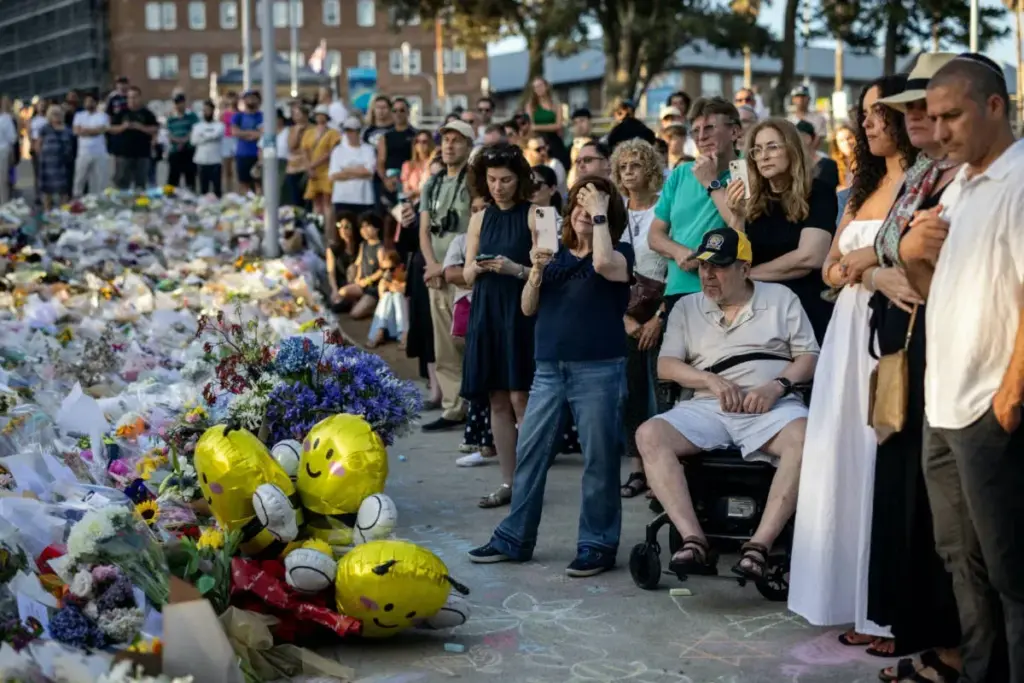
The Bondi Beach memorial served as a poignant reminder of the tragic events that unfolded during the Hanukkah celebration last week. As mourners gathered to honor the victims, many were united in sorrow and reflection, capturing the essence of a community coming together in the face of adversity. The atmosphere was heavy with emotion as names of the fallen were called out, each individual carrying a story of love and loss, particularly for the youngest victim, 10-year-old Matilda. The communal grief resonated with all present, reinforcing the power of collective memory in healing a fractured society.
During the memorial, high-profile leaders, including Prime Minister Anthony Albanese, faced significant backlash from the grieving community. The chant of “blood on your hands” rang out as a symbol of discontentment towards governmental inadequacies in addressing rising antisemitism in Australia. Such reactions reflect not only personal grievances but a wider sentiment among the Jewish community that governmental action is essential in preventing further tragedies. The solemnity of the day, laden with symbolism and significance, demonstrated how memorials can catalyze conversations about responsibility and change.
The Importance of Antisemitism Awareness in Australia
Recent antisemitic incidents have highlighted a troubling trend in Australia that cannot be ignored. The Bondi Beach attack has brought to the forefront the necessity of addressing hatred and intolerance in society. Prime Minister Albanese’s acknowledgment of the rise in antisemitic attacks since the conflict in the Middle East began illustrates a critical factor affecting Jewish communities across Australia. Such violence is not just an isolated incident, but rather a symptom of a larger, systemic issue that requires comprehensive solutions beyond candlelight vigils and public speeches.
Furthermore, experts and community leaders are calling for thorough investigations, including a proposed Royal Commission, to explore the causes and prevention strategies for antisemitic violence. During the memorial service, discussions emphasized the importance of education and awareness as fundamental components of combating hate. As David Ossip from the New South Wales Jewish Board of Deputies noted, confronting the deep-seated antisemitic attitudes within Australia is imperative for the safety of all marginalized communities. This incident provides an urgent impetus for societal introspection and reform.
Prime Minister Albanese’s Initiatives Post-Attack
In the aftermath of the Bondi Beach attack, Prime Minister Albanese announced several initiatives aimed at preventing hate speech and acts of violence. Recognizing the growing concern over antisemitism, these measures signal a commitment to tackle the roots of prejudice and to protect Jewish citizens in Australia. The proposed reforms to gun laws and the large-scale buyback scheme are intended to enhance security measures, reflecting a proactive approach in response to the tragic events that have shaken the nation.
However, the effectiveness of these measures will ultimately depend on public faith in the government’s dedication to addressing the concerns of the Jewish community. Albanese’s arrival at the memorial, met with boos, indicates a significant disconnect between governmental promises and community sentiments. As Australia navigates these complex issues, it will be vital for leaders to engage with affected communities genuinely, fostering collaboration to ensure safety and justice for all.
Community Resilience Amidst Grief
In the wake of such violence, the resilience of the local community becomes a beacon of hope and solidarity. The gathering at Bondi Beach, adorned with kippahs and Australian flags, exemplifies a strong collective identity standing in defiance of hatred. Mourners not only commemorated the victims but also reinforced their commitment to fostering a community founded on love, solidarity, and respect for diversity. The act of lighting candles in windows across the nation became a powerful symbol of “light over darkness,” inspiring hope among those affected by the tragedy.
Furthermore, the poignant stories shared during the memorial service resonated deeply, highlighting acts of bravery and humanity amidst chaos. Chaya, a young survivor, took to the stage despite her injuries, serving as a powerful reminder that even in the darkest moments, there are those willing to fight for others’ safety and wellbeing. This incident has galvanized community leaders and citizens alike to confront antisemitism head-on, creating a unified stance against hate. The mourning process, therefore, transforms into a movement towards awareness, healing, and social change.
Historic Significance of the Hanukkah Celebration
The Bondi Beach attack struck at the heart of one of Judaism’s most celebrated festivals, Hanukkah, a holiday symbolizing resilience and the triumph of light over darkness. By targeting a Jewish community event, the attackers aimed not only to inflict physical harm but to silence a rich cultural heritage. The collective grief felt after the attack is intertwined with the historical resilience of the Jewish people, who throughout time have faced persecution yet continue to celebrate their identity and faith with pride.
Memorial gatherings like the one at Bondi Beach not only honor victims but also reaffirm the ongoing significance of traditions such as the lighting of the menorah. The absence of this ritual during last week’s festival was deeply felt; however, the memorial’s menorah lighting served as a powerful reclamation of that moment, promoting healing and unity among the Jewish community and their allies. This act of remembrance underscores an important lesson: even amid tragedy, the spirit of celebration and remembrance can thrive, fostering hope and resilience.
Government Accountability in Crisis Response
The recent Bondi Beach memorial has put a spotlight on the crucial role of governance in ensuring community safety in times of crisis. The outcry from attendees reflects a broader societal demand for accountability from leaders like Prime Minister Albanese, especially following the events surrounding the Bondi Beach attack and the rise in antisemitic incidents. The call for thorough investigations and accountability measures is essential not just for the Jewish community but for the entirety of Australia to foster trust and security amongst all citizens.
Acknowledging governmental failures can catalyze necessary changes. Chris Minns, the Premier of New South Wales, received commendations for his forthrightness in recognizing government shortcomings leading up to the attack. This acceptance of responsibility not only promotes transparency but also encourages other leaders to adopt a similar stance. The incident has prompted calls for more robust policies and frameworks to combat hate and prevent further incidents. Accountability serves as a foundation for rebuilding shattered trust and ensuring that all communities feel safe and protected.
Messages of Unity and Resistance
The Bondi Beach memorial highlighted unyielding messages of unity and resistance amidst the backdrop of tragedy. As individuals gathered to mourn, they also celebrated the community’s strength—a vital aspect in combating the fear and division wrought by such attacks. The diverse mix of participants wearing religious symbols and national colors underscored the solidarity among differing backgrounds, emphasizing that the plight of one community impacts many others. In addressing hatred, the combined presence of various voices is essential in crafting a narrative that promotes tolerance and understanding.
At the heart of the memorial was a call to action, echoing the sentiments of the survivor Chaya who encouraged attendees to ‘be the light in that field of darkness.’ Such inspiring messages motivate individuals to resist hate, advocate for peace, and support one another in times of distress. This gathering was not only a mourning space but also a celebration of resilience and hope, a commitment to uphold the values of compassion and understanding in a landscape often fraught with challenges.
Calls for Legislative Changes to Combat Hate Crimes
In the aftermath of the Bondi Beach attack, there is a palpable urgency among community leaders and policymakers to push for legislative changes that address hate crimes more robustly. As speakers during the memorial emphasized, the connection between the rise of antisemitism and the failure to enact meaningful protective measures is glaring. The need for a legislative response that encompasses stricter laws against hate speech and violence has become a rallying point for advocates focused on creating a safer space for marginalized communities.
The tragic events of last week should serve as a catalyst for serious dialogue among lawmakers. Prime Minister Albanese’s proposals to reform laws surrounding hate crimes could lay down a much-needed foundation for combating intolerance. Furthermore, public support for these initiatives will be crucial in ensuring that tangible changes are made. Legislative action, paired with community engagement and awareness campaigns, presents an opportunity to confront the roots of hate and foster an environment of acceptance and respect across Australia.
Frequently Asked Questions
What was the purpose of the Bondi Beach memorial event?
The Bondi Beach memorial served to honor the victims of the tragic Bondi Beach attack, which occurred during a Hanukkah celebration, where gunmen targeted the Jewish community. The event was designed to offer a national day of reflection, showing solidarity and mourning for the 15 victims, including a young girl and a Holocaust survivor.
How did Australia’s Prime Minister respond at the Bondi Beach memorial?
Prime Minister Anthony Albanese faced significant backlash during the Bondi Beach memorial, being met with boos as he arrived. His presence highlighted the anger within Australia’s Jewish community regarding the government’s response to a rise in antisemitic incidents, particularly following the Bondi Beach attack.
What security measures were in place during the Bondi Beach memorial?
The Bondi Beach memorial was heavily guarded, featuring armed riot squad officers and a police patrol boat offshore. This level of security was unprecedented for many attendees, reflecting the serious nature of the memorial following the tragic antisemitic attack.
What significant actions did Prime Minister Albanese announce following the Bondi Beach attack?
In response to the Bondi Beach attack, Prime Minister Albanese announced measures to combat hate speech and incitement to violence. He also initiated a review of police and intelligence agency practices, and he proposed reforms to Australia’s gun laws alongside the largest gun buyback scheme since 1996.
What sentiments did the Jewish community express after the Bondi Beach attack?
The Jewish community expressed profound grief and anger following the Bondi Beach attack, emphasizing that while the incident was shocking, it was not surprising given the recent rise in antisemitic incidents. Community leaders called for immediate government action to address these increasing threats.
How was the community’s response to the Bondi Beach attack reflected during the memorial?
At the Bondi Beach memorial, the community expressed their grief and solidarity through various actions, including a minute’s silence, speeches, and the lighting of a menorah. Attendees emphasized themes of hope and resilience, particularly through speeches from survivors and community leaders, commemorating the lives lost.
What does the Bondi Beach attack signify about antisemitism in Australia?
The Bondi Beach attack has highlighted a concerning rise in antisemitism in Australia, particularly after the events on October 7, 2023. Many leaders in the Jewish community have called for urgent action to confront and address this growing hatred, which they believe necessitates a thorough investigation and preventive measures.
What actions did local government leaders take at the Bondi Beach memorial?
At the Bondi Beach memorial, New South Wales Premier Chris Minns acknowledged government failures in ensuring safety before the attack. He expressed deep remorse for the incident and emphasized the government’s responsibility to protect its citizens, contrasting sharply with the reception Prime Minister Albanese received.
What message did victims’ families and survivors convey during the Bondi Beach memorial?
During the Bondi Beach memorial, messages of resilience and hope were conveyed, particularly by survivors like Chaya, who encouraged attendees to be a light in the darkness created by the attack. Additionally, remembrances of the young victims were honored, underscoring the deep emotional impact on families and the entire community.
What broader implications does the Bondi Beach memorial have for future antisemitic incidents in Australia?
The Bondi Beach memorial has sparked a national conversation about the increasing antisemitic incidents in Australia, with calls for a Royal Commission to investigate the underlying causes of such violence. The memorial serves as a crucial moment for the community to unite and advocate for better protection and support for Jewish Australians.
| Key Point | Details |
|---|---|
| Memorial for Victims | A national day of reflection held for the victims of the Bondi Beach attack, including a 10-year-old girl and a Holocaust survivor. |
| PM’s Reception | Prime Minister Anthony Albanese faced boos upon arrival, indicating community anger over rising antisemitism. |
| Quiet Tribute | A minute’s silence was observed at 18:47, marking one week since the attack, with heavy security present. |
| Community Response | Attendees gathered for speeches and honored victims with songs, floating balloons, and lighting of the menorah. |
| Government Accountability | Premier Chris Minns acknowledged government failures and the need for a Royal Commission to address antisemitism. |
| Gunman Charged | 24-year-old Naveed Akram charged with multiple offenses including murder following the attack. |
| Legislative Actions | Albanese announced reforms on hate speech, gun laws, and initiated a significant gun buyback scheme. |
Summary
The Bondi Beach memorial provided a solemn occasion for Australians to reflect on the tragic loss of lives due to the recent attack. The event not only honored the victims but also highlighted the rising antisemitism in Australia and the urgent need for government accountability and reform. As communities unite in grief and resolve for change, the memory of the Bondi Beach memorial will serve as a poignant reminder of the ongoing struggle against hate and the importance of collective action.