
Listen to this article
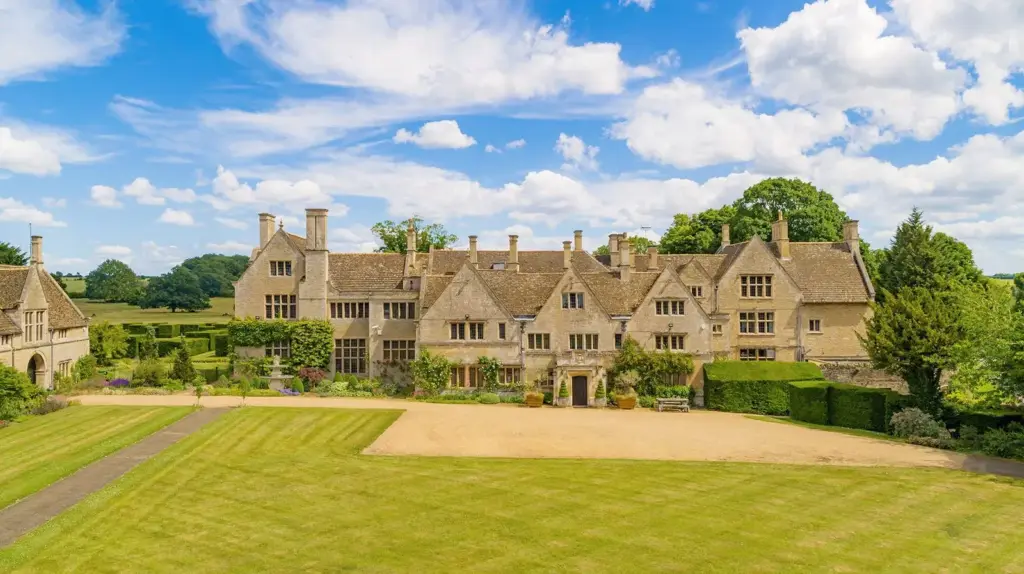
Barnwell Manor maintenance has become a notable concern for the Royal Family, particularly for Queen Elizabeth’s cousins, the Duke and Duchess of Gloucester. This historic estate, with its stunning 40-room layout, proved too costly to sustain, leading to their departure in 1995. Nestled in Northamptonshire, this 436-year-old royal residence not only represents immense heritage but also incurs significant upkeep expenses. Once a symbol of royal grandeur, Barnwell Manor has turned into a financial burden, demonstrating how even members of the Royal Family must manage the high costs associated with their estates. Following their Kensington Palace move, it was revealed that the Dukes’ income, along with financial assistance from the Crown, still fell short of meeting the remarkable Barnwell Manor cost.
The upkeep of Barnwell Manor has drawn attention to the financial realities faced by the Royal Family, especially among its extended members. The Duchess and Duke of Gloucester, who previously called this magnificent estate home, were compelled to reconsider their living arrangements due to overwhelming maintenance expenditures. This majestic property, revered for its historical significance and craftsmanship, posed mounting financial challenges, regardless of its royal lineage. Their decision to transition to a more manageable residence at Kensington Palace underscores the often unseen pressures of estate management among the aristocracy. The relocation marked a significant shift in lifestyle, revealing that even a storied history cannot shield against the burdens of estate maintenance.
The High Maintenance Costs of Barnwell Manor
Barnwell Manor, a historic and expansive estate, has proven to be a financial burden for the Duke and Duchess of Gloucester. With 40 rooms and 12 acres of manicured grounds, the ongoing maintenance and upkeep of this 436-year-old property demand substantial resources. The cost and extensive care required to preserve the Manor’s historical features and grandeur eventually led the royal couple to vacate their residence in 1995. No longer able to sustain the significant expenses linked to the estate, they had to reconsider their living arrangements.
In addition to routine maintenance, the Duke and Duchess faced rising costs associated with estate management, including staffing and repairs. Despite receiving financial support from the Civil List, amounting to £175,000 per year, this was insufficient to cover the Barnwell Manor cost, especially in light of the agricultural difficulties impacting their farming income. Ultimately, the financial landscape forced the royal couple to seek more manageable living circumstances at Kensington Palace.
Relocation to Kensington Palace
After leaving Barnwell Manor, the Duke and Duchess of Gloucester moved into an apartment at Kensington Palace, a residence that offered a blend of royal prestige and modern amenities. Their new home, Apartment 1, is located adjacent to Prince William and Kate Middleton’s lavish Apartment 1A, further embedding them within the heart of the royal family’s network. This transition marked a significant change for the Gloucester family, now residing in a space that, while smaller, provided a more sustainable living situation.
Despite the elegance of Kensington Palace, the Duke and Duchess did not relinquish their connection to Barnwell Manor. Instead, they opted to lease the historic property for £30,000 per year, striking a balance between preserving their familial estate and addressing their financial needs. The decision to lease rather than sell Barnwell Manor reflects the intrinsic value of royal heritage, embodying a lineage that spans generations amid the evolving dynamics of royal family estates.
Historical Significance of Barnwell Manor
Barnwell Manor holds deep historical significance as the residence of the Duke and Duchess of Gloucester since its purchase by Prince Henry in 1938. The estate, representative of royal tradition, architecture, and lifestyle, reflects a unique chapter in British history. It has been more than just a home: it is a testimony to the heritage of a branch of the Royal Family. This Grade II-listed property, with its sprawling gardens and grand facades, has been a silent witness to decades of royal happenings.
In its years as a royal residence, Barnwell Manor played host to various family gatherings and significant events, symbolizing stability and continuity amid changing times. However, as the financial demands grew, the historical weight of the Manor became a challenging inheritance. The move to Kensington Palace symbolized a shift not just in residence but also in the way the royal family adapts to modern financial realities while striving to maintain their historical legacies.
Queen Elizabeth’s Cousins and Their Challenges
The story of Queen Elizabeth’s cousins, the Duke and Duchess of Gloucester, encapsulates the challenges faced by modern royals in maintaining historical estates. Despite their royal ties, financial pressures can lead to significant lifestyle changes, as experienced by the Gloucester family when they vacated Barnwell Manor. With increasing costs overshadowing their lineage, the move signifies how legacy and heritage can become burdensome in the contemporary era.
Transitioning to life in Kensington Palace was not a decision made lightly, nor was it a simple process. The royal family’s support mechanism, such as the financial allocation from the Civil List, underscores the balance required to uphold royal stature and manage personal family affairs. The decision to lease Barnwell Manor illustrates a strategic approach, allowing them to retain ties to their ancestral home while adapting to the immutable realities of financial sustainability in modern royal life.
The Impact of Farming on Royal Finances
The Duke and Duchess of Gloucester’s financial stability was significantly affected by their farming ventures associated with Barnwell Manor. The gradual erosion of agricultural income due to fluctuating market conditions posed a dual burden, as it not only contributed to their overall household finances but also necessitated upkeep for the estate. This interdependency highlights the complexities faced by royal families wishing to balance tradition with financial viability.
With difficulties in the farming sector, the ability to maintain a grand estate like Barnwell Manor became increasingly tenuous. The Duke’s reliance on traditional revenue sources faced scrutiny as external factors impacted production and income. Consequently, the challenges faced by the Gloucester family underline an important narrative about the evolving role of royal estates amid changing economic landscapes and the necessity for adapting historical resources to contemporary financial demands.
Legacy of Barnwell Manor and Its Future
As Barnwell Manor evolves in its purpose, transitioning from a royal residence to a leased estate showcasing Windsor House Antiques, it continues to embody a legacy of British aristocracy. Its conversion into a commercial space allows the property to remain relevant while paying homage to its past. Such changes illustrate a creative adaptation of historical resources, ensuring the estate serves a modern purpose while preserving its rich heritage.
The future of Barnwell Manor, now intertwined with the world of antique trade, presents an interesting juxtaposition against its royal past. Antiques displayed within its walls connect modern patrons with a time long gone, inviting them to appreciate the history associated with royal family estates. Through this transformation, Barnwell Manor continues to narrate its story, adapting while anchoring itself in the annals of history, proving that even grand estates must evolve to thrive in today’s world.
The Duke and Duchess of Gloucester’s Family Dynamics
The family dynamic surrounding the Duke and Duchess of Gloucester is an intriguing aspect of their relocation from Barnwell Manor. Their children, Alexander Windsor and the two daughters, Lady Davina and Lady Rose, were significantly impacted by the move. The shift to Kensington Palace was not just a change in residence but also a new chapter in their upbringing, reflective of both royal duties and modern family life within the palace walls.
Nevertheless, the adjustment may have offered new opportunities for the family as they sought to redefine their roles within the royal household. Being closer to other prominent members of the royal family, such as the Prince and Princess of Wales, may foster familial ties and reinforce the strong connections necessary for the carrying on of royal traditions, even amid significant changes such as their departure from Barnwell Manor.
The Modernization of Royal Estates
The journey of the Duke and Duchess of Gloucester exemplifies the broader theme of modernization within royal estates. As financial realities alter the landscape of royal property management, estate usage evolves to engage with contemporary society. The leasing of Barnwell Manor underlines how royal residences can transition into functioning spaces that uphold royal heritage while also contributing to the current economy through innovative uses.
This modernization quest allows royal estates to maintain relevance and connect with the public. By integrating businesses such as Windsor House Antiques within historic properties, these estates can preserve their history while adapting to modern expectations. This strategy strengthens the bond between the royal family and the populace, ensuring that even the most storied properties remain meaningful and beneficial to society today.
Cultural Significance of Royal Residences
Royal residences like Barnwell Manor do more than house members of the royal family; they represent cultural landmarks steeped in history. As architectural marvels and symbols of the monarchy’s legacy, these properties invite both admiration and scrutiny. They serve as sites for cultural heritage, reflecting the values and changes within society over the centuries, thus creating an intricate connection between the royal family and public life.
Amid the challenges faced, Barnwell Manor’s legacy persists, intertwining with the narratives of past and present. The high-profile nature of royal life inherently elevates the significance of these estates, presenting opportunities for public engagement and education about royal history and British heritage. As royal residences adapt to modernity, they continue to play a pivotal role in shaping cultural identity and memory within the nation.
Frequently Asked Questions
What were the main reasons for the Duke and Duchess of Gloucester leaving Barnwell Manor?
The Duke and Duchess of Gloucester vacated Barnwell Manor in 1995 primarily due to the high maintenance costs of the estate. Despite financial support from the Queen through the Civil List, which totaled £175,000 annually, their combined income from farming was insufficient to sustain the expansive 40-room, Grade II-listed property.
How much did it cost to maintain Barnwell Manor?
Maintaining Barnwell Manor was reportedly too expensive for the Duke and Duchess of Gloucester, leading them to seek alternatives. The financial demands of the 436-year-old estate, coupled with declining farming revenues, made upkeep unmanageable, prompting their move to an apartment at Kensington Palace.
Is Barnwell Manor still owned by the Duke and Duchess of Gloucester?
Although the Duke and Duchess of Gloucester no longer reside at Barnwell Manor, they have opted to lease the estate for £30,000 per annum rather than sell it. This allows them to retain ownership of the historic property while managing the financial pressures associated with its maintenance.
What happened to Barnwell Manor after the Duke and Duchess of Gloucester moved out?
Following their departure in 1995, Barnwell Manor was leased to Windsor House Antiques, a dealer specializing in quality antiques. This change ensured that the historic estate continued to be maintained while contributing to its preservation and purpose.
How did the Queen support the Duke and Duchess of Gloucester financially?
The Queen provided financial support to the Duke and Duchess of Gloucester through the Civil List, which amounted to £175,000 each year. However, this amount, combined with their farming income, was still not enough to cover the high costs of maintaining Barnwell Manor.
Why is Barnwell Manor considered a significant property?
Barnwell Manor is a significant property due to its historical importance as a 436-year-old Grade II-listed estate. It served as the residence for the Duke and Duchess of Gloucester, members of the Royal Family, making it a notable part of the heritage linked to Queen Elizabeth’s cousins.
What were the living arrangements for the Duke and Duchess after leaving Barnwell Manor?
After leaving Barnwell Manor, the Duke and Duchess of Gloucester moved into an apartment at Kensington Palace. They initially settled in Apartment 1, which offered 21 rooms, before further downsizing to The Old Stables within the palace complex after their children left home.
Is there any public access to Barnwell Manor today?
While Barnwell Manor is not publicly accessible, it is currently leased to Windsor House Antiques, which operates from the estate. As a result, visitors can appreciate the manor’s exterior and its surrounding landscape, but private tours or access to the interior are unlikely.
What is the historical significance of Barnwell Manor?
Barnwell Manor holds historical significance as it was acquired in 1938 by Prince Henry, Duke of Gloucester, the third son of King George V. Its rich history and connection to the Royal Family make it an important estate within the context of British heritage.
What are the future plans for Barnwell Manor?
As of now, there are no plans to sell Barnwell Manor. The current arrangement involves leasing the estate, which allows it to be maintained while preserving its historical value as a Royal Family estate.
| Aspect | Details |
|---|---|
| Location | Barnwell Manor, Northamptonshire, England |
| Size | 40 rooms and 12 acres of land |
| Historical Significance | 436-year-old Grade II-listed property |
| Ownership History | Purchased in 1938 by Prince Henry, Duke of Gloucester |
| Reasons for Leaving | High maintenance costs and financial pressures on the royal family |
| Current Status | Leased for £30,000 per annum, since 2017 home to Windsor House Antiques |
| New Residence | Moved to an apartment at Kensington Palace, then to The Old Stables |
Summary
Barnwell Manor maintenance has proved to be a significant challenge, leading to the departure of Queen Elizabeth’s cousins from their grand estate. Given its historical importance and extensive size, maintaining such a property requires substantial financial resources. The decision to leave in 1995 stemmed from the overwhelming costs associated with the manor, which deeply impacted the Duke and Duchess of Gloucester. Although they have moved to more manageable accommodations, the legacy of Barnwell Manor continues through its current utilization as an antique dealer’s premises.