
Listen to this article
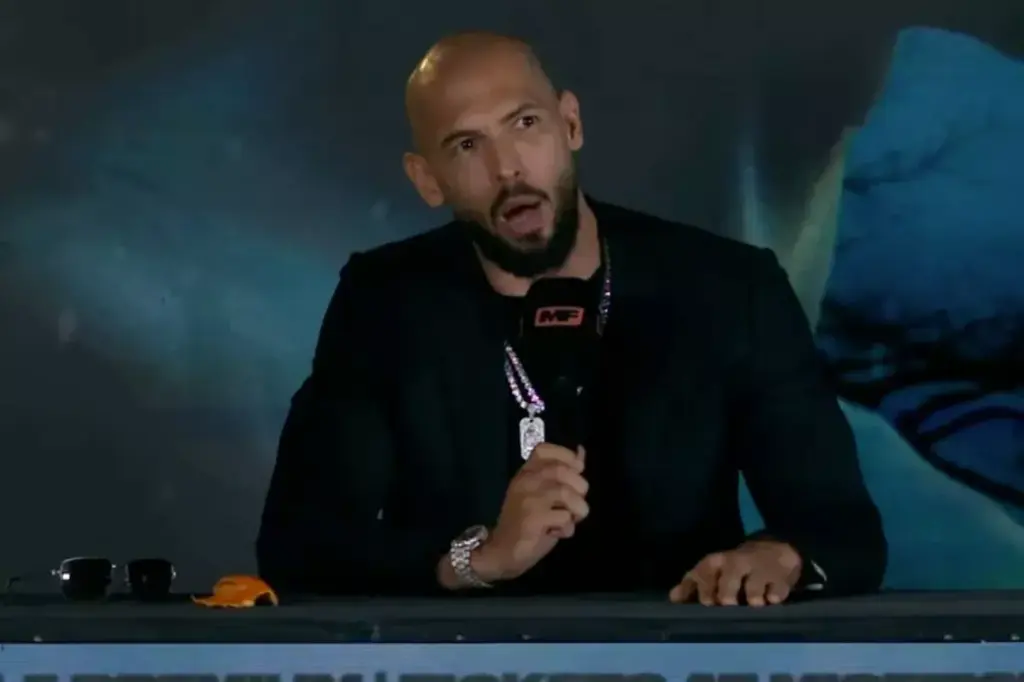
Andrew Tate’s boxing debut has stirred significant attention, especially after his controversial match against Chase DeMoor at the Misfits Boxing event in Dubai. This Saturday night bout not only marked Tate’s return to the ring after five years but also showcased the stark realities of combat sports as he faced a reigning heavyweight champion. Despite Tate’s initial strong performance, the fight ultimately resulted in a majority decision loss, leading to widespread boxing criticism. Social media was abuzz with reactions, including former UFC champion Michael Bisping labeling the fight “hilariously bad,” adding more controversy to Tate’s public persona. As fans dissected the Tate fight performance, this debut served as a pivotal moment for the influencer turned boxer, raising questions about his future in the sport and the efficacy of his training.
The recent boxing match featuring Andrew Tate has become a focal point of discussion among combat sports enthusiasts and critics alike. His encounter with Chase DeMoor at the Misfits boxing event in Dubai not only marked a notable comeback after a long hiatus but also highlighted the challenges faced by debuting fighters in high-stakes environments. The bout, characterized by fluctuating momentum, saw Tate initially capitalize on his speed before succumbing to DeMoor’s physicality in the later rounds. With opinions divided on the quality of performance displayed, the aftermath has ignited a wave of analysis regarding the impact of experience and preparation in boxing. As the boxing community reflects on this event, many are considering what Tate’s experience could mean for his potential future in the ring and beyond.
Andrew Tate’s Boxing Debut: A Closer Look
Andrew Tate’s boxing debut was one that captured the attention of the combat sports community, especially due to the controversy surrounding his persona. Tate faced off against Chase DeMoor at the Misfits Boxing event held in Dubai, marking his first appearance in a boxing match after a lengthy five-year hiatus from the sport. The match not only showcased Tate’s ambitions to reinvigorate his fighting career but also served as a platform for critics to examine his performance under the blinding spotlight of public scrutiny.
During the early rounds of the fight, Tate demonstrated glimpses of potential, showcasing speed and technique that suggested he had either prepared well or retained some of his former prowess. His early jabs and body shots initially put DeMoor on the backfoot, which only heightened expectations. However, as the rounds progressed, it became increasingly clear that while Tate might have had potential, the reality of competitive boxing demanded more than enthusiasm and bravado.
Analysis of the Tate vs DeMoor Fight Performance
The boxing match between Andrew Tate and Chase DeMoor was marked by contrasting phases — highlighting both fighters’ strengths and weaknesses. Tate’s performance started strong; he displayed his speed and landing impactful early jabs. However, the fight analysis indicates that this initial success was not sustainable against the larger, more experienced DeMoor, who capitalized on his physical attributes as the rounds progressed. The key turning point came when DeMoor began to utilize clinching tactics, a strategy that work to wear down Tate physically and psychologically.
Throughout the middle rounds, Tate struggled to adjust to DeMoor’s size and power. The boxing criticism that emerged post-fight centered not only on Tate’s conditioning but also on his technical execution. As he fatigued, Tate became increasingly vulnerable to heavy hits, especially the powerful uppercuts thrown by DeMoor in the fifth and sixth rounds. Many observers noted this shift, and Michael Bisping’s harsh criticism highlights the perception that both fighters did not meet the anticipated caliber for such a high-profile event.
Misfits Boxing Event: Highlights and Outcomes
The Misfits Boxing event, where Andrew Tate faced Chase DeMoor, gathered significant attention not solely for the main event but also for the overall fight card. Highlights included a remarkable performance by former UFC star Tony Ferguson, who secured the Misfits middleweight title, proving that his combative skills remain intact despite a challenging career trajectory. This event emphasized the integration of various styles and the excitement surrounding crossover fights, uniting fans from both boxing and MMA backgrounds.
The outcomes of the other matches on the undercard contributed to the evening’s entertainment value, showcasing emerging talents such as Amado Vargas and Neeraj Goyat. The thrilling nature of these bouts not only added depth to the event but also served to highlight the potential future stars of boxing. Such mixed performance across the fight card is a reminder of the unpredictable nature of live combat sports, where every fight can lead to unexpected outcomes.
Post-Fight Reactions and Critiques
After the fight, Andrew Tate’s reaction reflected a blend of disappointment and resilience. His acknowledgment of the deficiencies that contributed to his defeat resonated with fans and critics alike. By admitting that his age and long absence from competitive fighting impacted his performance, Tate humanized himself in a world where bravado often overshadows vulnerability. His statement that ‘it’s better to try and lose than to not try at all’ encapsulated a philosophical approach to sportsmanship that can inspire others to embrace challenges despite fear.
However, Tate’s defeat also invited sharp criticism, particularly from celebrities and fellow fighters in the combat sports community. Michael Bisping’s comments underscored the collective disappointment regarding the quality of the match. Observers pointed to both fighters’ struggles, emphasizing the need for preparedness and dedication if one wishes to compete at high stakes in boxing. Such critiques serve not only to critique Tate but also to spotlight the rigorous demands of boxing that all athletes must meet to succeed.
The Future of Andrew Tate in Boxing
Following his loss to Chase DeMoor, Andrew Tate hinted at a lingering desire to continue his boxing journey rather than stepping away from the sport entirely. This statement has been met with both skepticism and support from fans who are divided over his future in competitive boxing. As Tate seeks clarity through a review of his performance, it raises the question of whether he can learn from this experience and make necessary adjustments to improve before entering the ring again.
As Tate considers his next step, the broader implications for his career and reputation in combat sports remain to be seen. His decision to potentially continue competing could serve as an example of resilience, defying immediate judgments following a disappointing debut. Whether his next bout in boxing will see a more refined and prepared fighter is a narrative that many will follow keenly, making Tate’s next move one of the more anticipated events in the world of boxing.
Insights on Boxing Criticism and Performance Expectations
The wave of boxing criticism that followed Andrew Tate’s debut serves as a reminder of the high expectations placed on fighters in public spectacles. Analysts and fans alike often scrutinize a fighter’s performance through a critical lens, which can lead to an avalanche of harsh commentary, especially when a figure like Tate steps into the ring. The expectation to perform at a high level, not merely for the sake of competition but for entertainment, can be overwhelming and lead to tough reactions when those expectations are not met.
Indeed, the nature of boxing is such that a single performance can define a fighter’s reputation in the eyes of fans and critics alike. Tate’s experience underlines the importance of preparation, adaptation, and resilience in the sport. Moving forward, Tate and similar fighters will need to strategically address not just their physical training but also the mental and public relations aspects of their careers when facing the scrutiny that comes with such high-stakes matches.
Chase DeMoor: The victor of the Misfits event
Chase DeMoor’s victory against Andrew Tate marked a significant moment in his boxing career, not only because he secured the win but also due to the manner in which he accomplished it. DeMoor’s ability to weather initial pressure from Tate and then overpower him in later rounds showcased his adaptability and strategic fighting style. His victory was not just a testament to his physical abilities but also to his experience in the ring, which played a crucial role in rising to the occasion under the high-profile spotlight.
The win against Tate has potential implications for DeMoor’s aspirations within the boxing realm. Winning a match against a figure as controversial as Tate can catapult a fighter into mainstream conversations about boxing, allowing them to take their career to new heights. DeMoor’s performance may position him for future high-stakes matchups as the boxing world looks for new stars capable of drawing attention and filling arenas.
Lessons Learned from Andrew Tate’s Boxng Debut
Andrew Tate’s boxing debut against Chase DeMoor imparts valuable lessons for both the fighter himself and aspiring boxers. One of the most critical takeaways is the necessity of consistent training and preparation, particularly after a lengthy hiatus from competition. Tate’s performance illustrates the physical and mental challenges that come from not maintaining fight readiness and the importance of adapting one’s skills to the demands of high-stakes matchups against seasoned opponents.
Beyond physical preparation, Tate’s experience highlights the need for resilience in the face of adversity. A fighter’s ability to learn from flaws and setbacks can play a pivotal role in their growth within the sport. For Tate, reflecting on this debut and implementing changes in future training could be instrumental in reframing his narrative and possibly leading to a more successful return to boxing.
The Role of Misfits Boxing in Evolving Combat Sports
The Misfits Boxing promotion is emerging as a significant player in the landscape of contemporary combat sports, providing a platform that blurs the lines between conventional boxing and entertainment-driven matches. By hosting high-profile bouts featuring figures like Andrew Tate, the organization has risen to notoriety, drawing attention to the evolving nature of boxing as an inclusive and multifaceted sport. Events like these not only attract traditional boxing fans but also engage audiences from various backgrounds, elevating interest in the sport.
Moreover, Misfits Boxing serves as an avenue for fighters from diverse backgrounds to test their skills, learn from each other, and evolve in the ring. By introducing unique matchups and promoting personalities that resonate with broader audiences, the promotion is contributing to boxing’s current renaissance. As combat sports continue to evolve, the role of Misfits Boxing will likely become even more critical in shaping the future of entertainment-driven boxing and showcasing a new generation of talent.
Frequently Asked Questions
What happened in Andrew Tate’s boxing debut against Chase DeMoor?
In Andrew Tate’s boxing debut at the Misfits Boxing event, he faced reigning heavyweight champion Chase DeMoor. The match took place in Dubai and ended with Tate losing via majority decision after six rounds, with scorecards reading 57-57, 58-56, and 58-56 in favor of DeMoor.
How did Andrew Tate perform in his fight against Chase DeMoor?
Andrew Tate started his boxing debut strongly, showcasing his speed and landing effective jabs and body shots early on. However, as the fight progressed, Chase DeMoor’s size and strength gained the upper hand, leading to Tate’s defeat.
What criticism did Andrew Tate and Chase DeMoor face after their fight?
Following their match, both Andrew Tate and Chase DeMoor were criticized for their performance. Notably, former UFC champion Michael Bisping remarked on social media, describing the overall performance as ‘hilariously bad’ and expressing disappointment in both fighters’ skills.
What were Andrew Tate’s thoughts on his boxing debut loss?
After losing his boxing debut, Andrew Tate reflected on the impact of his long hiatus from the sport, acknowledging that age and time out of the ring contributed to his performance. He praised Chase DeMoor’s toughness and expressed a philosophical view, stating, ‘It’s better to try and lose than to not try at all.’
Will Andrew Tate continue boxing after his loss to Chase DeMoor?
While Andrew Tate experienced defeat in his boxing debut, he hinted that he might not be done with boxing. He mentioned the possibility of reviewing the fight to determine if he would continue pursuing a boxing career.
What were the results of the other matches at the Misfits Boxing event?
At the Misfits Boxing event where Andrew Tate debuted, former UFC star Tony Ferguson won the Misfits middleweight title by defeating Warren Spencer. Other notable results included Amado Vargas beating Deen the Great and Neeraj Goyat triumphing over Anthony Taylor.
What key moments defined Andrew Tate’s boxing debut match?
Key moments in Andrew Tate’s boxing debut included his strong start in the early rounds, where he landed effective punches. However, the fight shifted in the third round as Chase DeMoor began to dominate, landing powerful shots that ultimately led to Tate’s exhaustion and loss.
| Key Points |
|---|
| Andrew Tate’s boxing debut ended in defeat against Chase DeMoor in Dubai, marking his return to combat sports after five years. |
| The match was a six-round bout that ended in a majority decision with scores of 57-57, 58-56, and 58-56 in favor of DeMoor. |
| Criticism followed after the fight, with Michael Bisping calling both fighters’ performances “hilariously bad.” |
| Tate started strong but fell behind as DeMoor leveraged his physical advantages in the fight, gradually taking control. |
| Despite being hurt in the later rounds, Tate managed to survive to the final bell, showing resilience against DeMoor’s attacks. |
| Post-fight, Tate acknowledged factors like his age and long break from boxing but hinted at a possible return to the ring. |
| The event also featured other notable fights, including Tony Ferguson winning the Misfits middleweight title. |
Summary
Andrew Tate boxing debut was marked by a loss to Chase DeMoor in a highly publicized fight in Dubai. Despite showing promise early in the match, Tate struggled against DeMoor’s size and demonstrated a lack of ring stamina, which led to a majority decision defeat. Following the bout, Tate expressed willingness to evaluate his performance and consider future fights, indicating that his journey in boxing might not be over yet.

