Listen to this article
Mental strength in sports is a critical component that often determines an athlete’s success beyond their physical abilities. While many focus on endurance, strength, and skill, the psychology of sports reveals how mental toughness can significantly impact athletic performance. Athletes equipped with strong mental resilience can navigate the pressures and adversities of competition more effectively, allowing them to perform at their peak when it matters most. Key sports psychology techniques, such as visualization in sports and goal setting for athletes, can enhance this mental fortitude. By understanding the interplay between mental and physical preparation, athletes can unlock their full potential in their sports.
The concept of psychological resilience within athletics, often referred to by terms such as mental toughness and emotional control, is increasingly recognized as vital for achieving peak performance. This aspect of sports psychology emphasizes the necessity of a strong mindset, enabling athletes to face challenges head-on. With effective strategies like goal setting for athletes and visualization methods, individuals can cultivate a winning mentality. As the landscape of competitive sports evolves, acknowledging the importance of mental strength is paramount for those aiming to excel and differentiate themselves from their peers.
Understanding Mental Strength in Sports
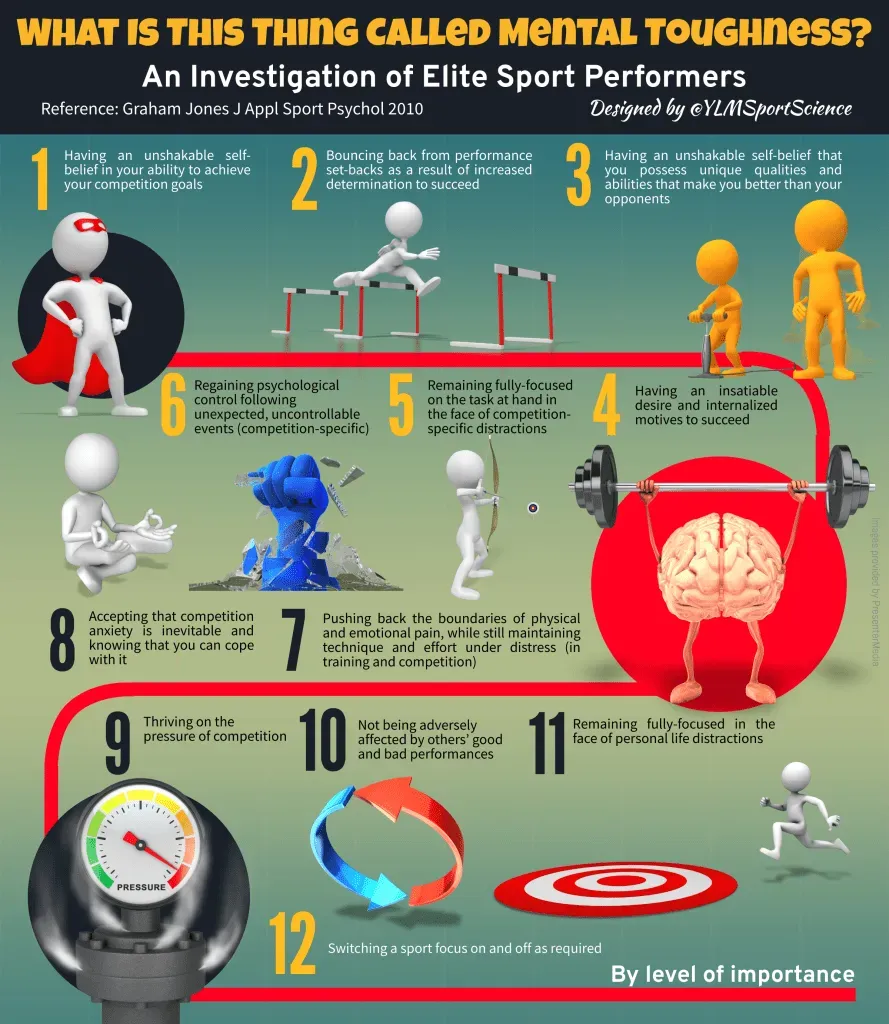
Mental strength in sports transcends the mere physical attributes of an athlete. It encompasses a range of psychological traits that are essential for peak performance, such as resilience, focus, and emotional control. Athletes possessing high levels of mental strength are better equipped to handle the pressures of competition, make critical decisions, and rebound from setbacks. This psychological attribute is not just an inherent trait; it can be cultivated through targeted training and consistent practice.
As we delve deeper into the psychology of sports, it becomes clear that mental strength significantly influences athletic performance. For instance, when faced with high-pressure situations, mentally tough athletes can draw on their resilience and maintain focus. This ability to stay present not only enhances their performance but also positively affects their overall well-being. The cultivation of mental strength should be a priority in athlete training regimens, emphasizing its role as a key factor that can differentiate competing athletes.
The Impact of Mental Toughness on Performance
Mental toughness plays a critical role in determining how athletes perform in competitions. It serves as the foundation for an athlete’s confidence, decision-making, and execution of skills under pressure. Athletes with high levels of mental toughness are more likely to sustain their performance, even when faced with obstacles such as injuries or adverse conditions during competitions. This resilience translates into improved athletic outcomes, making mental toughness a vital consideration for coaches and trainers aiming to enhance their athletes’ performance.
Moreover, mental toughness impacts an athlete’s preparation methods and approach to training. For instance, athletes who are mentally resolute are more inclined to set ambitious goals and remain dedicated to achieving them. This dedication often results in significant improvements in their physical capabilities as well. Goal-setting techniques, when combined with mental toughness training, can further enhance performance metrics, demonstrating the intertwined nature of psychological and physical training in sports.
Psychological Techniques to Enhance Athletic Performance
Incorporating psychological techniques into athletic training can significantly boost performance levels. Visualization, for example, allows athletes to mentally rehearse their performance, creating a blueprint for success. This practice not only builds confidence but also prepares them psychologically for the challenges they will face. Athletes trained in visualization can better manage competition anxiety and enhance their focus, enabling them to perform at their best when it counts.
Additionally, mindfulness and relaxation techniques are integral to developing mental strength in sports. These practices help athletes calm their minds and maintain focus during critical moments. Techniques such as deep breathing and meditation can reduce performance anxiety, enhancing clarity and decision-making on the field. By integrating these psychological techniques into their training, athletes can bolster their mental fortitude and achieve higher levels of athletic performance.
Goal Setting for Athletes: A Psychological Approach
Goal setting is a fundamental aspect of sports psychology that significantly influences an athlete’s performance trajectory. By establishing specific, measurable, achievable, relevant, and time-bound (SMART) goals, athletes can create a structured pathway to success. This method not only clarifies their intentions but also enhances motivation, making it easier to track progress and celebrate milestones along the way. When athletes set realistic goals, they empower themselves to stay committed to their training and competition schedules.
Furthermore, the psychological aspect of goal setting extends beyond mere achievement. Athletes often need to adjust their goals in response to performance feedback and external circumstances. This adaptability is a sign of mental resilience, allowing them to thrive amidst challenges. Coaches and sports psychologists recommend regular goal reviews to provide athletes with a sense of accomplishment and to foster a growth mindset, reinforcing the link between mental strength and goal-oriented performance.
Visualization Techniques in Sports Performance
Visualization is a powerful tool that can enhance an athlete’s performance by creating a mental image of success. This technique allows athletes to rehearse their actions and visualize the outcomes they desire before stepping onto the competition field. By vividly imagining successful performances, athletes can build confidence and prepare psychologically for the actual event, alleviating anxiety and increasing focus.
Studies in sports psychology have shown that athletes who regularly practice visualization techniques tend to experience improved performance metrics, such as accuracy and execution speed. The mental imagery helps reinforce positive self-belief and motivation, essential elements of mental toughness. As such, incorporating visualization into training regimens not only complements physical preparation but also strengthens mental fortitude, giving athletes a competitive edge.
The Importance of Emotional Control in Sports
Emotional control is a pivotal aspect of mental strength that significantly influences athletic performance. When athletes can regulate their emotions, they are better equipped to handle the pressures of competition, making it possible to maintain composure amid high-stakes situations. This emotional regulation helps athletes stay focused, minimizing distractions from external factors such as crowd noise or pressure from opponents.
Moreover, the ability to manage emotions can lead to better decision-making during competitions. Athletes who can control feelings like anxiety, frustration, or over-excitement are less likely to make impulsive decisions that could hinder their performance. Coaches should prioritize emotional control training as part of their athletes’ development, ensuring they are well-prepared to face the emotional rollercoaster that comes with competitive sports.
Motivation and Psychological Resilience in Sports
Motivation is a significant driver of athletic performance, intertwined with psychological resilience and goal-oriented behavior. Athletes who understand their motivations—from personal aspirations to the pursuit of excellence—are better positioned to sustain their commitment through rigorous training and competition cycles. Motivation is often fueled by a clear understanding of purpose, which can vary between athletes.
Psychological resilience complements motivation by enabling athletes to bounce back from setbacks and continue striving for their goals. It helps them maintain a positive outlook, learning from failures rather than being discouraged by them. As athletes develop both motivation and resilience, they cultivate a mindset conducive to achieving optimal performance outcomes, solidifying the connection between mental strength and success in sports.
The Interplay Between Sports Psychology and Athletic Coaching
The integration of sports psychology into athletic coaching practices is increasingly recognized as essential for developing well-rounded athletes. Coaches who understand the principles of sports psychology can better support their athletes in building mental toughness, emotional control, and resilience. This collaboration not only enhances athletes’ physical abilities but also prepares them for the psychological challenges they may encounter in competitive sports.
Moreover, effective coaching incorporates mental strength training into regular practice routines. By providing athletes with tools such as visualization, goal setting, and mindfulness, coaches can help them cultivate a strong mental framework. Understanding the psychological factors at play allows coaches to create personalized training programs that address the unique needs of each athlete, ultimately leading to superior performance and a positive sports experience.
The Future of Mental Coaching in Sports
As the field of sports psychology continues to evolve, the importance of mental coaching is becoming increasingly evident. More sports organizations are investing in mental health resources and hiring sports psychologists to enhance their athletes’ mental strength. This shift reflects a growing recognition of the integral role that psychology plays in fostering optimal athletic performance.
Looking towards the future, mental coaching is expected to become an essential component of training programs across all levels of athletics. With advancements in research and a deeper understanding of the psychology of sports, athletes are likely to benefit from new techniques and frameworks designed to promote mental resilience and enhance performance. Emphasizing mental strength in athletic preparation not only supports individual athletes but also contributes to the overall success and well-being of teams and organizations.
Frequently Asked Questions
What is mental strength in sports and why is it important?
Mental strength in sports refers to an athlete’s resilience, focus, confidence, and emotional control, which are crucial for enhancing athletic performance. It allows athletes to manage pressure, bounce back from setbacks, and maintain motivation.
How does mental toughness impact athletic performance?
Mental toughness significantly impacts athletic performance by enabling athletes to stay focused, make better decisions, and perform consistently under pressure. Athletes with high mental toughness often see improvements in competition results.
What are some effective sports psychology techniques for developing mental strength?
Effective sports psychology techniques include visualization, mindfulness, positive self-talk, and goal setting. These methods help athletes enhance their mental resilience and improve overall performance.
Can visualization in sports really improve performance?
Yes, visualization in sports can improve performance by helping athletes mentally rehearse successful outcomes, build confidence, and prepare psychologically for competitive situations.
How important is goal setting for athletes in developing mental strength?
Goal setting is crucial for athletes as it provides clear objectives to focus on, boosts motivation, and enhances mental strength by creating a roadmap for success.
What role does emotional control play in an athlete’s performance?
Emotional control enables athletes to manage feelings of anxiety and frustration, helping them to maintain composure and make rational decisions during competitions, thus enhancing overall performance.
How can mindfulness and relaxation techniques benefit athletes?
Mindfulness and relaxation techniques help athletes stay calm and focused, reducing stress and anxiety while enhancing clarity during competitions, contributing to improved mental strength.
Why is professional mental coaching important for athletes?
Professional mental coaching is important as it provides tailored strategies for athletes to enhance their mental toughness, enabling them to perform at their best under competitive pressures.
What are the indicators of strong mental strength in athletes?
Indicators of strong mental strength in athletes include high levels of self-confidence, the ability to recover from setbacks, effective emotional control, and consistent motivation throughout training and competitions.
How does psychology of sports relate to performance metrics?
The psychology of sports is closely linked to performance metrics, with research showing that athletes who possess high mental toughness typically achieve better results in terms of speed, accuracy, and overall efficiency.
| Key Aspects | Description |
|---|---|
| Mental Strength Definition | The ability to manage pressure, stress, and adversity for enhanced performance. |
| Enhanced Focus | Improves concentration and decision-making during critical moments. |
| Resilience | Ability to bounce back from setbacks and view challenges as opportunities. |
| Confidence | Self-belief encourages athletes to take risks and push limits. |
| Emotional Control | Helps manage emotions effectively to maintain composure during competition. |
| Motivation and Goal Setting | Maintains focus through realistic goal setting to sustain motivation. |
| Development Techniques | Includes visualization, mindfulness, positive self-talk, and professional coaching. |
Summary
Mental Strength in Sports is a crucial element that significantly affects athletic performance. By understanding and developing mental fortitude, athletes can enhance their focus, resilience, and overall execution during competitions. Techniques such as visualization and mindfulness are essential for cultivating the psychological resilience necessary for peak performance. As sports continue to evolve, the integration of mental training into athletic preparation is imperative for maximizing potential and achieving success in competitive environments.