Listen to this article
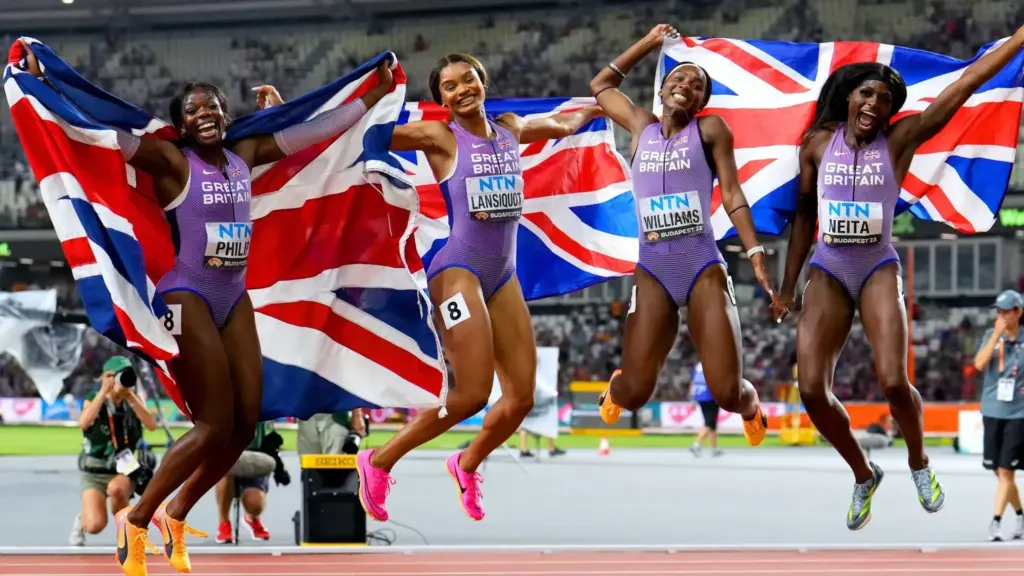
Women in sport have been pivotal in redefining the athletic landscape, challenging conventional norms and pushing for gender equality in sports. As female athletes break barriers and shatter glass ceilings, they inspire a new generation to pursue athletics without limitations. From the achievements of iconic Olympians to the unwavering spirit showcased in women’s sports leagues, the impact of women in athletics continues to resonate. Despite ongoing challenges, these athletes are now at the forefront of cultural and societal change. The growing visibility of women in sport is not just a trend—it symbolizes a crucial movement towards fairness and equal opportunity in all sports.
The evolution of female participation in athletics has led to a surge in appreciation for women’s sports, showcasing the incredible talents and resilience of women athletes. Often referred to as trailblazers, these individuals navigate the complexities of an industry that has traditionally favored men, yet their collective voice is increasingly powerful. This holistic approach to gender inclusivity in athletics means not only celebrating remarkable achievements but also challenging stereotypes and advocating for equitable treatment. With movements aimed at supporting female representation and breaking down barriers in the sporting world, the landscape is changing. The commitment to fostering an environment where women can thrive in sports is imperative for future success.
The Evolution of Women in Sports
The journey of women in sports has witnessed remarkable changes throughout history. In the early days, societal restrictions often prevented women from engaging in athletic endeavors, leading to a perception that sports were solely for men. The advent of the 20th century saw dedicated female pioneers emerge, who not only participated in sports but also excelled in them, thereby challenging gender norms. Notable figures like Babe Didrikson Zaharias became champions not just for their sporting prowess but as advocates for women’s rights in athletics, proving that women could compete on equal footing with their male counterparts.
As we progressed into the 21st century, landmark legislation such as Title IX reshaped the sports landscape by mandating equal access to athletic programs for women. This set the groundwork for a significant increase in female participation across various levels, from youth sports to the collegiate level. The ripple effect of such policies has fostered a generation of strong, competitive athletes who have continuously raised the bar, and this legacy of empowerment continues to influence young girls aspiring to break into the world of sports.
Celebrating Female Athletes as Role Models
Female athletes today are not only achieving remarkable feats in their respective sports but also serve as powerful role models for future generations. Figures such as Serena Williams and Simone Biles have transcended their sports, advocating for gender equality and encouraging young girls to pursue their dreams fearlessly. Their public personas go beyond competitive success, encompassing messages of resilience and empowerment, which resonate deeply with aspiring female athletes.
The visibility of these athletes in mainstream media signifies a cultural shift towards greater appreciation for women in sports. Their stories illuminate the challenges and triumphs faced by female athletes, generating discussions about equity in compensation and treatment. As more women break through these barriers, they ignite a passion in young girls around the globe, demonstrating that women’s sports are a viable field of dedication and success.
Media Representation of Women’s Sports
The media plays an influential role in shaping perceptions of women’s sports and female athletes. In recent years, there has been a notable increase in coverage and visibility for women in athletics, from high-profile events to everyday competitions. This rise in media representation is crucial for inspiring future generations and fostering a culture that celebrates athletic achievement regardless of gender. Platforms such as social media enable athletes to control their narratives, share personal journeys, and reach wider audiences than ever before.
While progress has been made, the quality and quantity of media coverage remain inconsistent. Female athletes often have to fight for equal airtime, as historical biases skew the focus toward men’s sports. Amplifying women’s sports through diverse media strategies is essential in normalizing their presence in the athletic world. By supporting and promoting women’s events, organizations and broadcasters can help diminish stereotypes and further draw attention to the incredible accomplishments of female athletes.
The Importance of Grassroots Initiatives
Grassroots initiatives are vital to promoting female participation in sports from a young age. Programs aimed at young girls can foster athletic skills, physical fitness, and confidence, laying a solid foundation for lifelong engagement in sports. Local organizations and schools play a key role in creating inclusive environments where girls can explore various athletic disciplines, encouraging participation without the limitations often imposed by societal stereotypes.
Furthermore, engaging young girls in sports can combat gender stereotypes by demonstrating that athleticism is a trait not confined by gender. Empowering girls through sports not only builds their athletic capabilities but also cultivates leadership skills and resilience, which are crucial in all aspects of life. Investing in grassroots initiatives can contribute to a stronger pipeline of female athletes ready to tackle the competitive arenas of sports.
Overcoming Pay Disparities in Women’s Sports
The issue of pay disparity between male and female athletes remains a contentious topic within the sports industry. Despite remarkable achievements and fan engagement, female athletes often receive significantly less compensation than their male counterparts. This inequity raises important questions about the valuation of women’s sports and the investment made in promoting female athletes. Advocacy efforts are crucial in promoting fair pay for all athletes and highlighting the importance of equitable resources across genders.
In recent years, high-profile cases, such as the U.S. Women’s National Soccer Team’s fight for equal pay, have catalyzed discussions around the financial support afforded to women in sports. These movements are essential to drawing attention to the issue and prompting organizational reforms. Addressing pay disparities is a necessary step toward achieving gender equality in sports, ensuring that female athletes receive recognition and compensation that reflects their hard work and dedication.
The Impact of Sponsorship on Women’s Athletics
Sponsorship is a critical component that influences the growth of women’s sports and the success of female athletes. Increased sponsorship deals provide essential financial support for training, travel, and support staff, which can significantly enhance the performance and opportunities available to women athletes. As women’s sports gain traction and showcase talent, sponsors recognize the potential for substantial returns on investment by promoting female athletes.
However, the disparity in sponsorship between men’s and women’s sports is still evident. Female athletes frequently encounter challenges in attracting the same level of sponsorship as their male peers, despite showing equally impressive performances and engaging fan bases. Bridging the sponsorship gap is vital for the continued success and visibility of women in athletic competitions, as it empowers female athletes to pursue their careers with the same level of commitment and support afforded to male athletes.
The Role of Technology in Promoting Women’s Sports
Technology has revolutionized how sports are consumed and presented, providing unique opportunities to promote women’s sports. From live streaming to social media platforms, various technological advancements enable female athletes to showcase their skills and engage with fans directly. This can lead to greater visibility and support for women’s sporting events, helping to dismantle outdated notions that women’s sports are less exciting or engaging than men’s.
Moreover, data analytics and sports technology can help female athletes optimize their performance and training regimens, allowing them to compete at elite levels. As technology continues to evolve, it plays a crucial role in leveling the playing field, fostering an environment where female athletes can thrive. Embracing technology in promoting women’s sports not only increases participation and interest but also reshapes the narrative around women in sports.
Breaking Stereotypes Through Representation
Representation is a powerful tool in breaking down stereotypes, and women’s sports have been evolving to reshape how female athletes are perceived. By featuring diverse athletes across various media forms, organizations can challenge traditional notions of femininity and athleticism. Celebrating a wide range of athletic abilities and achievements broadens the narrative surrounding women in sports, helping to forge stronger connections with audiences and potential participants.
The visibility of women from diverse backgrounds in sports can also inspire future generations to challenge stereotypes and pursue their passions, regardless of societal expectations. As female athletes demonstrate their skills and prowess, they embody the message that potential knows no gender, encouraging young girls to aspire towards greatness in the athletic world. This movement toward equitable representation can transform the sports industry and foster a more inclusive environment for all athletes.
Future Directions for Women in Sports
Looking ahead, the future of women in sports appears promising yet requires ongoing dedication to equality and inclusion. Continued advocacy for policy changes and equitable support for female athletes is essential to ensure that progress is sustained. Organizations and stakeholders must remain committed to providing resources and opportunities for women in athletics, nurturing a culture of respect and acknowledgment in the sporting realm.
As female athletes continue to bridge gaps and set new records, engaging communities to celebrate these accomplishments is vital. Initiatives that focus on inclusivity can inspire a new wave of female athletes, solidifying the importance of sports as a pathway for empowerment. By fostering an environment that actively advocates for women’s sports, we can collectively work towards a future where all athletes have the opportunity to shine and achieve their goals.
Frequently Asked Questions
What are some key milestones for women in sport?
Women in sport have achieved numerous key milestones, including the establishment of events in the Olympics and the recognition of female athletes in professional leagues. One significant landmark is Title IX, which ensured equal opportunities in athletics, contributing to increased female participation and success in sports.
How do female athletes advocate for gender equality in sports?
Female athletes advocate for gender equality in sports through activism, such as the U.S. Women’s National Soccer Team’s fight for equal pay. They leverage their platforms to raise awareness about disparities in funding, media coverage, and opportunities, inspiring change and empowering future generations.
What challenges do women in athletics still face today?
Despite progress, women in athletics face challenges such as pay disparity, limited media coverage, and societal pressures related to gender roles. These hurdles can hinder their opportunities and recognition, making advocacy and support systems essential for continued improvement.
How has media coverage impacted women’s sports?
Media coverage plays a crucial role in promoting women’s sports. Increased visibility through broadcasting deals and social media has helped elevate female athletes’ profiles, leading to a growing audience for events like the Women’s NCAA Tournament and WNBA Finals.
Why is Title IX important for women in sports?
Title IX is essential for women in sports as it prohibits gender discrimination in schools, leading to increased opportunities for female athletes in high school and collegiate athletics. It has paved the way for significant growth in women’s sports participation and visibility.
Who are some influential female athletes breaking barriers in sports?
Influential female athletes like Serena Williams and Simone Biles have broken barriers in their respective sports. They exemplify excellence and challenge stereotypes, inspiring young girls to pursue athletics and advocating for equality in treatment and opportunity.
What initiatives support women in sports?
Various initiatives exist to support women in sports, such as the Women’s Sports Foundation, which provides scholarships, mentorship programs, and resources to empower young female athletes. These organizations play a critical role in promoting participation and equality in athletics.
How are social media platforms changing the landscape for women in sports?
Social media platforms enable female athletes to share their stories, challenges, and achievements, fostering a dialogue around women’s sports. This increased interaction helps normalize women’s participation in athletics and promotes advocacy for gender equality.
What role do schools play in promoting women’s sports?
Schools play a significant role in promoting women’s sports by implementing gender-inclusive programs that encourage young girls to participate in athletics. Prioritizing equal opportunities helps build confidence and resilience, essential components for future female athletes.
What does the future hold for women in sports?
The future for women in sports is promising, characterized by ongoing advocacy for equality and support at all levels. Continued efforts to promote female athletes, invest in women’s sports programs, and foster a culture of respect will drive growth and visibility in women’s athletics.
| Key Points | Details |
|---|---|
| Historical Context | Women faced significant barriers historically; Title IX was a game-changer for women’s participation. |
| Breaking Records | Female athletes like Serena Williams and the USWNT challenge stereotypes and advocate for equal pay. |
| Media Influence | Increased coverage and social media amplify women’s sports, enhancing visibility and support. |
| Ongoing Challenges | Gender pay gap and sexism continue to hinder female athletes’ progress. |
| Advocacy and Support | Organizations like the Women’s Sports Foundation promote equality and opportunities for young girls in sports. |
| Future Directions | Sustained advocacy and support are needed for continued growth and visibility for women in sports. |
Summary
Women in sport are making significant strides towards equality and representation, impacting not just the athletic landscape but society as a whole. The transformation witnessed in recent years—from historical milestones to contemporary achievements—reflects the resilience and potential of female athletes. While challenges persist, including pay disparities and media representation, initiatives aimed at empowering women and fostering inclusivity are on the rise. By nurturing young female athletes and advocating for equitable opportunities, the future promises a more diverse and respected sporting world. Supporting efforts for women in sport is crucial, as their contributions not only enhance athletic experiences but also shape cultural perceptions surrounding gender equality.