
Listen to this article
Black blood donors play a crucial role in ensuring the health and well-being of their communities, especially as initiatives like the one at the Brixton Blood Donor Centre highlight. This south London center has recently embraced a new service that allows individuals to participate in group blood donation, fostering a sense of community and collective support. Feedback from black heritage organizations has shown that offering the chance to donate alongside friends, family, or faith groups could significantly increase participation among black blood donors. Such collective efforts are vital as they not only make the process more inviting but also address the unique needs of those affected by conditions like sickle cell disease. The NHS Blood and Transplant team emphasizes the importance of transforming blood donation into a shared experience, connecting individuals in a meaningful way, and ultimately saving lives together.
In recent times, there has been a concerted effort to enhance participation among darker-skinned blood donors, particularly within communities that require special blood types for treatment, such as those affected by sickle cell disorder. The Brixton Blood Donor Centre’s innovative approach to group blood donations serves to unite individuals while they make a life-saving contribution. Organizations focused on black heritage have expressed the need for these communal donation opportunities, believing they will encourage regular involvement in blood drives. By coming together in this manner, potential donors can alleviate the anxiety often associated with giving blood, transforming it into a shared, supportive event. This collaborative spirit not only elevates the donation experience but also resonates deeply within the community, making it a vital step towards improving health outcomes in diverse populations.
The Importance of Black Blood Donors in Addressing Sickle Cell Disease
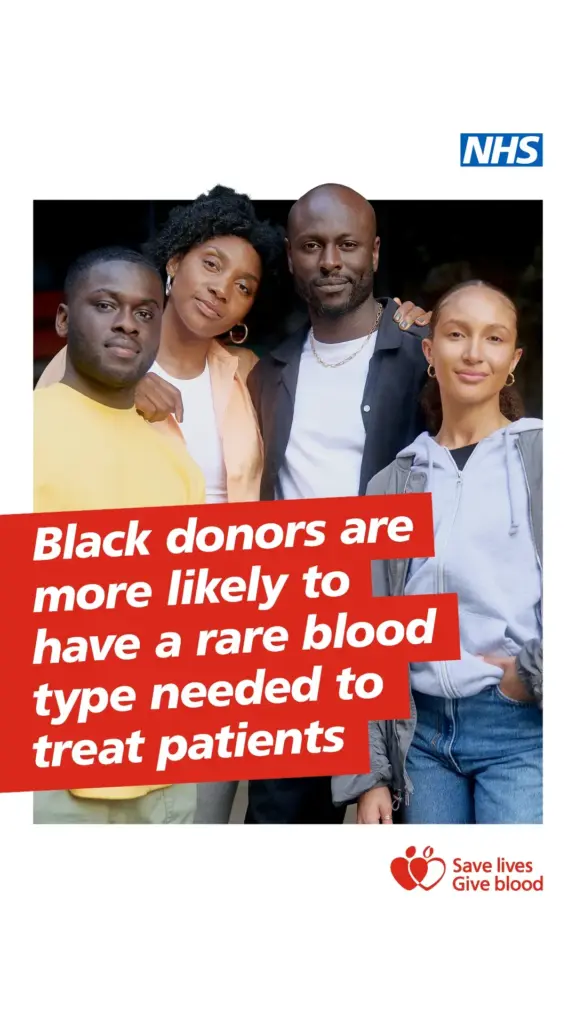
Black blood donors play a crucial role in addressing the ongoing health challenges posed by sickle cell disease in the UK. This genetic blood disorder predominantly affects individuals of African or Caribbean descent, leading to significant demand for specific blood types. With as many as 15,000 to 18,500 people living with this condition, the need for compatible donors is heightened. Specifically, the Ro blood subtype, which is far more common among black donors, is critical for the treatment of sickle cell disease. NHS Blood and Transplant recognizes that enhancing donor diversity, particularly among black heritage communities, is essential to effectively manage and treat this growing health concern.
Moreover, by actively encouraging more black individuals to become regular blood donors, organizations like the Brixton Blood Donor Centre are not only addressing a pressing medical need but also fostering a sense of community. The initiative to allow group blood donation appointments allows individuals to support one another, encouraging a culture of donation among friends and family. When people can come together as a group, it demystifies the donation process, transforming it from a clinical obligation into a communal and uplifting experience.
Group Blood Donation as a Catalyst for Community Engagement
The introduction of group blood donation appointments at the Brixton Blood Donor Centre marks a significant shift in how blood donation is perceived and engaged with within communities. By allowing people to donate blood alongside their friends, family, or faith groups, this initiative aims to make the experience more inviting and less intimidating. Mark Chambers from NHS Blood and Transplant emphasizes that creating a community atmosphere is vital, particularly for first-time donors. This approach can alleviate fear and anxiety, transforming the intimidating notion of donating blood into an encouraging and shared experience.
Engagement from black heritage organizations has been instrumental in shaping this initiative. Many community leaders have pointed out that the traditional methods of promoting blood donation may not resonate as effectively with certain demographic groups. By facilitating group donations, community members are more likely to commit to regular donations, knowing that they can support each other through the process. This shared commitment not only has the potential to increase blood supply for those with conditions like sickle cell disease but also fosters a deeper sense of unity and purpose among participants.
The Role of NHS Blood and Transplant in Improving Donor Diversity
NHS Blood and Transplant plays a pivotal role in promoting blood donation across diverse populations. By actively reaching out to black heritage organizations, NHSBT aims to address the disparities in blood donation rates among different ethnic groups. The efforts to enhance representation among donors come in response to growing health demands, particularly for conditions like sickle cell disease, which need specific blood types that are predominantly found within certain communities. The organization’s ongoing commitment to inclusivity is not just about fulfilling quotas; it’s about ensuring that every patient receives the right care they need.
To achieve this goal, NHSBT is implementing targeted outreach programs that engage black communities through education and sensitization. By sharing information about the importance of blood donation and its impact on health outcomes, NHS Blood and Transplant is laying the groundwork for a more inclusive donor base. The focus on engaging with community leaders and organizations enhances trust and reinforces the importance of collective action in promoting health. This approach aligns well with current trends towards community-driven healthcare solutions.
Encouraging Regular Donations Through Community Support
To ensure the longevity and sustainability of blood donation drives, fostering community support is indispensable. By creating an environment where individuals feel they are part of something larger, blood donation can be reframed as a community duty rather than just an individual obligation. The Brixton Blood Donor Centre’s initiative to allow group donations addresses this, as individuals are likely to feel more motivated to engage when supported by their peers. This social aspect not only encourages one-time donations but also cultivates a culture of habitual giving.
Regular blood donors are invaluable, especially those who belong to specific ethnic backgrounds like black individuals. Since the need for rare blood types—necessary for treating sickle cell disease—is particularly acute in these communities, encouraging regular donations helps ensure that patients receive timely and compatible transfusions. It’s not merely about numbers; it’s about promoting a lifestyle of giving back to the community, reflecting shared values and collective responsibility.
The Impact of Collective Donation on First-Time Donors
First-time donors often face anxiety and uncertainty about the blood donation process. Collective donation initiatives, such as the one launched by the Brixton Blood Donor Centre, are designed to mitigate these feelings by providing a familiar and supportive environment. Sharing the donation experience with friends or community members can significantly reduce apprehension. When individuals come together as a group, they create a shared narrative that transforms what could be a solitary event into a communal occurrence, positively influencing their perception of blood donation.
Furthermore, the collective donation experience emphasizes the importance of community health. First-time donors who donate in groups are more likely to continue giving blood in the future, as they associate the experience with positive social interactions. This can lead to a ripple effect where individuals encourage their peers to consider blood donation, perpetuating a cycle of giving that benefits those in need, particularly patients suffering from conditions like sickle cell disease.
Collaborative Efforts with Black Heritage Organizations
The partnership between blood donation centers and black heritage organizations has led to innovative strategies aimed at increasing donor participation. By listening to feedback from community leaders, the Brixton Blood Donor Centre has tailored its services to align more closely with cultural and communal practices. These collaborations are crucial in promoting the uptake of blood donation within communities that have historically been underrepresented in blood supply initiatives. It creates a pathway for trust and enhances the effectiveness of outreach efforts, ensuring that the importance of blood donation is communicated in culturally relevant ways.
Additionally, these collaborative efforts help to dismantle barriers that may discourage potential donors within the black community. Engaging with leaders and influencers in these communities allows for the dissemination of accurate information about blood donation, bridging gaps in knowledge and correcting misconceptions. The result is a more informed public that feels empowered to participate in blood donation drives, reinforcing the notion that everyone can contribute to saving lives.
The Lifesaving Importance of Diverse Blood Donations
Diverse blood donations are integral to effective medical treatments, especially for patients with conditions like sickle cell disease. This blood disorder affects primarily individuals of African and Caribbean heritage, necessitating a reliable supply of specific blood types. As the NHS acknowledges, blood donors from different ethnic backgrounds are often critical to meeting the transfusion needs of sickle cell disease patients. The need for a diverse pool of blood donors ensures that treatment options are broadened, leading to better patient outcomes.
Moreover, the call for diverse blood donations highlights the importance of representation in healthcare. By focusing on inclusivity in blood donation campaigns, organizations can reach a wider audience and potentially increase the number of active donors. Creating awareness around the significance of diverse blood donations fosters a sense of responsibility among community members, encouraging them to view blood donation not just as charity but as an essential service to their community and to individuals in need.
Navigating the Blood Donation Process: Tips for First-Time Donors
For first-time donors, navigating the blood donation process can seem daunting. However, organizations like the Brixton Blood Donor Centre provide resources to make the experience straightforward and welcoming. It’s essential for first-time donors to educate themselves about the process, understand the eligibility criteria, and partake in activities that increase their comfort level. Group donations play a significant role in easing first-time anxieties, as potential donors can share the experience with friends or family, making it feel less intimidating.
Additionally, understanding the benefits of blood donation—such as saving lives and contributing to vital health services—can motivate first-time donors. Preparation is key; staying hydrated and having a light meal before donating can help ensure a smoother experience. By reinforcing the importance of shared experiences, blood donation organizations can transform the perception of donating from a clinical ordeal into an empowering community-focused activity.
Building a Sustainable Future for Blood Donation
Sustainability in blood donation relies on community engagement and education. The Brixton Blood Donor Centre’s initiative caters specifically to the needs of the local community, aiming to cultivate a consistent and dedicated pool of donors. By focusing on long-lasting relationships with various community groups, including those from black heritage backgrounds, blood donation programs can create a robust ecosystem that thrives on mutual support and responsibility. This proactive approach guarantees that blood donation is presented not merely as an urgent need but as an ongoing commitment to community health.
Moreover, sustainable blood donation initiatives are crucial for ensuring the health of those with chronic conditions like sickle cell disease. Ensuring a continuous and reliable supply of blood means that those in need can receive the care they deserve without delays. By embedding blood donation practices within community frameworks, organizations are not only addressing immediate health concerns but are also building a healthier future for all community members. Education, support, and a sense of belonging are the foundations of sustainable blood donation strategies.
Frequently Asked Questions
Why is the Brixton Blood Donor Centre focusing on increasing black blood donors?
The Brixton Blood Donor Centre is launching initiatives to boost black blood donors in response to feedback from black heritage organizations. This focus is crucial as individuals from African, Caribbean, or mixed ethnic backgrounds are more likely to have the specific Ro blood subtype needed to treat sickle cell disease, the most common genetic condition in the UK.
How does group blood donation work at the Brixton Blood Donor Centre?
The Brixton Blood Donor Centre now allows individuals to donate blood in groups, which enables friends, family, or community members to participate in blood donation appointments together. This initiative is designed to create a supportive and welcoming environment for black blood donors.
What impact does group donation have on first-time black blood donors?
According to Mark Chambers from NHS Blood and Transplant, group donation can significantly enhance the experience for first-time black blood donors by providing a sense of community and shared purpose, making the process feel less clinical and more meaningful.
What are the benefits of donating blood for individuals with sickle cell disease?
For individuals living with sickle cell disease, which is particularly prevalent among black communities, regular blood donations are crucial. Each year, some may require blood from up to 100 donors. Increased black blood donors can help ensure a compatible and timely blood supply.
How can black heritage organizations encourage blood donation in the community?
Black heritage organizations can promote awareness about the need for diverse blood types, particularly for conditions like sickle cell disease. By advocating for initiatives like group blood donation at centers like the Brixton Blood Donor Centre, these organizations can foster a collective spirit and increase participation.
What makes the Brixton Blood Donor Centre’s new service appealing to black blood donors?
The Brixton Blood Donor Centre’s new service, which allows group blood donations, addresses a key concern of black blood donors by fostering a sense of community. This initiative aligns with feedback indicating that many are more willing to donate when they can do so alongside their peers.
How does blood donation impact the fight against sickle cell disease?
Blood donation is vital in the fight against sickle cell disease, as patients often need blood transfusions to manage their condition. By increasing the number of black blood donors, particularly through initiatives at centers like Brixton, we can better support those living with this genetic blood disorder.
What is the significance of the Ro blood subtype for black blood donors?
The Ro blood subtype is critical for treating sickle cell disease and is more commonly found among black donors. Increasing the number of black blood donors at the Brixton Blood Donor Centre can help ensure an adequate supply of this subtype for patients in need.
How can individuals get involved in group blood donation at the Brixton Blood Donor Centre?
Individuals interested in group blood donation at the Brixton Blood Donor Centre can organize appointments with their community groups, faith organizations, or friends. The center facilitates these collective donation experiences to enhance participation among black blood donors.
Where can I find more information about donating blood and sickle cell disease?
For more information about donating blood and its importance for sickle cell disease patients, visit the NHS Blood and Transplant website or contact organizations like Sickle Cell Unite, which provide resources and support for affected communities.
| Key Point | Details |
|---|---|
| Launch of New Service | The Brixton Blood Donor Centre is initiating a new service to boost the number of black blood donors. |
| Group Donations | Individuals can now donate blood in groups, thanks to feedback from black heritage organizations. |
| Community Experience | Mark Chambers emphasizes creating a welcoming, community-like atmosphere for first-time donors. |
| Importance of Group Bookings | Sarah-Jane Nkrumah highlights the significance of uniting the community through donations. |
| Sickle Cell Disease Statistics | Approximately 15,000 to 18,500 people in the UK live with sickle cell disease, which is more common in individuals of black heritage. |
| Ro Blood Subtype | Black blood donors are 10 times more likely to possess the specific Ro blood subtype vital for treating sickle cell disease. |
| Blood Donation Needs | Individuals with sickle cell disease may require blood from as many as 100 donors a year. |
Summary
Black blood donors are a vital part of the initiative launched by the Brixton Blood Donor Centre, which aims to significantly increase blood donations among the black community. By allowing group donations, this service fosters a sense of community and encourages individuals to participate alongside friends and family. This creative approach not only addresses the specific blood type needs of those suffering from sickle cell disease but also strives to create a more inclusive and welcoming atmosphere for potential donors. Ultimately, the initiative aims to transform the blood donation experience into one that is meaningful and impactful.