
Listen to this article
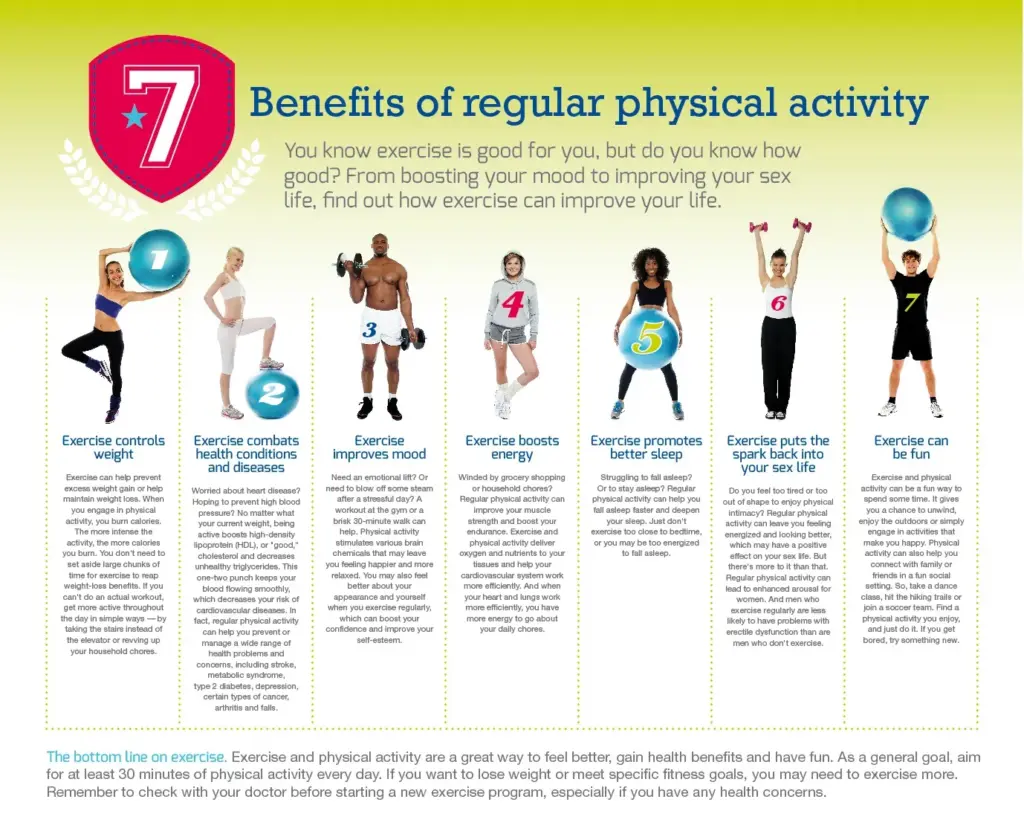
Participating in regular sports offers a multitude of health benefits, making it a crucial activity for anyone seeking a healthier lifestyle. From enhancing physical fitness and sports performance, to improving mental wellbeing, the benefits of regular sports participation extend far beyond the playing field. Engaging in activities like running, swimming, or team sports not only strengthens muscles and bones but also boosts cardiovascular health. Additionally, it helps with effective weight management and decreases the risk of chronic diseases such as diabetes and hypertension. Ultimately, the importance of sports in promoting a balanced and fulfilling lifestyle cannot be overstated; it’s a fun yet impactful way to support your overall wellbeing.
Engaging in athletic activities is more than just a recreational endeavor; it’s an investment in your physical and mental health. The advantages of participating in team or individual sports are profound, influencing various aspects of life from cardiovascular efficiency to emotional stability. By fostering a love for physical activities, individuals can discover new avenues for health and fitness that align with their personal interests. Sports for a healthy lifestyle encompass not only physical exertion but also social interaction and emotional growth, making them essential for well-rounded wellbeing. As we explore these foundational principles, it’s evident that taking part in sports plays a key role in nurturing a thriving, health-conscious community.
The Importance of Sports in Daily Life
Sports play a crucial role in our daily lives, contributing not only to our physical health but also to our mental and social well-being. Engaging in sports can create a sense of community and belonging, as individuals often come together to form teams or clubs. This social aspect can significantly enhance one’s lifestyle by fostering relationships and support systems, which are essential for maintaining mental health. Moreover, participating in sports regularly helps to develop discipline and time-management skills, which can be beneficial in all areas of life.
Furthermore, the importance of sports goes beyond individual benefits; they can impact society as a whole. Communities that emphasize sports participation often see lower crime rates and higher levels of civic engagement. Sporting events bring people together, creating a shared sense of pride and accomplishment. As such, investing in sports facilities and programs is vital for nurturing healthier and more connected communities.
Improved Cardiovascular Health Through Sports
Regularly engaging in sports significantly bolsters cardiovascular health, offering a wide array of advantages. Aerobic activities like running, cycling, and swimming enhance heart function by increasing blood circulation and reducing blood pressure. As individuals participate in these sports over time, they often experience improved cardiac output and lower resting heart rates, indicators of a strong cardiovascular system. Research consistently illustrates that those who maintain an active lifestyle through sports show a decreased risk of heart disease, strokes, and other cardiovascular-related conditions.
Moreover, the metabolic effects of sports participation extend beyond just heart health. By engaging in consistent sports activities, individuals can maintain optimal cholesterol levels, improving the balance between HDL (good cholesterol) and LDL (bad cholesterol). This balance is crucial for overall heart health and can contribute significantly to longevity and a higher quality of life.
Strengthened Muscles and Enhanced Bone Density
Participating in sports is one of the most effective ways to promote muscle strength and bone density. Weight-bearing activities such as soccer and basketball require not only endurance but also a significant amount of muscle engagement. These physical demands stimulate muscle growth and help maintain strength as we age. Consistent participation in such sports prevents muscle loss and enhances bone health, reducing the risk of injuries and conditions like osteoporosis.
The connection between sports, muscle development, and bone health is supported by numerous studies that argue for the necessity of physical activity in maintaining skeletal integrity. As individuals participate in sports that require varying levels of resistance and body movements, the continuous challenge helps strengthen connective tissues and muscle fibers, laying the groundwork for a resilient musculoskeletal system.
Enhanced Flexibility and Coordination Benefits
Sports activities encompass a variety of motions, inherently promoting enhanced flexibility and coordination. Engaging in activities like gymnastics or martial arts emphasizes skillful movements and controlled stretching, which directly contribute to improved range of motion and reduced injury risk. As flexibility increases, individuals notice ease in performing daily tasks and a decrease in muscle tightness.
Moreover, enhanced coordination through sports not only boosts athletic performance but also translates into better motor skills in everyday life. Improved coordination can lead to greater confidence in physical interactions, making it easier to pursue diverse activities, further promoting a healthy lifestyle. The continuous practice of coordination-intensive sports can even enhance cognitive functions, linking physical activity with mental agility.
Weight Management Through Active Sports Participation
Maintaining a healthy weight is a significant challenge for many, but regular sports participation can offer an enjoyable solution. Engaging in physical activity through sports promotes a calorie deficit, essential for weight loss or management. The fun and social aspect of team sports can make the weight management process more engaging and sustainable, allowing individuals to enjoy their journey towards fitness without the monotony often associated with traditional workout regimes.
Additionally, the metabolic boost experienced from regular sports participation plays a pivotal role in weight management. Increased muscle mass burns more calories even at rest, thus enhancing metabolism long-term. This not only aids in weight loss efforts but also contributes to maintaining a healthy body composition, which can improve overall health and confidence.
Reduced Risk of Chronic Diseases Through Sports
Regular participation in sports is a proactive approach to reducing the risk of chronic diseases. Activities like running, swimming, and cycling elevate the heart rate and promote overall cardiovascular health, effectively lowering the chances of developing conditions such as Type 2 diabetes, obesity, and hypertension. The World Health Organization emphasizes that a minimum of 150 minutes of moderate-intensity aerobic activity can lead to significant health improvements and chronic disease prevention.
By engaging in sports regularly, individuals actively manage their health outcomes. Physical activity promotes favorable metabolic changes that help regulate insulin levels and maintain healthy blood pressure, acting as a buffer against various chronic diseases. This preventive approach not only improves immediate health but also lays the groundwork for long-term wellbeing and a higher quality of life.
Boosted Energy Levels From Regular Sports Involvement
Contrary to popular belief, engaging in sports does not lead to fatigue; in fact, it often results in increased energy levels. By regularly participating in sports, individuals improve their cardiovascular health and muscle strength, leading to enhanced endurance. This means that daily tasks become less daunting, allowing individuals to conquer their day-to-day responsibilities with vigor and vitality.
This boost in energy is often attributed to the endorphins released during physical activity, creating a natural high that enhances mood and motivation. When combined with improved fitness levels, individuals find themselves more capable of engaging in both physical and mental activities, leading to a more productive and fulfilling lifestyle.
Benefits of Regular Sports Participation for Mental Health
The mental health benefits of regular sports participation are profound and multifaceted. Engaging in sports releases endorphins, often referred to as ‘feel-good’ hormones, which can significantly alleviate symptoms of anxiety and depression. Regular involvement in physical activity not only boosts mood but also contributes to improved self-esteem and personal satisfaction, allowing individuals to develop a more positive self-image.
Additionally, the structure and routine that sports provide can be therapeutic for many, offering an outlet for stress relief and a way to channel energy positively. This interplay of physical activity and mental wellbeing highlights the crucial role sports can play in cultivating resilience against mental health challenges, underscoring the importance of integrating sports into a holistic approach to health.
Improved Body Composition Through Sports Engagement
Engaging in sports consistently leads to a favorable body composition, a crucial factor for overall health and self-confidence. Participating in various sports not only helps reduce body fat but also aids in building lean muscle mass. As individuals engage in regular physical activity, their metabolic rates improve, contributing to better weight management and body shaping.
This positive change in body composition enhances physical appearance and boosts self-esteem. Many who embrace active lifestyles report feeling healthier and more energetic, which fuels their desire to maintain active habits. Thus, sports not only transform bodies but also instill a sense of pride and accomplishment.
The Role of Sports in Fostering Lifelong Health
Engaging in sports from an early age can lay the foundation for a lifetime of health and wellbeing. Regular sports participation instills healthy habits and promotes an active lifestyle that often carries into adulthood. As individuals who engage in sports develop a routine around physical activity, they are likely to prioritize their health as they age, leading to a reduced risk of chronic illnesses and a higher quality of life.
Moreover, the benefits of regular sports participation extend beyond physical health to encompass social connections and community involvement. Lifelong engagement with sports encourages the formation of supportive networks that can inspire individuals to achieve their health goals, reinforcing the idea that health is not merely a personal endeavor but a communal effort.
Frequently Asked Questions
What are the key health benefits of sports participation?
The key health benefits of sports participation include improved cardiovascular health, enhanced muscle strength, better weight management, and reduced risk of chronic diseases. Engaging in regular sports boosts overall physical fitness and contributes to a healthier lifestyle.
How does sports contribute to physical fitness and health?
Sports contribute to physical fitness and health by promoting cardiovascular endurance, muscle strength, flexibility, and coordination. Regular participation in sports helps maintain a healthy body weight and reduces the risk of chronic conditions, making it vital for overall wellbeing.
What is the importance of sports in a healthy lifestyle?
The importance of sports in a healthy lifestyle is immense; it integrates physical activity and social engagement, improving both physical health and mental wellbeing. Regular sports engagement reduces stress, enhances mood, and fosters a sense of community, all of which promote a healthier lifestyle.
Can regular sports participation reduce the risk of chronic diseases?
Yes, regular sports participation can significantly reduce the risk of chronic diseases such as Type 2 diabetes, hypertension, and certain cancers. Engaging in consistent physical activity strengthens the immune system and contributes to overall health maintenance.
What are the benefits of sports for mental health and wellbeing?
Participating in sports benefits mental health and wellbeing by increasing endorphin levels, which enhance mood and reduce anxiety. Regular physical activity through sports can lead to improved self-esteem and overall mental resilience.
How does sports influence energy levels throughout the day?
Surprisingly, regular sports participation boosts energy levels. Engaging in physical activities enhances cardiovascular fitness and muscle strength, enabling individuals to perform daily tasks with greater ease and less fatigue.
What are some ways sports help improve body composition?
Sports help improve body composition by burning calories and building muscle, resulting in reduced body fat and a healthier physique. Regularly engaging in sports activities promotes a favorable balance between fat loss and muscle gain.
What is the relationship between sports and longevity?
There is a positive relationship between sports and longevity; individuals who engage in regular sports tend to live longer, healthier lives. Regular physical activity reduces the risk of chronic diseases and promotes mental health, contributing to increased lifespan.
How can one get started with regular sports participation?
Getting started with regular sports participation involves choosing enjoyable activities, setting realistic goals, joining local teams or clubs, and incorporating sports into your routine as a habit. These tips can enhance motivation and consistency.
What role does flexibility and coordination play in the benefits of sports?
Flexibility and coordination are crucial benefits of sports as they improve overall athletic performance and reduce injury risk. Engaging in sports that require varied movements, like gymnastics or martial arts, enhances these physical skills important for daily activities.
| Benefit | Description |
|---|---|
| Improved Cardiovascular Health | Enhances heart health and reduces the risk of heart disease through aerobic activities like running, cycling, and swimming. |
| Strengthened Muscles and Bones | Stimulates muscle development and bone density, lowering the risk of osteoporosis through weight-bearing activities. |
| Enhanced Flexibility and Coordination | Improves body flexibility and coordination through varied movements in sports such as gymnastics and swimming. |
| Better Weight Management | Promotes calorie burning and a healthy metabolism, making weight management enjoyable, especially in team sports. |
| Reduced Risk of Chronic Diseases | Lowers the risk of diseases such as Type 2 diabetes and hypertension through regular physical activity. |
| Enhanced Immune Function | Strengthens the immune system, leading to improved health and fewer sick days. |
| Increased Longevity | Contributes to a longer life by reducing disease risk and improving physical fitness and mental health. |
| Boost in Energy Levels | Improves endurance and energy levels, making it easier to perform daily tasks. |
| Improved Body Composition | Enhances body composition by reducing fat and increasing muscle mass, boosting confidence. |
| Mental Health Benefits | Promotes mental wellness by reducing anxiety, improving mood, and increasing self-esteem through endorphin release. |
Summary
The benefits of regular sports participation are numerous and impact various aspects of life. From improving cardiovascular health and enhancing muscle strength to promoting better mental wellbeing and a longer lifespan, participating in sports is a vital contributor to a healthier lifestyle. Engaging in physical activities does not only help improve physical health but also fosters a sense of community and enjoyment. Whether you are participating individually or in a group, the key is to stay consistent and find activities that you love. Reaping the rewards of sports participation can lead to an overall enhancement of your health and quality of life.

