Listen to this article
In a shocking display of violence, the recent Taipei knife attack has left the Taiwanese capital reeling as it recounts the tragedy of the evening rush hour on Friday. With at least three lives claimed and nine others wounded, this unprecedented assault occurred at the bustling Taipei Metro, catching both commuters and authorities off guard. Witnesses were left horrified as a knife-wielding assailant unleashed chaos amidst smoke bombs, reminiscent of a Taiwan violence incident that is rarely seen in this peaceful nation. The swift reactions and the aftermath of the Taipei metro attack are now prominent topics in Taipei crime news, raising urgent questions about public safety. As investigations unfold, focus also lies on the suspect’s troubling background and connections to past Taiwan stabbing news, reinforcing the need for heightened security in public spaces.
An unsettling and tragic event unfolded in Taipei, Taiwan, where a violent rampage shocked citizens and disrupted the stability of daily life. This incident, marked by a knife assault in a crowded metro station, highlights the growing concerns surrounding public safety in urban areas. The attack, characterized by the deployment of smoke bombs and multiple stabbings, marks a significant escalation in local violence and has attracted widespread media attention. As officials scramble to piece together the motives behind this aggressive act, the implications for community security resonate deeply. With a history of low violent crime rates, this alarming episode prompts discussions about the nature of criminal behavior and emergency preparedness in Taiwanese society.
Understanding the Taipei Knife Attack Incident
The recent Taipei knife attack has left the city in shock, marking one of the most violent incidents in Taiwan’s recent history. On a seemingly ordinary Friday, a knife-wielding assailant turned a crowded metro station into a scene of terror, illustrating the unpredictable nature of urban crime. This event not only raised concerns about public safety but also changed perceptions regarding the overall security environment in Taiwan, a place traditionally known for its low crime rates and peaceful urban atmosphere.
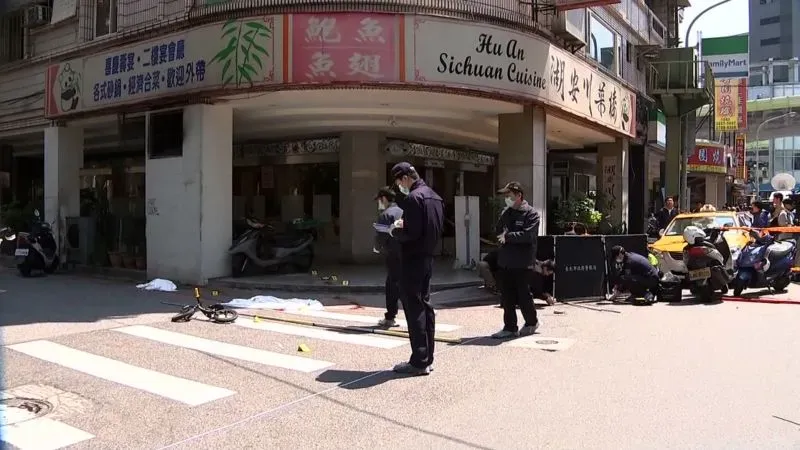
Witnesses described chaotic scenes as the attacker unleashed violence during rush hour, throwing smoke bombs and assaulting innocent bystanders. The quick response by law enforcement, however, faced challenges, highlighting the need for robust emergency response protocols. Officials have since vowed to bolster security measures across all major transportation hubs, aiming to prevent future Taipei crime news from becoming a reality that frightens both locals and tourists.
Taiwan Violence Incident: Background and Reactions
This tragic event is not an isolated one but speaks volumes about sporadic violence that occasionally erupts in urban environments. The suspect, a 27-year-old Taiwanese man with a criminal record, had previously been wanted by authorities, prompting questions regarding how such individuals can slip through safety nets. Public response has been one of outrage and concern, with many Taiwanese citizens echoing the need for introspection into societal issues that could lead to such violent actions.
The government’s commitment to a thorough investigation is promising, as it not only seeks to uncover the motives behind this attack but also aims to provide transparency and reassurance to the populace. Taiwanese President William Lai’s vow to facilitate a swift and open inquiry into the perpetrator’s background, including any affiliations or previous encounters with law enforcement, showcases the leadership’s determination to tackle the issue head-on. The incident’s aftermath highlights a critical period for Taiwan to reflect on its policies regarding mental health and support for individuals at risk of committing violent acts.
The Aftermath of Taipei Metro Attack
In the wake of the Taipei metro attack, a significant shift in public consciousness regarding safety and security in Taiwan has occurred. Citizens are now grappling with the unsettling reality that even a nation renowned for its tranquility is not immune to unexpected violence. Videos circulating on social media depict the harrowing chaos of the incident, further fueling discussions about the need for improved situational awareness and preparedness among the population.
In response to the attack, transportation authorities have already initiated enhanced security protocols at metro stations, shopping centers, and other public areas. These measures aim not only to deter crime but also to reassure the public that their safety is a priority. Additionally, there is a renewed focus on integrating emergency response training into public education, fostering a culture of vigilance and cooperation in emergency situations.
Examining Motives Behind the Taiwan Stabbing News
The motives behind the Taipei knife attack remain an area of active investigation, with officials combing through the suspect’s past for clues that might explain his actions. Recent data indicates a concerning trend in violent incidents globally, prompting many to ask what underlying factors lead individuals to commit such drastic acts. Understanding these motivations is crucial for not only addressing the specific case at hand but also preventing similar tragic events in the future.
Exploring the suspect’s background may uncover connections to societal issues such as mental health struggles, familial problems, or even past traumas. By comprehensively analyzing these influences, authorities can develop targeted interventions aimed at vulnerable populations. The headlines surrounding Taiwan stabbing news will serve as a crucial reminder of the importance of social support systems and early intervention strategies.
Impact of the Smoke Bomb Incident Taiwan
The implications of the smoke bomb incident in Taiwan extend far beyond the immediate physical injuries inflicted during the attack. This devastating event has instigated discussions about urban security, collective trauma, and the psychological impacts faced by victims and witnesses alike. Many survivors are likely to experience long-term psychological effects, urging the community to provide adequate mental health resources to those affected.
Furthermore, as communities process this incident, there is a heightened awareness of the potential for violence in public spaces. Residents are increasingly calling for dialogue about proactive measures that could be taken to enhance personal security while navigating their daily routines. Local governments are expected to prioritize community engagement and establish support networks that allow citizens to voice their concerns regarding public safety.
Preventing Future Violent Incidents in Urban Areas
The violence witnessed during the recent Taipei metro attack prompts a vital conversation about how urban areas can better protect their inhabitants from similar acts of aggression. Strategies for prevention must encompass a multifaceted approach that includes enhancing police presence, employing surveillance technologies, and fostering community vigilance. Regular drills and public safety campaigns could serve to better educate citizens on recognizing and reporting suspicious activities.
The collaboration between law enforcement and mental health professionals is crucial in developing a comprehensive strategy for addressing potential threats. By identifying at-risk individuals and providing them with the necessary support, communities can hopefully reduce the likelihood of violence. The lessons learned from this tragic event can pave the way for improved safety measures, ultimately making cities across Taiwan safer for all.
Community Response to the Taipei Knife Attack
In the aftermath of the Taipei knife attack, community response has been overwhelmingly one of solidarity. Local gatherings and vigils have emerged, allowing residents to mourn the victims and stand united against violence. Such collective healing processes not only serve to honor those who lost their lives but also to reaffirm the community’s commitment to safety and resilience in the face of terror.
Social media has played a significant role in organizing these events, illustrating the power of digital platforms in bringing communities together in times of crisis. Additionally, many community leaders and organizations are advocating for open discussions about violence and its impacts, reflecting a collective desire to address the root causes to prevent future incidents.
Examining Taiwan’s Low Crime Rates Amidst Recent Violence
Taiwan is known for its low crime rates, especially in comparison to larger metropolitan areas across Asia. The recent knife attack has shaken these perceptions, leading many to question what contributes to Taiwan’s historically low levels of violence. Despite the tragedy, experts emphasize that Taiwan remains one of the safest places to live, and such incidents are often anomalies rather than indicative of a broader trend.
The underlying factors contributing to Taiwan’s safety could include a strong sense of community and effective law enforcement strategies. However, as this shocking violence incident demonstrates, ongoing societal changes must be addressed to maintain the country’s peaceful reputation. Policy makers and community leaders are now tasked with ensuring that the values of safety and security remain at the forefront of public consciousness.
Lessons Learned from the Taipei Knife Incident
Every violent incident provides an opportunity for reflection and growth, and the Taipei knife event is no exception. In the wake of the attack, officials and community leaders are calling for a thorough examination of public safety protocols and emergency response systems. Lessons learned from this incident could lead to actionable changes that improve safety measures across all urban centers in Taiwan.
Moreover, discussions regarding mental health awareness and support networks have become increasingly important. There is a growing understanding that addressing the mental well-being of individuals, especially those in crisis, is essential for preventing violence. Investing in mental health resources could yield a significant impact in creating a safer environment, ultimately fostering a society that prioritizes both physical and psychological well-being.
Frequently Asked Questions
What happened during the Taipei knife attack?
The Taipei knife attack occurred when a 27-year-old man went on a stabbing spree in the Taiwanese capital. He killed three people and injured nine others after setting off smoke bombs at Taipei’s main metro station during the evening rush hour.
Who was the suspect in the Taipei knife attack?
The suspect in the Taipei knife attack was identified as Chang Wen, a Taiwanese man with a criminal record. His motives for the violent incident remain unclear, though he was wanted by authorities prior to the attack.
What measures are being taken following the Taipei crime news?
In response to the Taipei crime news surrounding the knife attack, Taiwanese Premier Cho Jung-tai has ordered increased security measures at metro and railway stations as well as airports to prevent further violence.
Can you provide details on the Taipei metro attack?
The Taipei metro attack took place around 5:20 PM when the suspect detonated smoke bombs and stabbed victims while fleeing from one metro station to another. This incident was shocking given the low rates of violent crime in Taiwan.
What is the response from Taiwanese authorities regarding the Taiwan violence incident?
Following the Taiwan violence incident, President William Lai has pledged a thorough investigation into the attack, focusing on the suspect’s background and potential motives behind the violent spree.
How did the Tokyo smoke bomb incident Taiwan relate to the Taipei knife attack?
The smoke bomb incident in Taiwan directly preceded the Taipei knife attack; the suspect utilized smoke bombs to create chaos at Taipei’s Main Station, aiding his escape while attacking unsuspecting victims.
What historical context should be considered regarding the Taipei knife attack?
The Taipei knife attack is particularly notable as it marks one of the rare occurrences of such violence in Taiwan. The last major stabbing incident in Taipei occurred in 2014, when four people were killed on an underground train.
What additional weapons did the suspect use during the Taipei stabbing news event?
During the Taipei stabbing news event, the suspect not only wielded a knife but also picked up additional weapons, including Molotov cocktails, after detouring to his hotel before returning to the scene.
| Key Point | |
|---|---|
| Incident Overview | A knife attack occurred in Taipei, resulting in the deaths of at least three people and injuring nine others. |
| Suspect Details | The attacker was identified as 27-year-old Chang Wen, a Taiwanese national. |
| Nature of the Attack | The attacker used smoke bombs and a large knife during the incident, which began at Taipei’s main metro station. |
| Timeline | The attack took place on Friday at approximately 5:20 PM local time during rush hour. |
| Reaction | Taiwanese Premier Cho Jung-tai ordered increased security at transport hubs following the attack and called for a thorough investigation. |
| Historical Context | Such violent attacks are rare in Taiwan; the last major incident occurred in 2014, resulting in four deaths. |
| Aftermath | The suspect died from injuries sustained after falling from a building as police surrounded him. |
Summary
The Taipei knife attack marks a tragic event in the city, as it resulted in multiple fatalities and injuries. This incident, characterized by a knife-wielding assailant and the use of smoke bombs, is an outlier in Taiwan’s low-crime environment, underscoring the urgent need for enhanced security measures in public spaces. The investigation into the motives and background of the attacker is crucial to prevent similar incidents in the future.