Listen to this article
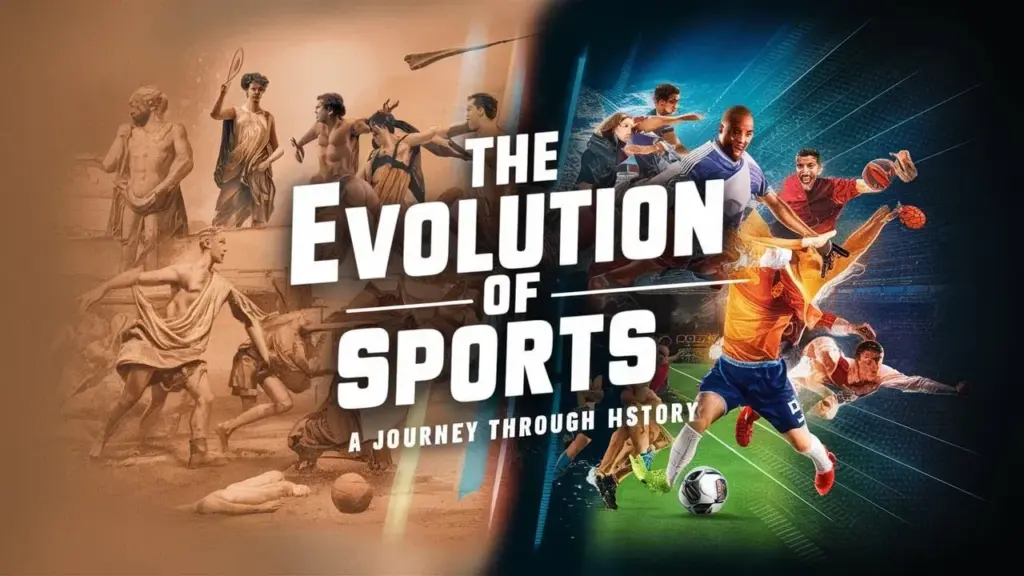
The Evolution of Sport showcases the remarkable journey of physical competition as it has transformed through the ages. From the ancient games played by civilizations like the Sumerians and Egyptians, to the grand spectacle of the Olympic Games, sport has been intertwined with humanity’s quest for excellence and community. The history of sports reflects societal changes, technological advancements, and a growing globalization that connects athletes and fans across the globe. As we trace the lineage from these ancient sports to the dynamic modern competitions we witness today, it becomes clear that sport is not merely entertainment, but a powerful force shaping cultural identities and values. Understanding this evolution not only enriches our appreciation of sports but also highlights their enduring impact on society.
The transformation of athletic endeavors over time reveals a fascinating narrative of human creativity and competitiveness. The journey from primitive contests in ancient societies to structured sporting events in contemporary culture underscores a deep-rooted connection to communal identity and individual achievement. Historical athletic practices have laid the groundwork for a diverse array of modern competitions and international spectacles, including the renowned Olympic Games. This historical perspective on sport underscores its role in fostering global engagement, reflecting societal shifts, and promoting cultural exchange. As we examine the trajectory of sports—marked by the emergence of new forms and global participation—we uncover the intricate ways these activities intertwine with our lives.
The Origins of Sports in Ancient Civilizations
The origins of sports can be traced back to ancient civilizations where physical competition was intertwined with rituals and social customs. Historical records indicate that sports began as a means of showcasing strength, agility, and skill. Engage in various forms of competition, such as wrestling, running, and ball games, societies recognized the importance of physical prowess not only in entertainment but also in warfare and societal prestige.
Cultures such as the Sumerians, Egyptians, and Greeks placed significant emphasis on sporting events. For instance, in ancient Greece, the Olympic Games served not just as a competition but also as a festival honoring the gods. This intertwining of sports with religious practices underscores the deep historical significance of athletics as a way to unite communities and celebrate their cultural identities.
The Development of Ancient Sports and Their Societal Impact
In ancient times, sports were more than mere games; they were essential to societal structure and identity. The Romans, for example, used gladiatorial contests and chariot races not only for entertainment but as means to display the power of their empire. These events drew massive crowds and reinforced social hierarchies while helping the populace bond over shared experiences.
Furthermore, in various Asian cultures, sports like wrestling and martial arts were expressions of philosophy and moral values. This depiction of sports serving both physical and spiritual empowerment highlights their multifaceted role in ancient societies, establishing a rich legacy that continues to influence modern sports.
The Role of Sports in Medieval Times
During the medieval period, the fall of the Roman Empire led to a decline in organized sports. However, it was also a time of transformation where new forms of competition emerged. Jousting, for example, became a beloved sport among the nobility, reflecting the chivalric values of the time. Jousting not only showcased knights’ martial skills but reinforced their social standing in a feudal society.
Despite the challenges faced during this era, the spirit of competition persisted. The revival of interest in physical fitness during the Renaissance paved the way for the establishment of more organized sports, setting the foundation for the modern sporting world and demonstrating society’s unyielding desire for competition and community.
The Birth of Organized Sports in the 19th Century
The 19th century signified a pivotal shift in the landscape of sports with the advent of organized competitions. The effects of the industrial revolution brought about urbanization, leading to the formation of sports clubs and governing bodies. This era witnessed the establishment of iconic organizations such as the Football Association in England, marking a significant step toward formalizing rules and creating competitive leagues.
This period was also crucial for inclusivity in sports, particularly with the rise of women’s events. The first women’s tennis championship at Wimbledon in 1884 exemplified this change, allowing women to partake more actively in sports and challenging traditional gender roles. The organized structure of sports during this time represented a broader societal shift towards equality and recognition of diverse participation.
The Globalization of Sports in the 20th Century
As the 20th century dawned, globalization transformed the sports landscape dramatically. The introduction of mass media, especially television, allowed sports to reach a global audience, turning local events into international spectacles. The Olympic Games evolved into a platform for countries to showcase their athletes, fostering a sense of unity and competition among nations.
The effects of globalization extended to the cultural exchange facilitated through sports. Iconic athletes such as Jesse Owens and Muhammad Ali emerged as global figures transcending sports, symbolizing broader social movements and inspiring generations. This trend has continued into modern times, where sports serve as a common language among diverse cultures.
Technological Advancements Shaping Modern Sports
In the contemporary era, technology plays an integral role in sports, transforming how athletes train, compete, and engage with fans. Innovations in performance analytics, training equipment, and injury prevention have led to unprecedented levels of athletic excellence. Athletes now harness cutting-edge technology to enhance their performance, helping to push the boundaries of human capability.
Additionally, technology has revamped fan experiences and engagement, with social media connecting fans and players like never before. Platforms such as Twitter and Instagram allow for real-time interaction during events, creating a vibrant community around sports. The convergence of technology and sports promises to redefine how competitions are perceived and enjoyed in future.
The Commercialization of Sports: A Double-Edged Sword
The commercialization of sports has led to significant economic impacts, both positive and negative. On one hand, sponsorship deals and broadcasting rights have generated enormous revenue streams for sports leagues and organizations, elevating the status of athletes and events. This financial influx allows for enhanced facilities, better training programs, and increased opportunities for aspiring athletes.
However, this commercialization raises concerns about the integrity of sports and the pressure on athletes to perform. The focus on profitability can overshadow the true spirit of competition, with sports potentially becoming a platform for profit rather than a venue for honest competition. A careful balance must be struck to ensure that the essence of sports remains intact amidst the business pressures.
Cultural Significance of International Competitions
International competitions like the FIFA World Cup and the UEFA Champions League illustrate the profound cultural significance of sports. These events attract diverse audiences from around the world, fostering a sense of community and shared identity among fans. Watching these competitions allows people to connect across borders, celebrating their love for the game and their nations.
Moreover, such competitions often serve as platforms for cultural exchange and dialogue. They can break down barriers, promote understanding, and encourage peaceful interactions among nations. As sports continue to gain global traction, their role in promoting cultural solidarity and bridging differences becomes increasingly vital.
The Future of Sports: Innovations on the Horizon
Looking forward, the future of sports is poised for significant advancements fueled by innovations in various fields. Virtual and augmented reality are likely to enhance fan experiences, creating immersive environments where spectators can engage with events like never before. E-sports, on the rise, challenge traditional definitions of competitive sports, leading to new forms of fandom and participation.
The integration of technology in sports promises a continuous evolution, driven by societal changes and consumer interests. As these innovations unfold, the sports landscape will adapt, possibly leading to new formats of competition and engagement. The essence of sports — a testament to human capability and competitiveness — will transcend time, promoting health, community, and connection.
Frequently Asked Questions
What is the significance of the Olympic Games in the evolution of sport?
The Olympic Games, first held in 776 BC in Olympia, Greece, are crucial to the evolution of sport as they established a tradition of competitive excellence and cultural unity among city-states. They celebrated athleticism and honor, influencing the development of modern sports and promoting competitive spirit globally.
How did ancient sports influence modern sporting events?
Ancient sports laid the foundation for modern sporting events by introducing concepts of organized competition, formal rules, and athletic excellence. Events like running and wrestling from antiquity evolved into today’s Olympic events, showcasing the continuous influence of history on modern sports.
What role did globalization play in the evolution of sport?
Globalization significantly impacted the evolution of sport by expanding the reach of competitions like the FIFA World Cup and the Olympics, facilitating cultural exchange and promoting international unity through sports, thereby transforming local pastimes into global spectacles.
How did the Renaissance affect the evolution of sport?
The Renaissance sparked a renewed interest in physical fitness and competitive games, which marked a critical point in the evolution of sport, leading to more structured sports systems and the rise of modern sports clubs that continue to exist today.
What technological advancements have influenced the evolution of sport?
Technological advancements such as performance analytics, high-tech sports equipment, and broadcasting technology have greatly influenced the evolution of sport, enhancing athlete training, improving viewer experiences, and transforming sports into a high-tech industry.
How did women’s participation evolve within the context of modern sports?
Women’s participation in sports evolved significantly during the 19th century, with events like the first women’s tennis championship at Wimbledon in 1884 paving the way for greater visibility and acceptance, transforming societal attitudes towards gender roles in sports.
What are some ancient sports that have shaped modern athletic competitions?
Ancient sports like wrestling, running, and martial arts have significantly shaped modern athletic competitions, influencing everything from Olympic events to global sports traditions that are practiced today.
What impact did the industrial revolution have on the evolution of sport?
The industrial revolution spurred urbanization, leading to the formation of sports clubs and organizations as leisure activities became essential for workers. It marked a pivotal shift in the evolution of sport as structured competitions became more formalized and accessible to the public.
In what ways have social media platforms contributed to the evolution of sport?
Social media platforms have revolutionized the evolution of sport by enhancing fan engagement, allowing real-time interactions, and providing widespread access to sports content, fostering a deeper connection between athletes and fans.
How does the history of sports reflect societal changes over time?
The history of sports reflects societal changes by illustrating evolving cultural values, attitudes toward competition, and technological advancements. Each phase of sports evolution captures shifts in societal norms, showcasing how sports adapt to meet the prevailing cultural context.
| Key Points | Details |
|---|---|
| Ancient Origins | Sports date back to ancient civilizations, with the first Olympic Games held in Olympia, Greece, in 776 BC. |
| Evolution through Civilizations | Different cultures, including the Romans and Asians, embraced unique forms of sport reflecting their values. |
| Birth of Modern Sports | The 19th century saw sports clubs form, and women’s participation began to grow significantly. |
| Globalization of Sport | The transition to the 20th century involved mass media, transforming local events into global spectacles. |
| Impact of Technology | Advancements in training and analytics have revolutionized athletic performance and fan engagement. |
| Influence of Globalization | International events foster cultural exchange, while commercialization raises ethical concerns in sports. |
| Future of Sports | Emerging technologies like VR and AR signify ongoing changes, and e-sports challenge traditional views on competition. |
Summary
The evolution of sport highlights a rich history that reflects human culture and societal values. From the ancient games of the Sumerians and Greeks to the global sports industry we see today, each era has contributed uniquely to the development of competitive activities. Understanding the evolution of sport provides insights into how these activities have transformed with technological advancements, globalization, and changing cultural norms. As we look to the future, sports will continue to serve as a vital platform for physical exertion, competition, and social connection, shaping future generations in their pursuit of excellence.