
Listen to this article
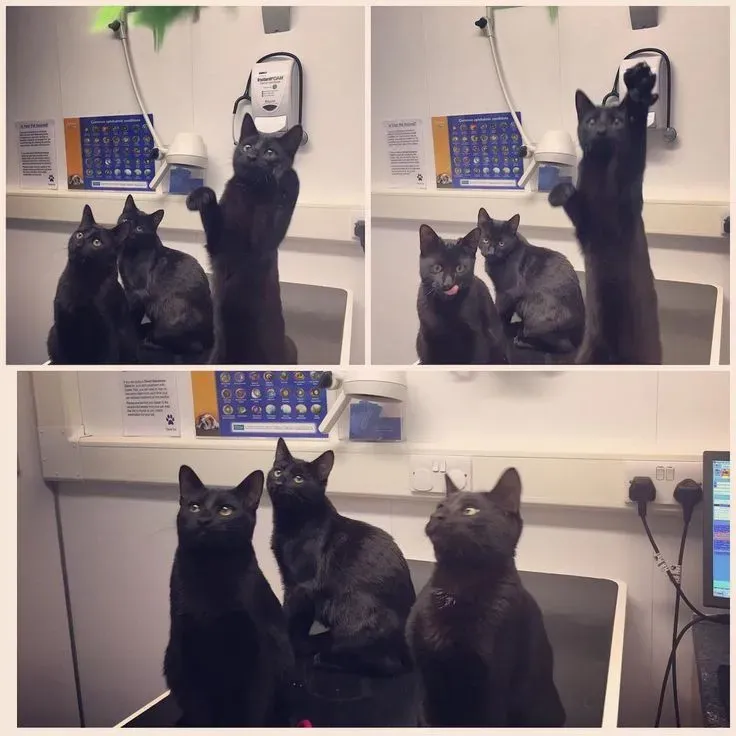
In a remarkable tale of compassion and determination, three kittens rescued from the Thames have captured hearts and highlighted the urgent need for animal welfare. These innocent lives were unceremoniously thrown into the river from Twickenham Bridge, but thanks to brave passers-by, their story did not end in tragedy. The kittens’ daring rescue not only showcased community spirit but also shone a light on the ongoing issue of abandoned animals. After being cared for at a veterinary clinic for three weeks, these Thames kittens have found loving homes, with two settling in Chiswick and one in Suffolk. Their harrowing escape reminds us of the importance of kittens adoption and the need for vigilant rescue efforts in our communities.
The plight of the three felines, which were salvaged from the depths of the Thames, brings to mind various terms such as animal rehabilitation and the saving of stray creatures. As they were unceremoniously discarded from Twickenham Bridge, their misfortune turned into a heartwarming rescue story thanks to the quick-thinking individuals who intervened. This incident not only calls into question the necessity of proper care for pets but also emphasizes the role of pet adoption in providing homes for vulnerable animals. The transformation of these rescued kittens into beloved companions showcases the triumph of empathy over cruelty, reinforcing the vital work of animal shelters and welfare organizations. Engaging the community in rescue actions ensures that stories like this don’t just end in rescue but lead to lasting change in attitudes toward caring for all animals.
Kittens Rescued from Thames: A Heartwarming Tale of Survival
In a remarkable act of bravery, three kittens were rescued by compassionate passers-by after being cruelly thrown into the Thames from Twickenham Bridge. This traumatic event unfolded on November 30, capturing the attention of animal welfare advocates and the public alike. The kittens experienced a harrowing ordeal as they struggled against the current, with one being saved just in time while the others were later discovered on a mudbank. This incident highlights the importance of vigilance and kindness, reminding us that even in moments of despair, there can be hope and heroism.
The story of these kittens rescued from the Thames serves as a clarion call to action for animal rescue organizations and supporters of animal welfare. After enduring significant trauma, the kittens were nursed back to health at a local veterinary clinic, where they spent three weeks recuperating. Their journey from peril to protection not only illustrates the resilience of these tiny animals but also emphasizes the crucial role of community intervention in safeguarding vulnerable lives. Thanks to the dedication of their rescuers, these kittens are now enjoying loving homes in Chiswick and Suffolk.
The Role of Animal Welfare in Rescuing Abandoned Kittens
Animal welfare organizations play an integral role in addressing cases like the kittens rescued from the Thames. These organizations are dedicated to the protection and humane treatment of animals, providing vital resources for rescue efforts and rehabilitation programs. In light of this incident, it is essential to raise awareness about the importance of reporting animal cruelty and neglect. Individuals must understand their responsibility in advocating for animal rights and supporting local shelters and rescue initiatives.
Moreover, the awareness raised by incidents such as the rescue of the kittens by Twickenham Bridge can lead to greater community involvement in animal welfare activities. Volunteer opportunities for fostering and donating to animal shelters can significantly impact the lives of animals in need. By educating the public on responsible pet ownership and the consequences of abandonment, we can collectively work toward creating a safer environment for all pets, ensuring stories of survival become the norm rather than the exception.
As we reflect on incidents involving abandoned or mistreated animals, let us remember the joy and companionship that pets can bring into our lives. Initiatives that promote positive interactions between animals and humans are crucial. Kittens, such as those rescued from the Thames, deserve a chance to thrive in loving homes, away from danger and distress.
Finding Forever Homes: The Journey of Rescued Kittens
Once the kittens were rescued from the Thames, their journey toward finding forever homes began. After enduring a traumatic experience, these young felines required extensive veterinary care and nurturing before they could be adopted. The three weeks they spent at the clinic were crucial for their physical and emotional recovery. This time allowed the veterinary staff to ensure that each kitten was healthy and prepared for their transition to adoptive families, emphasizing the importance of post-rescue care.
The successful adoption of the kittens is a testament to the commitment of animal rescue organizations and the fostering networks that exist within communities. The kittens now reside in loving homes, where they can grow, thrive, and be cherished companions. Their story underscores the need for constant advocacy for adoption over purchasing animals from breeders. It highlights how every kitten, regardless of their background, deserves a chance to be part of a family and to fulfill their potential as beloved pets.
Preventing Animal Cruelty: Lessons Learned from the Thames Kittens Incident
The shocking event of the kittens being thrown into the Thames has sparked a wider discussion about animal cruelty and its prevention. Many people may be unaware of the legal implications surrounding acts of violence against animals, as evidenced by the guilty plea of the rescuer, Andrew Shephard. His case is an opportunity to educate the public on the importance of reporting suspicious behavior and supporting legislation aimed at strengthening animal welfare laws. Acts of cruelty can stem from a variety of social issues, including substance abuse, as seen in this incident.
To combat animal cruelty effectively, communities must foster a culture of empathy and responsibility towards all living beings. Educational programs that target schools and local organizations can promote kindness and respect for animals, potentially reducing incidents of neglect and abuse. Engagement in community outreach initiatives and partnerships between welfare organizations and local governments can empower individuals to take action, ensuring that history does not repeat itself and that animals receive the protection they deserve.
The Importance of Community Involvement in Animal Rescue
Community involvement is vital to the success of animal rescue operations. The tremendous efforts made by bystanders to rescue the kittens from the Thames exemplify how collective action can save lives. Individuals stepping forward not only provide immediate assistance during emergencies but also raise awareness of the ongoing need to support animal welfare initiatives. These acts of solidarity lay the groundwork for a compassionate community where animals are treated with respect and kindness.
Moreover, fostering a sense of community can encourage more people to become involved in charitable organizations that assist with kitten adoption, foster care, and rehabilitation efforts. Whether through volunteering, donating resources, or simply spreading the word about the plight of rescued animals, each small action contributes significantly to the overarching goal of ensuring animal welfare. By sharing success stories of rescues, such as those kittens saved from the Thames, communities can inspire one another to take part in efforts to shield vulnerable animals from harm.
Educational Programs: Raising Awareness for Animal Welfare
Implementing educational programs focused on animal welfare can transform communities and significantly reduce cases of neglect and cruelty. Schools and local organizations can collaborate to create curriculum modules that emphasize empathy, responsibility, and the importance of spaying or neutering pets. By teaching young children about the needs and rights of animals, we can nurture a future generation that advocates for animal rescue efforts and fosters a compassionate society.
Additionally, community workshops and events centered around animal care and rescue can further enhance awareness. These events can provide vital resources to potential pet owners, including information about adopting rescued animals like those kittens saved from distressing circumstances, aiding their integration into suitable homes. By fostering a culture of proactive involvement in animal welfare, we can work together to ensure that every kitten, whether rescued or surrendered, receives the respect and care they deserve.
The Role of Veterinary Clinics in Kitten Rehabilitation
Veterinary clinics play a crucial role in the rehabilitation of rescued animals, including the kittens who endured such a perilous experience in the Thames. Upon rescue, these animals are often traumatized and require specialized care to recover physically and emotionally. Veterinarians not only provide essential medical attention, including vaccinations and treatments for ailments, but they also help socialize the animals, preparing them for successful adoption.
The veterinary staff who cared for the Thames kittens demonstrated the profound impact dedicated professionals can have on the lives of animals in need. Their expertise and compassion ensured that these kittens could recover from their traumatic experience and transition safely into loving homes. By continuing to support the efforts of veterinary clinics, animal rescue organizations, and local shelters, we can directly contribute to the healing and protection of countless rescued pets.
Promoting Responsible Pet Ownership to Prevent Abandonment
Promoting responsible pet ownership is essential in preventing abandonment and cruelty toward animals. The tragic incident of the kittens thrown into the Thames from Twickenham Bridge serves as a stark reminder of the consequences of irresponsible ownership. By educating prospective pet owners about the long-term commitment, care, and expenses associated with adopting a pet, we can deter decisions that lead to abandonment.
Community outreach initiatives that focus on pet care, including spaying/neutering programs and training classes, foster an environment where animals are valued members of the family. Encouraging responsible adoption practices is crucial to preventing situations where pets find themselves in peril. By cultivating a responsible pet culture, we can ensure that situations like that which befell the kittens in the Thames become increasingly rare.
The Impact of Animal Rescue Organizations on Society
Animal rescue organizations significantly impact society by providing vital services that address the needs of abandoned, abused, or neglected animals. The rescue of the kittens from the Thames exemplifies how these organizations mobilize resources and community support to save lives. They serve not only as a safety net for vulnerable animals but also as advocates for animal rights and education concerning proper pet care.
Additionally, the work of these organizations fosters a sense of community responsibility towards animal welfare. By participating in or supporting animal rescue efforts, individuals contribute to a collective movement that emphasizes compassion and humane treatment of all animals, reinforcing the message that every creature deserves love and security. Through heightened awareness and action, we can continue to uplift the mission of animal rescue organizations and foster a more humane society.
Frequently Asked Questions
What happened to the kittens rescued from the Thames?
Three kittens were rescued by passers-by after being thrown into the Thames from Twickenham Bridge. They were retrieved from the river, with one saved before it fell in and the other two found on a mudbank.
Who is responsible for throwing the kittens into the Thames?
The individual responsible for throwing the kittens into the Thames was identified as Andrew Shephard, who was reported to be very drunk at the time. He has pleaded guilty to causing unnecessary suffering to the animals.
How did the community respond to the kittens rescued from the Thames?
The community reacted quickly to rescue the kittens from the Thames, with bystanders bravely climbing down to save them from the freezing waters and mud, showcasing strong animal welfare and community spirit.
Where are the kittens that were rescued from the Thames now?
After spending three weeks in a veterinary clinic, the kittens rescued from the Thames have found new homes, with two adopted in Chiswick and one in Suffolk.
What can I do to help rescue animals like the kittens from the Thames?
You can support rescue animals like the kittens from the Thames by volunteering at local shelters, fostering animals, or donating to animal welfare organizations that focus on rescuing and caring for abandoned animals.
Can I adopt one of the kittens rescued from the Thames?
Unfortunately, the kittens rescued from the Thames have already been adopted into loving homes, but there are many other kittens in need of adoption at local shelters.
What legal actions were taken against the man who threw the kittens into the Thames?
Andrew Shephard pleaded guilty to three counts of causing unnecessary suffering to the kittens thrown into the Thames, and his sentencing is scheduled for February.
What are the risks to kittens who are thrown into rivers like the Thames?
Kittens thrown into rivers like the Thames are at severe risk of drowning, hypothermia, and injury. Swift action by community members is crucial to ensure their survival.
How can incidents like the one involving the kittens rescued from the Thames be prevented?
Preventing such incidents requires increased awareness about responsible pet ownership, mental health support for individuals struggling with addiction, and strong animal welfare laws to protect vulnerable animals.
What steps should I take if I see an animal in distress like the kittens in the Thames?
If you see an animal in distress, such as kittens stranded in a dangerous location like the Thames, contact local animal welfare organizations immediately and avoid direct confrontation with the animal to ensure your safety.
| Key Point | Details |
|---|---|
| Incident Description | Three kittens were thrown into the Thames from Twickenham Bridge on November 30. |
| Rescue Efforts | Passers-by rescued the kittens; one was saved before falling while two were pulled from the mudbank. |
| Condition of Kittens | They were found nearly lifeless and covered in mud. |
| Post-Rescue Care | The kittens spent three weeks at a veterinary clinic before being adopted. |
| New Homes | Two kittens found homes in Chiswick, one in Suffolk. |
| Legal Consequences | Rescuer Andrew Shephard pleaded guilty to three counts of causing unnecessary suffering. |
Summary
Kittens rescued from Thames have now found their forever homes following a harrowing ordeal. After being thrown into the river by a man reportedly under the influence of alcohol, these three kittens were saved by compassionate bystanders who acted quickly to pull them from the muddy waters. Their recovery journey involved three weeks of care at a veterinary clinic, culminating in successful adoptions. This incident sheds light on the importance of animal welfare and responsible pet ownership.