
Listen to this article
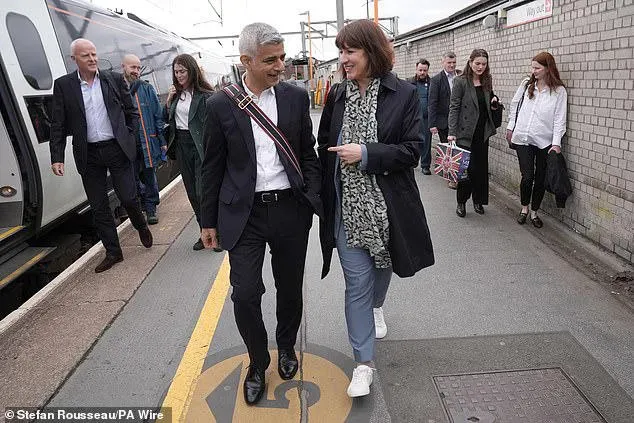
The recent Sadiq Khan Rachel Reeves confrontation has captured the attention of political analysts and London residents alike, shedding light on the dynamics within the city’s government. As the Mayor of London, Sadiq Khan has voiced expectations of honesty and transparency from the Chancellor, particularly regarding infrastructure funding and transport projects London desperately needs. Allegations surfaced suggesting that Khan was unceremoniously asked to leave Reeves’s office amidst discussions about financial support, raising eyebrows about the state of their working relationship. Despite these claims, both leaders have downplayed the incident, with Khan insisting that their relationship remains “very fraternal.” In this increasingly critical political landscape, the implications of this encounter could resonate with the ongoing debates surrounding Sadiq Khan news and Rachel Reeves latest updates in British politics.
In the political realm, the incident involving Sadiq Khan and Rachel Reeves has sparked conversations about their interactions over funding for the capital’s infrastructure. This unexpected clash highlights the complexities of managing transport initiatives in London and the necessity for collaboration between local leaders and government officials. Although both Khan and Reeves have characterized their relationship positively, the confrontation has prompted a reevaluation of how leaders negotiate the financial backing vital for urban development. With transport projects London requires hanging in the balance, the dialogue between these prominent figures is essential, as it indicates broader themes of accountability and partnership within the city’s infrastructure planning.
Understanding the Sadiq Khan-Rachel Reeves Confrontation
The recent dispute between Sadiq Khan, the Mayor of London, and Rachel Reeves, the Chancellor, has captured significant attention in the media. Allegations emerged that Khan was abruptly asked to leave Reeves’s office during discussions aimed at securing additional funding for London’s infrastructure projects. This confrontation, significant in itself, sheds light on the dynamic relationship between city politics and national finance. As these leaders navigate the challenges of infrastructure funding, it’s crucial to examine the implications this incident holds for the transport projects in London and the broader political climate.
Khan addressed the London Assembly in response to questions regarding the confrontation, insisting that their relationship remains amicable. The Mayor stated, “I’ve never been thrown out of anyone’s office,” emphasizing the fraternal nature of his interactions with Reeves. Despite the tension reported between them, both politicians have sought to downplay the encounter. For Londoners, this dialogue is crucial as it pertains to the urgent needs for transport and infrastructure improvements in the capital, which are vital for the city’s growth and development.
Impacts of Transport Projects on London’s Infrastructure
Transport projects are at the heart of London’s infrastructure strategy, directly affecting everyday life for millions of residents and commuters. Investments in systems like the Docklands Light Railway (DLR) extension and the proposed Bakerloo Line extension are critical for enhancing connectivity and reducing congestion in the capital. Sadiq Khan has been vocal about the necessity of these projects to support London’s growing population and economy, making his lobbying efforts towards the Treasury increasingly pertinent. Limited financial support from the government, however, poses challenges to these vital transport enhancements.
Furthermore, effective infrastructure funding is essential not just for immediate transport needs but also for long-term sustainability. The dialogue surrounding the Mayor’s recent interactions with Chancellor Reeves reflects a broader conversation about accountability and transparency in government spending. As leaders like Khan push for increased investment, it highlights the need for a cohesive strategy that addresses both the immediate requirements for transit improvements and the long-term vision for London’s infrastructure.
The Political Dynamics Between Khan and Reeves
The political relationship between Sadiq Khan and Rachel Reeves is emblematic of the intricate dance between local governance and national policies. Khan, representing the interests of a burgeoning city, and Reeves, tasked with overseeing the financial viability of those interests, must find common ground to ensure London’s infrastructure needs are met. Khan’s insistence on maintaining a fraternal rapport with the Chancellor suggests a desire to collaborate despite political pressures, which is essential for fostering productive discussions about crucial funding.
The backdrop of these dynamics is a political landscape that is often fractious, particularly in times of financial constraint. Khan’s commitment to advocating for London, even in the face of challenging circumstances, serves as a reminder of the essential role local leaders play in national narratives. The effectiveness of this dialogue will ultimately hinge on their ability to work together, and both politicians must navigate their relationship carefully to ensure that London’s infrastructure projects remain at the forefront of their priorities.
Addressing Funding Concerns for London’s Future
As Sadiq Khan continues to advocate for London’s transport infrastructure, concerns about funding remain paramount. The confrontation between him and Rachel Reeves highlights the critical need for clarity and commitment regarding financial backing for essential projects. Khan’s assertion that he will keep challenging the government reflects an understanding that London cannot thrive without substantial investment and proactive dialogue with officials overseeing financial allocations.
Moreover, the Mayor’s position emphasizes his responsibility not only to represent the city’s immediate needs but also to communicate successfully with the Cabinet about the importance of infrastructure funding. As transport projects like the West London Orbital gain prominence, meeting these challenges requires a unified approach from both local and national leaders. The outcomes of Khan’s negotiations with Reeves will significantly influence the trajectory of London’s infrastructure development.
Navigating Challenges in Transport and Funding
Navigating the complexities of transport funding presents ongoing challenges for Sadiq Khan as he seeks to secure necessary resources for London’s infrastructure projects. The reported confrontation with Rachel Reeves underscores the tensions that can arise during negotiations about budget allocations. London, with its vibrant economy and growing population, requires a robust public transport system that can facilitate consistent and reliable travel. Khan’s efforts represent not just a personal pursuit but a collective need for the city.
Furthermore, the effectiveness of Khan’s advocacy is measured against the backdrop of limited financial support announced by the Chancellor. The apparent disconnect between the Mayor’s urgent pleas and the government’s response poses questions about equity and investment priorities. For Londoners, understanding these dynamics and the potential impacts on upcoming transport projects is essential for engaging in civic discussions about their city’s future.
Building Trust in Political Relationships
The building of trust within political relationships is vital for effective governance, particularly in high-stakes environments like those involving significant infrastructure funding. Sadiq Khan’s insistence on an ongoing fraternal relationship with Rachel Reeves reflects a broader strategy aimed at ensuring collaborative progress despite setbacks. Trust can bolster effective negotiations, improving the chances of securing crucial financial support for transport projects in London.
In the wake of their reported confrontation, the necessity for transparency and candid dialogue becomes increasingly significant. Both Khan and Reeves need to reconcile their political objectives with the public’s expectations. Cultivating a trustworthy relationship can create an atmosphere conducive to negotiation, helping both leaders to prioritize their commitments to London’s future.
The Role of the London Assembly in Advocacy
The London Assembly plays a pivotal role in scrutinizing the decisions made by the Mayor, particularly concerning critical issues like infrastructure funding. During Mayor’s Question Time, members of the Assembly held Sadiq Khan accountable regarding the confrontation with Rachel Reeves, illustrating their role in promoting transparency and ensuring that the Mayor effectively represents Londoners’ interests. Their inquiries serve as a significant check on the Mayor’s actions, fostering a strong dialogue around the needs of transport projects.
Moreover, the Assembly provides a platform for various viewpoints, allowing for constructive criticism and recommendations that can enhance governance processes. As Khan continues to fight for increased funding from the government, the Assembly’s involvement becomes crucial in amplifying the city’s collective voice, advocating for the necessary resources to sustain and enhance London’s transport infrastructure.
The Future of Transport in London
Looking towards the future, the transport landscape in London is at a critical juncture. The recent interactions between Sadiq Khan and Rachel Reeves spotlight the urgent need for a clear vision supported by adequate funding for transportation improvements. Significant projects like the Bakerloo Line extension and the West London Orbital remain pressing priorities for the city’s development. For London to maintain its status as a leading global city, investment in transport infrastructure must be prioritized.
As discussions continue between Khan and government officials, the onus will be on both parties to align their strategies effectively. Khan’s advocacy and commitment to transport enhancement will require not only substantial backing but also a collaborative approach that engages diverse stakeholders across the city. The outcomes of these deliberations will ultimately shape the future of transport projects in London, impacting generations to come.
Sadiq Khan’s Strategy for Infrastructure Development
Sadiq Khan’s strategy for enhancing London’s infrastructure centers around building robust relationships with government officials while maintaining a transparent approach with the public. His recent comments regarding Rachel Reeves indicate a commitment to collaboration that is equally matched by a determination to advocate for substantial funding. The necessity of transparency in discussions about costs and allocations only underscores the importance of delivering accountable governance.
Khan’s role as a champion for London means actively communicating the city’s needs and priorities to the government while also holding officials accountable. In this light, his advocacy efforts not only benefit London’s transport projects but also establish an expectation for a dynamic relationship between city officials and national policymakers. This strategic alignment is crucial as it lays the groundwork for future infrastructure investments.
Frequently Asked Questions
What happened during the Sadiq Khan Rachel Reeves confrontation?
The Sadiq Khan Rachel Reeves confrontation reportedly occurred when Sadiq Khan attempted to meet with Chancellor Rachel Reeves to discuss infrastructure funding for London. Allegations suggest he was abruptly asked to leave her office during their discussions. Both parties have since downplayed the incident, emphasizing their positive relationship.
How has Sadiq Khan responded to the confrontation with Rachel Reeves?
Sadiq Khan responded to the allegations by stating that he has never been thrown out of anyone’s office. He described his relationship with Rachel Reeves as ‘very fraternal’ and expressed his commitment to advocating for London’s infrastructure needs during discussions with the Chancellor.
What does Rachel Reeves think about the alleged confrontation with Sadiq Khan?
Rachel Reeves has publicly stated that she does not ‘recognize’ the language used in reports about the alleged confrontation. She reiterated that she has a ‘great relationship’ with Sadiq Khan and emphasized the importance of collaboration regarding London’s funding needs.
What are the funding implications of the Sadiq Khan Rachel Reeves confrontation for transport projects in London?
The confrontation revolved around Sadiq Khan’s lobbying for additional funding for transport projects in London, including the West London Orbital and the Bakerloo Line extension. Following the meeting, Chancellor Rachel Reeves announced limited financial support only for the DLR extension, indicating ongoing concerns regarding infrastructure funding in the capital.
Has Sadiq Khan maintained a good relationship with Rachel Reeves after their confrontation?
Despite the reported confrontation, Sadiq Khan has maintained that his relationship with Rachel Reeves remains strong and ‘very fraternal.’ Both he and Ms. Reeves have indicated their commitment to working together on transport and infrastructure projects for London.
What projects were discussed during the Sadiq Khan Rachel Reeves meeting?
During the meeting between Sadiq Khan and Rachel Reeves, key topics included requests for funding for significant transport infrastructure projects in London, notably the West London Orbital and the Bakerloo Line extension, alongside other transport initiatives.
How are the public perceiving the Sadiq Khan Rachel Reeves confrontation?
The public perception of the Sadiq Khan Rachel Reeves confrontation is mixed, with some interpreting Khan’s reaction as a strong advocacy for London infrastructure and others viewing the confrontation as a sign of political tension. However, both parties have worked to emphasize a cooperative spirit in their professional relationship.
| Key Point | Details |
|---|---|
| Sadiq Khan’s Comments | Sadiq Khan expects Rachel Reeves to be honest about infrastructure costs. |
| Alleged Confrontation Details | Reports claim Sadiq Khan was asked to leave a meeting with Reeves. |
| Khan’s Stance on Relationship | Khan describes his relationship with Reeves as ‘very fraternal’. |
| Response to Accusations | Khan insists he was never thrown out and continues to advocate for London. |
| Reeves’ Statements | Reeves claims she does not recognize the language used regarding the incident. |
| Funding Issues | Khan lobbied for additional funding but received limited support for transport projects. |
Summary
The Sadiq Khan Rachel Reeves confrontation centers around an alleged incident where Khan was reportedly asked to leave Reeves’ office during discussions about funding for infrastructure projects. Both politicians have addressed the situation, with Khan maintaining a fraternal relationship with Reeves despite the claims, while Reeves has downplayed any confrontation. The debate underscores the challenges of lobbying for London’s funding priorities and illustrates the complexities of political relationships amidst pressing urban infrastructure needs.