
Listen to this article
In the bustling metropolis of London, water safety tips are more crucial than ever, especially as winter approaches. Recent statistics from the London Fire Brigade reveal a troubling uptick in water-related incidents during these colder months, highlighting the need for vigilance around rivers, canals, and lakes. With more than 670 reported water incidents this year alone, Londoners must take proactive measures to stay safe near water. The London Fire Brigade emphasizes the importance of awareness, urging the public to heed canal safety tips and make wise choices while celebrating the festive season. When enjoying the city’s waterways, remember to act responsibly and keep these water accidents prevention strategies in mind to protect yourself and others during this time of heightened risk.
As temperatures plummet in the heart of London, safeguarding oneself by the water becomes ever more vital. The necessity for effective strategies to navigate riverbanks, canals, and lakes increases, especially with reports from local authorities indicating a rise in winter-related mishaps. Emphasizing risk management during these chilly months, the London Fire Brigade aims to educate residents about essential practices for canal safety. From recognizing potential dangers to making informed decisions while out and about, embracing these winter warnings can significantly reduce the likelihood of accidents. By staying informed and prepared, Londoners can enjoy the festive ambiance without compromising their safety around aquatic environments.
Understanding the Importance of Water Safety in London
In London, water safety is a paramount concern, especially as the colder months approach. The rise in water-related incidents during winter highlights the importance of staying vigilant and educated about the risks associated with rivers, canals, lakes, and reservoirs. With recent figures from the London Fire Brigade indicating a significant increase in emergency calls, it is crucial for Londoners to understand the risks and take necessary precautions. The simple act of being cautious near water can prevent tragic accidents and save lives.
Water accidents can happen swiftly, leaving little time for rescue. This is why the London Fire Brigade has emphasized the urgency of safety measures, particularly during winter. Cold water shock is a real danger, and even the most confident swimmers can find themselves in perilous situations. It’s vital for residents and visitors alike to familiarize themselves with water safety tips that encompass not just personal safety, but also how to assist others in distress. Staying informed is a key part of ensuring that everyone can enjoy London’s beautiful waterfronts safely.
Water Safety Tips for Londoners
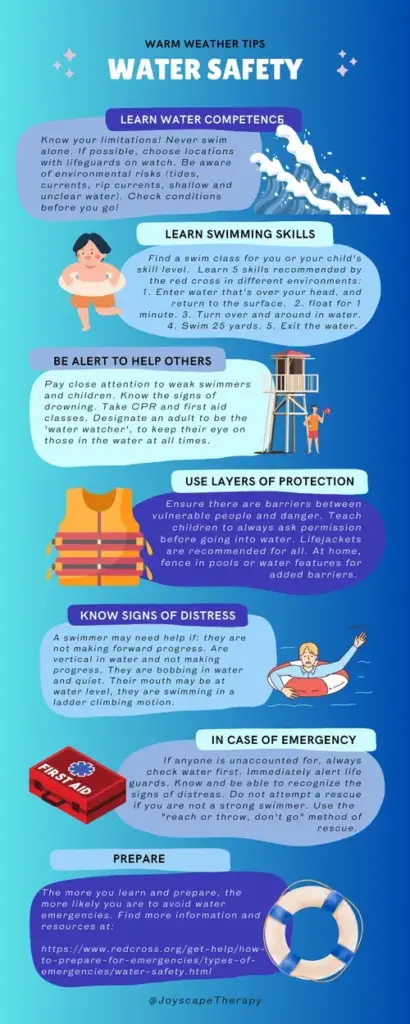
When enjoying the scenic rivers and canals of London, keeping water safety tips in mind is essential. Residents are advised to plan their outings near water by selecting well-lit pathways and avoiding dark or secluded areas after sunset. This strategic approach not only reduces risks but also ensures that individuals can navigate these environments safely. Moreover, if at any point someone notices another person in distress in the water, it is critical to refrain from jumping in. Instead, calling emergency services and providing flotation aids can be lifesaving.
Another key recommendation from safety officials is to avoid alcohol consumption when near water. Many accidents stem from impaired judgment, and festive periods like Christmas can spur increased risk-taking behavior. It’s crucial to remain sober and particularly mindful when walking near rivers or attending events close to water. The London Fire Brigade reminds everyone that incidents can escalate quickly, so prioritizing caution can help avert tragedies and ensure that joyous celebrations remain safe and secure.
Recognizing and Preventing Water Accidents
Water accidents can often be prevented with a proactive mindset. Understanding the local environment—such as typical hazards near the Thames or various canals—can foster a stronger safety culture among Londoners. When one is educated about the signs of danger, such as slippery edges or sudden drops, they can take steps to avoid risky situations. Lifesaving measures should also extend to understanding what to do in an emergency, including how to alert authorities and provide assistance without putting oneself at risk.
Additionally, communities can play a vital role in preventing water-related accidents. Organizing local safety workshops or initiatives led by the London Fire Brigade can educate residents in effective response strategies and awareness. Promoting shared stories of past incidents, like those of Anthony Knott, can serve as poignant reminders of the importance of safety vigilance near water. The goal is to create a knowledgeable public that not only understands water dangers but is also equipped to react appropriately in crisis situations.
Winter Warnings from the London Fire Brigade
As the winter season approaches, the London Fire Brigade has issued crucial warnings to help keep the community safe near water bodies. The significant increase in cold-weather incidents should prompt everyone to heed these warnings seriously. Cold water can be treacherous, and with the short days of winter, visibility can diminish quickly, making it easier for accidents to occur. Taking the time to be aware of these seasonal changes in the environment helps Londoners remain vigilant and prepared.
In light of the cold weather, it’s recommended that families and individuals instill water safety practices into their daily routines. Simple actions, such as teaching children never to play near waterways alone or making a point of walking in groups after dark, can reinforce safety within the community. Through the collaboration of local initiatives and the ongoing education by the London Fire Brigade, Londoners can work together to ensure everyone remains safe during the stark winter months.
Canal Safety Tips for Outdoor Enthusiasts
For those who enjoy leisure activities near the beautiful canals of London, implementing safety measures is essential. Canal safety tips include making sure your personal belongings do not encroach on the water’s edge and remaining aware of your surroundings. Whether you are walking, cycling, or enjoying a run, a moment of inattention near the canal edge can result in a serious accident. Hence, always maintain a safe distance from the water and ensure your children do the same.
Moreover, local authorities often hold events that raise awareness of safety measures around canals. Participating in such activities can enhance one’s understanding of the specific dangers present in these areas. Engaging with community safety campaigns can not only spread awareness but also promote a culture of precaution where everyone works in unison to reduce the potential of water accidents. Investing time in safety education aids both personal safety and collective community awareness.
Emergency Response and Water Safety Education
When incidents occur near water, immediate and effective emergency response is crucial. Understanding how to respond in such emergencies—including calling 999 and following the guidance provided by professionals—can make all the difference. The London Fire Brigade emphasizes the importance of quick action and the critical nature of verbal communication in these moments. Moreover, disseminating educational materials that outline emergency response tactics can empower citizens to act decisively when necessary.
Incorporating water safety education in schools and community programs is another powerful tool to prevent accidents. By teaching children essential safety tips and how to respond to emergencies, we equip the next generation with the skills needed to make wise decisions around water. Community leaders can also establish volunteer groups that promote safety awareness campaigns, helping to create a community more informed about the risks associated with water exposure. Together, through proactive education, we can create safer environments for everyone.
The Role of the Community in Water Safety
Communities play a significant role in promoting water safety awareness. Public campaigns, workshops, and local gatherings can facilitate discussions about water safety and educate residents on best practices. By engaging the community in safety training sessions led by the London Fire Brigade, individuals can learn about dangers specific to their neighborhoods and how to effectively mitigate them. Additionally, these gatherings can foster relationships among residents, creating strong support networks.
Furthermore, community leaders can advocate for the installation of safety measures near lakes and rivers, such as warning signs or barriers where necessary. Collaborative efforts can lead to safer public spaces, encouraging families to enjoy the natural beauty of London without the heightened anxiety of potential water hazards. A proactive community approach to water safety not only educates its members but can also significantly decrease the likelihood of accidents occurring.
Personal Responsibility for Water Safety
Each individual has a role to play in ensuring water safety, particularly in urban areas like London. Personal responsibility involves remaining alert and making informed choices whenever you’re near water. Knowing when and where it is safe to engage in activities such as swimming or fishing can prevent accidents that occur through negligence. By staying informed and adhering to safety protocols, everyone contributes to a better overall safety culture.
Additionally, practicing mindfulness while near water bodies can positively impact both personal safety and the safety of others. A simple pause to reflect on one’s environment before taking risks, or checking in with friends when out near water, can significantly increase everyone’s odds of returning home safely. Instilling these values in daily behavior transforms community perceptions of safety, encouraging an environment where everyone prioritizes water safety together.
Recognizing Signs of Danger Near Water
A critical aspect of staying safe near water involves being able to recognize signs of danger. Murky water, rapid currents, or slippery surfaces can signify potential hazards. Individuals should always approach waterways with caution and an understanding that conditions can change swiftly, especially during adverse weather. Awareness of the environment can help individuals avoid accidents that could otherwise be preventable.
Moreover, it is crucial to inform others about the signs of danger and appropriate responses. Through public awareness campaigns, community members can better articulate what behaviors are risky and how to respond if they spot someone in a hazardous situation. Encouraging local discussions about dangers near waterways serves to enhance public understanding and preparedness, ensuring more people know how to stay safe and assist others in times of need.
Frequently Asked Questions
What are some essential water safety tips for London residents during winter?
London residents should prioritize water safety in winter by avoiding walking close to the edge of rivers, canals, lakes, and reservoirs, especially after dark. It’s crucial to stick to well-lit areas and plan your route carefully. If you encounter someone in difficulty near water, do not enter the water yourself; instead, call 999 and provide assistance by throwing something that floats.
How can I prevent water accidents in London during the colder months?
To prevent water accidents in London during winter, it’s important to remain vigilant near waterways. Always be aware of your surroundings and avoid slippery edges. Dress warmly to avoid hypothermia if you accidentally fall in. Avoid walking alone and ensure you are familiar with canal safety tips. Educate yourself on emergency response by knowing how to contact authorities in case of incidents.
What advice does the London Fire Brigade give for staying safe near water?
The London Fire Brigade advises residents to stay safe near water by avoiding the edges of rivers and canals, planning routes in advance, and walking in groups. They emphasize that if you see someone in distress, calling 999 is the safest action. Additionally, they remind the public to stay away from the water after dark.
Why is water safety important in London during winter?
Water safety is particularly important in London during winter due to increased rainfall and the resultant rise in water levels around rivers and canals. The London Fire Brigade reports a surge in water-related incidents during this time, making it essential for residents to follow water safety tips to prevent tragedies.
What should I do if someone falls into water in London?
If someone falls into water in London, do not attempt to jump in to rescue them — this can put you at risk. Instead, call 999 immediately and look for something that floats to throw to the person. Remember to keep calm and encourage them to stay afloat until help arrives.
Are there specific London water safety tips for festive seasons?
Yes, during the festive season, Londoners should be particularly cautious near water by avoiding walking close to rivers and canals while celebrating. It is advisable to stay in well-lit areas, travel in groups, and always keep an eye on your friends to ensure everyone remains safe near water. The London Fire Brigade stresses these points to help prevent water-related accidents.
| Key Points |
|---|
| Increased incidents: Over 670 water-related incidents in 2023, double from five years ago. |
| Busiest month: December saw 49 water-related callouts, mostly outside summer. |
| Precautions urged: Walkers should stick to well-lit areas near water, especially after dark. |
| Emergency response: Call 999 if you see someone in difficulty; do not enter the water yourself. |
| Personal tragedy: Reminder of risks; firefighter Anthony Knott lost while celebrating near water. |
Summary
Water safety tips London are critical, especially as new incidents rise near waterways. Londoners are advised to remain vigilant during winter, as the number of water-related emergencies has significantly increased. It’s vital to plan your route carefully when out near rivers, canals, lakes, or reservoirs, particularly after dark. Always stick to well-lit areas and be cautious around edges. If you witness someone in trouble, prioritize your own safety and contact emergency services rather than attempting a rescue. Remembering past tragedies, such as the loss of firefighter Anthony Knott, highlights the importance of these precautions to prevent future accidents and ensure community safety.