Listen to this article
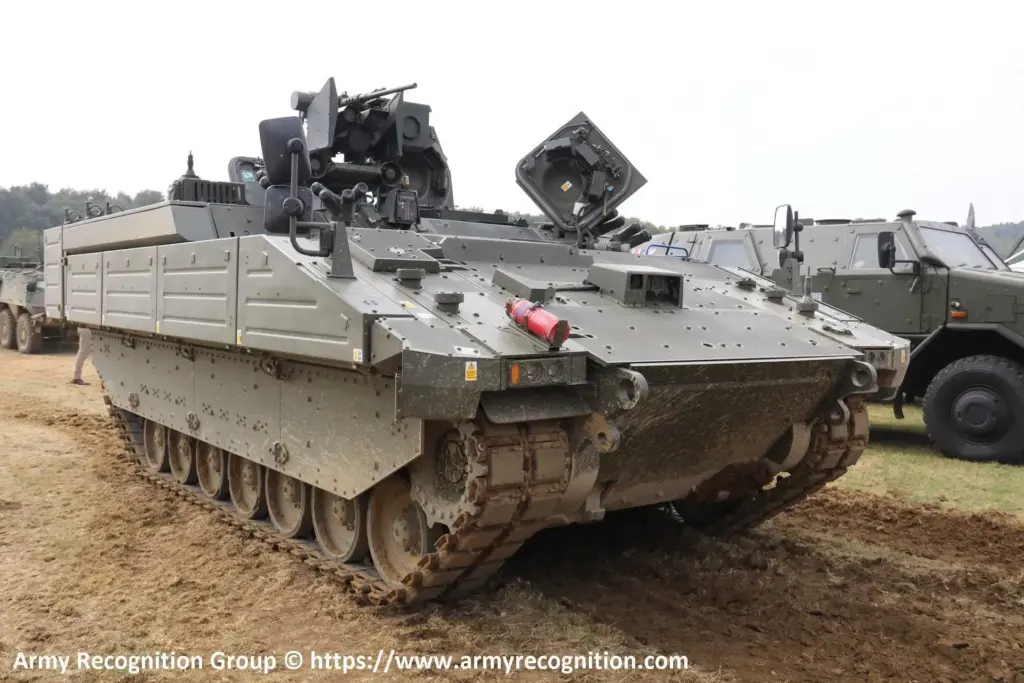
Ajax armored vehicles have become a focal point of concern following a series of soldier injuries during safety trials. The UK government’s decision to halt all testing comes in light of alarming reports of adverse effects such as noise and vibration, which have affected around thirty soldiers during recent exercises. Specifically, investigations led by the Defence Accident Investigation Branch and the Army’s safety investigation team focus on the systemic failures inherent in the General Dynamics Ajax program. As the program faces significant delays, the implications of the Army vehicle trial pause are profound, impacting both military readiness and soldier safety. With all eyes on the ongoing military vehicle investigations, the need for a thorough review is clear to ensure the Ajax vehicle safety and protect the welfare of our armed forces.
The Ajax family of armored platform vehicles, designed for modern warfare, has come under scrutiny due to recent incidents involving soldier injuries. These military machines, built by General Dynamics in Wales, were expected to enhance combat operations but have instead led to serious safety concerns. With multiple investigations underway, military leaders are examining not only the technological reliability of these vehicles but also the broader impact on the health and welfare of troops. The decision to pause the testing and assessment of these vehicles aligns with a commitment to soldier safety, marking a critical juncture as further evaluations proceed. Such developments not only affect military strategy but also the job security of those working in defense manufacturing.
Overview of Ajax Armored Vehicle Safety Issues
The Ajax armored vehicles have been at the center of a significant safety controversy following a series of incidents involving soldier injuries during testing. Recent reports indicate a soldier suffered injuries due to excessive noise and vibration during safety trials, prompting the government to halt all further tests. The ongoing investigations are crucial, as they aim to uncover the root causes of these issues. With over 30 soldiers experiencing health problems during a training exercise, safety concerns surrounding the Ajax program must be addressed promptly to safeguard personnel.
As the government conducts thorough reviews into Ajax vehicle safety, it is imperative to focus on the protocols in place for ensuring soldier well-being. The Defense Minister, Luke Pollard, emphasized that the latest injury report is a serious concern, and he has called for caution in proceeding with any future trials. Investigations from various bodies, including the Defence Accident Investigation Branch, highlight the necessity of a comprehensive approach to understanding the systemic failures linked to the Ajax program.
Frequently Asked Questions
What are the safety concerns associated with Ajax armored vehicles?
Ajax armored vehicles have faced significant safety concerns, particularly relating to soldier injuries due to noise and vibration during trials. Reports indicate that approximately 30 soldiers fell ill during training exercises, leading to investigations into the vehicle’s safety and operational effectiveness.
Who is responsible for the production of Ajax armored vehicles?
The Ajax armored vehicles are produced by General Dynamics, a key defense contractor based in Merthyr Tydfil, Wales. The company is under scrutiny as investigations into the vehicle’s safety features and trials are ongoing following reports of systemic failures.
What prompted the Army to pause testing of Ajax vehicles?
The Army paused all testing of Ajax vehicles after a soldier was injured during safety trials. This decision was made in light of ongoing investigations into previous incidents of soldier injuries related to noise and vibration exposure during training exercises.
How many investigations are currently underway regarding Ajax armored vehicles?
There are currently three investigations underway. These include a review by the Defence Accident Investigation Branch, an Army safety investigation, and a ministerial review specifically focused on the safety issues reported with Ajax armored vehicles.
What impact have Ajax vehicle trials had on soldiers?
Ajax vehicle trials have had a significant negative impact on soldiers, with reports of injuries and illnesses due to excessive noise and vibrations. The government is taking these concerns seriously, leading to restrictions on the use of Ajax vehicles until the investigations are concluded.
What is the future of the Ajax armored vehicle program?
The future of the Ajax armored vehicle program is currently uncertain. The UK government is awaiting the results of ongoing investigations and reviews before making decisions on the program’s continuation, with potential delays extending until 2026 for defense investment planning.
Can soldiers receive support if injuries occur while testing Ajax vehicles?
Yes, soldiers who suffer injuries while testing Ajax vehicles are expected to receive appropriate medical attention and support. Furthermore, ongoing investigations aim to address the long-term safety of the vehicle to prevent future incidents.
What are the financial implications for General Dynamics regarding the Ajax vehicle issues?
There are calls for General Dynamics to bear the financial costs related to the failures of the Ajax program, ensuring that taxpayers are not held responsible. If the program is ultimately scrapped, there is a push for the company to provide support for affected workers in Merthyr Tydfil.
When were Ajax armored vehicles originally scheduled for service?
Ajax armored vehicles were initially slated to enter service in 2019; however, the program has faced numerous delays primarily due to safety concerns related to noise and vibration causing soldier injuries.
What safety measures are being considered for Ajax vehicles?
Safety measures and enhancements for Ajax vehicles are under consideration as part of the ongoing investigations. These measures are aimed at addressing identified systemic failures to ensure the safety and well-being of soldiers operating these military vehicles.
| Key Points |
|---|
| The government has ceased all testing of Ajax armored vehicles due to safety concerns. |
| Three investigations are underway following injuries to soldiers during safety trials. |
| Approximately 30 soldiers reported illnesses related to noise and vibrations. |
| 23 Ajax vehicles have been suspended from use due to these issues. |
| Defense Minister Luke Pollard has emphasized the seriousness of the injuries and called for a pause in trials. |
| The overall program has faced significant delays, with initial service expected in 2019. |
| Ongoing investigations include contributions from the Defence Accident Investigation Branch. |
| Concerns have been raised about job security among General Dynamics’ workforce in Wales. |
| The Ajax program’s issues have delayed government defense investment plans until 2026. |
Summary
Ajax armored vehicles have become a focal point of concern for the UK government following multiple injuries during testing trials. The ongoing investigations highlight serious systemic failures and raise essential questions about equipment safety and soldier welfare. With the future of these vehicles uncertain and with many workers’ jobs at stake, the implications extend beyond military operations, impacting economic stability in regions like Wales where the vehicles are manufactured. Overall, the Ajax armored vehicles program requires urgent attention to ensure the safety and readiness of UK armed forces.