
Listen to this article
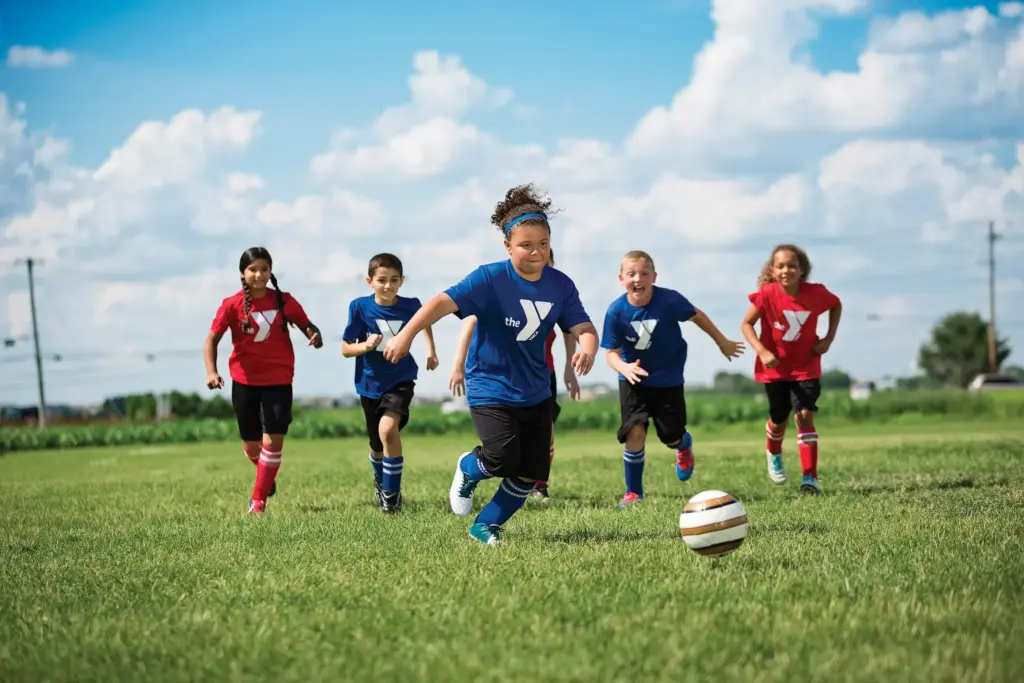
Youth sports play an invaluable role in shaping the lives of children, providing benefits that extend far beyond just physical health. Engaging in these activities not only keeps kids fit, but also promotes crucial mental health improvements, such as reduced symptoms of anxiety and depression. With research highlighting the positive impact of participation on youth sports statistics, it’s clear that children develop vital social skills and confidence through teamwork in sports. Moreover, the friends made during these formative years often lead to lifetime friendships, enriching their childhood experience. As we explore the unseen advantages of youth sports, it becomes evident that these activities serve as a foundation for overall personal development and well-being.
When we discuss athletic programs for children, we often touch on their various advantages, including physical fitness, emotional resilience, and social interaction. Engaging in competitive or recreational sports activities helps young athletes cultivate essential skills that will aid them throughout their lives. Not only do these programs encourage healthy lifestyles, but they also foster teamwork and communication, both critical components of social integration. As children navigate through practices and games, they learn about discipline, leadership, and making lasting connections with peers. These multifaceted experiences create well-rounded individuals equipped for the future.
Understanding the Comprehensive Benefits of Youth Sports
Youth sports offer a range of benefits that encompass not only physical health but also mental and social development. Engaging in physical activity as part of organized sports helps to reinforce the importance of a healthy lifestyle and encourages children to become more active in their daily lives. This foundation is crucial as it leads to decreased risks of illnesses such as obesity and diabetes, while also improving cardiovascular health. Moreover, the thrill of competition and achievement within youth sports can inspire kids to pursue their fitness goals throughout their lives.
In addition to physical fitness, youth sports enhance mental well-being. Research shows that when children engage in sports, they experience reduced anxiety and better mood regulation due to the release of endorphins, also known as the body’s ‘feel-good’ hormones. This is particularly vital during adolescence, a time characterized by self-discovery and emotional challenges. Hence, sports can serve as a sanctuary where youth build resilience and emotional strength, navigating the complexities of growing up.
The Role of Teamwork in Youth Sports
Teamwork is a fundamental component of youth sports, teaching children how to collaborate effectively with peers. In an environment that demands cooperation, young athletes learn to communicate, share responsibilities, and support one another to reach a common goal. These collaborative efforts go beyond the playing field; they foster a sense of unity and belonging that can enhance friendship and facilitate smoother social interactions in other spheres of life.
Additionally, through the ups and downs of competition, youth athletes learn how to resolve conflicts and respect diverse viewpoints. Whether it’s strategizing during a game or navigating disagreements, these experiences develop crucial social skills. Consequently, those who participate in youth sports often find it easier to form connections in school and beyond, leading to a more fulfilling social experience.
The Significance of Confidence Building Through Sports
One of the most empowering aspects of youth sports is the opportunity for children to build self-esteem and confidence. When they achieve individual or team goals, children learn to recognize their capabilities and develop a positive self-image. This process not only encourages them to pursue further successes in sports but also instills a belief in their abilities as they face challenges in life.
Participation in youth sports reinforces the notion of hard work and perseverance. Young athletes learn that consistent effort leads to improvements and accomplishments, a lesson that translates into academic and personal pursuits. As a result, this aspect of sports nurtures a generation that approaches life’s challenges with determination and resilience.
Lifelong Friendships Formed Through Sports
One of the often overlooked advantages of youth sports is the potential for forming lifelong friendships. The shared experiences of training, competing, and overcoming challenges together create strong bonds among teammates. These connections are based on mutual support, shared triumphs, and the emotional growth that comes from working closely with others.
Friendships formed through sports often extend beyond the field, fostering a strong sense of community and belonging. This network of peers can provide emotional support and companionship throughout adolescence and adulthood, enriching individuals’ lives in ways that last well into their later years.
Exploring Youth Sports Statistics
Understanding youth sports statistics provides valuable insights into the impact of sports on children’s lives. Research indicates that children who participate in sports are not only more physically active but also exhibit lower rates of depression and anxiety compared to their less active peers. Moreover, statistics demonstrate that team sports participation correlates positively with improved academic performance, illustrating how active involvement in sports can contribute to holistic development.
Furthermore, studies suggest a link between engagement in youth sports and better social integration. Children who participate in organized sports tend to develop superior social skills, which facilitate friendships and improve communication abilities. These statistics highlight the critical role that sports play in nurturing well-rounded individuals equipped for the challenges of life.
Time Management and Discipline Learned Through Youth Sports
In the fast-paced world we live in, youth sports offer an excellent platform for children to learn about time management and self-discipline. Juggling practices, games, homework, and family responsibilities encourages young athletes to prioritize their time effectively. This balancing act teaches vital organizational skills, ensuring that kids learn how to allocate their time efficiently and meet various commitments.
Such experiences impart valuable lessons in discipline as participants understand the importance of commitment and responsibility to their teams. Through maintaining regular training schedules and respecting team rules, youth athletes develop habits and routines that are essential for academic success and personal growth.
Leadership Skills Development in Youth Sports
Youth sports can serve as a breeding ground for budding leaders. Children who take on roles such as team captains or volunteers gain essential insights into leadership, learning how to motivate their peers and make decisions in high-pressure situations. These responsibilities foster vital skills that are transferable to all areas of life, including school projects and later career roles.
Experiencing the dynamics of teamwork and having the opportunity to lead cultivates characteristics like empathy and accountability. Young athletes not only learn to lead but also to recognize the value of supporting others in their endeavors, forming a balanced approach to leadership that emphasizes collaboration over competition.
The Academic Advantages of Participation in Youth Sports
Participating in youth sports has been shown to yield significant academic benefits for children. Studies indicate that youth athletes often perform better in school than non-athletes, attributing this success to the discipline and focus gained through sports participation. These qualities prove beneficial when tackling schoolwork and exams, as children apply the same determination and teamwork they exhibit on the field.
Moreover, the time management skills developed through sports can lead to improved participation in classroom settings. Young athletes are often more engaged in school, as physical activity has been shown to enhance cognitive functioning and memory retention. Consequently, the academic advantages derived from youth sports extend far beyond the field, impacting long-term educational outcomes.
Encouraging Lifelong Fitness Habits
Engaging in youth sports lays the groundwork for lifelong fitness habits. When children experience the joy of sports and physical activity at an early age, they are more likely to maintain those healthy habits into adulthood. This early exposure helps to instill a love for physical activity, making exercise a regular part of their lives, which subsequently promotes better overall health.
Additionally, fostering an appreciation for sports and exercise sets the stage for a healthier lifestyle, reducing the risk of chronic diseases such as obesity and heart disease in later years. Encouraging such positive habits is essential not just for physical health but also for emotional well-being as children grow into adults committed to health and fitness.
Frequently Asked Questions
What are the main benefits of youth sports beyond physical health?
Youth sports provide numerous advantages that extend beyond just physical health, including improved mental health, social skill development, enhanced self-esteem, and teamwork skills. Participating in sports helps children reduce anxiety and depression, develop confidence, and build lifelong friendships.
How do youth sports contribute to mental health?
Engaging in youth sports promotes mental health by decreasing symptoms of anxiety and depression. Physical activity boosts endorphin levels, fostering positive moods and reducing stress levels while also encouraging a sense of belonging and support among teammates.
What social skills do children gain from participating in youth sports?
Participation in youth sports enhances social skills such as teamwork, communication, respect, and conflict resolution. These skills help young athletes to build friendships and navigate social interactions more effectively, benefiting them both in sports and in academic settings.
How does youth sports build confidence in children?
Youth sports build confidence through goal achievement and personal growth. Successfully scoring, winning games, or mastering a new skill reinforces a child’s belief in their abilities and fosters a sense of accomplishment, which can spill over into other areas of their lives.
Can youth sports lead to lifetime friendships?
Yes, youth sports foster lifelong friendships through shared experiences, teamwork, and emotional support. Bonds formed during practices and competitions often create strong connections that last well beyond childhood.
What role does teamwork play in youth sports?
Teamwork is crucial in youth sports as it teaches children to work collaboratively to achieve common goals. This experience enhances their cooperation skills, instills respect for others, and prepares them for group dynamics in both academic and social situations.
What are the academic benefits associated with youth sports participation?
Research indicates that youth sports can improve academic performance. Active children often demonstrate better focus, concentration, and memory retention, leading to higher grades and attendance rates at school.
How do youth sports help in developing leadership skills?
Youth sports provide children with opportunities to take on leadership roles, whether as team captains or by organizing events. These experiences teach them about responsibility, motivating peers, decision-making, and conflict resolution, laying the foundation for future leadership.
What physical health advantages do youth sports offer?
Youth sports contribute to physical health by promoting healthy weight management, improving cardiovascular fitness, strengthening bones and muscles, and decreasing obesity risks. Engaging in regular physical activity also enhances coordination, balance, and flexibility.
How can parents encourage their children to participate in youth sports?
Parents can encourage youth sports participation by supporting their child’s interests, attending games and practices, and highlighting the benefits, such as improved mental health, physical fitness, and social skills that come from engaging in sports.
| Key Points | Description |
|---|---|
| Physical Health Benefits | Helps maintain a healthy weight, improves cardiovascular fitness, and develops strong bones and muscles. |
| Mental Health Benefits | Reduces symptoms of anxiety and depression, increases feelings of happiness through endorphin release. |
| Development of Social Skills | Fosters teamwork, communication, and conflict resolution skills that enhance social interactions. |
| Building Self-Esteem and Confidence | Achieving goals in sports boosts confidence and teaches the value of hard work and resilience. |
| Time Management and Discipline | Teaches children how to prioritize and balance various commitments effectively. |
| Development of Leadership Skills | Offers opportunities for young athletes to learn about responsibility and motivate others. |
| Lifelong Friendships | Encourages deep connections and camaraderie that can last beyond sports participation. |
| Academic Benefits | Physical activity correlates with better academic performance and higher attendance rates. |
| Encouraging Lifelong Fitness | Ingrains a love for physical activity, contributing to long-term health benefits. |
Summary
Youth sports provide multifaceted benefits that extend beyond just physical well-being. They play a vital role in enhancing mental health, social skills, and personal development among young athletes. The participation in sports helps foster essential life skills, boosts self-esteem, and contributes to academic success through improved discipline and focus. As such, engaging in youth sports is crucial for nurturing well-rounded, healthy individuals who are better equipped to face the challenges of life. Encouraging young people to participate in sports not only promotes fitness but also hopes to build friendships and develop leadership qualities that can last a lifetime.

