
Listen to this article
Sport nutrition is a pivotal aspect of athletic performance, encompassing the dietary strategies that fuel athletes for success. Whether you’re a weekend warrior or a professional competitor, understanding how nutrition for athletes impacts your training and competition is critical. By integrating healthy eating for athletes into your routine, you can optimize both performance and recovery. This guide will share essential sports diet tips, explore pre workout nutrition, discuss meal prep for athletes, and highlight the importance of post workout recovery food. Elevating your athletic performance nutrition will help you reach new heights and achieve your fitness goals.
Athletic nutrition refers to the comprehensive approach to diet tailored for athletes, focusing on the food choices that enhance both performance and well-being. This encompasses not just what athletes eat, but also when they eat, ensuring optimal energy levels and recovery times. A well-planned sports diet can make a significant difference, including essential components like hydration, timing of meals, and the right balance of macronutrients. Proper nutrition strategies—whether through precise meal prep for athletes or understanding the nuances of pre workout nutrition—are vital for maximizing potential in competitive environments. By prioritizing athletic performance nutrition, athletes can significantly improve their training results and overall health.
The Importance of Sport Nutrition for Athletes
Understanding the key role of sport nutrition in an athlete’s performance can illuminate why proper dietary choices are so essential. Nutrition for athletes is not merely about eating more; it’s about eating strategically to support extensive training routines. The right balance of macronutrients—carbohydrates, proteins, and fats—along with micronutrients, hydration, and meal timings is critical in determining athletic performance. Athletes who prioritize their nutrition often see improved strength, speed, and endurance, indicating a clear correlation between eating habits and sports outcomes.
Furthermore, effective sport nutrition fuels an athlete’s body for both training and competition. This means adopting a meal plan that takes into account training schedules, goals, and required recovery protocols. By focusing on energy-rich foods that properly support their physical demands, athletes can optimize their performance levels. Research consistently shows that well-nourished athletes exhibit enhanced levels of concentration and stamina, underscoring the importance of nutritional awareness for competitive success.
Carbohydrates: Fueling Athletic Endeavors
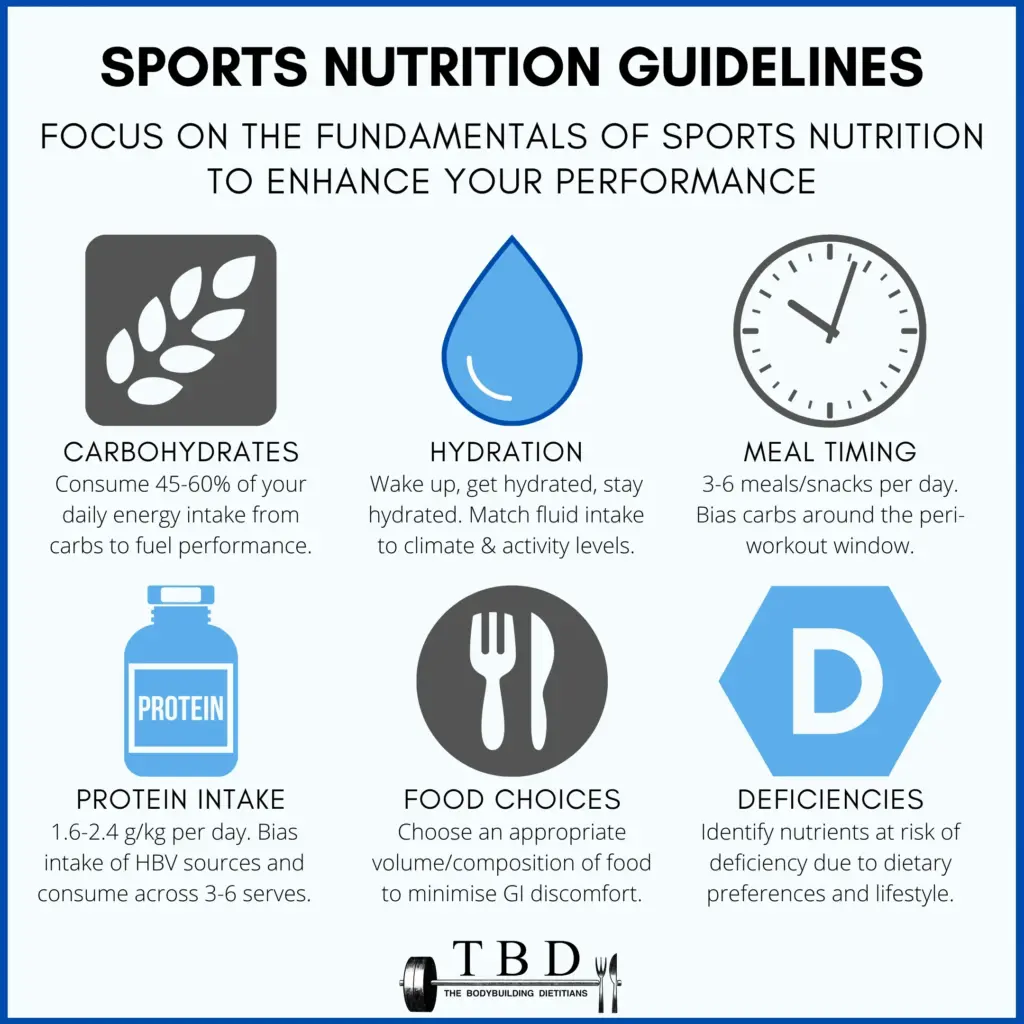
Carbohydrates are animal athletes’ primary fuel source and play a vital role in sustaining energy levels during workouts and competitions. By correctly managing carbohydrate intake, athletes can ensure they have adequate glycogen stores which are necessary for endurance and high-intensity performances. This involves not only consuming carbs but choosing the right kinds—complex carbohydrates, such as whole grains and fruits, should be prioritized as they provide a steady energy release.
For athletes engaging in rigorous training or endurance events, it’s recommended to consume a significant amount of carbohydrates relative to their body weight. This can be beneficial to maintain optimal energy levels and enhance performance across varied physical activities. By understanding the fueling potential of carbohydrates, athletes can better plan their meals and snacks to ensure they’re adequately prepared for their demanding schedules.
The Role of Protein in Athletic Recovery
Protein has established itself as a vital component in the diets of athletes, particularly due to its essential role in muscle repair. After intense physical activity, the muscles require protein to recover effectively and promote growth, making it crucial for athletes to include sufficient protein sources in their nutrition plans. High-quality sources such as lean meats, fish, dairy, and plant-based options can aid in providing the necessary building blocks for muscle recovery.
Incorporating protein-rich foods post workout is particularly important, as it helps to optimize recovery times and mitigate muscle soreness. Studies demonstrate that a well-structured protein intake, tailored to an athlete’s body weight and training level, can lead to significant enhancements in muscle mass and performance. Therefore, integrating a post-workout protein source is a strategic approach towards achieving and maintaining peak athletic performance.
Healthy Fats: An Overlooked Energy Source
While often overshadowed by carbohydrates, healthy fats are integral to an athlete’s diet, especially those engaged in prolonged or endurance-focused activities. Fats serve multiple roles, including energy provision, hormone regulation, and cellular structure maintenance. This macronutrient should not be neglected, as it can contribute to sustained energy levels, particularly during extended training sessions.
Including sources of healthy fats, such as avocados, nuts, and olive oil, ensures that athletes receive essential fatty acids that support overall health and endurance capabilities. It has been shown that an adequate intake of fats can positively impact recovery rates and reduce inflammation, further enhancing performance. Athletes should aim to balance their fat intake with their overall caloric needs to ensure comprehensive nutrition.
Hydration: The Lifeblood of Athletic Performance
Hydration is a critical yet often underestimated aspect of sport nutrition. Proper hydration levels are crucial for maintaining endurance, preventing fatigue, and ensuring optimal bodily functions during training and competition. It is essential for athletes to strategically manage their fluid intake before, during, and after exercise to avoid the negative effects of dehydration.
Incorporating a variety of hydrating fluids—including water and electrolyte-rich beverages—can significantly impact athletic performance. Athletes should be proactive in their hydration strategies to account for individualized sweat rates and training intensities. Implementing an effective hydration plan can not only enhance performance but also promote quicker recovery times following strenuous activities.
Meal Timing: Synchronizing Nutrition with Training
Understanding meal timing is vital for athletes looking to maximize their performance. The strategic timing of meals—specifically before and after workouts—can significantly influence energy availability and recovery. A well-timed pre-workout meal focused on carbohydrates and moderate protein can provide the necessary energy and nutrients for optimal performance during training sessions.
Post-workout nutrition is equally important, as consuming a meal rich in protein and carbohydrates soon after exercise can facilitate muscle recovery and glycogen replenishment. By following a structured meal timing plan tailored to their unique training schedule, athletes can create a nutritional framework that enhances their performance efficiency and aligns with their sporting goals.
The Importance of Micronutrients in Sports Nutrition
While macronutrients often steal the spotlight, micronutrients play an equally critical role in athlete nutrition. Vitamins and minerals such as calcium, iron, and vitamin D contribute to various physiological processes essential for peak performance. A diet deficient in these micronutrients can lead to decreased energy levels and impaired bodily functions, significantly affecting an athlete’s training and competition.
For athletes, consuming a variety of whole foods, particularly colorful fruits and vegetables, is key in covering the spectrum of necessary micronutrients. Additionally, considering targeted supplementation under expert guidance can help prevent deficiencies, ensuring athletes maintain their health and optimize performance. Paying attention to micronutrient intake should be a fundamental part of any well-rounded sport nutrition plan.
Listening to Your Body: Personalized Nutrition Strategies
Being in tune with one’s body is essential for any athlete aiming to achieve optimal performance. Nutrition is not a one-size-fits-all approach; what benefits one athlete may not have the same positive effects on another. Athletes should listen to their bodies and adapt their nutritional strategies to match their individual responses to different foods and meal schedules.
Keeping a detailed food and performance journal can be a practical tool for tracking what works best for your body. By analyzing patterns over time, athletes can refine their meal plans and possibly discover the ideal food combinations that support their energy levels and recovery. Personalization in nutrition ultimately leads to more effective training and better competitive outcomes.
Incorporating Meal Prep for Optimal Athletic Nutrition
Meal prep is an effective strategy for athletes aiming to stick to their nutritional goals amidst busy training schedules. By planning and preparing meals in advance, athletes can ensure they are consuming the right balance of macronutrients and have quick access to healthy meals, ultimately avoiding unhealthy food choices. This proactive approach to nutrition supports consistent energy levels and can aid in recovery.
Athletes can prioritize efficiency in their meal prep by preparing batch-cooked grains, lean proteins, and a variety of vegetables all at once. This not only saves time but ensures that nutritional needs are met during the week ahead of training sessions or competitions. Meal prep encourages disciplined eating habits that contribute significantly to an athlete’s overall performance.
Frequently Asked Questions
What is sport nutrition and why is it important for athletes?
Sport nutrition is a specialized field focusing on the dietary needs of athletes to maximize performance, recovery, and overall health. It emphasizes the intake of essential macronutrients like carbohydrates, proteins, and fats, as well as hydration, to ensure athletes have the energy and nutrients needed for rigorous training and competition.
How can meal prep for athletes improve performance?
Meal prep for athletes allows for better control over nutrient intake, ensuring that meals are balanced, nutritious, and timed correctly to optimize energy levels and recovery. By planning meals ahead of time, athletes can consistently fuel their bodies with the right foods, which improves overall performance and reduces the risk of poor eating habits.
What are some sports diet tips for optimizing pre workout nutrition?
For optimal pre workout nutrition, athletes should consume a meal 2-3 hours before exercising that includes carbohydrates for energy and moderate protein for muscle support. Choosing foods like oatmeal with fruit or a smoothie with yogurt can provide sustained energy. Always hydrate adequately before your workout.
What is the role of hydration in sport nutrition?
Hydration is crucial in sport nutrition, as even mild dehydration can significantly hinder athletic performance, leading to increased fatigue and decreased endurance. Athletes should focus on drinking fluids before, during, and after activities to maintain hydration levels and support optimal physiological function.
What are the best post workout recovery foods for athletes?
Post workout recovery foods should ideally include both protein and carbohydrates to help rebuild muscle and replenish glycogen stores. Options like a protein shake with a banana, Greek yogurt with berries, or a chicken salad with quinoa are excellent choices that support recovery and muscle repair.
How can athletes ensure they are consuming the right amount of protein?
To ensure adequate protein intake, athletes should aim for 1.2 to 2.0 grams of protein per kilogram of body weight based on their activity levels. Incorporating lean protein sources such as chicken, fish, legumes, and dairy helps meet these needs and aids in muscle recovery after workouts.
What are some healthy eating habits for athletes?
Healthy eating for athletes encompasses a balanced diet rich in whole foods including fruits, vegetables, whole grains, lean proteins, and healthy fats. It’s also essential to listen to hunger cues, avoid processed foods, and maintain a regular eating schedule to support energy demands and recovery.
What micronutrients are most important in athletic performance nutrition?
Key micronutrients in athletic performance nutrition include calcium for bone health, iron for energy production, and vitamin D for muscle function. Athletes should focus on a varied diet rich in colorful fruits and vegetables to ensure they receive adequate vitamins and minerals.
How does timing meals affect athletic performance?
Timing meals strategically can enhance athletic performance. Eating balanced meals 2-3 hours before workouts helps prepare the body, while consuming protein and carbs within 30 minutes post-workout supports recovery. These timings help maximize energy availability and muscle repair.
What should athletes consider when adjusting their nutrition plans?
Athletes should consider their individual energy needs, activity levels, and how their bodies respond to different foods when adjusting their nutrition plans. Keeping a food journal to track food intake, performance, and feelings can help athletes refine their dietary strategies for optimal results.
| Key Aspect | Importance | Recommendations |
|---|---|---|
| Carbohydrates | Primary energy source for athletes | 3-7 g/kg of body weight, focus on complex carbs. |
| Protein | Essential for muscle repair and growth | 1.2-2.0 g/kg of body weight, consume post-workout. |
| Fats | Vital for energy in endurance sports | 20-35% of daily calories from healthy fats. |
| Hydration | Crucial for maintaining performance | 500ml before, and 200-300ml every 15-20 min during exercise. |
| Timing | Optimizes performance and recovery | Balanced meal 2-3 hours before and snack within 30 min after. |
| Micronutrients | Supports energy production and overall health | Focus on colorful fruits and vegetables, consider supplements. |
| Listening to Your Body | Individual needs vary based on response to food | Keep a food and performance journal. |
Summary
Sport nutrition is a foundational element for athletes looking to enhance their performance and recovery. By understanding the crucial components, from carbohydrates that fuel energy to proteins that aid muscle repair, athletes can tailor their diets to support their unique needs. Remembering the importance of hydration, fat intake, and micronutrients will further optimize your athletic capabilities. Ultimately, listening to your body and adjusting your nutrition accordingly is key to achieving peak performance. Incorporating these essential tips will not only boost your sporting endeavors but also promote overall health.

