
Listen to this article
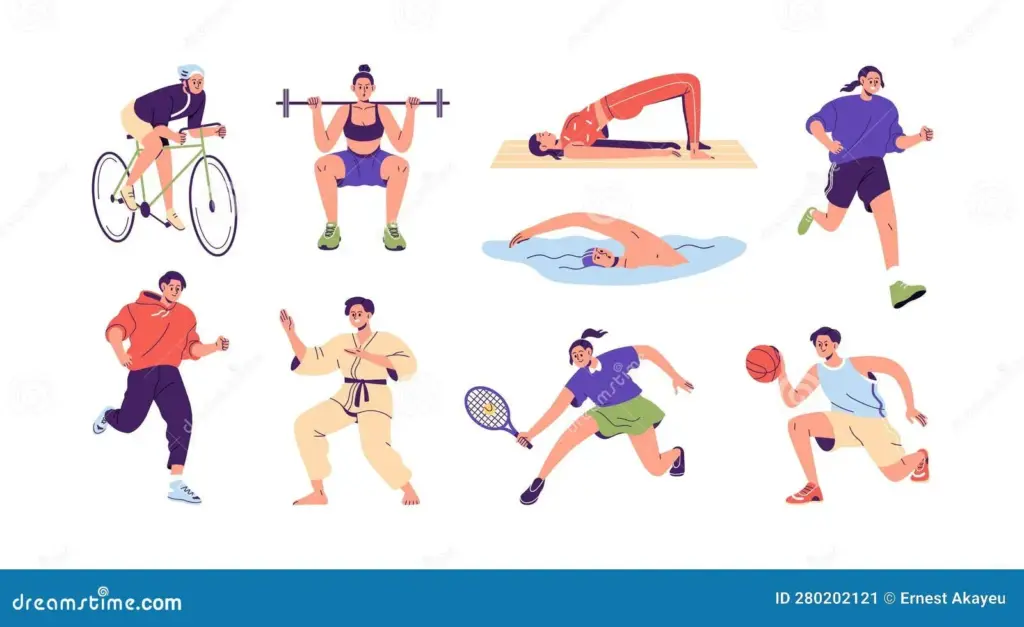
Sport and physical activity play an essential role in enhancing our overall well-being and health. Engaging in regular exercise not only improves cardiovascular fitness but also fosters muscle growth, contributing to a toned physique. Additionally, the benefits of exercise extend beyond physical gains, significantly impacting our mental health and providing stress relief through sports. Scientific studies reveal that physical activity and health are interconnected, as exercise triggers the release of endorphins that uplift mood and combat anxiety. In today’s world, where the advantages of staying active are more vital than ever, understanding these transformative effects can motivate us to embrace a more engaging lifestyle.
Athletics and active living are fundamental components of a healthy lifestyle, influencing both our physical state and mental well-being. Regular engagement in exercise activities promotes not only muscular development and enhanced cardiovascular function, but also serves as a crucial outlet for stress management and emotional balance. The interplay between movement and health is well-established, showing clear ties to improved cognition and reduced depression levels. When we consider the wealth of advantages that come from maintaining an active routine, it becomes clear that integrating sports into our lives is more than just a trend; it is a necessary pursuit for optimal health and vitality.
The Multifaceted Benefits of Exercise for Health
Engaging in regular exercise is foundational to a healthy lifestyle, providing numerous physical benefits that contribute to overall wellness. The benefits of exercise extend beyond mere appearance; they fundamentally enhance cardiovascular fitness, help regulate weight, and significantly reduce the risk of chronic diseases. Regular physical activity strengthens the heart, enabling it to pump blood more efficiently, which leads to a decreased risk of heart disease and stroke. This essential aspect of physical activity and health underscores its importance in maintaining internal health while promoting longevity.
Moreover, physical activity also plays a crucial role in muscle growth and development. Engaging in resistance training or high-intensity sports stimulates muscle hypertrophy, which leads to stronger and more resilient muscles. By integrating various forms of exercise into your routine, you can target multiple muscle groups, paving the way for a well-rounded fitness experience that not only boosts strength but enhances flexibility and balance.
The Link Between Mental Health and Exercise
The impact of exercise on mental health is an area of growing interest among researchers. Numerous studies have revealed a strong correlation between physical activity and the reduction of symptoms related to anxiety and depression. Exercise triggers the release of endorphins, which are bio-chemicals that act as natural mood lifters. This phenomenon highlights the effectiveness of sports as a method of stress relief through sports, allowing individuals to process their emotions and improve their overall mental state.
In addition to alleviating anxiety and depression, regular physical activity is also associated with enhanced cognitive function. Exercise promotes neurogenesis—the creation of new brain cells—improving memory and cognitive capabilities. This becomes especially significant as we age, as engaging in physical activity has been linked to reduced risks of cognitive decline, making it an essential component of maintaining mental agility throughout life.
Strengthening Social Bonds Through Sports
Participating in sports and physical activities offers unique social advantages that contribute significantly to personal wellbeing. Team sports, in particular, foster a sense of community and belonging among participants. Engaging with others in a shared goal not only enhances motivation but also builds lasting friendships. This social interaction is essential for emotional health, creating a support network that can reduce feelings of loneliness and isolation.
Additionally, team sports provide an excellent platform for developing crucial life skills such as teamwork, discipline, and leadership. These skills not only translate well on the field but are also invaluable in everyday situations. Learning to cooperate with others towards a common goal cultivates a sense of responsibility and accountability, traits that are highly sought after in both personal and professional spheres.
The Physical Transformation Through Regular Activity
The physical transformation that occurs with regular exercise is remarkable and multifaceted. As individuals commit to a fitness regimen, they often observe improvements in muscle growth alongside enhanced endurance and stamina. This process begins with consistent workouts that create micro-tears in muscle fibers, leading to the muscle repair process which results in increased muscle size and strength over time. A dedicated approach to resistance training and aerobic activities can yield significant improvements in physical appearance and fitness levels.
Moreover, as people engage more in physical activity, their overall body composition improves. Increased exercise levels contribute to reduced body fat and enhanced metabolic functions, showcasing the interplay between exercise and energy expenditure. These changes not only enhance physical health but also boost self-esteem, transforming one’s sense of body image and confidence.
Integrating Exercise into Daily Life
Incorporating physical activity into daily routines is essential for reaping its numerous benefits. Setting realistic and specific fitness goals can help individuals stay motivated and engaged. Starting with small, achievable objectives, such as a 20-minute daily walk or attending a weekly sports class, can significantly contribute to a healthier lifestyle. As individuals reach these small milestones, they build confidence and are encouraged to further expand their physical activity.
Finding an enjoyable activity is crucial for sustaining long-term commitment to exercising. People are more likely to remain active when they participate in activities that excite them. Whether it’s dancing, hiking, or playing a sport, choosing enjoyable forms of exercise enhances adherence to fitness routines and promotes a positive relationship with physical activity.
The Role of Hormones in Physical Activity
Another fascinating aspect of how exercise transforms the body lies in its ability to influence hormonal balances. Regular physical activity stimulates the release of key hormones such as growth hormone and testosterone, which play critical roles in muscle growth and recovery. These hormonal responses are vital for anyone looking to achieve fitness goals, whether that be muscle gain or improving athletic performance.
Furthermore, the increase in endorphins through consistent exercise delivers psychological benefits, enhancing mood and overall mental wellbeing. The biochemical changes prompted by engaging in physical activity create a powerful feedback loop, reinforcing the idea that more movement leads to better hormonal health and emotional resilience.
Exploring Cardiovascular Fitness
Cardiovascular fitness is one of the most prominent benefits derived from regular exercise. Engaging in aerobic activities like running, cycling, or swimming significantly improves heart and lung health, making the cardiovascular system more efficient. As the heart becomes stronger, it can pump blood more effectively, which enhances oxygen delivery to tissues and reduces the risk of heart-related diseases, underscoring the importance of exercise in maintaining cardiovascular health.
Moreover, improved cardiovascular fitness not only aids in weight management but also enhances endurance during daily activities. This increased stamina allows individuals to perform at higher levels both during exercise and throughout their everyday tasks, ultimately leading to a more active and fulfilling life.
Combatting Stress Through Sports
In today’s fast-paced world, finding effective ways to manage stress is crucial. Engaging in sports provides a natural outlet for stress relief through physical activity. Whether it’s through the rhythmic movement found in running or the competitive spirit of team sports, physical activity serves as a powerful mechanism to counteract daily stressors. As individuals become immersed in their sport, they shift their focus from worries, allowing for mental recuperation and a more balanced emotional state.
Additionally, the social dynamics and communal aspect of sports help to buffer against stress. Building relationships through shared experiences in physical activities fosters a sense of safety and support, enabling individuals to cope with stress more effectively. As participants engage with peers in sporting environments, they find camaraderie and encouragement, which can significantly diminish feelings of anxiety and improve overall mental well-being.
Setting Up for Long-Term Success in Fitness
To achieve lasting benefits from physical activity, individuals must view fitness as a long-term commitment rather than a short-term endeavor. Consistency is vital; integrating exercise into a daily routine creates lasting habits that promote overall health and fitness. Scheduling workouts as part of one’s daily planner can ensure that they remain a priority, allowing individuals to navigate busy schedules and stay committed to their health goals.
Moreover, incorporating variety into workout routines helps maintain interest and prevents plateaus in progress. Mixing cardiovascular training with flexibility and strength workouts not only keeps training sessions exciting but also ensures comprehensive fitness across different aspects. By adopting a holistic approach to physical activity, individuals can maximize the effectiveness of their physical training and enjoy a richer fitness journey.
Frequently Asked Questions
What are the benefits of exercise on physical health?
Exercise offers numerous benefits for physical health, including improved cardiovascular fitness, enhanced muscle growth, increased bone density, and better metabolic rate. Engaging in regular physical activity helps manage weight, reduces the risk of chronic diseases, and strengthens the heart, making it vital for overall well-being.
How does physical activity affect mental health?
Physical activity plays a crucial role in mental health by reducing symptoms of anxiety and depression. Exercise triggers the release of endorphins, which boost mood and provide stress relief. Additionally, regular participation in sports can enhance cognitive function and promote emotional resilience.
What is the relationship between sports and stress relief?
Engaging in sports provides an excellent outlet for managing stress. Physical activity promotes relaxation and encourages the release of neurotransmitters that elevate mood. By participating in sports, individuals can effectively process stress and foster a sense of accomplishment.
How does physical activity contribute to muscle growth?
Regular exercise, particularly resistance training, leads to muscle hypertrophy through the process of muscle fiber repair. When muscle fibers are subjected to stress, they tear and subsequently rebuild stronger and larger, promoting muscle growth over time.
What role does exercise play in cardiovascular fitness?
Exercise significantly improves cardiovascular fitness by conditioning the heart and lungs. Aerobic activities, such as running and swimming, increase heart efficiency, enhancing oxygen delivery throughout the body, which reduces the risk of heart disease and boosts overall endurance.
Can physical activity improve bone health?
Yes, engaging in high-impact sports and resistance training helps improve bone density, reducing the risk of osteoporosis. Physical activity encourages bone strength through stress, which stimulates bone-building cells and ensures long-term skeletal health.
What are the long-term mental health benefits of regular exercise?
Long-term participation in physical activity has been shown to enhance cognitive abilities, improve memory, and reduce the risk of cognitive decline as one ages. Furthermore, regular exercise fosters better psychological well-being and increases resilience against mental health challenges.
How can I incorporate more physical activity into my daily life?
Incorporating physical activity can be easy by setting realistic goals, finding enjoyable activities, and scheduling workouts like any other important appointment. Aim for a mix of aerobic and strength training exercises throughout the week to maintain interest and target various muscle groups.
What types of exercises are best for achieving cardiovascular fitness?
Aerobic exercises such as running, cycling, dancing, or swimming are excellent for improving cardiovascular fitness. Engaging in these activities for at least 150 minutes a week can significantly enhance heart health and overall endurance.
How can sports foster social connections and teamwork skills?
Team sports encourage interaction and create supportive networks, fostering relationships among participants. They teach valuable life skills like teamwork, leadership, and discipline, which are beneficial both socially and professionally.
| Aspect | Key Points |
|---|---|
| Physiology of Exercise | Initiates energy use, burns calories, supports muscle hypertrophy, enhances cardiovascular health, improves bone density, balances hormones. |
| Mental Health Benefits | Reduces anxiety and depression, enhances cognitive function, relieves stress. |
| Social Benefits | Builds relationships, teaches teamwork and discipline. |
| Tips for Incorporating Activity | Set realistic goals, find enjoyable activities, schedule workouts, maintain consistency, mix exercises. |
Summary
Sport and physical activity play a pivotal role in enhancing our overall health and well-being. Engaging regularly in exercise not only improves physical fitness and appearance but profoundly impacts mental health and social connectedness. From reducing stress and anxiety to building stronger muscles and enhancing our cardiovascular system, the benefits are extensive. By understanding the science behind these changes, individuals can better appreciate the need for an active lifestyle, making informed choices that lead to healthier lives. Embrace sport and physical activity to not only transform your body but to also uplift your mind and connect with others.

