
Listen to this article
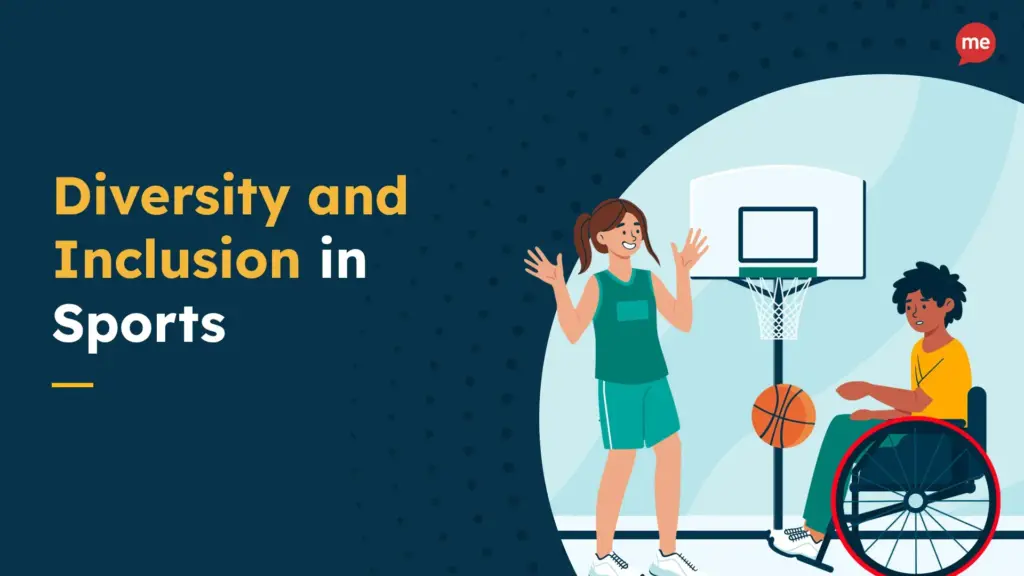
Inclusivity and diversity in athletics are vital to creating spaces where every individual, regardless of their background or ability, feels empowered to participate in sports. In today’s increasingly diverse society, the call for sports for everyone becomes more critical, as inclusive sports programs not only cater to various demographics but also promote a sense of community and belonging. By embracing diverse representation in sports, we foster environments where all athletes, including disabled athletes and women in sports, can thrive and showcase their talents. This blog post explores the importance of promoting inclusivity and diversity in athletics and offers insights on how organizations, communities, and individuals can work together to create accessible athletics that welcome all. Through understanding and support, we can ensure that every person has a chance to enjoy the myriad benefits that sports bring to physical health, mental well-being, and social connection.
The promotion of inclusivity and diversity in sports encompasses a vision where athletic participation is open to everyone, bringing together a wide array of experiences and identities. Known as community sports, this approach advocates for equal opportunities across various segments of society, including underrepresented groups. By fostering an environment that values each participant’s unique contributions, inclusive sports programs challenge traditional barriers and stereotypes that often hinder access to athletic activities. From enhancing access for disabled athletes to championing the presence of women in sports, the movement towards broader representation is essential for forging a genuinely inclusive sporting culture. This discussion will highlight the transformative power of athletics in building a more representative community where everyone can share in the joys of sport.
Promoting Sports for Everyone
The concept of ‘sports for everyone’ emphasizes the importance of access to physical activities across all demographics. By focusing on this idea, organizations can design programs that cater to various needs, ensuring that anyone, regardless of background, can participate in sports. This inclusivity not only enhances physical fitness levels but also fosters a sense of community where all individuals feel valued and appreciated.
To achieve a truly inclusive environment, it’s pivotal for sports organizations to actively engage underrepresented groups. This may involve outreach programs aimed at attracting participants from diverse backgrounds, including those who may not have previously considered engaging in sports. Creating community spaces for these activities can effectively bridge the gap between different demographics, ensuring that sports are accessible for everyone.
Understanding the Impact of Inclusive Sports Programs
Inclusive sports programs serve a crucial role in transforming how communities perceive and engage with athletics. These programs are not just about allowing participation; they are about reshaping attitudes toward what it means to be an athlete. By actively including individuals from varied backgrounds, inclusive programs cultivate a richer sporting environment that celebrates differences, fosters friendships, and supports personal growth.
Moreover, inclusive sports programs enhance social interaction among participants. They provide opportunities for athletes to work together, learn from one another, and develop skills that extend beyond the playing field. The relationships formed in these spaces can significantly impact mental health and community cohesion, reinforcing the belief that sports unite rather than divide.
Fostering Diverse Representation in Sports
Diverse representation in sports is critical for ensuring that all athletes see themselves reflected in the programs they engage with. When athletes from different backgrounds, including women, disabled individuals, and racial minorities, are represented in leadership and on field, it sends a strong message about the value of inclusion. This not only encourages participation but also empowers upcoming generations to pursue their passions in sports.
Additionally, fostering diversity within sports teams brings together a wealth of perspectives and skills. This diversity can drive innovative strategies, enhance team dynamics, and ultimately improve overall performance. Teams that embrace a variety of backgrounds often find more creative solutions to challenges, leading to greater success both on and off the field.
The Role of Disabled Athletes in Promoting Inclusivity
Disabled athletes play a crucial role in advocating for inclusivity within the sports community. Their participation challenges societal perceptions about abilities and limitations, while drawing attention to the importance of accessible athletics. By showcasing their talents and achievements, they inspire others and motivate organizations to improve facilities and programs for all.
Moreover, their successes have prompted the development of specialized sports programs designed to meet their unique needs. These adaptive sports create opportunities for competition and connection among individuals with disabilities, reinforcing the idea that everyone deserves the chance to excel in athletics.
Cultivating Community through Inclusive Athletics
Community sports initiatives can significantly enhance inclusivity by bringing people together through organized athletic events. These programs encourage individuals from different backgrounds to collaborate and participate in a shared vision. Increased community involvement not only strengthens social ties but also fosters an environment where diversity is celebrated.
Moreover, an inclusive athletic community contributes to positive mental health outcomes, as participants often report feelings of belonging and acceptance. Engaging with neighbors and forming friendships through sports can alleviate loneliness and build resilience, showcasing how athletics can be a powerful tool for personal and collective well-being.
The Importance of Gender Equity in Athletics
Gender equity is vital in ensuring that women in sports receive equal opportunities for participation, training, and advancement. Historically, women have faced significant barriers in gaining access to various athletic opportunities, but recent efforts have begun to close this gap. By promoting female-centric programs, organizations can empower women and encourage more significant involvement in sports.
Creating supportive environments specifically for women athletes not only aids in leveling the playing field but also inspires future generations of female athletes. When young girls see successful women in sports, they are more likely to pursue their athletic dreams, reinforcing the importance of representation and advocacy for gender equity in athletics.
Enhancing Accessibility in Sports Programs
Accessibility is a crucial element of inclusive sports programs, ensuring that individuals with disabilities can participate fully in athletic activities. This encompasses physical accessibility, such as wheelchair ramps and adapted facilities, as well as programmatic accessibility, including specialized coaching and flexible participation options. Without these considerations, many talented athletes would be excluded from engaging in sports.
By prioritizing accessibility, sports organizations can not only meet legal requirements but also promote a culture of inclusivity and acceptance. Providing adaptive sports options not only enriches the athletic community but also creates opportunities for personal growth, skills development, and increased self-confidence among disabled athletes.
Building Partnerships for Inclusive Sports
Collaborative partnerships between sports organizations and community groups can significantly advance inclusivity efforts in athletics. Working together harnesses resources, expertise, and networks that can expand opportunities for engagement. For instance, partnerships with schools can facilitate programs that reach youth from diverse backgrounds, fostering early exposure to sports.
Such collaborations help to amplify the reach of inclusive sports initiatives, ensuring that messages of acceptance and diversity permeate all levels of engagement. By uniting under a common goal — to create sports environments that welcome everyone — organizations can drive impactful change throughout their communities.
Adopting Culturally Competent Coaching Practices
Cultural competence in coaching is essential for promoting inclusivity in athletics. Coaches who understand and respect the diverse backgrounds of their athletes can create more supportive and effective training environments. Acknowledging the cultural contexts of participants helps ensure that coaching methods are relevant and sensitive to the needs of individuals.
Additionally, culturally competent coaching can facilitate better communication and stronger relationships between coaches and athletes. Coaches who are aware of and appreciate these differences are often more successful in motivating and guiding their teams. This creates a more harmonious and collaborative athletic experience, fostering personal growth and athletic development.
Frequently Asked Questions
What are the key principles of inclusivity in athletics?
Inclusivity in athletics centers on creating opportunities for individuals to engage in sports regardless of race, gender, ability, or background. It fosters environments where all athletes feel valued and empowered to participate fully.
How do inclusive sports programs affect participation rates?
Inclusive sports programs significantly increase participation rates by making activities accessible to a wider range of demographics. When diverse representation in sports is visible, individuals are more inclined to join and engage in those activities.
What role do disabled athletes play in promoting inclusivity in sports?
Disabled athletes are vital champions of inclusivity in sports, showcasing that athleticism is not limited by physical ability. Their participation encourages the development of accessible athletics programs that welcome all individuals.
Why is diversity representation important in leadership roles within sports organizations?
Diverse representation in leadership roles ensures that the voices and needs of all athletes are heard. This fosters a more inclusive culture in athletics where varied perspectives contribute to decision-making and program development.
What initiatives can encourage women in sports participation?
To encourage women in sports, initiatives such as targeted programs, scholarship opportunities, and media representation of female athletes can create an environment that promotes gender equity and increased female participation.
How do community sports promote inclusivity and diversity?
Community sports programs play a crucial role in promoting inclusivity by uniting individuals from different backgrounds, fostering teamwork, and enhancing social cohesion in local areas.
What is the importance of training on inclusivity for coaches and athletes?
Training on inclusivity helps coaches and athletes understand and address the challenges faced by marginalized groups. This awareness cultivates a supportive and inclusive culture in athletics, benefiting all participants.
How can organizations ensure accessible athletics for individuals with disabilities?
Organizations can ensure accessible athletics by providing facilities that accommodate various disabilities and offering modified sports programs with specialized coaching to facilitate participation.
What strategies can sports organizations use for inclusive marketing?
Sports organizations can utilize inclusive marketing by showcasing diverse athletes in their promotional materials and using language that resonates with various communities, ensuring that all potential participants feel represented.
What are the benefits of fostering a diverse environment in physical activities?
Fostering a diverse environment in physical activities enhances mental health, promotes understanding among different groups, and develops life skills such as teamwork and resilience, ultimately enriching the sporting experience for everyone.
| Key Point | Description |
|---|---|
| Inclusivity in Athletics | Creating opportunities for everyone to engage in physical activities without exclusion based on various characteristics. |
| Benefits of Inclusivity | Includes enhanced participation, improved mental health, community fostering, and development of vital life skills. |
| Strategies for Promotion | Awareness training, accessible programs, diverse representation, inclusive marketing, partnerships, encouraging female participation, and cultural competence. |
| Success Stories | Organizations like the Special Olympics and Women’s Sports Foundation highlight successful inclusivity and diversity practices in athletics. |
Summary
Inclusivity and diversity in athletics are fundamental to creating a fair and equitable sporting environment. By ensuring that all individuals, regardless of their background or abilities, have access to sports, we not only enhance participation rates across diverse demographics, but we also foster a deeper sense of belonging and community. The benefits of inclusivity extend beyond mere participation; they significantly contribute to improved mental health, the development of vital life skills, and stronger social connections. Through awareness, diverse representation, and strategic partnerships, the sports community can work towards an inclusive future where every individual can thrive and excel, creating a richer athletic culture that celebrates diversity.

