Listen to this article
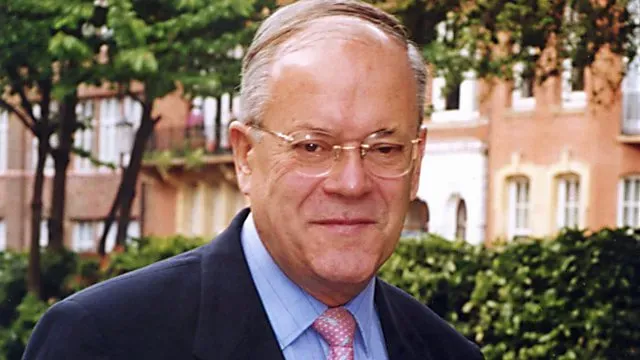
Sir Humphrey Burton, an award-winning classical music broadcaster, has left an indelible mark on the world of arts and music at the age of 94. As the visionary behind the BBC’s Omnibus and In Performance arts programs during the 1970s and 80s, he played a crucial role in elevating classical music television. Notably, he founded the BBC Young Musician of the Year competition, nurturing young talent and bringing it to the forefront of public attention. Sir Humphrey’s legacy extends far beyond his television presentations; he also served as head of music and arts at the BBC, shaping the landscape of classical music broadcasting. His death is not only a loss to his family, who cherished him deeply, but also to generations of viewers and listeners who were inspired by his passion for the arts.
The legacy of Sir Humphrey Burton resonates deeply within the realm of classical music and arts programming. Widely recognized as a pioneering figure in the industry, his contributions to PBS’s classical music shows and radio broadcasts have inspired countless individuals. As a multifaceted arts advocate, he skillfully highlighted the brilliance of emerging musicians and composers alike. In celebrating his life, it is important to recognize how his work in arts broadcasting transformed the way classical music was perceived and appreciated on television. The impact of his endeavors continues to influence new generations of artists and musicians.
The Legacy of Sir Humphrey Burton in Classical Music Broadcasting
Sir Humphrey Burton’s contributions to classical music broadcasting have left a monumental impact on the arts landscape in the UK and beyond. As the head of music and arts at the BBC during the 1970s and 80s, he not only curated some of the most celebrated arts programs, including Omnibus and In Performance, but he also played a critical role in elevating the profile of classical music on television. Under his stewardship, the BBC became synonymous with quality arts programming that informed and entertained audiences, establishing a legacy that would inspire generations of broadcasters who followed in his footsteps.
Further enhancing his legacy, Sir Humphrey famously co-founded the BBC Young Musician of the Year competition, which has become a much-anticipated platform for emerging classical talent. This initiative not only showcased young virtuosos like Nicola Benedetti and Sheku Kanneh-Mason but also reinvigorated interest in classical music among younger audiences, ensuring that new generations continue to develop a passion for this art form. His vision for promoting talent and storytelling in music has forever changed the broadcasting landscape, affirming his status as a pioneer in classical music television.
Sir Humphrey Burton’s Influence on the BBC Young Musician of the Year
The impact of Sir Humphrey Burton on the BBC Young Musician of the Year cannot be overstated. Launched in 1978, the competition aimed to provide a platform for young, exceptional musicians and celebrate their artistry before the nation. Sir Humphrey’s exquisite taste and understanding of music education laid the groundwork for the format of the competition, allowing talented young musicians to flourish while capturing the hearts of viewers across the country. During a time when classical music often struggled for relevance in popular culture, this initiative helped ignite a revival, highlighting the significance of young talent in shaping the future of classical music.
The competition has produced an impressive roster of winners who have gone on to have successful careers, further attesting to Sir Humphrey’s legacy as an enabler of artistic greatness. Each year, the event draws attention to the rich tapestry of musical talent in the UK, inspiring countless young performers to pursue their passion for classical music. Through his unyielding dedication to this competition, Sir Humphrey ensured that the BBC Young Musician of the Year remains a beacon of hope and encouragement for aspiring musicians, proving that the arts can thrive when nurtured and celebrated.
The Role of Sir Humphrey Burton in Shaping Arts Programming at the BBC
Sir Humphrey Burton’s vision and leadership were instrumental in revolutionizing arts programming within the BBC. His foresight enabled the development of innovative series like Arena, which blurred the lines between documentary and performance art, bringing classical music and other forms of artistic expression directly into the living rooms of viewers. This pioneering approach helped demystify classical music for the general public, making it more accessible and relatable. By advocating for high-quality production values and engaging storytelling, he transformed the presentation of arts programs into an art form itself.
Additionally, his work on Radio 3 and Classic FM further illustrated his commitment to classical music’s mainstream appeal. Through various formats, including interviews, live performances, and curated playlists, Sir Humphrey successfully championed lesser-known composers and artists, broadening the musical horizons of his audience. His efforts ensured that the BBC remained a leading authority in classical music broadcasting, fostering a greater appreciation for the genre and encouraging new listeners to delve deeper into its rich history.
Remembering Sir Humphrey Burton: A Beloved Broadcaster
The news of Sir Humphrey Burton’s passing has resonated deeply within the music and broadcasting communities. As an award-winning classical music broadcaster, he was revered for his remarkable ability to connect audiences with the beauty of classical music. With accolades such as Emmy Awards and a BAFTA, his contributions were recognized as foundational to the development of arts programs on television. Colleagues and fans alike have expressed their sadness at this irreplaceable loss, recalling how his presence brought warmth and integrity to classical music broadcasting.
In a heartfelt tribute, the BBC Radio 3 team described him as ‘much-loved’ and noted that his influence has shaped the careers of countless arts program makers. As Suzy Klein, the BBC’s head of arts and classical music TV, remarked, there are few figures as impactful as Sir Humphrey in the history of classical music broadcasting. His legacy, rooted in passion and dedication, will undoubtedly inspire future generations seeking to uplift classical music through innovative media.
Celebrating Sir Humphrey Burton’s Contributions to Classical Arts
Celebrating Sir Humphrey Burton goes beyond acknowledging the end of his life; it encapsulates the rich tapestry of his contributions to the world of classical arts. His tireless work not only enhanced the audiovisual experience of classical music but also cemented this genre’s position within broader cultural conversations. The arts programs he pioneered offered a platform where classical music met other forms of art, creating an inclusive environment that encouraged audience engagement and appreciation.
The legacy left by Sir Humphrey Burton continues to influence current and future arts program makers at the BBC and beyond. His commitment to showcasing classical talent through programs like the BBC Young Musician of the Year and educational initiatives provides a modern blueprint for promoting classical music on various platforms. It is through these celebrations of his life and work that we are reminded of the enduring power of music to connect, inspire, and transform lives.
The Evolution of Classical Music Broadcasting Post-Sir Humphrey Burton
In the wake of Sir Humphrey Burton’s passing, the landscape of classical music broadcasting faces the challenge of continuing his legacy while adapting to changing media consumption patterns. The rise of digital platforms and on-demand streaming services has transformed how audiences interact with classical music, creating both opportunities and challenges for classical music broadcasters. In this evolving environment, it is crucial for producers and programmers to innovate, finding new ways to engage audiences and present classical music in dynamic, interactive formats.
Moreover, the influence of Sir Humphrey’s vision for integrating arts programming into mainstream media can serve as a roadmap for contemporary broadcasters. By prioritizing quality storytelling and diverse programming that resonates with a broad audience, the essence of Sir Humphrey’s legacy can be preserved while also embracing the future of music broadcasting. As the classical music community reflects on this iconic figure’s impact, it must also look forward, ensuring that the joy of classical music continues to be accessible and relevant.
Honoring the Legacy of Sir Humphrey Burton Among Young Musicians
To honor the legacy of Sir Humphrey Burton, there is a collective call within the classical music community to elevate the support and exposure given to young musicians. His founding of the BBC Young Musician of the Year has led to an increasing recognition of the importance of nurturing young talent and providing them with opportunities to shine on national platforms. It is vital for music educators, organizations, and broadcasting networks to carry forth his vision by creating additional avenues and competitions aimed at showcasing emerging artists.
Additionally, mentoring programs that connect established musicians with young talents can provide invaluable guidance and inspiration, embodying Sir Humphrey’s commitment to education and advocacy for classical music. As more young individuals explore their musical passions, it is crucial for the industry to provide comprehensive support that enables them to flourish. In his memory, initiatives to champion young musicians will undoubtedly serve to enrich the classical music tradition for years to come.
Sir Humphrey Burton’s Lasting Impact on Arts Education
Sir Humphrey Burton’s influence extended beyond broadcasting and into the realm of arts education. His initiation of the BBC Young Musician of the Year competition exemplified a commitment to fostering talent from a young age. Education in the arts is vital for the holistic development of young people, and Sir Humphrey understood the essential role that exposure to music plays in cultivating creativity and discipline. His contributions paved the way not only for performers but also for a more profound appreciation of classical music among young audiences.
The educational impact of his work can be seen in the long-term benefits for music schools and conservatories as they seek to replicate successful engagements like those exemplified by the BBC Young Musician. By incorporating rigorous yet nurturing frameworks for aspiring musicians, the ethos of Sir Humphrey Burton continues to influence educational institutions. By instilling the values of talent discovery and development in the youth, Sir Humphrey has ensured that the passion for classical music remains vibrant and continues to inspire future generations.
Sir Humphrey Burton’s Charitable Contributions to Classical Music
In addition to his groundbreaking work in broadcasting and arts education, Sir Humphrey Burton was also deeply involved in charitable endeavors that supported classical music and the arts. His commitment to giving back was evident in his involvement with various organizations aiming to enhance the accessibility of classical music, particularly for underprivileged youth. By advocating for the importance of music in education and providing resources for aspiring musicians, Sir Humphrey played a critical role in democratizing access to classical arts.
This philanthropic spirit not only preserved his legacy but also inspired others in the industry to engage in charitable initiatives that promote artistic growth. The foundational principles he championed continue to resonate with organizations today, highlighting the significant societal impacts that music education can provide. As we reflect on his contributions, there is a calling for more partnerships between broadcasters, educational institutions, and non-profits to continue this essential work, ensuring that every aspiring musician has the chance to pursue their dreams, much like those who benefitted from Sir Humphrey’s vision.
Frequently Asked Questions
Who was Sir Humphrey Burton and what was his contribution to classical music broadcasting?
Sir Humphrey Burton was an award-winning classical music broadcaster known for his significant contributions to the BBC. He presented renowned arts programs such as Omnibus and In Performance in the 1970s and 80s, and he was influential in shaping classical music television and radio. His legacy includes founding the BBC Young Musician of the Year competition, showcasing emerging classical talent.
What is the legacy of Sir Humphrey Burton in the world of classical music?
The legacy of Sir Humphrey Burton in classical music is profound, as he helped establish a golden age of classical music broadcasting with programs like Arena and the BBC Young Musician of the Year. His passion for arts programs and commitment to educating audiences about classical music left an indelible mark on the genre, inspiring generations of artists and broadcasters.
How did Sir Humphrey Burton influence the BBC Young Musician of the Year competition?
Sir Humphrey Burton founded the BBC Young Musician of the Year competition in 1978, which has become a prestigious platform for young classical musicians. This competition not only celebrates musical talent but also has significantly contributed to the careers of many artists, including notable winners like violinist Nicola Benedetti, showcasing Burton’s dedication to nurturing classical music talent.
What awards did Sir Humphrey Burton receive for his work in classical music and arts broadcasting?
Sir Humphrey Burton received numerous accolades for his contributions to classical music, including two Emmy Awards for his productions and a BAFTA for his ITV series Aquarius. His work significantly advanced the profile of classical music on television and radio, reinforcing his role as a leading figure in arts broadcasting.
What impact did Sir Humphrey Burton have on arts programs during his career?
During his career, Sir Humphrey Burton had a tremendous impact on arts programs, particularly through his leadership as head of music and arts at the BBC. He was instrumental in producing acclaimed shows and documentaries that brought classical music to a wider audience, influencing how arts content is created and enjoyed on television.
Why is Sir Humphrey Burton considered a notable figure in classical music television?
Sir Humphrey Burton is considered a notable figure in classical music television due to his innovative approach to broadcasting, which included creating engaging content that appealed to both classical music aficionados and general audiences. His pioneering work in programs like Arena established a benchmark for arts programming that continues to resonate today.
What is the significance of Sir Humphrey Burton’s work on Radio 3 and Classic FM?
Sir Humphrey Burton’s work on Radio 3 and Classic FM was significant in bringing classical music to listeners through engaging interviews and programming. His ability to communicate the excitement of classical music enriched the radio landscape, making it accessible to a broader audience and facilitating a deeper appreciation for the genre.
What were some notable collaborations or interviews by Sir Humphrey Burton?
Throughout his career, Sir Humphrey Burton conducted notable interviews with iconic musicians and composers, including Francis Poulenc, Count Basie, and Glenn Gould. These collaborations and discussions helped illuminate the world of classical music and showcase the talents behind the compositions, contributing to his reputation as an influential broadcaster.
How did various organizations and individuals pay tribute to Sir Humphrey Burton after his passing?
After Sir Humphrey Burton’s passing, organizations like Classic FM and BBC Radio 3 paid tribute to him by highlighting his immense influence on classical music broadcasting. His family expressed their love for him, and the broader arts community recognized his commitment to sharing the joy of classical music and the many talents he nurtured throughout his career.
| Key Points | Details |
|---|---|
| Death of Sir Humphrey Burton | Award-winning classical music broadcaster passed away at 94, with family by his side. |
| Career Highlights | Presented BBC’s Omnibus and In Performance in the 70s and 80s, served as head of music and arts, launched Arena. |
| Young Musician of the Year | Founded the competition that showcased young classical talent, discovering artists like Nicola Benedetti and Sheku Kanneh-Mason. |
| Awards | Won two Emmy Awards and a BAFTA, recognized for his contributions to arts broadcasting. |
| Legacy | Described as a pivotal figure in classical music broadcasting; left an enormous legacy at the BBC. |
| Personal Touch | Family noted his deep love and commitment to spreading classical music. |
Summary
Sir Humphrey Burton, the celebrated classical music broadcaster, has left behind a profound legacy in the world of music and the arts. His contributions not only shaped a generation of music lovers but also paved the way for future talents in the industry. As the founder of significant projects like the BBC’s Young Musician of the Year and an award-winning director and producer, his influence will undoubtedly continue to resonate. His passing is a tremendous loss, and he will be remembered for his remarkable commitment to sharing the beauty of classical music.