Listen to this article
The recent Doctors Strike UK has raised alarms across the healthcare system, with Prime Minister Keir Starmer labeling the five-day walkout by resident doctors as “dangerous and utterly irresponsible.” Beginning on Wednesday at 07:00, this junior doctors’ strike marks a significant escalation in the ongoing dispute over pay and working conditions as the British Medical Association (BMA) demands a long-term plan to address their salary expectations amidst pressures on the NHS. Reflecting on the mounting NHS winter pressures, Starmer urged doctors to reconsider their position, emphasizing the need to prioritize patient care over industrial action. Meanwhile, the BMA is firm on its stance, highlighting the dire necessity for new training positions and competitive compensation to counter years of stagnation in salary growth. As the situation unfolds, the comments from Starmer and the continuing calls from the BMA echo a critical moment for the future of the NHS and its dedicated workforce.
In the context of labor disputes within the healthcare sector, the recent strike by medical professionals has spotlighted the challenges faced by NHS staff, especially resident doctors. This latest walkout, which has seen junior doctors abandon their posts in pursuit of better working conditions and salaries, underscores the urgent need for systemic changes in how healthcare is managed in the UK. The ongoing backlash against the government amid escalating demands signifies a crucial turning point for the relationship between healthcare providers and the authorities. As junior doctors express their grievances and fight for fair treatment, the ramifications are being felt not only by those in the medical field but also by patients who rely on their care. This intensifies the conversation around healthcare reform, public support, and the future stability of the NHS amid growing winter pressures.
Understanding the Recent Doctors Strike in the UK
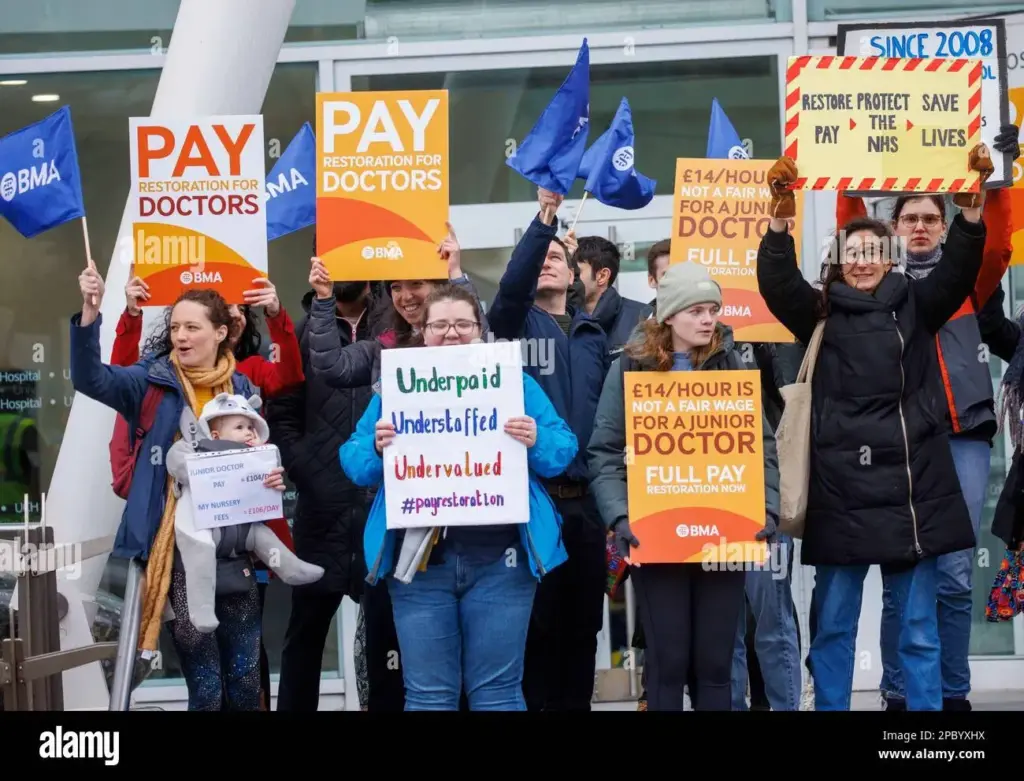
The latest doctors strike in the UK, primarily affecting junior doctors, has captured significant media attention as it highlights pressing issues within the National Health Service (NHS). This five-day walkout is largely driven by the British Medical Association’s (BMA) demands for better salary structures that reflect the rising costs of living and a plan for future salary growth. With inflation continuing to diminish the value of salaries, resident doctors argue that their wages, particularly for junior doctors, have not kept pace with economic realities, leading to widespread dissatisfaction and the decision to strike.
The implications of the doctors strike extend beyond just the immediate concerns of the striking medical staff. Health Secretary Wes Streeting has expressed deep regret for the potential impact on patient care during this critical winter season, as the NHS grapples with increased winter pressures, such as flu cases. Furthermore, the strike underscores the ongoing negotiations between NHS leaders and healthcare professionals, which, despite government offers, have failed to yield a satisfactory resolution to the pay dispute.
Frequently Asked Questions
What prompted the recent NHS doctors strike in the UK?
The NHS doctors strike in the UK was prompted by the British Medical Association’s (BMA) demands for a long-term plan to address salary increases and working conditions. Junior doctors, also referred to as resident doctors, are advocating against real-term pay cuts and seeking better resources for the NHS amid increasing winter pressures.
How long is the junior doctors walkout expected to last?
The junior doctors walkout, part of the ongoing NHS doctors strike, is scheduled for five days, commencing at 07:00 on Wednesday. This is among the numerous strikes held by resident doctors amid disputes over pay and working conditions.
What are the BMA’s salary demands during the NHS doctors strike?
During the NHS doctors strike, the BMA is demanding a comprehensive pay review to compensate for years of stagnated salary growth due to inflation. They are advocating for salaries that reflect their contributions and align with the cost of living.
What impact will the NHS doctors strike have on patient care?
The NHS doctors strike is expected to severely impact patient care, as many resident doctors are withdrawing from both emergency and non-urgent care. NHS leaders have warned that maintaining services will be a struggle due to the overwhelming winter pressures, including rising flu cases.
What did Keir Starmer say about the NHS doctors strike?
Prime Minister Keir Starmer described the NHS doctors strike as “dangerous and utterly irresponsible.” He urged doctors not to abandon their patients and to collaborate with the government to improve conditions within the NHS.
How are NHS leaders responding to the doctors strike?
NHS leaders are expressing significant concern about the impact of the doctors strike, forecasting that it will cost £250 million and exacerbate operational pressures in hospitals, especially during a challenging winter period filled with increased patient admissions.
What issues are junior doctors facing that led to the ongoing strikes?
Junior doctors are facing serious career progression bottlenecks, with many unable to secure specialty training positions and feeling that their pay is significantly lower than the levels in 2008 when adjusted for inflation, prompting ongoing strikes.
How has public support shifted regarding the NHS doctors strike?
Recent polling has indicated a decline in public support for the NHS doctors strike, with some expressing concern about the timing and impact on patient care. However, doctors emphasize their commitment to resolving the pay disputes while prioritizing patient safety.
What provisions are made for emergency care during the NHS doctors strike?
During the NHS doctors strike, NHS England has confirmed that emergency care services will remain available, but there may be disruptions. Patients are advised to use 999 for emergencies and contact 111 for non-life-threatening issues.
What were the results of the recent negotiations between the government and the BMA?
The recent negotiations between the government and the BMA over the NHS doctors strike reached an impasse, with both parties expressing differing views on pay and job conditions. The talks collapsed without a credible agreement, leading to the continuation of the strike.
| Key Points | Details |
|---|---|
| Prime Minister’s Reaction | Described the doctors’ strike as “dangerous and utterly irresponsible” and urged them not to abandon patients. |
| Duration of Strike | Five-day strike began at 07:00 on Wednesday. |
| BMA’s Demands | Calls for a long-term plan to increase salaries and create new training positions. |
| Impact on NHS Services | NHS leaders struggle to maintain pre-scheduled services due to overwhelming patient numbers. |
| Collaboration with NHS | BMA is willing to work with NHS to ensure patient safety during the strike. |
| Public Support | Recent polling indicates declining public support for the doctors’ strikes. |
| Past Strikes | This marks the 14th walkout by resident doctors in an ongoing pay dispute. |
| Government Offer | A new offer included increasing specialty training posts and reimbursement of exam fees. |
| Financial Impact | Strikes expected to cost £250 million and negatively affect patients and NHS operations. |
Summary
The situation surrounding the Doctors Strike UK highlights significant tensions between the government and healthcare professionals. As Prime Minister Keir Starmer condemns the strike as dangerous, the British Medical Association continues to demand improved pay and better working conditions. With NHS services potentially impacted, the strike shines a light on the urgent need for reforms within the healthcare system. The ongoing situation reflects the struggles faced by resident doctors and raises questions about the future of the NHS.