Listen to this article
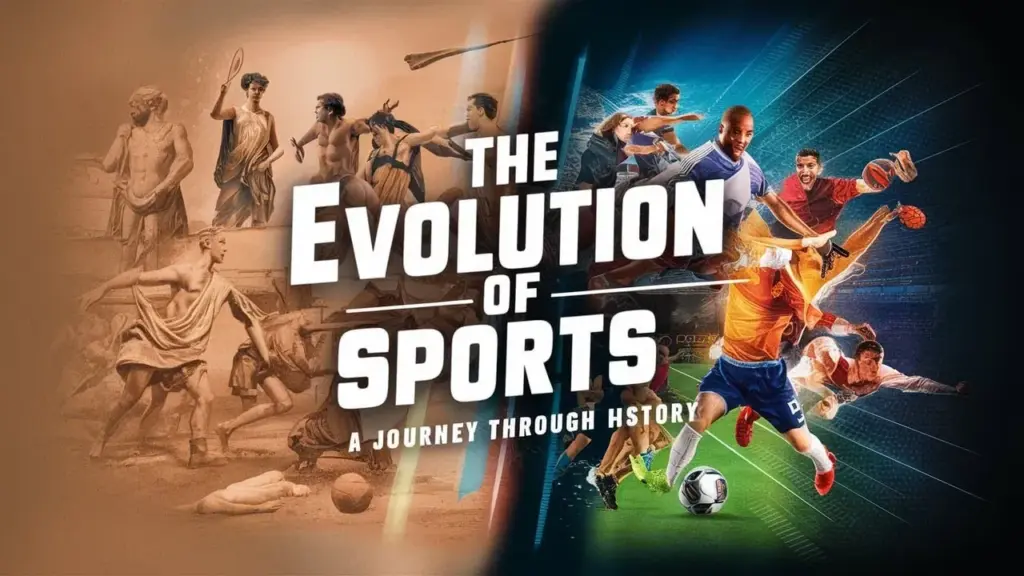
The evolution of sports is a spectacular journey that encompasses thousands of years of cultural significance, starting from the rudimentary ancient games played by early civilizations to the sophisticated modern sports we celebrate today. This remarkable transformation reflects the dynamic interplay between society, technology, and human aspiration. As we explore the history of sports, we will discover how ancient sports like the Olympic Games laid the groundwork for professional sports and the diverse athletic competitions we recognize worldwide. Today, sports not only entertain but also influence our culture, fostering a sense of community and identity across the globe. Join us as we delve deeper into the fascinating cultural impact of sports and their evolution through the ages.
Sports have undergone remarkable transformations throughout human history, transitioning from primitive competitions to the highly organized and commercially successful activities we see today. From the ancient games that unified tribes to the modern era’s global sporting events, we witness a history rich with creativity and cultural significance. This extensive overview will highlight the impact of events such as the Olympic Games, while also discussing how the rise of professional sports has reshaped our viewing habits and community involvement. Delving into the roots of these activities, we will explore the cultural ramifications and societal changes that sports have spurred. Let’s embark on this enlightening exploration of how sports continue to redefine our world.
The Origins of Sports in Ancient Civilizations
The roots of sports can be traced back to ancient civilizations, where they were deeply intertwined with societal values and cultural practices. Evidence from ancient Egypt showcases a variety of physical activities, including wrestling and archery, which were not just games but significant social events. These contests often served dual purposes, helping to build community ties and demonstrating individual strength and skill, which were highly valued in their culture. Likewise, early Mesopotamian artifacts reflect similar sporting activities, indicating that these physical contests have always played a pivotal role in societal cohesion and identity.
In Ancient Greece, sports transformed into an elaborate cultural phenomenon with the establishment of the Olympic Games in 776 BC. These games were not merely athletic competitions; they were prestigious festivals that honored Zeus and brought together various city-states in a display of unity and rivalry. Athletes trained rigorously, embodying the Greek ideals of ‘arete’ (excellence) and ‘kalokagathia’ (the unity of beauty and goodness). Events such as running, wrestling, and chariot racing became spectacles that defined Greek culture and laid the foundational principles for modern sports, emphasizing competition and resilience.
Frequently Asked Questions
What is the significance of Ancient Games in the evolution of sports?
Ancient Games, particularly the Olympic Games started in Ancient Greece, hold immense significance in the evolution of sports. They established foundational principles of competition, athleticism, and cultural celebration, setting the stage for modern sports practices.
How did the Medieval period influence the evolution of team sports?
During the Medieval period, the evolution of sports saw a shift with the introduction of team games such as early forms of soccer and jousting. These games not only highlighted social status but also laid the groundwork for structured team sports that became prevalent in later centuries.
What role did the Industrial Revolution play in the evolution of modern sports?
The Industrial Revolution significantly accelerated the evolution of modern sports by providing urban populations with leisure time and the establishment of standardized rules. This led to the rise of professional sports, such as football and baseball, fostering organized competition.
How have the Olympic Games contributed to the evolution of sports on a global scale?
The Olympic Games have been pivotal in the evolution of sports, promoting international unity and athletic excellence. They also serve as a platform for cultural exchange and political expression, highlighting the profound cultural impact of sports worldwide.
What impact has technology had on the evolution of sports?
Technology has drastically transformed the evolution of sports by enhancing training methods and viewing experiences through advancements like instant replay, data analytics, and wearable devices, making athletic competitions more engaging and accessible to fans.
How does professional sports reflect the cultural impact of sports throughout history?
Professional sports embody the cultural impact of sports by showcasing athletes as icons and celebrities, influencing societal attitudes and behaviors. This evolution reflects changing cultural norms around heroism, entertainment, and community bonding.
In what ways have inclusivity and diversity shaped the evolution of modern sports?
The evolution of modern sports has increasingly centered on inclusivity and diversity, with initiatives like Title IX and the Paralympic Games promoting equal representation. This shift encourages broader participation across various demographics, reshaping the sports landscape.
What future trends can we expect in the evolution of sports?
Future trends in the evolution of sports include the integration of virtual reality, augmented reality, and artificial intelligence, enhancing training and spectator experiences. Additionally, sustainability practices will likely become crucial as the sports industry addresses global challenges.
How have cultural factors influenced the evolution of sports over time?
Cultural factors such as societal values, technological advancements, and historical events have substantially influenced the evolution of sports. These elements dictate the popularity of certain sports and how they are played, viewed, and celebrated in different regions.
What is the historical significance of professional sports in the evolution of society?
The historical significance of professional sports in the evolution of society is profound, as they not only entertain but also unify communities, drive economic growth, and serve as a platform for social change, reflecting broader societal transformations.
| Era | Key Developments | Cultural Impact |
|---|---|---|
| Ancient Civilizations | Physical contests linked to warfare and rituals; Ancient Games like wrestling and archery in Egypt. | Sports served as community bonding activities and were crucial for physical prowess. |
| Ancient Greece | Beginning of organized sports with the Olympic Games in 776 BC. | Celebrated athletic excellence and honored the gods; foundations of modern sports. |
| Medieval Period | Emergence of team games; jousting and early forms of soccer. | Reflected the social dynamics and aristocratic culture. |
| 19th Century | Establishment of standardized rules and formal clubs; cricket and football rise in popularity. | Marked the birth of modern sports, allowing for organized competition. |
| 20th Century | Globalization of sports; emergence of professional athletes as celebrities. | Sports became a platform for political statements; global audiences engaged through television. |
| Modern Era | Integration of technology; advancements like instant replay and stats tracking. | Fosters fan engagement and inclusivity, especially with diversity initiatives. |
| Future Trends | Emergence of VR and AR in sports experiences; stresses sustainability practices. | Sets new standards for athlete training and environmental responsibility. |
Summary
The evolution of sports illustrates a dynamic journey shaped by human history, culture, and advancements in technology. From the primitive contests of the ancient civilizations to the highly organized and globalized sporting events we witness today, the evolution of sports shows how competition and community spirit have continuously interwoven. These developments not only reflect societal values but also highlight the importance of inclusivity and sustainability in the future of sports. As we celebrate this rich history, we can only anticipate how the evolution of sports will continue to inspire and connect people worldwide.