
Listen to this article
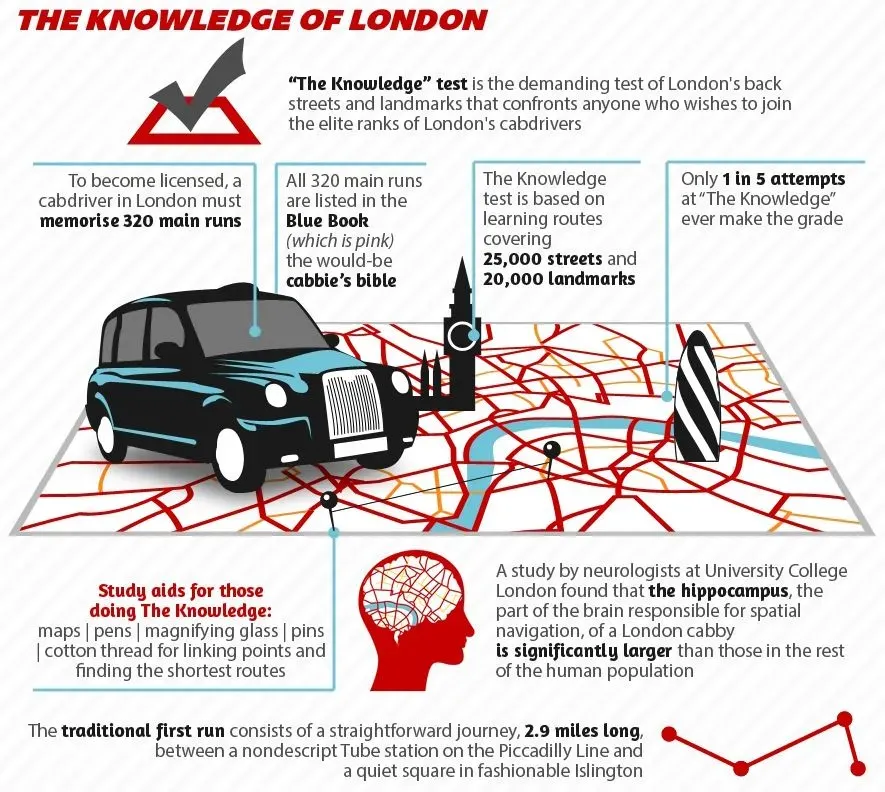
The Knowledge test for London black cab drivers stands as one of the most challenging and esteemed examinations in the realm of transportation. Every aspiring cab driver must navigate through an extensive syllabus that involves memorizing thousands of streets and key landmarks within London. With the rigorous requirement of learning around 320 routes and 25,000 streets, understanding how to pass the Knowledge is not just a task, but a feat that often takes years of hard work and dedication. Drivers are evaluated on their ability to plot the most efficient routes across the city, making the Knowledge test not only a measure of memory but also of strategic thinking. For those passionate about becoming a London cab driver, this pivotal test shapes not only their careers but also their connection to the vibrant city they serve.
The London black cab Knowledge examination is synonymous with the grueling yet rewarding journey toward becoming a licensed taxi driver in the capital. This rigorous assessment evaluates candidates on their comprehensive understanding of the city’s streets and crucial points of interest, ensuring that they are well-equipped to provide exceptional service. With the challenge of memorizing numerous routes and the most efficient paths between locations, aspiring drivers often embark on a transformative experience that sharpens their navigational skills. As the leading test for the profession, the Knowledge fosters a deep relationship between drivers and the streets of London—often changing their lives in significant ways. For those looking to break into this iconic profession, mastering the Knowledge is a key milestone on their path.
Understanding the Knowledge Test for London Black Cab Drivers
The Knowledge test is an essential milestone for anyone aspiring to become a licensed London black cab driver. This rigorous examination demands that drivers memorize an intricate network of 25,000 possible streets and over 20,000 landmarks familiar to tourists and locals alike. It is a journey that typically spans three to four years, requiring commitment and a depth of understanding that goes beyond mere memorization. The process itself is structured to not only test geographical knowledge but also the ability to navigate these routes efficiently. The extensive preparation for the Knowledge involves rigorous study and practice, with many drivers employing various methods such as cycling or driving around the city to internalize their routes.
One of the surprising aspects of this detailed study is its impact on brain development. Research indicates that the act of memorizing complex information not only aids in becoming proficient at navigation but can also enhance cognitive abilities related to memory and spatial awareness. Those who have completed the Knowledge report a significant improvement in their memory retention capabilities. This profound change in brain function suggests that the process of mastering London streets indeed alters cognitive processes, reshaping the way drivers think and recall information. Ultimately, the Knowledge test stands as a testament to the dedication and expertise required to become a London cab driver.
How to Pass the Knowledge: Tips and Insights
Passing the Knowledge test is no small feat, and it requires thorough preparation and practical strategies. Aspiring drivers should focus on creating a structured study plan that encompasses daily routing practice alongside memorization techniques. This could include the use of flashcards, mobile apps, or even joining study groups for collaborative learning. By breaking down the vast amount of information into manageable segments, candidates can track their progress and ensure they are covering all essential aspects of the Knowledge. Furthermore, utilizing visual aids such as maps and diagrams can significantly enhance their geographical understanding, allowing them to visualize the city better.
In addition to studying the routes and landmarks, understanding the requirements of the Knowledge test is crucial. Candidates must not only remember street names and locations but also demonstrate the ability to logically sequence routes and respond correctly under the pressure of an examination. Practicing oral examinations with friends or experienced taxi drivers can provide invaluable experience and boost confidence before the actual test. Moreover, it’s important to maintain a positive mindset and perseverance, as the journey towards mastering the Knowledge can be daunting and requires a consistent effort for success in this challenging endeavor.
The Evolution of the Knowledge Test Over the Years
Since its introduction in 1865, the Knowledge test has seen slight adaptations to better suit the evolving landscape of London and its transportation needs. Originally implemented to improve the quality of rides for passengers, the Knowledge remains a cornerstone of black cab driving, ensuring that all drivers possess the necessary skills to navigate the city efficiently. Recent reports suggest that the number of applicants has surged by 68.6%, a trend that indicates a renewed interest in the profession, driven by modern technology and support from Transport for London (TfL). As the pressures of the modern era increase, TfL has been working on refining the testing process to make it more accessible to new entrants.
Despite these changes, the core essence of the Knowledge remains intact. It is still regarded as one of the most challenging memory tasks worldwide, which imbues its passers with immense pride. New methods of study, such as online training modules and digital navigation apps, have emerged, accompanying the rigorous preparation required to succeed. This evolution reflects not only the changing dynamics within London but also highlights the enduring nature of the Knowledge, ensuring that it remains relevant for future generations of cab drivers.
The Importance of Memorizing London Streets for Success
For candidates preparing for the Knowledge test, memorizing the vast network of London streets is paramount. This comprehension allows drivers to provide high-quality service to their passengers, ensuring they can navigate the city with ease and confidence. With approximately 25,000 streets to commit to memory, the task may seem daunting. However, through systematic learning techniques and consistent practice, many aspiring drivers have found success. Daily route rehearsals and the use of geographic quizzes can enhance memorization skills while helping candidates become familiar with the nuances of London streets.
Moreover, memorization is closely tied to the ability to adapt and respond to real-time traffic situations. A driver’s knowledge of lesser-known back roads and alternate routes can significantly enhance the travel experience for passengers, reducing wait times and avoiding congested areas. This level of familiarity not only empowers drivers to make quick decisions but also heightens their expertise, distinguishing them from their peers. In essence, thorough memorization plays a crucial role in ensuring that drivers embody the professionalism and capabilities associated with the London black cab service.
Motivation and Challenges in Becoming a London Cab Driver
The journey to becoming a London cab driver is often fueled by a deep-seated motivation for many individuals. For some, it’s a long-held dream to drive a cab in the vibrant streets of London. Others are drawn to the independence and flexibility that comes with the role. However, as we have seen from the experiences shared by drivers like Peter Laszlo, the path to success is fraught with unique challenges. Candidates must navigate not only the extensive memorization involved but also the stress and pressure of the Knowledge test itself, which requires pinpoint accuracy and rapid recall.
Staying motivated throughout this challenging process is vital. Many successful cab drivers emphasize the need for perseverance, as the Knowledge can test one’s patience and determination. Finding a rhythm, whether through the study of routes or regular practice drives, can instill a sense of progress and accomplishment. Engaging with supportive communities, whether online or in-person, can also provide crucial encouragement and guidance throughout this journey. Embracing the challenges head-on will ultimately lead aspiring drivers to not only pass the test but also thrive in their roles as professional London cab drivers.
The Mental Transformation from Knowledge Preparation
Candidates undertaking the Knowledge test often experience a significant mental transformation throughout their preparation. Engaging with such an extensive amount of information transforms one’s cognitive abilities, enhancing memory and overall brain function. Studies have shown that the arduous process involved in learning London’s streets can lead to improved spatial awareness and a strengthened memory retention capacity. As drivers like Peter reflect on their experiences, they note how their ability to recall daily tasks and appointments has notably improved, thanks to the rigorous training associated with the Knowledge.
Moreover, this mental transformation extends beyond the realm of simply memorizing streets. It embodies a deeper understanding and connection to the city itself, fostering a sense of belonging and responsibility towards passengers. The Knowledge test serves as not just an examination of memory and navigation skills, but as a catalyst for drastic personal growth. Armed with newfound confidence and skills, drivers emerge not only as proficient navigators but also as informed ambassadors of London, with a rich appreciation for its geography and culture.
Using Technology to Supplement Knowledge Acquisition
The rise of technology has significantly impacted how aspiring London cab drivers prepare for the Knowledge test. Digital tools and apps are now available to assist in the memorization of streets and routes, visualizing the complex layout of London with interactive maps and quizzes designed to reinforce learning. Candidates can engage in gamified learning experiences that make the process not only more enjoyable but also effective in emphasizing route recognition and landmark memorization. The use of technology has been embraced, and it reflects an ongoing adaptation within the cab driving community to merge traditional methods of learning with modern convenience.
Furthermore, the availability of online forums and support groups allows candidates to connect and share resources, strategies, and personal experiences. This collective approach can enhance motivation and provide practical tips from those who have successfully navigated the Knowledge exam. The integration of technology into this learning journey not only aids in streamlining preparation but also fosters a communal spirit among aspiring cab drivers, making the endeavor feel less isolating and more achievable. By leveraging these advancements, candidates can gain a competitive edge and increase their chances of successfully passing the Knowledge test.
Personal Stories and Experiences of Drivers Who Passed the Knowledge
Personal stories from drivers who have successfully passed the Knowledge test often highlight the intense dedication and unique journeys they experienced. For individuals like Peter Laszlo, the motivation stemmed from childhood aspirations and a profound love for London. His journey is marked by personal challenges, including age and the strenuous task of essentially learning an entire city. Sharing such personal narratives exposes the human side of the Knowledge preparation, offering insights into the struggles and triumphs that prospective drivers face along the way.
These accounts play a vital role in not only humanizing the often intimidating process but also inspiring new candidates who may feel overwhelmed. Hearing about real-life experiences can provide encouragement and practical advice on overcoming the hurdles associated with the Knowledge. Moreover, these personal stories serve to reinforce the idea that, while the Knowledge test may be rigorous, the satisfaction and fulfillment that come from passing it and serving as a London cab driver can make all the hard work worthwhile.
Frequently Asked Questions
What is the Knowledge test for London black cab drivers?
The Knowledge test is a rigorous examination that London black cab drivers must pass to obtain their license. It requires extensive memorization of London streets, landmarks, and the quickest routes within a six-mile radius of Charing Cross.
How do I pass the Knowledge test for London black cab drivers?
To pass the Knowledge test, aspiring cab drivers must memorize around 25,000 streets and 20,000 points of interest in London. Regular practice, route cycling, and consistent studying can significantly improve your chances of success.
What are the requirements to take the Knowledge test for London cab drivers?
Requirements for the Knowledge test include being at least 21 years old, passing a medical exam, and providing proof of residency in the UK. Additionally, candidates must demonstrate the ability to learn and memorize extensive geographical information about London.
How long does it take to learn the Knowledge for London black cab drivers?
Typically, it takes around three to four years to complete the Knowledge for London black cab drivers, though some may take longer or shorter depending on their learning pace and dedication.
What techniques can help with memorizing London streets for the Knowledge?
Techniques to aid in memorizing London streets for the Knowledge include using visual aids, creating mental maps, practicing routes via cycling or driving, and engaging in regular review sessions to reinforce memory.
Is the Knowledge test for London black cab drivers difficult?
Yes, the Knowledge test is considered one of the toughest navigation exams globally. Many candidates describe it as challenging due to the vast amount of information required to memorize and the precision needed during the test.
What impact does studying for the Knowledge test have on memory?
Studying for the Knowledge test can significantly enhance memory skills. Many drivers report improved recall abilities due to the rigorous memorization required throughout the learning process.
Can anyone become a London cab driver by passing the Knowledge test?
Yes, anyone who meets the eligibility requirements, completes the Knowledge test, and fulfills necessary licensing procedures can become a licensed London black cab driver.
How has the process of learning the Knowledge changed over the years?
The process of learning the Knowledge has evolved with modern technology and increased applications. Transport for London (TfL) has modernized training resources and reduced average completion times, making it more accessible for new drivers.
What are common challenges faced when preparing for the Knowledge test for London black cab drivers?
Common challenges include the sheer volume of information to memorize, time management issues, and managing the pressure of performing well on the test, which assesses knowledge and navigation skills directly.
| Key Point | Details |
|---|---|
| The Knowledge Test | Considered one of the toughest tests globally, requiring extensive memorization of London’s layout. |
| History | Introduced in 1865 to improve cab driver navigation following public complaints about poor journeys. |
| Memorization Requirements | Drivers must learn 25,000 streets, 20,000 points of interest, and 320 routes within a six-mile radius of Charing Cross. |
| Duration | Typically takes 3 to 4 years to complete, with some individuals like Peter Laszlo taking 6 years. |
| Brain Changes | Research shows that the memorization process alters the brain, improving memory in individuals. |
| Trends | Applications to take the Knowledge have increased by 68.6% from 2022 to 2025. |
Summary
The Knowledge test for London black cab drivers is essential for those who wish to navigate the city’s streets expertly. With its rigorous demands and extensive coverage of the city’s geography, passing this test marks a significant achievement for drivers. As the test continues to evolve and attract new applicants, it remains a cornerstone of London’s transport system.