
Listen to this article
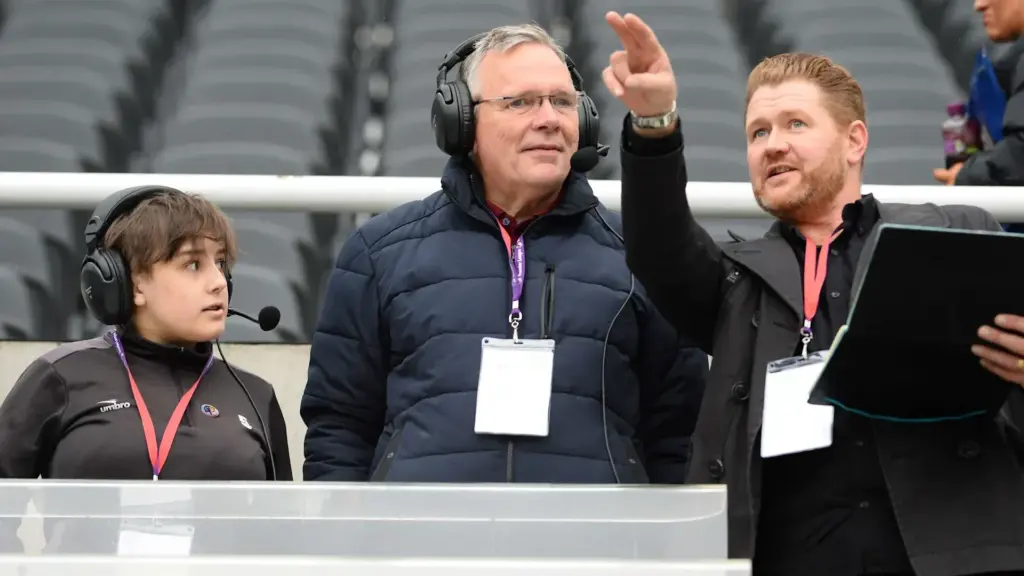
In a historic moment for inclusivity in sports, Neale Ormston has emerged as the first visually impaired football commentator for a Premier League game, a milestone achieved during a Crystal Palace match. Using the innovative GiveVision headset, Ormston has reinvented the way visually impaired fans engage with football commentary, turning potential despair into excitement. No longer confined to the sidelines, he connects with other visually impaired supporters, delivering real-time audio commentary that enhances their matchday experience. This initiative not only highlights the evolution of accessibility in football but also paves the way for a more inclusive sports environment. With a growing emphasis on inclusive sports, Ormston’s journey underlines the importance of breaking down barriers for fans with visual impairments in the Premier League and beyond.
Neale Ormston’s groundbreaking role as a visually impaired commentator aligns with a broader movement advocating for accessibility within sports arenas. This pioneering venture emphasizes the need for equal opportunities and accommodations that allow everyone, regardless of their visual capabilities, to enjoy live matches. Through advanced technology like the GiveVision headset, opportunities for visually challenged fans expand, enabling them to immerse themselves fully in the action. This endeavor not only supports football commentary but also serves as a catalyst for advocating inclusive practices across all sports. By fostering a community where all fans can partake in the excitement of live games, we can celebrate the passion of the beautiful game together.
The Impact of GiveVision Headsets on Visually Impaired Fans
In recent years, the introduction of innovative technologies such as the GiveVision headset has revolutionized the experience for visually impaired sports fans. These headsets provide enhanced visual inputs to users, allowing them to enjoy live Premier League matches in a way that was previously unimaginable. By transmitting real-time images directly to the retina, the GiveVision headset enables users to see camera feeds, amplify their view, and even adjust contrast settings. This technology empowers fans with visual impairments to partake in the excitement of football, ultimately increasing attendance and enjoyment at matches.
The transformative nature of the GiveVision headset was exemplified by Neale Ormston’s historic commentary during a Premier League game, making him the first visually impaired commentator in the league’s history. This breakthrough not only showcases the headset’s capabilities but also highlights the importance of accessibility in football. As Ormston himself noted, these innovations should become standard practice across all clubs, fostering inclusivity that allows everyone, regardless of sight limitations, to enjoy the thrilling atmosphere of live sports.
Promoting Inclusivity and Accessibility in Football
The changing landscape of sports accessibility is essential for inclusivity, especially for visually impaired fans. Crystal Palace has taken commendable steps to address this issue, pioneering the use of GiveVision headsets, which enhance the matchday experience and provide essential commentary for those who struggle with sight loss. With statistics showing that 73% of visually impaired sports fans do not attend matches due to accessibility issues, initiatives like these are crucial for opening doors to many who wish to enjoy the thrill of live football.
Moreover, Crystal Palace’s commitment to accessibility not only benefits visually impaired fans but also sets a benchmark for other clubs in the Premier League. The message is clear: all football institutions should invest in technology and resources that cater to fans with disabilities. By prioritizing inclusivity, clubs can engage a broader audience, ensuring that the beautiful game remains accessible to all individuals, regardless of their physical conditions.
The Role of Commentary in Enhancing Matchday Experience
Commentary is a vital ingredient in the football viewing experience, providing fans with insights and context that enhance understanding and enjoyment of the game. For visually impaired fans like Neale Ormston, being able to provide and receive live commentary offers an opportunity to connect with the match in a way that sight alone cannot. This become particularly important in high-stakes situations like a Premier League match, where the atmosphere and emotions run high, and accurate, timely input can elevate the spectator experience exponentially.
Alongside Ormston’s groundbreaking efforts, the collaborative commentary service offered at Crystal Palace reflects a commitment to making football more inclusive. The interactive nature of the service, with commentators and nearby visually impaired fans working together, allows for a sense of community and shared experience. As fans engage with each other through real-time commentary, they not only enjoy the game more fully, but also foster connections that deepen their love for the sport.
Maximizing the Atmosphere with Emerging Technologies
The excitement of attending a live Premier League game is unparalleled, and new technologies like the GiveVision headset are enhancing that atmosphere for visually impaired fans. These headsets offer a sensory-rich experience, allowing users to immerse themselves in the excitement and energy of the crowd. By providing real-time feeds and enabling users to adjust their view, the technology allows individuals to feel the game unfolding in a way that aligns their unique experience with the sensory dynamics of football.
Fans like Susan Vernon and Ormston illustrate how these advancements can restore passion and joy for the sport, ensuring that everyone can share in the collective exhilaration of the matchday atmosphere. Such technology not only democratizes sports attendance but invigorates the culture of inclusivity by giving everyone a chance to be part of premier sporting events, transcending barriers that have long deterred attendance from visually impaired supporters.
Challenges and Opportunities in Football Accessibility
While advances like the GiveVision headset represent tremendous progress, challenges remain widespread in the realm of football accessibility. Even at a forward-thinking club like Crystal Palace, there are limitations to the technology, such as the absence of necessary infrastructure at away matches. This not only affects the coverage of various stadiums but also hinders the enjoyment of those enthusiastic fans who want to join in on the action. Clubs must address these gaps to ensure individuals with sight impairments can fully participate, regardless of venue.
Nevertheless, this presents an opportunity for football clubs to innovate and improve the overall experience for fans with disabilities. By investing in upgrades to stadium technology and boosting awareness around accessibility initiatives, clubs can attract new fans and foster a more inclusive environment. The conversation surrounding visually impaired fans should continue to grow, urging all clubs in the Premier League and beyond to adopt innovative practices that enrich every fan’s match-day experience.
The Future of Visually Impaired Commentary
The emergence of visually impaired commentators like Neale Ormston signifies a new frontier in the representation of fans within sports media. As clubs like Crystal Palace pioneer the integration of technology and commentary for disabled fans, the demand for similar initiatives across the Premier League creates a pathway for others to follow suit. By championing inclusivity in commentary roles, organizations contribute to the changing narrative around disability in sports, showcasing the potential and talent that exists within these often-overlooked communities.
The future indeed looks bright for visually impaired commentary as more clubs begin to recognize the value of inclusivity and representation. This not only enhances the experience for fans but also opens up opportunities for aspiring commentators who may have previously felt sidelined by the traditional frameworks of sports media. As awareness continues to rise and technologies evolve, the football industry is set to thrive on the contributions and insights of visually impaired commentators, enriching the game for all.
Shifting Perceptions: A Cultural Change in Sports
The strides made towards enhancing accessibility for visually impaired fans signal a necessary cultural change within sports. As fans increasingly advocate for inclusivity, clubs can no longer afford to ignore their needs. The implementation of technologies such as the GiveVision headset is just the beginning of a broader movement aimed at transforming the landscape of sports for the better. As more clubs adopt these practices, the overall perception of accessibility in football will shift, emphasizing that everyone deserves the chance to enjoy the game, regardless of physical barriers.
Much like the evolution of certain game rules and regulations, the enhancements in accessibility and inclusivity reflect a growing recognition that sports belong to everyone. As we continue to witness these positive changes, they help break down misconceptions about disability and sports, paving the way for a future where everyone can enjoy the beautiful game fully. The cultural shift towards inclusivity will not only result in more vibrant stadiums filled with diverse fans but also cultivate broader societal acceptance of individuals with disabilities.
Advocacy and Action: Driving Change in the Football Landscape
Behind the technological advances in sports accessibility lies the hard work and advocacy of individuals and organizations pushing for change. For clubs like Crystal Palace, it takes courage and commitment to invest in innovations that may require significant upfront costs, but the impact is ultimately invaluable. Advocates for visually impaired fans, like Charlotte Woodward of the Disabled Supporters’ Association, are essential voices that highlight the importance of accessibility and push for it to become a priority across the Premier League and beyond.
As awareness spreads and more people rally around this cause, there is potential for a seismic shift in how football clubs approach the needs of their fans. The ongoing dialogue around the significance of visually impaired commentaries and accessibility tools in stadiums acts as a catalyst for broader actions and reform. The united efforts of fans, clubs, and technology companies can create an inclusive environment that not only satisfies legal requirements but also celebrates the spirit of community inherent in sports.
The Importance of Community Support in Sports Access
Community support is vital in the fight for greater accessibility and inclusivity in sports. As seen in the experiences of fans like Susan Vernon, who have benefited from the GiveVision headsets, the role of localized initiatives and community-driven efforts cannot be understated. Clubs that actively engage with their fan base and listen to the needs of those with disabilities foster a more supportive environment that encourages attendance and participation. Through community outreach, clubs can better understand the specific challenges faced by visually impaired fans and tailor their initiatives accordingly.
Moreover, establishing strong connections between clubs and advocacy organizations can strengthen support networks for visually impaired individuals. By working collaboratively to identify and address barriers to accessibility, the football community as a whole begins to create a resolute front demanding inclusivity. The collective voices of united fans not only raise awareness but also encourage clubs to take proactive steps towards change, ensuring that every matchday is as memorable and enjoyable as possible for all supporters.
Frequently Asked Questions
What is the role of a visually impaired football commentator?
A visually impaired football commentator provides live commentary during matches, offering an engaging audio experience for other visually impaired fans, enhancing accessibility in football. They use technology like the GiveVision headset to interpret and describe game action.
How does the GiveVision headset improve accessibility for visually impaired football fans?
The GiveVision headset enhances accessibility in football by transmitting images directly to the retina, allowing visually impaired fans to see the action on the pitch. Users can control their view through zooming and adjusting contrast, making it possible to follow Premier League commentary better.
Why is Neale Ormston significant in Premier League commentary?
Neale Ormston is significant as he became the first visually impaired football commentator to provide live commentary in a Premier League game, showcasing the potential for inclusive sports and improving the experience for visually impaired fans at Crystal Palace.
What challenges do visually impaired commentators face during live football commentary?
Visually impaired commentators like Neale Ormston face challenges including the inability to see player jerseys or team sheets, requiring them to rely on auditory cues and memory to accurately describe Premier League match actions.
How does Crystal Palace support visually impaired fans at matches?
Crystal Palace supports visually impaired fans by providing audio commentary services and offering GiveVision headsets that enhance the viewing experience, ensuring inclusivity and accessibility in football.
What impact does the GiveVision headset have on the experience of visually impaired football fans?
The GiveVision headset significantly improves the experience of visually impaired football fans by allowing them to see game action, understand live play dynamics, and participate in the match atmosphere, thus increasing engagement in Premier League games.
What does the future hold for inclusivity in sports for visually impaired individuals?
The future for inclusivity in sports for visually impaired individuals looks promising, with ongoing advocacy for broader adoption of technologies like the GiveVision headset, enhancing accessibility and encouraging participation in matches across all football clubs.
How can other clubs implement solutions like Crystal Palace’s visual aids for the visually impaired?
Other clubs can implement solutions like Crystal Palace’s visual aids by investing in technologies such as GiveVision headsets, raising awareness of visually impaired fans, and establishing inclusive sports initiatives to enhance access to football.
What are the demographics of visually impaired football fans in the UK?
In the UK, the demographics of visually impaired football fans indicate that one in 30 people suffers from some degree of sight loss, with 73% not attending matches due to a lack of accessible options, highlighting the need for inclusive sports initiatives.
Why is Neale Ormston’s experience important for visually impaired sports commentary?
Neale Ormston’s experience is crucial as it highlights the significance of representation in sports commentary, encouraging other visually impaired individuals to engage with football, and showcases the impact of new technologies in facilitating this engagement.
| Key Points |
|---|
| Neale Ormston becomes the first visually impaired commentator at a Premier League game using a GiveVision headset. |
| The headset allows users to control their view, zoom in, adjust contrast and switch to regular vision for celebrations. |
| Crystal Palace is currently the only club providing this innovative service for visually impaired fans. |
| Statistics show that 73% of visually impaired sports fans do not attend matches due to lack of accessibility. |
| Crystal Palace fans express a newfound enjoyment of attending matches and participating in the game. |
| Calls are being made for other clubs in the Premier League to adopt similar accessibility measures. |
Summary
Visually impaired football commentators like Neale Ormston are breaking new ground in the sports industry, highlighting the importance of inclusivity in football. Through innovative technology like the GiveVision headset, Ormston has regained his passion for the game and is setting a standard for accessibility in stadiums. The response from fans reveals how essential these advancements are, enabling spectators with visual impairments to enjoy the excitement of Premier League matches once again. This progressive action not only enhances the experience for visually impaired football fans but also emphasizes the necessity for other clubs to follow suit, ensuring that everyone can partake in the joy of live sports.