
Listen to this article
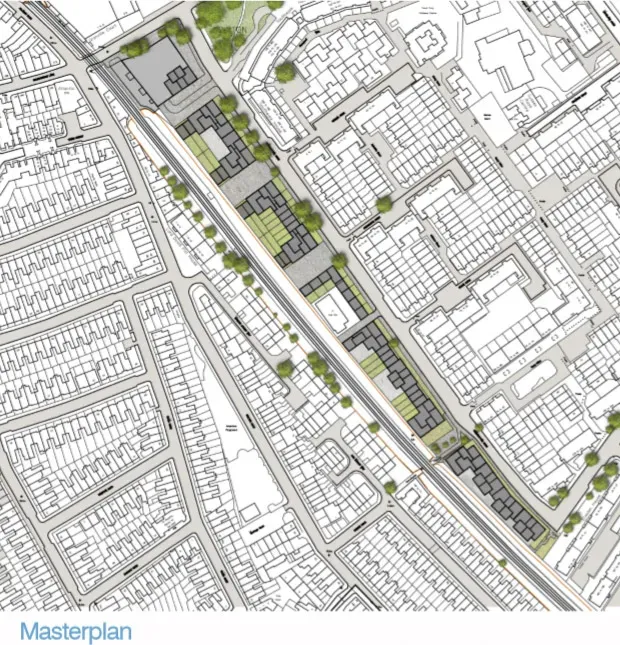
The Brixton redevelopment plans are set to transform the iconic area by introducing 288 new flats across two strategically located council-owned sites. Partnering with developer London Square, Lambeth Council aims to create a vibrant mixed-use development that will not only provide much-needed affordable housing in Brixton but also enhance local commerce and community engagement. The proposed developments will feature a variety of housing options, including 98 social rent homes, ensuring that a significant portion of the living space remains accessible to residents. Furthermore, the designs prioritize community needs by incorporating amenities like an enterprise hub and shops, fostering a lively atmosphere for both current and future locals. This ambitious initiative reflects a commitment to maintaining Brixton’s unique character while meeting modern demands for sustainable living and community cohesion.
The redevelopment initiative in Brixton strives to reimagine the urban landscape by integrating residential and commercial spaces that cater to diverse needs. With Lambeth Council spearheading the project, this venture will provide varied living options, including affordable units and market-rate apartments. The envisioned mixed-use spaces are designed not only for dwellings but also for commercial enterprises, creating a community-centric environment. Additionally, incorporating a community hub into the plans emphasizes support for local businesses, akin to a town center’s vibrancy. As consultation with residents continues, the project’s progression relies heavily on public feedback to ensure it resonates with the essence of the Brixton neighborhood.
Brixton Redevelopment Plans: A New Era for Affordable Housing
The Brixton redevelopment plans represent a transformative opportunity for the area, focusing heavily on the creation of affordable housing. With 288 new flats earmarked across two council-owned sites, the initiative spearheaded by Lambeth Council and developer London Square aims to integrate 98 homes specifically designated for social rent. This allocation constitutes slightly over 40 percent of total housing, emphasizing the commitment to affordable living solutions in the Brixton area. The thoughtful distribution of one, two, and three-bedroom flats ensures that the needs of diverse families and individuals are met, promoting a sustainable community within the bustling urban environment of Brixton.
Moreover, the mix of affordable housing options sets the stage for increased social equity in an area that has long been a patchwork of varying socio-economic backgrounds. By integrating these social rent homes within the broader context of private sales, the plan fosters an inclusive atmosphere, allowing for a diverse mix of residents. Alongside the residential units, the proposed enterprise and community hub will provide essential services and opportunities for social interaction, further enriching the community fabric in Brixton.
Mixed-Use Development in Brixton: Enhancing the Community Experience
The proposed mixed-use development in Brixton is designed to enhance not just the residential landscape but also the commercial activity within the area. The plans detail the construction of new retail spaces alongside residential blocks, which encourage local entrepreneurship and provide residents with convenient access to shops and services. By allocating around 5,600 sq.m for flexible commercial use, developers intend to create a vibrant marketplace that benefits local businesses and fosters economic growth in Brixton. This thoughtful approach meets the needs of both the community and businesses, reinforcing the interconnectedness between living spaces and commercial opportunities.
Furthermore, the inclusion of dedicated storage facilities for Brixton’s market traders adds another layer of support for local economic activity. The redevelopment aims to honor the legacy and culture of Brixton’s entrepreneurial spirit by providing infrastructure that can boost trade and promote local produce. As Lambeth Council supports these ambitious plans, community consultations have played a crucial role in shaping a development that not only adheres to market needs but also resonates with the historical essence of Brixton.
Community Hub in Brixton: Fostering Local Connections
At the heart of the Brixton redevelopment plans is the introduction of a community hub that seeks to foster local connections and promote social inclusivity. This enterprise and community hub is envisioned as a central space where residents can engage in various activities, attend workshops, or participate in community-led initiatives. By focusing on creating a meeting point for different groups within the community, the redevelopment prioritizes social interaction and collective experiences, essential for nurturing a tight-knit neighborhood.
The significance of establishing a community hub goes beyond mere socialization; it serves as a resource for local residents and businesses alike. Providing affordable working spaces at discounted rates will empower entrepreneurs and small businesses, ensuring they have the means to thrive. The connection between the residential and commercial areas through this community hub illustrates a comprehensive approach to urban development, emphasizing that revitalizing Brixton involves more than just constructing buildings—it requires nurturing the people and culture that define the area.
Lambeth Council’s Vision: Addressing Housing Needs in Brixton
Lambeth Council’s vision for addressing housing needs in Brixton is crystal clear with the announcement of the redevelopment plans. The initiative reflects the council’s commitment to tackling the pressing demand for affordable housing. By incorporating 40 percent of new units designated for social rent, the council is actively working to reduce the housing crisis in the area, allowing lower-income families increased access to quality living spaces. The collaboration with London Square to realize this vision showcases a strategic effort to combine public needs with private development capabilities.
The plans indicate a shift in perspective towards multi-faceted development, emphasizing that housing solutions must be inclusive and forward-thinking. With a mix of affordable flats and private sales, Lambeth Council is not merely responding to the immediate requirements of Brixton but is also setting a benchmark for sustainable urban development that can be replicated in other communities across the region. This foresight paves the way for a more equitable urban future.
Accessibility Features in Brixton Flats: A Priority for All
In the Brixton redevelopment plans, accessibility features play a significant role in ensuring that all residents can make the most of their living spaces. Each of the new Brixton flats will be designed with accessibility in mind, allowing for ease of movement and comfort for individuals with varying needs. The commitment to incorporate these features emphasizes an understanding of the diverse community demographics within Brixton, where residents may include seniors and those with disabilities.
Moreover, fostering an inclusive environment through thoughtful design sets a standard for future developments in urban areas. By prioritizing accessibility, the redevelopment plan not only enhances the livability of the new flats but also demonstrates a commitment to social responsibility. This approach resonates with the community’s aspiration for an urban landscape where everyone, regardless of their physical abilities, can feel at home in Brixton.
Public Consultation: Engaging the Brixton Community
A vital aspect of the Brixton redevelopment plans is the extensive public consultation process that has involved more than 3,000 local residents. These engagement efforts have ensured that the voices of the community are heard, shaping the plans according to their preferences and concerns. The proactive approach taken by Lambeth Council and London Square illustrates a dedication to transparency and collaboration, essential components in contemporary urban development.
Feedback from residents not only informs the design and functionality of the new spaces but also fosters a sense of ownership among the community. By encouraging active participation, the consultation process cultivates trust and strengthens bonds between the local government and its constituents. As the redevelopment progresses towards the expected review by Lambeth Council in March 2026, the community’s input will continue to guide decisions, reaffirming the commitment to develop Brixton in a way that reflects its unique character and needs.
Impact of Brixton’s Redevelopment on Local Business
The redevelopment of Brixton is poised to create significant opportunities for local businesses, empowering them to thrive amidst the changes. With new retail spaces integrated into the mixed-use development, existing businesses will benefit from increased foot traffic, while new enterprises may find a nurturing environment to establish themselves. This synergy between residential growth and commercial viability is crucial for revitalizing the local economy and supporting the diverse entrepreneurial spirit that Brixton is known for.
Additionally, the establishment of affordable working spaces within the community hub provides a unique advantage to local business owners who may struggle with the high costs of renting commercial properties. By reducing operating expenses, these spaces allow entrepreneurs to allocate funds towards growth and innovation, further enhancing the economic landscape of Brixton. As residents move into the new flats, a mutually beneficial relationship between the community and local businesses will take root, fostering a robust economic ecosystem.
Future of Housing Development in Brixton and Beyond
The Brixton redevelopment plans signal a broader trend toward reimagining urban housing developments across London and the UK. As cities grapple with rising populations and housing shortages, the vision put forth in Brixton serves as a potential blueprint for how to effectively merge mixed-use developments with community-focused needs. The decisions made by Lambeth Council and London Square may inspire other councils to adopt similar strategies that prioritize affordable housing and communal facilities in their own development projects.
Looking ahead, the success of the Brixton redevelopment could set a precedent that catalyzes further changes in housing policy and urban planning. With a clear focus on community engagement, accessibility, and affordability, developments like this could spark a movement toward creating more sustainable, equitable urban environments. This aligns not only with current housing demands but also with future generations’ needs, emphasizing that urban growth should enhance quality of life rather than detract from it.
Frequently Asked Questions
What are the Brixton redevelopment plans submitted to Lambeth Council?
The Brixton redevelopment plans involve the construction of 288 new flats across two council-owned sites, 49 Brixton Station Road and 6 Canterbury Crescent. This project is a collaboration between Lambeth Council and developer London Square, aiming to create a mixed-use residential and commercial development.
How many affordable housing units are included in the Brixton redevelopment plans?
The Brixton redevelopment plans include 98 homes designated for social rent, constituting over 40 percent of the affordable housing by habitable room, alongside 190 homes for the private market.
What types of flats will be available in the Brixton redevelopment?
In the Brixton redevelopment, the plans specify 16 one-bedroom, 47 two-bedroom, and 35 three-bedroom flats for social rent, as well as 73 one-bedroom, 105 two-bedroom, and 12 three-bedroom flats for private sale.
Where will the community hub be located in the Brixton redevelopment project?
The Brixton redevelopment project plans to include a community hub, along with new shops and workspace for local businesses. This hub will be part of the mixed-use development aimed at enhancing local amenities.
When is the expected review date for the Brixton redevelopment plans by Lambeth Council?
The Brixton redevelopment plans are expected to be reviewed by Lambeth Council in March 2026, marking an important timeline for the project’s progression.
What is the height range of the buildings included in the Brixton redevelopment plans?
The buildings in the Brixton redevelopment plans will vary in height from six to 20 storeys, accommodating both social rent and private sale flats.
How has the community responded to the Brixton redevelopment plans?
The community response to the Brixton redevelopment plans has been significant, with over 3,000 individuals participating in public consultations, providing valuable insights that have helped shape the development approach.
What amenities will the Brixton redevelopment project provide to the public?
The Brixton redevelopment project will offer various amenities, including flexible commercial spaces, affordable working environments, and an enterprise and community hub to support local businesses.
What is the future use of the existing International House in Brixton as part of the redevelopment?
The redevelopment plans for Brixton include the retention and refurbishment of International House, which will be upgraded with two additional storeys to accommodate 69 new privately sold homes.
Will the new homes in the Brixton redevelopment have outdoor spaces?
Yes, all new homes in the Brixton redevelopment plans will feature private balconies, enhancing the living conditions for residents.
| Key Points | Details |
|---|---|
| Total New Flats | 288 new flats across two sites. |
| Social Rent Homes | 98 homes designated for social rent, comprising 16 one-bedroom, 47 two-bedroom, and 35 three-bedroom flats. |
| Private Market Homes | 190 homes available for private sale, including 73 one-bedroom, 105 two-bedroom, and 12 three-bedroom flats. |
| Site Details | 6 Canterbury Crescent: Retaining and refurbishing International House with two additional storeys. 49 Brixton Station Road: Redeveloping Pop Brixton into three buildings including two 18 and 20 storey towers. |
| Non-Residential Space | 5,600 sq.m for flexible commercial use and affordable working spaces, with discounts for local businesses. |
| Community Engagement | Public consultation with over 3,000 responses was conducted. |
| Review Timeline | Plans expected to be reviewed by Lambeth Council in March 2026. |
Summary
Brixton redevelopment plans are set to transform the area with the introduction of 288 new flats, aimed at enhancing housing availability and supporting the local economy. The project entails a balanced approach to housing, with a significant proportion allocated for social rent, reflecting a commitment to affordable living. Moreover, this initiative includes provisions for commercial spaces, contributing to local businesses and fostering community engagement. As the Brixton redevelopment unfolds, it promises to revitalize the community while preserving its unique character.