Listen to this article
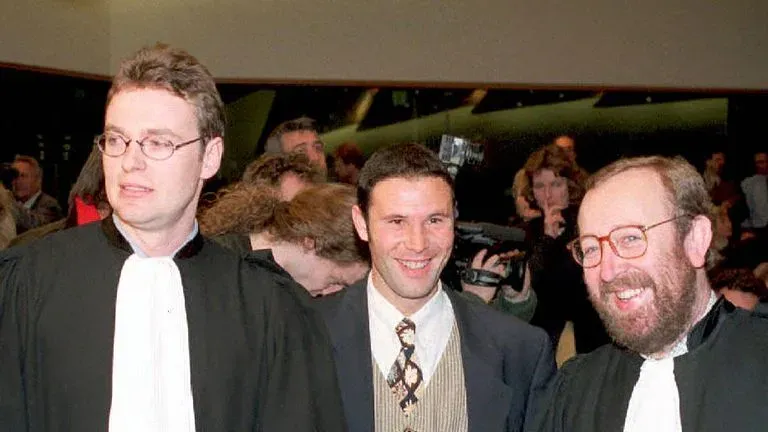
The Bosman ruling, a landmark decision in football history, forever transformed the landscape of the football transfer market. In 1995, this pivotal court case ruled that players out of contract could move freely between clubs without transfer fees, a significant shift that dismantled barriers imposed by football authorities. The implications of the Bosman ruling rippled across Europe, empowering clubs to sign top talent and leading to the economic phenomenon of multi-millionaire footballers, including Cristiano Ronaldo, whose wealth now surpasses $1 billion. However, behind the glory lies the poignant story of Jean-Marc Bosman, whose legal battle to gain freedom from RFC Liege ended in personal hardship rather than triumph. As he reflects on the impact of Bosman ruling, it becomes evident that this historic verdict has yielded great fortune for many, yet left Bosman himself grappling with the realities of a modest FIFPro pension.
Often referred to as the turning point in football regulations, the landmark ruling associated with Jean-Marc Bosman established crucial rights for players across Europe. This decision not only liberated footballers from restrictive transfer fees when their contracts ended but also altered the trajectory of club dynamics in the sport. The ruling’s constructive effects allowed for a more competitive transfer environment, fundamentally reshaping the football landscape and its economics. While the financial benefits have been substantial for many players and clubs alike, the darker side reveals the struggles faced by Bosman himself, who continues to feel the profound impact of his own legal victory. In a sport that celebrates monumental achievements, the story of Bosman reminds us of the complexities and challenges that can arise in the journey towards progress.
The Legacy of the Bosman Ruling in Football
The Bosman ruling, issued by the European Court of Justice in 1995, has forever changed the landscape of the football transfer market. Prior to this landmark decision, clubs could demand transfer fees for players whose contracts were ending, creating a financial barrier that often kept players from pursuing better opportunities. The ruling allowed players like Jean-Marc Bosman, who was at the center of this legal battle, to leave clubs without the shackles of transfer fees, enabling them to negotiate freely. This significant shift has not only benefited players economically but also allowed clubs to build more competitive teams by attracting top-tier talent from across Europe.
As we celebrate the 30th anniversary of the Bosman ruling, it’s essential to recognize its profound impact on football history. The ruling’s effects can be seen in the rise of high-profile transfers and the emergence of football as a lucrative industry, where elite players command enormous salaries and endorsements. While clubs and players have thrived financially, the story of Jean-Marc Bosman serves as a poignant reminder that not all individuals have shared in this prosperity. His ongoing struggle for better recognition and pension highlights the need for football’s governing bodies to address the disparities within the sport.
Jean-Marc Bosman’s Personal Struggles Post-Ruling
Despite being a catalyst for a revolution in the football industry, Jean-Marc Bosman has faced significant hardships in recent years. Living on a pension of just £1,750 a month, Bosman has expressed feelings of abandonment by the very system that benefited from his fight for player rights. His life took a drastic turn post-ruling, leading him to bankruptcy and personal battles that starkly contrast the wealth amassed by current football superstars, who are now billionaires. This narrative underscores the darker side of football, illustrating how the legal victories for players do not necessarily translate into lifelong stability for all.
Bosman’s journey, including his battles with health and financial hardships, shines a light on the responsibilities of football clubs and governing bodies like FIFPro. They must ensure that the financial gains from the Bosman ruling also extend to those who paved the way for future generations. As Bosman continues to advocate for recognition and support, his story serves as a crucial discussion point about the ethics within the football transfer market. The contrast between Bosman’s plight and the prosperity of today’s players spotlights the need for structural changes within the sport’s financial frameworks.
In a touching display of solidarity, players like Adrien Rabiot have reached out to support Bosman, indicating that while the football community may be vast, there is room for compassion and acknowledgment of those who contributed to its evolution. Bosman’s efforts, including the publication of his book “My Fight for Freedom,” express a desire not only for personal recognition but also for a movement towards helping former players who have fallen through the cracks of an industry that thrives on their contributions.
The Transformation of the Football Transfer Market
The impact of the Bosman ruling on the football transfer market cannot be overstated. Before this pivotal moment in football history, clubs utilized transfer fees to control player movement, which often benefited the clubs significantly more than the players. With the ruling, the approach to player transfers shifted dramatically, paving the way for a more dynamic and lucrative market where clubs could strategically acquire talent without the burden of high fees for out-of-contract players. This allowed for more equitable negotiations, which many argue has led to greater competition and excitement in football.
Additionally, the advent of transfer windows marked another significant change introduced by the ruling. Clubs began to engage in more strategic planning and management of their rosters. The increased freedom for players to move between clubs has attracted global talent, enriching the game of soccer and allowing it to flourish commercially. Major leagues have seen substantial increases in revenue, driven by the fierce competition to sign players which has been enabled and heightened by the freedom established under the Bosman ruling.
FIFPro’s Role in Supporting Former Players
FIFPro, as the global representative for professional footballers, plays a pivotal role in advocating for the rights and welfare of players, including past athletes like Jean-Marc Bosman. Despite the success and financial boom experienced by modern clubs and players, Bosman’s situation highlights the pressing need for organizations like FIFPro to establish better pension plans and support systems to help former players in need. Bosman’s quest for recognition and a fair pension underscores the disparities within the football community, particularly for those who may not have enjoyed the same level of success or financial security post-career.
The responsibility of FIFPro and other football associations extends beyond advocating player rights during their playing years. They must also ensure that former players, who played a crucial role in shaping the sport, receive the support they deserve in their retirement. The lack of adequate pension for individuals like Bosman raises urgent questions about how the benefits garnered from their sacrifices are distributed within the industry. As societies increasingly prioritize social responsibility, it is essential that football reflects these values, ensuring that no player is left behind.
Recognition and Reflecting on Contributions to Football
While the Bosman ruling has become a cornerstone of modern football regulations, Jean-Marc Bosman’s contributions remain relatively unrecognized, despite the significant legacy he created. Bosman himself has openly expressed feelings of being overlooked, which raises concerns about how the sport acknowledges the sacrifices made by its pioneers. The disparity between the fame of today’s star players and the recognition received by Bosman emphasizes an ongoing struggle for proper acknowledgment, prompting a call for football authorities to honor the legacy of those who fought for player rights.
Inclusivity and recognition in football are crucial for sustaining motivation and morale among all players, past and present. Clubs and organizations are encouraged to initiate greater efforts in recognizing the impact of figures like Bosman on the game. Such initiatives not only help in preserving history but also contribute to a sense of community within the sport. By celebrating the achievements of all players, the football industry can forge a stronger, united front that honors and respects its rich history.
The Financial Evolution of Today’s Superstars
In stark contrast to Jean-Marc Bosman’s current financial situation, the landscape of football earnings has transformed dramatically since the Bosman ruling. Today’s superstar footballers, like Cristiano Ronaldo, represent a new breed of athlete who can command salaries in the millions, alongside lucrative endorsements and personal branding ventures. The financial windfall generated by the ruling has allowed clubs to invest heavily in player talent, turning many professionals into multi-millionaires and elevating their status on and off the field. This evolution speaks volumes about the economic implications of the Bosman ruling, which has fundamentally restructured how compensation is approached in the sport.
As the football transfer market continues to inflate, with astronomical figures associated with player trades, it is essential to acknowledge the path paved by Bosman. Young players today are now influenced by these new financial dynamics, with aspirations of achieving similar success. However, amidst this glamour, players must not forget the historical figures like Bosman, who sacrificed significantly to ensure that future generations could enjoy the freedoms available today. As football continues to grow, it is vital to strike a balance between acknowledging past achievements while celebrating current triumphs.
The Importance of Ethical Considerations in Football
As the football industry thrives economically, ethical considerations surrounding player treatment and welfare remain paramount. The case of Jean-Marc Bosman illustrates deeply entrenched issues regarding the treatment of former players who once risked their careers for the advancement of player rights. While today’s players enjoy modern benefits that have emerged from the Bosman ruling, the treatment and concerns for retired professionals need to be addressed. Ethical oversight in how football clubs manage their former athletes’ post-career conditions is essential to ensure they live with dignity after they leave the sport.
Moreover, the football transfer market, while being a financial powerhouse, must also prioritize integrity and fairness. Transparency in negotiations, proper support for youth academies, and a commitment to ethical practices can enhance the credibility of the sport. Addressing the gaps and challenges faced by former players, like Bosman, sets a precedent for how football organizations should uphold values of respect and responsibility. Only through collaborative efforts can future generations advance a more equitable and compassionate football landscape.
Advocacy for Health and Wellness Among Former Players
The importance of health and wellness for former football players is an area that urgently requires more attention from governing bodies. The challenges faced by Jean-Marc Bosman, particularly in light of his health issues, highlights the necessity of implementing comprehensive support systems for past athletes. Having endured cervical spine surgery, Bosman’s situation exemplifies the physical toll that a professional football career can have on an individual’s well-being. This tragic reality underscores the need for proactive measures in player welfare, ensuring that medical assistance and rehabilitation support are available to former players to aid their quality of life.
Furthermore, creating awareness around the health risks associated with a football career is crucial for driving conversations about player care beyond their active years. This can spur initiatives aimed at providing comprehensive health programs, counseling services, and long-term monitoring for retired athletes. As the sport continues to evolve, the focus on nurturing the well-being of former players must accompany the changes in the game. Ensuring the lasting legacy of individuals like Bosman involves not only honoring their contributions but also investing in their health, demonstrating that the football community values its members both during and after their careers.
Frequently Asked Questions
What is the Bosman ruling and its significance in football history?
The Bosman ruling, established in 1995, is a landmark decision by the European Court of Justice that transformed the football transfer market. It prohibited clubs from demanding transfer fees for players whose contracts had expired, thus allowing them to move freely to new clubs without financial penalties. This ruling greatly impacted player mobility and significantly increased the wealth of modern footballers, revolutionizing the economics of the sport.
Who is Jean-Marc Bosman and why is he important to the football transfer market?
Jean-Marc Bosman is a Belgian former footballer who became pivotal in football history due to his legal battle against RFC Liege, which led to the Bosman ruling. His case changed the landscape of the football transfer market by allowing players to leave clubs without transfer fees once their contracts expired. This ruling paved the way for greater earning potential for players, influencing contracts and salaries across European football.
How did the Bosman ruling impact player salaries and the football transfer market?
The impact of the Bosman ruling on player salaries has been profound. By allowing players to transfer without fees, clubs began to compete for top talent, driving salaries higher. Major stars in football have since achieved multi-million pound contracts, leading to astronomical increases in player wages and transforming the football transfer market into a lucrative industry.
What challenges has Jean-Marc Bosman faced after the Bosman ruling?
Despite the significant impact of the Bosman ruling on football, Jean-Marc Bosman has faced numerous personal challenges, including financial difficulties and health issues. He lives on a modest pension and has expressed feelings of being overlooked by the football community, even as the industry has greatly benefited from his contributions. Bosman’s struggles highlight the disparity between the ruling’s impacts on clubs and players compared to his own situation.
What role does FIFPro play regarding players like Jean-Marc Bosman?
FIFPro, the global representative organization for professional football players, has been advocating for a fair pension for Jean-Marc Bosman, acknowledging his crucial role in the football transfer market through the Bosman ruling. They have called attention to the financial difficulties he faces and have made efforts to raise funds to support him, demonstrating their commitment to player welfare beyond just current contracts.
What stories and insights does Jean-Marc Bosman share in his book ‘My Fight for Freedom’?
In his book ‘My Fight for Freedom,’ Jean-Marc Bosman shares his personal story, detailing his legal battles that led to the Bosman ruling, as well as his subsequent struggles with financial stability and health. He reflects on how the ruling reshaped football and the lack of recognition he feels despite its significant consequences for the sport. Bosman’s narrative provides insight into both his contributions to football history and his ongoing challenges.
How has the football community recognized the contributions of the Bosman ruling?
While the name Bosman is widely recognized in football history, Jean-Marc Bosman himself feels that his contributions have not been adequately acknowledged by the football community. He expresses a desire for recognition from organizations like UEFA and FIFA, stating that while clubs have thrived due to the Bosman ruling, he has not experienced the same acknowledgment or support in his personal life.
| Key Points | Details |
|---|---|
| Background | Jean-Marc Bosman, former footballer, was involved in a landmark legal case that changed football contracts in 1995. |
| Bosman Ruling Impact | The ruling removed transfer fees for players without contracts and ended restrictions on the number of foreign players on teams, significantly changing football’s economics. |
| Financial Hardship | Despite the ruling’s success for many, Bosman currently lives on a pension of £1,750 a month and faces financial struggles. |
| Support from Players | He received minimal financial support from fellow players, totaling €45,000, illustrating a lack of broader player solidarity. |
| Recognition and Legacy | Despite the significant impact of the Bosman ruling, Bosman feels overlooked and desires recognition for his contributions to football. |
Summary
The Bosman ruling has had a profound impact on football, transforming player contracts and club economics since its inception in 1995. However, Jean-Marc Bosman’s personal story highlights the stark contrast between his sacrifices and the fortunes made by others in the sport. As he faces financial struggles on a pension of just £1,750 a month, Bosman’s call for recognition serves as a poignant reminder of the human element behind the monumental ruling that continues to shape the football industry today.