
Listen to this article
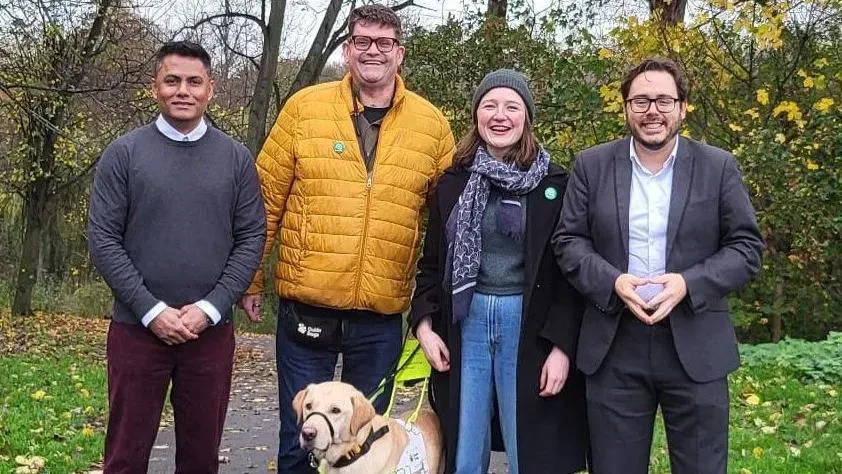
In a surprising political shift, a group of Labour councillors have defected to the Green Party, emphasizing their discontent with a party they claim has strayed from its foundational principles. This group, consisting of five councillors from Brent, includes prominent figures like Cabinet Member Harbi Farah and Chief Whip Iman Ahmadi Moghaddam, all of whom have expressed deep criticism of the Labour Party’s current direction. Green Party Leader Zack Polanski heralded the defections during a rally at Chalkhill Community Centre, framing it as a ‘Green surge’ indicative of a larger trend in London local elections. As the Labour Party faces internal criticism and scrutiny, these defections highlight a growing disenchantment among its members, with calls for an alternative political vision resonating throughout the community. This movement not only signals a pivotal moment for the Brent councillors involved but also has potential implications for future Green Party defections across the country, as disaffected voters seek a more progressive option.
In a remarkable turn of events, a handful of councillors from the Labour ranks have decided to join the Green ranks, thereby raising eyebrows and igniting discussions surrounding political allegiance and integrity. The recent shift, particularly among Brent councillors, underscores a narrative of dissatisfaction with the Labour Party’s evolving policies and leadership, especially in the context of upcoming local elections in London. These individuals have articulated a desire to realign themselves with a party that better embodies progressive values, as vocalized by leaders like Zack Polanski. As criticism of Labour’s current approach intensifies, the move to the Green Party represents a crucial juncture for those seeking a more sustainable and inclusive political platform. Such defections could signal a broader trend where political affiliations are reassessed in favor of ideals that prioritize community welfare over party loyalty.
Labour Councillors Defect to Green Party: A Shift in Political Allegiance
In a significant political shift, a group of Labour councillors from Brent has officially defected to the Green Party, highlighting a deep-seated dissatisfaction with their former party. This move comes just before the London local elections, where political dynamics are constantly evolving. Councillor Iman Ahmadi Moghaddam, among the defectors, echoed concerns shared by many who believe the Labour Party has strayed from its foundational values. The resignations, including prominent figures like Harbi Farah and Mary Mitchell, reflect a growing trend where local politicians express their disillusionment with Labour’s current trajectory, which they argue is far removed from the progressive ideals it once embodied.
Zack Polanski, the Green Party leader, heralded these defections as part of a larger ‘Green surge’ in London, signaling a shift in voter sentiment towards greener policies and progressive governance. The departure of these councillors not only strengthens the Green Party’s position in Brent but also serves as a rallying cry for others dissatisfied with mainstream political parties, particularly Labour. As the local elections approach, the message from these defectors amplifies calls for a more principled and community-focused political agenda that prioritizes sustainability and social justice, contrasting sharply with the criticisms levied against Labour for perceived austerity measures.
The Impact of Green Party Defections on Local Politics in London
The recent defections of Labour councillors to the Green Party are likely to reshape the political landscape in Brent and beyond. With four out of the five defectors already dropped by Labour in anticipation of the upcoming local elections, their decision is poised to challenge the existing political status quo. Local residents are reacting to this development with renewed interest in Green Party policies, which prioritize environmental issues, social equity, and inclusivity. The defections are more than just a party switch; they signify a broader call for accountability and a shift towards more progressive governance.
As the Green Party positions itself as a viable alternative to Labour, these defections could significantly affect voter choices in the May local elections. Polanski’s assertion that the Green Party is set to compete fiercely against other parties, particularly Labour and Reform, underscores the shifting allegiances among councillors and constituents alike. This shift is essential for vibrant democracy, as it encourages a wide array of voices and policies to be represented, particularly in urban areas like London where environmental and social issues are at the forefront of public concern.
Criticism of Labour Party’s Direction Amid Green Party Growth
The defection of Brent councillors to the Green Party sheds light on a critical critique of Labour’s current direction under Sir Keir Starmer. Several defectors have voiced their frustration with Labour’s policies, emphasizing a feeling that the party has abandoned its commitment to progressive values. Councillor Iman Ahmadi Moghaddam specifically attacked Starmer’s approach, which he described as a retreat into austerity and divisive politics. This sentiment resonates with constituents who are increasingly disillusioned with Labour’s failure to uphold its foundational principles, prompting many to seek alternatives in parties like the Green Party.
As the Green Party capitalizes on Labour’s shortcomings, its leaders are positioning themselves as champions of a new wave of politics focused on environmentalism and community welfare. Zack Polanski’s vision for a progressive agenda not only appeals to former Labour councillors but also reflects a significant portion of the electorate eager for change. The criticisms levied against Labour serve to elevate the Green Party’s standing as a serious contender in London politics, particularly ahead of the local elections where issues of social justice and ecological sustainability are critical.
The Role of Zack Polanski in the Growing Green Party Movement
Zack Polanski has emerged as a central figure in the Green Party’s recent expansion in London, particularly noticeable following the defections of Labour councillors in Brent. His leadership style blends strong advocacy for green policies with a critique of the current Labour leadership, positioning him as a pivotal voice for change. During the announcement of the councillor defections, Polanski highlighted the ‘Green surge’ as a response not only to local dissatisfaction but also to a broader national trend where citizens seek alternatives to traditional party politics. His rhetoric emphasizes hope and proactive solutions to pressing societal issues.
Polanski’s engagement with local communities and responsiveness to their concerns have been instrumental in encouraging labour councillors to join the Green Party. This surge reflects a growing trend of grassroots movements that seek to engage voters more directly, aligning political platforms with the real needs of residents. As the Green Party prepares for the local elections, Polanski’s leadership will likely play a crucial role in shaping campaign messages that address both environmental and social justice issues—a strategy that has proven effective in drawing support from disillusioned voters.
Challenges Ahead for the Green Party Following Councillor Defections
Despite the optimism surrounding the recent defections, the Green Party faces significant challenges in solidifying its position in the political landscape of London. Transitioning from a series of high-profile departures to a sustainable electoral strategy will demand careful planning and effective communication. Engaging with constituents to ensure their concerns are addressed is essential, particularly as the local elections approach. The need to differentiate from Labour Party narratives while simultaneously building a coalition with former Labour members will require a strategic approach that emphasizes unity and shared goals.
Additionally, retaining the enthusiasm of the newly defected councillors and the constituents who support them will be vital for the Green Party’s success. As they work to gain traction in the upcoming elections, the party must articulate clear and actionable policies that resonate with a broader audience—not just those disenchanted with Labour. This involves addressing pressing issues such as housing, transport, and climate change while fostering an inclusive dialogue that invites all residents to participate in shaping a greener, fairer London.
Electoral Implications of Green Party’s Rise in Brent
The rise of the Green Party in Brent, underscored by the recent defections of Labour councillors, poses significant implications for the upcoming local elections. Political analysts suggest that this shift may alter voting patterns, particularly among young and progressive voters who feel increasingly isolated from the Labour Party’s current direction. The Green Party’s focus on community engagement and sustainable development resonates with constituents concerned about local environmental issues. As this demographic expands, the potential for solid electoral gains becomes more pronounced.
Moreover, the Green Party is likely to use the defections to frame their campaign narratives positively, portraying themselves as the principled alternative to a Labour Party perceived as having compromised its core values. The challenge lies in converting this momentum into tangible electoral victories, especially in competitive boroughs where Labour has traditionally held sway. The election strategies employed by the Green Party in Brent will likely emphasize grassroots involvement and a commitment to transformative policies, aiming to capture the heart of a city increasingly yearning for change.
Public Reaction to Labour Councillors’ Defections to the Green Party
The public response to the recent defections of Labour councillors to the Green Party has been mixed, with some praising the move as a necessary rebellion against a party seen as losing its way. The sentiments expressed by defectors, particularly regarding disillusionment with Labour’s austerity measures, resonate with many constituents who share similar frustrations. Many voters view the Green Party’s approach as a refreshing change in a political landscape often dominated by conservative and establishment narratives. This growing excitement could be pivotal as the Green Party seeks to mobilize support ahead of the local elections.
Conversely, there are concerns among some segments of the electorate about the viability of the Green Party as a governing alternative. Skeptics question whether the party can effectively handle the complexities of local governance and chip away at Labour’s long-standing influence in boroughs like Brent. Engagement with voters through door-knocking campaigns and public forums will be crucial for the Green Party to build trust and demonstrate their capability to lead effectively. As debates heat up in the lead-up to the elections, the way the Green Party addresses public concerns while highlighting the urgency of their platform will determine their ability to capture a meaningful share of the vote.
Looking Ahead: The Future of Political Alliances in London
The defections of Labour councillors to the Green Party is a telling indicator of the evolving political alliances shaping London’s future. As major parties reassess their strategies in light of declining support, the Green Party’s emergence signifies a potential realignment of political loyalties, particularly among those disillusioned with the mainstream parties. This could lead to a reconfiguration of local politics where progressive values gain greater prominence in policy discussions and election platforms.
Exploring new alliances may also be critical for the Green Party as they navigate relationships with other parties and local political groups. Collaboration with community organizations and grassroots movements can enhance their appeal among voters seeking genuine representation. As political landscapes continue to shift, the potential for forming strategic partnerships will be essential for addressing the pressing challenges faced by London’s communities, ensuring that diverse voices are heard in the upcoming local elections.
Frequently Asked Questions
What prompted Labour councillors to defect to the Green Party in Brent?
A group of five Labour councillors from Brent defected to the Green Party due to disappointment with their former party, stating it no longer serves the principles they once championed. This move reflects their criticism of Labour’s direction and leadership under Sir Keir Starmer.
Who are the Brent councillors that have defected to the Green Party?
The defecting councillors from Brent include Mary Mitchell and Harbi Farah of Welsh Harp, Iman Ahmadi Moghaddam from Wembley Park, Tony Ethapemi of Stonebridge, and Erica Gbajumo of Brondesbury Park. Their shift to the Green Party was announced by leader Zack Polanski.
What are the implications of Labour Party criticism for future local elections?
The recent defection of councillors to the Green Party highlights significant Labour Party criticism that may impact future local elections. With Labour losing experienced councillors and struggling to retain progressive values, the Green Party could capitalize on this unrest by presenting themselves as the viable alternative.
How has Zack Polanski responded to the Green Party defections?
Green Party leader Zack Polanski welcomed the defecting councillors as indicative of a ‘Green surge’ in London, asserting that the defections signify a broader dissatisfaction with Labour’s approach, especially on issues of austerity and social justice.
What is the stance of Labour councillors on the leadership of Sir Keir Starmer?
Councillors who defected to the Green Party expressed strong dissatisfaction with Sir Keir Starmer’s leadership, criticizing his policies on austerity and his alignment with developers over progressive community needs.
What actions are Green Party leadership planning following the defections from Labour?
Following the defections from Labour, Green Party leadership, under Zack Polanski, is poised to challenge Labour’s policies in the upcoming local elections in May. They are campaigning to present a hopeful alternative focused on progressive values.
What does the term ‘Green surge’ refer to in the context of Labour councillors defecting?
The term ‘Green surge’ refers to the increasing support and membership trends of the Green Party, highlighted by recent defections from Labour councillors who are disillusioned with their party. This indicates a growing movement towards Green politics in London.
| Key Points | |
|---|---|
| Defection Announcement | A group of Labour councillors has defected to the Green Party, criticizing Labour for not serving its original principles. |
| Number of Defectors | Five councillors from Brent have defected, four of whom were dropped by Labour ahead of local elections. |
| Leaders and Roles | Included are prominent figures like Cllr Harbi Farah (Cabinet Member) and Iman Ahmadi Moghaddam (Chief Whip). |
| Reasons for Defection | Disappointment with Labour’s shift away from progressive politics and austerity measures criticized by the defectors. |
| Green Party Response | Zack Polanski hailed the defections as part of a ‘Green surge’ across London, indicating growing support for the party. |
| Labour’s Stance | London Labour issued a statement reasserting their selection criteria and candidate standards post-defections. |
Summary
Labour councillors defect to the Green Party marks a significant shift in North London’s political landscape. In a bold move, five councillors criticized Labour for straying from its fundamental principles, indicating a growing sentiment among local leaders that the party is failing to represent progressive values. This decision coincides with an announced ‘Green surge,’ as Green Party leader Zack Polanski highlights the increasing support for alternatives rooted in hope rather than fear. The defection reflects broader concerns about Labour’s direction, especially regarding austerity and its treatment of key social issues, setting the stage for a highly contested local election next May.