Listen to this article
Spain’s renewable energy sector is experiencing remarkable growth as the country strives to evolve its electricity production landscape. As of 2020, renewables accounted for more than half of Spain’s electricity generation, showcasing a strong focus on both wind and solar energy resources. The nation has ambitious goals, aiming for 81% renewable energy by 2030, which is underscored by significant investments in infrastructure, such as the new battery factory in Figueruelas. This facility not only enhances energy grid stability in Spain but also reflects the collaborative efforts of international companies to foster a sustainable future. However, as the reliance on renewables increases, questions regarding the balance with traditional energy sources like nuclear energy in Spain continue to spark debate, highlighting the ongoing evolution of the energy sector.
The renewable electricity landscape in Spain is undergoing a transformative shift, emphasizing sustainable energy sources for its future. The country’s push towards clean energy includes a strategic combination of solar power and wind energy, ensuring a diversified approach to electricity production. As Spain approaches its ambitious 2030 objectives, the interplay between various energy systems and grid resilience becomes crucial. Amidst the discussions of renewables, the role of nuclear power also garners attention, raising questions about the future balance of energy supplies. Overall, Spain’s energy transition reflects a commitment to innovation while addressing the pressing need for a stable and reliable power grid.
Spain’s Renewable Energy Landscape: Progress and Challenges
Spain’s renewable energy production has undergone remarkable transformations in the past few years, marking a significant shift towards sustainable electricity generation. By 2020, renewables accounted for over half of the country’s total electricity production, largely propelled by the expansive deployment of wind and solar energy. Significant investments in infrastructure have sparked a constructive momentum within this sector, indicative of a broader commitment to overhaul outdated energy systems. As the nation aims for 81% renewable energy by 2030, initiatives such as the major battery factory in Figueruelas, backed by international organizations, not only promise to augment local employment opportunities but also enhance electricity generation efficiency.
These developments highlight the essential role of wind and solar energy in Spain’s renewable energy strategy, yet the journey is not without its hurdles. Recently, concerns surrounding grid stability emerged following a blackout in April, leading to heated discussions about the sustainability of relying heavily on renewable sources. While political opponents have pointed fingers at an excessive dependency on these green technologies, the national grid operator firmly dismissed claims linking the blackout to renewables. Instead, it emphasized that various factors contribute to grid failures, reminding us that the energy transition must also consider reliability and integrated management of various energy sources.
The Role of Nuclear Energy in Spain’s Future Energy Strategy
As Spain embarks on its ambitious renewed energy journey, the debate surrounding the future of nuclear energy remains a crucial aspect of the conversation. With plans to phase out several nuclear plants by 2035, stakeholders in the energy sector are increasingly vocal about the need for a stable and balanced energy portfolio. Nuclear energy, while often controversial, is viewed by many as a pivotal element in ensuring a dependable power supply as the nation ramps up its renewable energy capacities. Advocates argue that a strategic combination of nuclear and renewables could mitigate issues of grid instability and support uninterrupted electricity production, particularly in periods of low wind or solar generation.
Furthermore, the push towards renewable energy in Spain does not eliminate the need for a stable energy grid. The implications of shifting away from nuclear power raise concerns about how to sustain energy security in a rapidly evolving landscape. As political dynamics shift, with potential changes in governance influencing energy policy, there is a growing call for an integrated approach that values both nuclear energy and renewable technologies. This intricate balance may redefine Spain’s energy future, ensuring that the path toward a greener, more sustainable energy grid remains resilient even amidst potential challenges.
Electricity Production in Spain: A Balancing Act
Electricity production in Spain has increasingly embraced renewable energy sources, setting the stage for what many consider a global leader in green energy initiatives. Wind and solar energy have taken center stage, significantly altering the energy production landscape. However, achieving a stable and reliable electricity supply necessitates a careful balancing act among various sources of energy. The renewed focus on renewable energy production is commendable, yet the integration with traditional energy sources, like nuclear power, remains a topic of intense discussion. Stakeholders must ensure that the shift towards a predominantly renewable grid does not compromise electricity availability or stability.
Additionally, as Spain aims for an ambitious goal of 81% renewable energy by 2030, the importance of grid stability cannot be understated. The recent incident that led to a blackout has drawn attention to how reliance on intermittent renewable sources affects overall grid operations. Ensuring energy grid stability while promoting renewable technologies will require innovations in energy storage systems and demand response strategies to maintain a steady supply. The interplay between integrating new technological solutions and traditional energy sources will determine how successfully Spain can navigate its energy transition.
Renewable Energy and Economic Transformation in Spain
The advancement of renewable energy in Spain stands not only as a pillar of environmental progress but also as a catalyst for economic transformation. By investing in wind and solar energy infrastructure, Spain is creating jobs, stimulating local economies, and fostering innovation. The establishment of new facilities, like the battery factory in Figueruelas, is testament to the potential for renewable energy to drive economic growth while simultaneously addressing urgent climate challenges. This synergy between ecology and economy is crucial for Spain’s long-term sustainability and development.
Moreover, the economic benefits of transitioning to renewables extend far beyond job creation. A robust renewable energy sector can enhance energy independence, reducing reliance on imported fossil fuels and increasing national security. As Spain gears up for a future powered by renewable energy, initiatives targeting both the workforce and energy generation efficiency stand to reshape local communities and the national economy. The strategic investment in renewables thus serves a dual purpose: empowering the nation economically while committing to a cleaner, greener energy future.
The Importance of Energy Grid Stability in Spain’s Transition
As Spain accelerates its transition to renewable energy, maintaining energy grid stability takes on pivotal importance. The integration of intermittent energy sources, such as wind and solar power, presents challenges for grid operators who must manage fluctuations in power generation. The blackout incident in April has highlighted the vulnerabilities within the current energy system, emphasizing the necessity for advancements in energy storage solutions and smart grid technology. Addressing these technical challenges is essential for ensuring that Spain’s ambitious renewable targets do not undermine the reliability of electricity supply.
To foster stability, initiatives that combine various energy resources are vital. Nuclear power, despite its impending phase-out, provides a stable backbone for the energy grid that can complement solar and wind energy during periods of low generation. Ongoing discussions among policy makers and utility providers will be crucial in determining how Spain can create a cohesive energy strategy that safeguards grid stability while pursuing its goal of 81% renewable energy by 2030. The adaptability of the grid and the resilience of the energy supply chain will significantly influence the success of Spain’s transition to a greener future.
Political Influence on Spain’s Energy Policies
Spain’s energy policies are not just technical matters but are deeply intertwined with the political landscape. As various political parties propose differing visions for the future of energy, the national strategy is subject to fluctuating priorities that could either bolster or hinder renewable investments. There are emerging concerns that a shift in political power towards right-wing parties may lead to a renewed focus on traditional energy sources, potentially derailing the progress made towards greener alternatives. This political uncertainty necessitates vigilance among stakeholders to advocate for sustained investment in renewables and an equitable transition.
The role of government in shaping energy policy is critical as Spain aims to marry its environmental objectives with economic growth. Policymakers must navigate the intricacies of domestic energy needs while grappling with international commitments regarding climate change. It’s essential that political leaders prioritize a balanced approach that encompasses the complexities of renewable energy deployment while taking into account the operation of traditional sources like nuclear energy. Building consensus across the political spectrum can help shape a stable and sustainable energy future for Spain, integral to achieving the ambitious goal of 81% renewable energy production.
The Future of Wind and Solar Energy in Spain
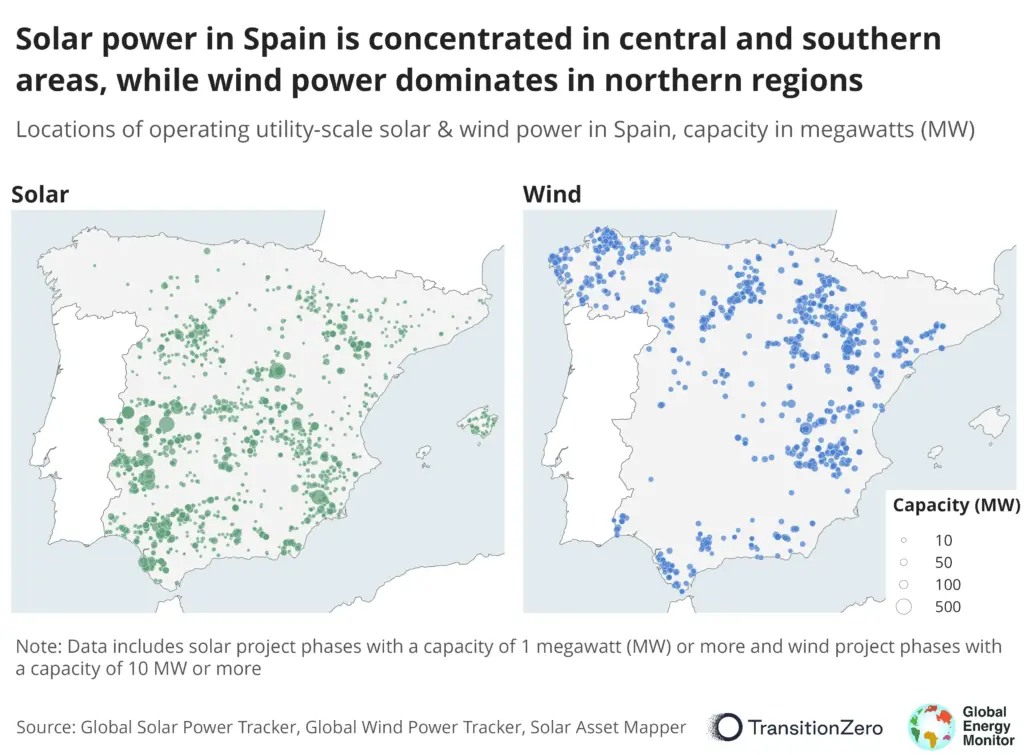
Wind and solar energy play a foundational role in Spain’s vision for a renewable energy future. The country is fast becoming one of the leading nations in renewable electricity generation, thanks to favorable geographic conditions that maximize the potential of wind and sunlight. The outlook for these technologies remains bright, and as advancements continue to lower costs and increase efficiency, wind and solar are expected to dominate the energy landscape. More importantly, government policies are increasingly aligned to support the growth of these sectors, indicating strong political will to transition from fossil fuels.
Moreover, the focus on wind and solar energy aligns with international trends towards cleaner energy solutions. As Spain invests in grid technology to enhance capacity and improve stability, the versatility and scalability of renewable sources will become invaluable. Initiatives designed to boost energy storage capabilities will help cupulate excess generation from high production periods. With careful planning and continued innovation, the future of wind and solar energy in Spain looks promising, paving the way for a sustainable energy grid that is resilient, reliable, and reflective of the country’s commitment to environmental stewardship.
Research and Investment in Renewable Technologies
Investment in research and development (R&D) has a profound impact on the advancement of renewable technologies in Spain. As the nation pursues its goal to reach 81% renewable energy by 2030, financial backing for innovative energy solutions becomes critical. From enhanced energy storage systems to advanced solar panels and wind turbine designs, every breakthrough on this front enhances efficiency and cost-effectiveness of energy production. Collaboration among public institutions, universities, and private enterprises is vital, creating a robust framework for technological innovation that supports sustainable energy development.
In addition to advancing technologies, investment frameworks that support R&D initiatives will play a crucial role in attracting international partnerships and funding. Spain’s commitment to renewable technologies can drive economic growth, fortifying its position as a leader in green energy within Europe and beyond. By bolstering research efforts, Spain not only pushes the boundaries of what’s possible in energy generation but also ensures the country can effectively transition towards a clean, reliable energy future while fostering a competitive advantage in a growing global market.
Public Perception and Support for Renewable Energy in Spain
Public perception plays a crucial role in the advancement of renewable energy initiatives in Spain. As citizens become increasingly aware of climate change and its impacts, there is a growing support for sustainable energy solutions. Campaigns focusing on the benefits of renewables, including job creation and reduced carbon emissions, have garnered attention and sparked dialogue among communities. Increased awareness can help galvanize public backing for policy shifts and investments in renewable energy infrastructure, which are essential for achieving ambitious targets like 81% renewable energy by 2030.
Moreover, community involvement and engagement are key factors in fostering a positive environment for renewable energy projects. Local initiatives that involve citizens in decision-making processes can significantly enhance public buy-in for large-scale renewable installations. As Spain moves forward in its energy journey, understanding and addressing public sentiment will be vital. Ensuring that the transition is equitable and benefits all citizens, particularly through job creation and stable energy pricing, will further solidify support for renewable energy as the nation works towards a sustainable energy future.
Frequently Asked Questions
What is the current status of Spain’s renewable energy production?
Spain’s renewable energy production has surpassed half of the country’s electricity generation, primarily focusing on wind and solar energy. As of 2020, renewables contributed significantly to the energy mix, with ambitious targets set to achieve 81% renewable energy by 2030.
How does Spain plan to achieve its renewable energy goals by 2030?
Spain aims to reach 81% renewable energy by 2030 through substantial investments in wind and solar energy, alongside infrastructure development like the new battery factory in Figueruelas, which will enhance energy generation efficiency and local employment.
What role does nuclear energy play in Spain’s renewable energy strategy?
Nuclear energy remains a topic of debate in Spain’s renewable energy strategy. While plans are in place to close several nuclear facilities by 2035, industry experts advocate for a balanced approach that combines nuclear power with renewable energy to maintain grid stability.
What challenges has Spain faced regarding energy grid stability with the rise of renewables?
Spain has faced concerns about energy grid stability, particularly highlighted by a blackout in April 2021. Critics questioned the reliability of the grid amid increased reliance on renewable sources, though the national grid operator dismissed claims linking the incident solely to renewable energy.
How is Spain addressing concerns about its energy grid stability due to renewable energy dependency?
To address concerns about energy grid stability, Spain’s authorities emphasize a diverse energy mix and ongoing investments in infrastructure. This includes balancing renewable energy sources with traditional energy, such as nuclear, to ensure a reliable energy supply.
What future developments can be expected in Spain’s renewable energy sector?
Future developments in Spain’s renewable energy sector include enhanced wind and solar energy projects, increased storage capacity from battery factories, and ongoing debates regarding the integration of nuclear energy. These initiatives aim for a sustainable and stable energy future.
What impacts could political changes have on Spain’s renewable energy transition?
Political changes, such as potential shifts to a right-wing government, may influence Spain’s renewable energy priorities. Future strategies might pivot towards traditional energy sources if there is a perceived need for greater energy security and stability in the grid.
How significant is wind and solar energy in Spain’s electricity production?
Wind and solar energy are crucial to Spain’s electricity production, contributing significantly to its renewable energy output. This emphasis on harnessing these resources plays a key role in the country’s goal for a cleaner energy landscape.
| Key Points | Details |
|---|---|
| 2020 Renewable Production | Renewables generated more than 50% of Spain’s electricity, focusing on wind and solar energy. |
| Infrastructure Development | A new battery factory in Figueruelas supported by Chinese and Dutch companies aims to improve local jobs and energy efficiency. |
| 2030 Goals | Spain aims for 81% of its energy to come from renewable sources by 2030. |
| Concerns on Reliability | The April 28 blackout raised concerns about the stability of the energy grid and reliance on renewables. |
| Political Debate | Potential shift towards traditional energy sources if a right-wing government is elected, impacting renewable strategies. |
| Nuclear Energy’s Role | Debate exists on maintaining nuclear energy facilities to support reliability as renewables grow. |
Summary
Spain’s renewable energy sector has shown remarkable growth, especially in wind and solar energy. While the commitment to renewable electricity generation remains strong, the country must address challenges regarding energy grid stability and the potential shifts in political strategies that may affect future energy policies. Balancing renewable sources with nuclear energy could be crucial in maintaining a reliable energy supply, as Spain looks to solidify its position as a leader in renewable energy.