
Listen to this article
The recent Bondi Beach attack has sent shockwaves through Australia, particularly within the Jewish community. This heinous act of violence, deemed a terrorist incident, specifically targeted individuals gathering to celebrate Hanukkah in Sydney. Rabbi Eli Schlanger, a beloved community figure, tragically lost his life in this assault, which resulted in the deaths of at least 12 others and left many injured. As the saga unfolds, the impact of antisemitic violence becomes painfully clear, forcing local authorities and citizens alike to reckon with the gravity of this event. Statements from leaders such as New South Wales Premier Chris Minns and Australian Prime Minister Anthony Albanese underscore the community’s resilience in the face of such horrific actions aimed at diminishing the joy of this sacred holiday.
In the aftermath of the tragic events at Bondi Beach, many are grappling with the ramifications of this violent confrontation during a festive gathering. The attack, which appeared to be premeditated, has been widely condemned as an act of terrorism against a peaceful celebration of Hanukkah, highlighting the vulnerabilities faced by the Jewish community in Australia. Rabbi Eli Schlanger’s untimely death marks a profound loss for those who revered him, sparking discussions about the rise of antisemitic acts not just in Australia but globally. This tragic occurrence sheds light on the broader issue of hate-driven violence aimed at minority communities, advocating for unity and solidarity in a time of grief. As the investigation continues, the call for enhanced security measures and community support becomes more pressing.
Tragedy Strikes: The Bondi Beach Attack
The recent Bondi Beach attack has shocked not only the local community but also Australia and the broader global community. Rabbi Eli Schlanger was among the victims of this tragic incident, a revered figure who had dedicated his life to promoting joy and togetherness within the Jewish community. The attack, which specifically targeted a Hanukkah celebration, has been classified as a terrorist incident by New South Wales Police, highlighting the growing concern regarding antisemitic violence in Australia.
As news unfolded, it was reported that two armed assailants opened fire on families gathered to celebrate the first night of Hanukkah in Archer Park, resulting in multiple casualties and injuries. Australian Premier Chris Minns expressed deep sorrow at this shocking act of violence, noting that the joyous occasion had been marred by a senseless attack. This incident raises critical questions about the safety of religious celebrations and the risks posed to minority communities in Australia.
Impact on the Jewish Community in Australia
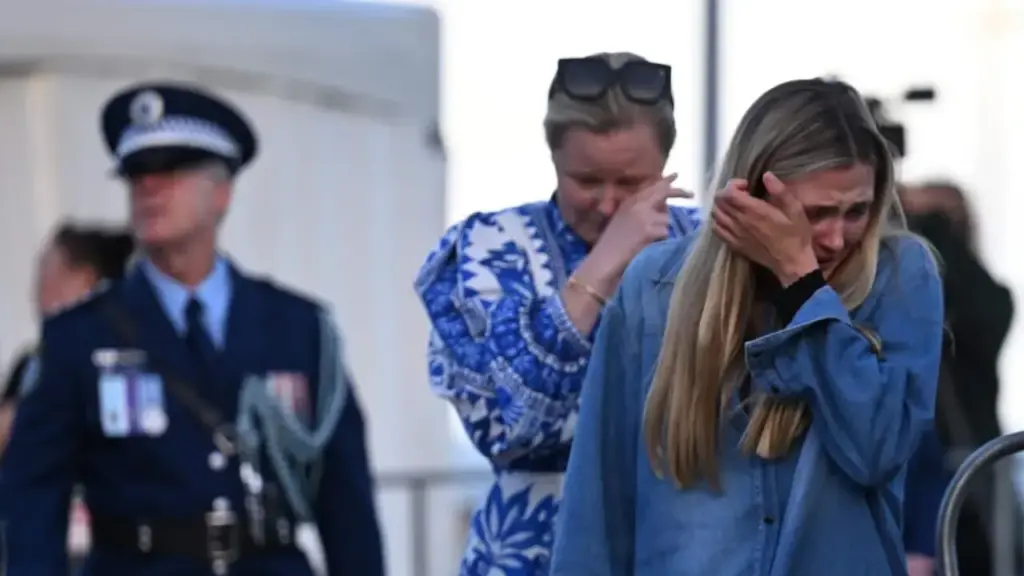
The Bondi Beach attack represents a devastating blow to the Jewish community in Australia, which has worked diligently to foster a sense of safety and belonging, particularly during significant celebrations like Hanukkah. Rabbi Eli Schlanger’s family and the Chabad of Bondi community are left to grapple with profound grief, and many within the community are now rethinking their safety during such gatherings. Rabbi Zalman Lewis, a close relative, emphasized the importance of continuing Schlanger’s legacy by promoting good deeds and positive energy to combat the hatred reflected in this attack.
In light of this tragedy, it is imperative for all Australians to stand in solidarity with the Jewish community. This incident underscores the necessity for national initiatives aimed at eradicating antisemitism and promoting inclusivity. Community leaders are calling for support, reminding the public that an attack on one group is an attack on all Australians. The challenge now lies not only in healing but also in fostering an environment where events can be celebrated without fear.
Government Response and Security Measures
In the aftermath of the Bondi Beach attack, both local and national leaders have pledged to enhance security measures for vulnerable communities. Prime Minister Anthony Albanese condemned the violence as an act of evil aimed squarely at the Jewish population, pledging to strengthen measures to combat antisemitism and ensure the safety of all citizens. Urgent consultations with police and security agencies are underway to investigate the perpetrators and prevent future incidents, reflecting a unified stance against hate-driven violence.
Furthermore, heightened police visibility was announced across major cities to reassure communities, especially during religious celebrations such as Hanukkah. This proactive approach aims not only to enhance physical security but also to instill a sense of unity and resilience within the Jewish community and beyond. Authorities are urging the public to remain vigilant and report any suspicious activities, emphasizing that safety begins with collective awareness and action.
Witness Accounts from Bondi Beach
Eyewitness accounts from the Bondi Beach shooting paint a harrowing picture of chaos and fear as families tried to escape the gunfire during what was meant to be a festive gathering. Many individuals reported the sound of shots ringing out, followed by panic as people ran for safety. The immediate bravery displayed by some witnesses helped save lives, as civilians attempted to assist those who were injured in the chaos.
The emergency response was swift, with police and medical teams arriving on the scene within minutes. However, the emotional aftermath of such a traumatic event cannot be understated. Survivors and onlookers alike are left grappling with the psychological impacts of witnessing such violence in a place synonymous with joy and celebration. Community support initiatives are now vital in helping those affected process their experiences and begin to heal.
Global Reactions to the Bondi Beach Attack
The Bondi Beach attack has resonated worldwide, with leaders from various nations expressing their condolences and condemnation of the event. Responses from figures such as London Mayor Sadiq Khan and UK opposition leader Sir Keir Starmer illustrate the global solidarity with the Jewish community in light of this tragedy. Expressions of sympathy and calls for unity have emerged, reminding us that antisemitism and terrorism are issues that extend beyond borders and require a collective global response.
Moreover, heightened discussions surrounding antisemitism have surfaced in political discourses, with many calling for renewed commitments to protect communities against hate crimes. The international Jewish community is closely monitoring the situation in Australia, reinforcing bonds of support and solidarity. This tragedy serves not only as a wake-up call for the involvement of local authorities but also a reminder for global society to stand together against any form of discrimination or violence.
The Role of Law Enforcement Post-Attack
In the wake of the Bondi Beach attack, law enforcement agencies have been under immense scrutiny to ensure public safety and investigate the motives behind the tragedy. New South Wales Police have initiated a thorough investigation into the background of the assailants and their potential affiliations, while also emphasizing the need for community cooperation in reporting suspicious activities. This commitment to transparent communication aims to rebuild trust and reassure the public of their safety.
Additionally, police reports indicated that improvised explosive devices were found in relation to the deceased assailant, highlighting the serious nature of the threat posed. As law enforcement steps up its efforts to counteract potential threats, community engagement and vigilance become paramount. The police have consistently stressed the importance of collective responsibility in maintaining security, encouraging citizens to stay alert and informed.
Celebrating Hanukkah Amidst Tragedy
Despite the tragedy at Bondi Beach, the Jewish community is grappling with the need to celebrate Hanukkah, a festival that symbolizes resilience and hope. Many families are finding solace in their traditions, lighting candles to commemorate the miracle of Hanukkah while mourning their losses. This juxtaposition of joy and sorrow is a testament to the strength of the community, which is determined to honor Rabbi Eli Schlanger’s legacy by continuing to celebrate life and faith amidst adversity.
Local synagogues and community centers are uniting to provide support and comfort to those affected by the attack. Together, they are organizing memorials and vigils, creating spaces for reflection, love, and healing. As the eight days of Hanukkah unfold, the message of light overcoming darkness resonates deeply within the community, reinforcing their commitment to standing together against hate and violence.
Lessons Learned from the Bondi Beach Incident
The Bondi Beach attack serves as a significant reminder of the urgent need to address the rising tide of antisemitic violence worldwide. It underscores not just the vulnerability of minority communities but also the collective responsibility of all individuals to speak out against hate and protect the sanctity of cultural and religious celebrations. The attack has brought to light the necessity for ongoing education about tolerance and the celebration of diversity in order to foster understanding and acceptance.
Furthermore, increased vigilance and proactive measures from governmental and community leaders are essential in preventing such acts of violence in the future. This tragedy emphasizes the critical need for collaborative efforts, enhanced security measures, and community engagement to create an environment where individuals can celebrate their identities freely and safely. The hope is that by learning from this tragedy, society can build a more inclusive future for all.
Support Initiatives for the Victims
In response to the Bondi Beach attack, various support initiatives for the victims and their families have begun to emerge, aiming to provide both emotional and financial aid. Community leaders are rallying together to create fundraisers and support networks to assist those directly impacted by the tragedy. Many individuals and organizations are stepping forward to donate, showing overwhelming solidarity and generosity during this difficult time.
Mental health resources are also being mobilized to help individuals cope with the psychological aftermath of such violence. Counseling services, community support groups, and memorials are being arranged to facilitate healing and foster a sense of community among those affected. This collective response highlights the resilience of the Australian Jewish community, illustrating their strength in the face of unimaginable loss and their determination to support one another.
Frequently Asked Questions
What happened during the Bondi Beach attack on the first day of Hanukkah?
The Bondi Beach attack on December 3, 2023, involved two armed individuals opening fire on a crowd celebrating Hanukkah at Archer Park, resulting in 12 deaths and 29 injuries. This terrorist incident specifically targeted the Jewish community in Sydney during a time meant for peace and joy.
Who was Rabbi Eli Schlanger and what role did he play in the Bondi Beach attack?
Rabbi Eli Schlanger, a 41-year-old assistant rabbi at the Chabad of Bondi, was tragically one of the victims of the Bondi Beach attack. Originally from London, he was there to celebrate Hanukkah with his community when the attack occurred, highlighting the antisemitic violence faced by Jewish Australians.
What statement did Australian authorities make regarding the Bondi Beach attack?
Australian authorities, including New South Wales Premier Chris Minns and Prime Minister Anthony Albanese, condemned the Bondi Beach attack as an act of evil and antisemitism, emphasizing the attack’s targeting of the Jewish community during Hanukkah.
How did the Bondi Beach attack impact the Jewish community in Australia?
The Bondi Beach attack had a devastating impact on the Jewish community in Australia, as it struck at the heart of their celebrations during Hanukkah, resulting in multiple fatalities and injuries, and raising concerns about antisemitic violence in the country.
What actions are being taken to ensure safety in Jewish communities following the Bondi Beach incident?
In response to the Bondi Beach incident, security measures have been heightened, with increased police presence around Jewish community centers and events, particularly in London and other cities, to ensure safety during Hanukkah celebrations.
What were the responses from political leaders regarding the Bondi Beach attack?
Political leaders, including Australian Prime Minister Anthony Albanese and London Mayor Sadiq Khan, expressed their condolences and condemned antisemitism, stating that such acts of violence against the Jewish community will not be tolerated.
How did the police respond to the Bondi Beach attack and what were the findings?
The police responded swiftly to the Bondi Beach attack, declaring it a terrorist incident shortly after it commenced. They located improvised explosive devices in a vehicle associated with one of the attackers, and one attacker was killed while another was captured.
What considerations are being made regarding potential further threats after the Bondi Beach attack?
Authorities are investigating the potential of a third perpetrator involved in the Bondi Beach attack. The police have been granted special powers to prevent further actions and ensure community safety during their investigations.
What implications does the Bondi Beach attack have for Jewish celebrations in Australia?
The Bondi Beach attack raises serious implications for Jewish celebrations in Australia, as it has instilled fear and concern over safety during significant religious festivals like Hanukkah, prompting increased security measures in public events.
What community reactions have been observed following the Bondi Beach attack?
Following the Bondi Beach attack, communities have rallied in support of the Jewish community, emphasizing unity and resilience in light of antisemitic violence, as leaders and citizens alike call for solidarity and action against hatred.
| Key Aspects | Details |
|---|---|
| Victim | Rabbi Eli Schlanger, 41, assistant rabbi at Chabad of Bondi. |
| Incident Description | Two armed individuals opened fire on a crowd during a Hanukkah celebration at Bondi Beach. |
| Casualties | At least 12 people killed and 29 injured, with varying conditions. |
| Response | Emergency responders attended to victims, and police declared it a terrorist incident. |
| Government Response | Australian leaders condemned the attack; increased police presence in Jewish communities. |
| Motivation | The attack has been classified as antisemitic terrorism targeting the Jewish community. |
Summary
The Bondi Beach attack has tragically highlighted the pervasive issue of antisemitism and terrorism within society. It resulted in significant loss of life and injuries amidst what was meant to be a joyful celebration, profoundly impacting the Jewish community in Australia and beyond. In response, authorities are heightening security measures in Jewish areas and sending a robust message against hate and violence. The incident serves as a call to action for unity and compassion among all Australians.