Listen to this article
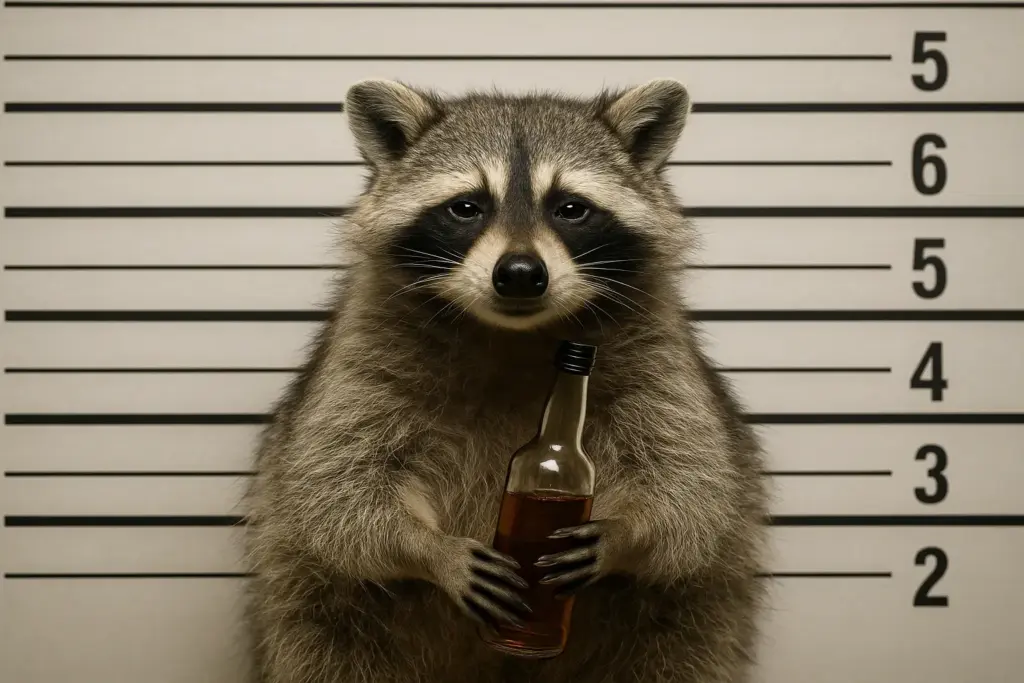
In an unusual twist of events, a raccoon break-in Virginia has gained widespread attention after a mischievous raccoon was discovered indulging in a liquor store raid. This charming ‘trash panda’ exhibited a surprising penchant for human-like behavior, leading to a series of so-called Virginia raccoon crimes that have baffled local officials. Dubbed the ‘trashed panda’, this stripe-tailed bandit was not only caught enjoying the aisles of booze but is also linked to break-ins at a karate studio and a Department of Motor Vehicles for snacks. As the tale of this unlikely outlaw circulates social media, animal control Virginia is on high alert, humorously reminding residents that these clever creatures are evolving and becoming more accustomed to urban settings. If this raccoon’s escapades continue, his next heist might just be around the corner, and all eyes are on the furry culprit to see what he’ll do next.
Raccoons have long been associated with urban mischief and are often seen as the adorable yet troublesome scavengers of our neighborhoods. This particular incident in Virginia, where a raccoon took a joyride through a liquor store, has sparked conversations about the ongoing misadventures of these furry critters, affectionately nicknamed ‘trash pandas.’ The curious antics of these creatures not only highlight their intelligence but also their growing comfort around humans, making raccoon-related escapades a frequent topic among local residents. As the raccoon known for its wild escapades continues to make headlines, authorities are on alert, emphasizing the need for animal control to manage the growing number of interactions between humans and these clever bandits. With the potential for more antics in the future, the community watches closely, half amused and half concerned about the next chapter in this raccoon’s story.
The Rise of the Raccoon: Virginia’s Outlaw Mascot
In Virginia, an unexpected wildlife superstar has emerged: a raccoon popularly known as the “trashed panda.” This furry outlaw, who gained notoriety for his mischief in a liquor store, has sparked both fascination and concern among residents. With reports of his escapades—ranging from raiding the liquor aisle to breaking into the DMV—this raccoon embodies the cleverness and audacity that people often associate with raccoons, leading to an examination of their behavior in urban environments. As raccoons continue to adapt to human surroundings, they’re increasingly showcasing their intelligence, leading to a spike in encounters that blur the line between wildlife and urban nuisance.
Raccoons are often described as “trash pandas” due to their habit of rummaging through garbage. With their black mask-like markings, these creatures have beautiful and expressive faces, making them endearing, even as they wreak havoc. The Hanover incident has only highlighted their growing bravado as they navigate human spaces, reminding everyone of the balance we have to maintain between wildlife and urban living. The raccoon’s antics create an opportunity for discussions on urban wildlife management and the need for increased animal control measures.
The raccoon’s viral fame has drawn attention to the charming yet troublesome encounters humans have with wildlife like the Virginia raccoon. From captured videos of raccoons in urban settings to merchandise featuring the “trashed panda” logo, it emphasizes the coexistence of humans and nature in everyday life. While people may find humor in his antics, local officials stress the importance of understanding these animals and their impact on our communities. Protecting wildlife habitats while managing pests is crucial in ensuring a harmonious living environment where humans and animals can coexist peacefully.
Raccoon Break-in Virginia: A Series of Mischievous Crimes
The notable break-ins, linked specifically to raccoons, have caused quite a stir in Virginia. The sequence of events began when the raccoon was first found at the Ashland liquor store, indulging in its newfound venture through the liquor aisle—an image that locals are unlikely to forget. This curious creature’s escapades didn’t stop there; he went on to raid a karate studio and even the DMV, leading officials like Officer Samantha Martin to suspect this was not merely unintentional exploration but more of a deliberate spree of mischief.
Authorities are now concerned about the potential increase in raccoon crimes as they become more adept at navigating urban settings. With residents becoming alarmed yet amused by the antics of the “trashed panda,” it’s essential for the community to remain aware of wildlife interactions. Animal control measures in Virginia are pivotal to manage these encounters as they occur more frequently. Officials are urging residents to secure their trash and be vigilant, as the charming criminal may strike again.
Moreover, the story surrounding the raccoon’s break-in has garnered interest far beyond local headlines, sparking discussions about public safety and wildlife intervention. As the raccoon has become somewhat of a legend, it’s important to consider how such incidents reflect broader issues regarding human-wildlife coexistence. While this raccoon has entertained with its adventures, it also illustrates the need for effective animal control strategies in Virginia. Perhaps communities need to prioritize awareness campaigns that teach residents how to minimize interactions with roaming raccoons in a humorous yet informative way, encouraging people to see the humor in these events without overlooking the importance of preventing wildlife conflicts.
The Community Response: Embracing the Trashed Panda
The raccoon, now affectionately named the “trashed panda,” has not only captured public curiosity, but he’s also inspired a community response that blends humor with practical wildlife management. Following the viral attention on social media and local news, the county has launched merchandise featuring the raccoon, raising funds for local shelters. In strikingly unexpected ways, this story of a liquor-store bandit has emerged into a vehicle for community engagement, reminding residents to address wildlife issues with creativity and collaboration.
Residents have taken the raccoon’s antics in stride, transforming an amusing situation into actionable outcomes. The sale of shirts representing the “trashed panda” has garnered significant funds, which are being used for shelter renovations and increased capacity—an outcome that reflects the community’s ability to find positivity in a peculiar situation. This unconventional mascot has not only sparked laughter but has also united the local community in addressing broader concerns about animal control and coexistence.
As more residents become aware of the raccoon’s story, they’re also learning about the behaviors of these intelligent creatures. The lighthearted nature of the debate over raccoon interactions helps diminish fears while promoting responsible behavior in urban wildlife management. People are encouraged to be proactive rather than reactive, creating a culture that promotes awareness and reserves judgement. It’s a classic case of turning a potential disaster— a raccoon rampage—into a unique opportunity for community bonding, education, and proactive management of wildlife in Virginia.
Lessons from the Raccoon: Understanding Urban Wildlife
The escapades of the Virginia raccoon serve as a reminder of the complexities involved in human-wildlife interactions, showcasing the need to understand our urban counterparts. As these creatures adapt to urban environments—earning nicknames like “trash pandas” for their mischievous nature—it underscores the importance of meaningful engagement with wildlife management strategies. Understanding their behavior, biological needs, and food sources can help mitigate encounters and reduce potential problems.
Additionally, the raccoon’s story highlights how wildlife such as raccoons can find innovative ways to thrive in environments tailored by humans, often leading to possibly troublesome outcomes. As cities grow and expand, it becomes increasingly crucial to invest in wildlife management protocols, facilitating a better coexistence between humans and animals and maintaining the safety and cleanliness of urban spaces.
Furthermore, education plays a pivotal role in changing perceptions about raccoons and other wildlife. Emphasizing knowledge of their natural habits can diminish fear and encourage respect for wildlife. As cities implement effective animal control measures in Virginia, there’s an opportunity to transform how communities perceive and respond to these charming creatures. By promoting understanding, local authorities can prepare residents to approach future encounters with respect and caution, ensuring that wildlife can thrive without detriment to human populations.
The Cultural Impact of the Trashed Panda Saga
The charming saga of the Virginia raccoon has transcended beyond mere local news to become a cultural touchstone, reflecting society’s fascination with anthropomorphized wildlife. The raccoon, dubbed the “trashed panda,” has become a viral sensation, with its antics striking a chord across social media platforms and local communities alike. People resonate with the humorous image of a drunken raccoon amidst liquor bottles, leading to a growing affection for this peculiar animal.
This situation has also sparked a wave of creativity, with residents and artists alike creating merchandise such as T-shirts, illustrations, and memes revolving around the “trashed panda” theme. This cultural phenomenon exemplifies how a single incident involving wildlife can fuel communal spirit and creativity while raising awareness about animal behavior. Such instances underline the importance of recognizing wildlife not simply as pests but as remarkable members of our environment that contribute significantly to the broader tapestry of life.
Moreover, the interplay of humor within this narrative helps break down the traditional barriers surrounding perceptions of raccoons. The idea of the raccoon as a transgressor—though often seen negatively—can morph into a relatable story representing resilience and adaptability. By reframing narratives around wildlife through hilarious yet poignant lenses, communities find ways to engage deeply with environmental issues, shifting perspectives that may have previously been characterized by frustration or apprehension.
Animal Control in Virginia: The Challenges Ahead
With the viral fame of the “trashed panda,” the conversation around animal control in Virginia has gained renewed urgency. As raccoons and other wildlife increasingly find their way into urban centers, local authorities must develop comprehensive strategies tailored to this unique challenge. Effective animal control involves the proper training of officers and the implementation of community educational programs aimed at reducing wildlife-human conflicts. The recent incidents highlight the pressing need to refine techniques and protocols for engaging with wildlife, ensuring both public safety and the humane treatment of animals.
Virginia’s animal control officials, like Officer Samantha Martin, work tirelessly to assess situations and respond accordingly. However, as raccoons continue to push the boundaries into human spaces, there is a growing need for innovative solutions that can balance managing wildlife with protecting public interest. Community participation, safety measures, and education must align to ensure a proactive approach in addressing the potential hazards posed by these “trash pandas” while also respecting their role in the environment.
Additionally, fostering collaboration between local agencies, civic organizations, and residents is essential for effective animal control. Empowering residents with knowledge about preventing wildlife visits—be it securing trash bins or creating less inviting environments for raccoons—will create a collective effort toward managing these encounters responsibly. Ultimately, striking a balance between preserving community aesthetics, public safety, and the celebration of wildlife like the “trashed panda” will be crucial as Virginia navigates this evolving relationship with urban wildlife.
Humor and Wildlife: A Recipe for Community Unity
The saga of the “trashed panda” has unveiled an unexpected avenue for wildlife-related humor—acting as a bonding factor within the community. The lighthearted approach to serious subjects such as raccoon invasions has helped build a sense of camaraderie and shared experience among residents, fostering unity through laughter. Local podcast features discussing the raccoon incidents have become platforms for community engagement, allowing residents to share stories and reactions, reinforcing the notion that laughter can serve as a catalyst for community cohesion.
Using humor as a way to address the challenges posed by wildlife helps dilute anxieties and encourages people to actively engage with their environment. This engaging attitude has prompted discussions about human responsibility toward wildlife and the kindness needed to coexist with the charming yet mischievous raccoons of Virginia. Emphasizing laughter within serious topics creates an open space where residents can communicate proactively and embrace wildlife as part of their community culture.
Humor surrounding the “trashed panda” also paves the way for increased awareness about humane animal control practices. By using a light-hearted perspective, officials can deliver crucial messages about responsible pet ownership, wildlife management, and community safety, all while keeping residents entertained and engaged. Thus, the story of the Virginia raccoon transcends mere comedic value, morphing into a movement that embodies the essence of a community coming together to understand and respect the wild creatures that share their environment.
Frequently Asked Questions
What incidents are involved in the raccoon break-in Virginia scenario?
The raccoon break-in Virginia incidents include a raccoon, affectionately known as the ‘trashed panda’, breaking into a liquor store, a karate studio, and the DMV in Hanover, Virginia. This mischievous raccoon is suspected of committing multiple crimes while rummaging for food.
Why is the raccoon referred to as the ‘trashed panda’ in Virginia?
The nickname ‘trashed panda’ comes from the raccoon’s antics at the liquor store in Virginia, where it was found passed out after drinking liquor. The term reflects the raccoon’s playful and chaotic behavior, akin to that of a panda, which has also captured public affection.
How is animal control in Virginia handling the raccoon break-ins?
Animal control Virginia, represented by Officer Samantha Martin, is actively monitoring the raccoon break-ins. They suspect the same raccoon is behind multiple incursions and are urging the public to report any sightings of this ‘trash panda’ to prevent future break-ins.
What can residents do to protect themselves from potential raccoon break-ins in Virginia?
Residents can take preventive measures against raccoon break-ins by securing garbage cans, keeping food indoors, and eliminating potential entry points into buildings. Awareness and reporting of raccoon sightings can also assist animal control in Virginia in managing these mischievous encounters.
Are raccoons in Virginia becoming more comfortable around humans?
Yes, a new study shows that raccoons in Virginia are evolving to be more comfortable around humans, which may explain the rise in incidents of raccoon break-ins. This trend highlights the need for residents to be vigilant and proactive in securing their food sources.
What has been the community’s reaction to the raccoon break-ins in Virginia?
The community has reacted with humor and affection towards the raccoon break-ins in Virginia, leading to the creation of merchandise like shirts featuring the ‘trashed panda’. Fundraising efforts have also seen success, with proceeds going towards animal shelter renovations.
Has the raccoon involved in the Virginia break-ins been captured or relocated?
Yes, after being found at the liquor store in Virginia, the ‘trashed panda’ raccoon was captured, kept for a few hours to recuperate, and then released approximately a mile away from its previous haunts. Officials, however, believe it is likely to return.
What makes the story of the raccoon break-ins in Virginia so relatable?
The story of the raccoon break-ins in Virginia resonates with many due to its humorous and relatable nature. Officer Martin suggests that everyone can identify with the experience of overindulgence, making the adventurous raccoon a beloved local figure.
| Key Point | Details |
|---|---|
| Raccoon Break-in Incident | A raccoon broke into a liquor store in Virginia and was later involved in multiple break-ins at various locations. |
| Crimes Involved | The raccoon is suspected of breaking into a karate studio and the DMV for snacks in addition to the liquor store. |
| Nickname | Affectionately dubbed the “trashed panda,” after being found passed out in the liquor store’s bathroom. |
| Evolution of Raccoons | Raccoons are reportedly becoming more comfortable around humans, making them more prone to similar break-ins. |
| Community Reaction | The incident has generated interest and raised funds, with residents buying shirts featuring the ‘trashed panda’ logo. |
| Official Warning | Officials warn that the raccoon (and potentially others) could strike again in the shopping area. |
| Public Sentiment | The story has gone viral, resonating with many as a humorous and relatable tale. |
Summary
Raccoon break-in Virginia has become a notable tale after the mischief of a raccoon that broke into various establishments, including a liquor store, a karate studio, and the DMV. This raccoon, charmingly nicknamed the “trashed panda,” has captured public interest while raising funds for community projects. As it continues to evolve in its interactions with humans, it serves as a reminder of the playful and audacious spirit of wildlife adapting to urban environments.