Listen to this article
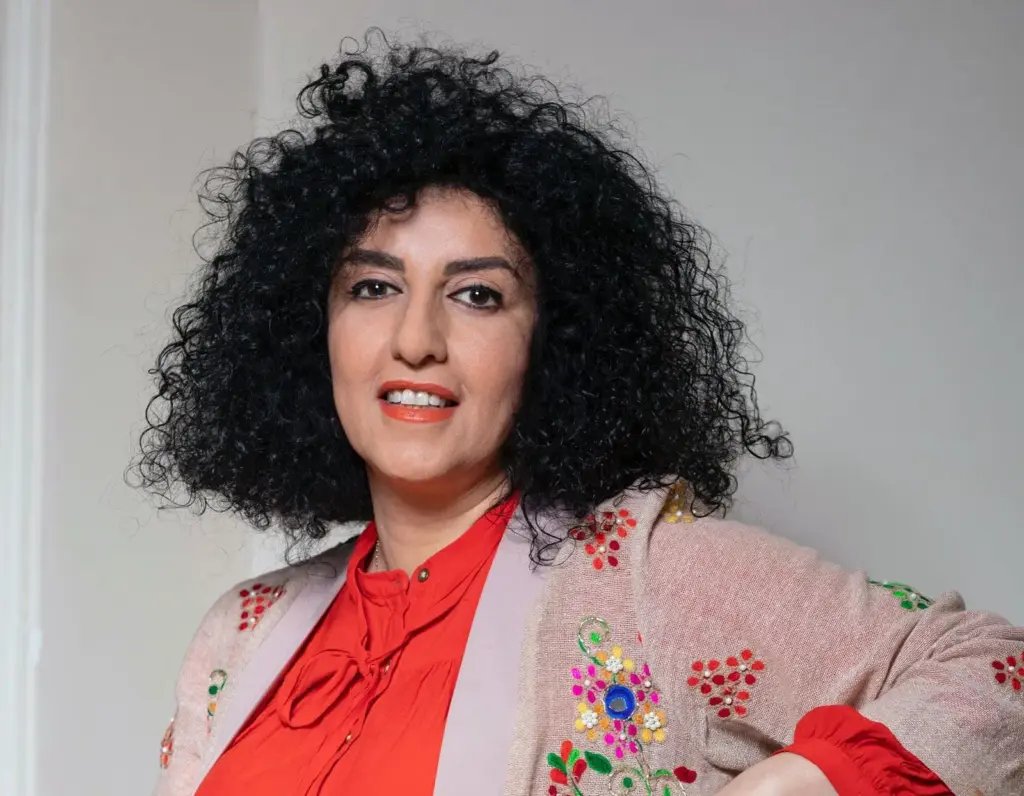
Narges Mohammadi, the renowned Iranian activist and recent Nobel Peace Prize laureate, continues to capture the world’s attention as she passionately advocates for women’s rights and human rights in Iran. Despite her instrumental role in fighting against oppression, Mohammadi was violently arrested in Mashhad, igniting widespread concern among her supporters and human rights organizations. The Nobel Committee, recognizing her contributions, has expressed deep worry over her safety, urging for clarity on her detention and immediate release. This arrest underscores the ongoing challenges faced by activists in Iran, where the fight for freedoms and equality remains perilous. As news of Narges Mohammadi’s circumstances spreads, global protests and advocates emerge, reinforcing the critical discourse surrounding Iran’s treatment of women’s rights and the oppressive nature of the regime.
The situation surrounding Narges Mohammadi highlights a grim reality for many advocates for freedom and equality in Iran. Known for her relentless pursuit of social justice, Mohammadi’s recent apprehension has sparked significant media attention and debates on civil liberties in the region. The arrest of such a prominent figure raises serious questions about governmental repression and human rights violations within the country. As the narrative unfolds, followers of her journey are reminded of the broader implications of activism in an environment fraught with danger and intolerance. The ongoing plight of Narges and her peers serves as a crucial reminder of the persistent struggles faced by individuals advocating for human rights and gender equality in authoritarian regimes.
The Violent Arrest of Narges Mohammadi
The recent arrest of Narges Mohammadi in Mashhad has sent shockwaves throughout the international community. Mohammadi, a prominent women’s rights activist and Nobel Peace Prize winner, has long been a voice against the oppressive regime in Iran. Her violent arrest, reported by her foundation, underscores the escalating crackdown by Iranian authorities on those advocating for human rights, particularly women’s rights in Iran. The brutality of her detention highlights the regime’s attempts to silence dissent and instill fear among activists who dare to stand up against injustice.
Supporters of Mohammadi and human rights advocates around the world are demanding her immediate release and safety. The Nobel Committee’s response to her arrest reflects growing international concern over the treatment of activists in Iran. They have called on authorities to clarify her whereabouts and ensure her well-being, emphasizing the urgent need for accountability in the face of such human rights violations. The growing number of arrests of activists at events, such as the memorial for Khosrow Alikordi, shows an alarming pattern of repression aimed at stifling voices advocating for change.
Narges Mohammadi’s Continued Fight for Women’s Rights
Narges Mohammadi’s journey as an activist has been fraught with challenges, yet her resilience remains unparalleled. After receiving the Nobel Peace Prize for her notable efforts against female oppression in Iran, Mohammadi has continued to confront the regime despite facing severe repercussions, including arrest and imprisonment. Following her brief medical release in December 2024, she became a symbol of hope for many women in Iran, inspiring them to fight for their rights and freedoms. Her defiance against the mandatory headscarf requirement and public gatherings with fellow activists demonstrate her unwavering commitment to the cause.
Despite the risks, Mohammadi’s voice resonates beyond the borders of Iran, drawing attention to the dire human rights situation in the country. Her writings and public statements reflect the pervasive control the Iranian state exerts over personal and public lives, including censorship and arbitrary arrests. As she continues her work, she not only advocates for Iranian women’s rights but also raises awareness of broader human rights abuses within the regime. Mohammadi’s story serves as a poignant reminder of the sacrifices many activists make in the fight for democracy and freedom.
International Response to the Situation in Iran
The arrest of Narges Mohammadi has prompted strong reactions from international bodies and human rights organizations. The Nobel Committee has expressed deep concern regarding the brutal handling of the arrest, calling for immediate clarity about Mohammadi’s safety and location. This incident draws attention to the ongoing human rights violations occurring in Iran, where activists are routinely targeted for their efforts to bring about social change. The international community’s response is crucial in putting pressure on the Iranian government to cease its campaign against dissent.
Other human rights organizations, such as Iran Human Rights, have also condemned the arrest and called for independent inquiries into the circumstances surrounding it. The collective outcry emphasizes the need for global solidarity in support of human rights activists in Iran. As the world watches the ongoing repression, there is hope that united voices can influence a change in the Iranian government’s approach to its citizens and activists fighting for their rights.
The Impact of Narges Mohammadi’s Activism
Narges Mohammadi’s activism has not only had a significant impact on women’s rights in Iran but has also illuminated the broader human rights issues within the country. Recognized as a leading figure in the movement against female oppression, she has consistently brought attention to the struggles faced by women, from the enforcement of strict dress codes to the limitations placed on their freedoms. Her willingness to speak out against systemic violence has empowered many, encouraging them to advocate for their rights despite the risks involved.
Mohammadi’s influence reaches beyond activism; her story has inspired a new generation of women in Iran who are increasingly unafraid to challenge societal norms. By refusing to conform and maintaining her public engagement, she serves as a model of courage. The Nobel Peace Prize also highlighted her contributions and the urgent need for reform in Iran. As the fight for women’s rights continues, Mohammadi’s legacy is poised to become a catalyst for change that resonates far beyond her home country.
Life Behind Bars: Narges Mohammadi’s Prison Experience
Narges Mohammadi’s life has been heavily impacted by her numerous imprisonments, with harsh sentences including extraordinary terms that total over 36 years. Her time in the notorious Evin prison has become a testament to the severe consequences faced by those who challenge the regime in Iran. Even within the confines of her cell, Mohammadi has found ways to resist, regularly advocating for her fellow inmates and raising awareness about their plight. Her resilience in the face of such adversity remains a powerful symbol of the struggle for human rights.
Life behind bars has also illustrated the horrific conditions that many political prisoners endure in Iran. Reports of torture, inadequate medical care, and psychological abuse highlight the brutal reality of the Iranian prison system. Mohammadi has faced these challenges head-on, oftentimes at great personal expense. Nevertheless, her spirit remains unbroken, and her commitment to her cause serves as a clarion call for human rights defenders globally, proving that even in the darkest circumstances, the fight for justice persists.
The Broader Context of Women’s Rights in Iran
The ongoing crackdown on dissent in Iran is undeniably intertwined with the women’s rights movement, as activists like Narges Mohammadi have increasingly become targets of state violence. The Iranian government’s attempts to suppress women’s voices are reflective of a broader societal pattern that seeks to maintain control over not only gender issues but also any forms of dissent against the regime. Women in Iran continue to be oppressed by laws and cultural practices that deny them basic rights, making Mohammadi’s activism all the more vital.
In a landscape rife with human rights abuses, feminist movements in Iran have gained momentum despite the overwhelming obstacles. The collective efforts of activists push back against years of repressive practices, promoting the notion that women deserve equal rights and freedoms. Narges Mohammadi’s work symbolizes this fight, highlighting the urgent need for international attention and support. As women continue to reclaim their voices, the hope for reforms within the Iranian legal and social systems remains alive, fostering the potential for a more equitable future.
The Role of Social Media in Advocacy for Narges Mohammadi
Social media has transformed the landscape of activism, playing a crucial role in raising awareness about the challenges faced by activists like Narges Mohammadi. Platforms such as Twitter and Instagram have been used to share real-time updates regarding her arrest and to mobilize supporters around the world. The immediacy of social media allows for increased visibility, enabling activists to rally international support and apply pressure on the Iranian government. Initiatives to trend hashtags related to Mohammadi’s situation have garnered thousands of followers, amplifying messages about the importance of her release.
Furthermore, social media has become a vital tool for sharing stories of fellow prisoners and the broader human rights violations in Iran. The dissemination of information allows those outside of Iran to understand the political climate and the repression occurring on the ground. Activists leveraging social media can share personal narratives that resonate with global audiences, creating solidarity and sparking discussions around women’s rights and human rights. As Mohammadi remains a subject of global attention, social media continues to facilitate dialogue and advocacy on her behalf.
Future Implications for Human Rights in Iran
The situation surrounding Narges Mohammadi’s arrest could set a significant precedent for the future of human rights in Iran. As the regime intensifies its crackdown on activists, there is a tangible risk of further repression that could deter individuals from speaking out. However, the international response, sparked by the high-profile nature of Mohammadi’s case, has the potential to instigate broader discussions about reform and the need for change in Iran. The world is watching, and the implications of how the Iranian government responds to this pressure could determine the fate of future human rights initiatives.
Moreover, continued global advocacy for Mohammadi and her counterparts could reignite movements within Iran as citizens rally behind the ideals of democracy and freedom of expression. There’s a growing recognition that human rights are universal and cannot be silenced by fear or oppression. If international bodies continue to support activists like Mohammadi, there may be an opportunity for real change and progress towards improved human rights conditions in Iran. This ongoing dialogue places Malaysia at the forefront of the fight for justice and could inspire greater activism, ultimately leading to a shift in public consciousness and policy.
Frequently Asked Questions
Who is Narges Mohammadi and why did she win the Nobel Peace Prize?
Narges Mohammadi is a prominent Iranian women’s rights activist who was awarded the 2023 Nobel Peace Prize for her unwavering fight against female oppression and her advocacy for human rights in Iran. Her efforts have highlighted the struggles of women and the need for democratic reforms in a system often characterized by repression.
What recent events led to the violent arrest of Narges Mohammadi?
Narges Mohammadi was violently arrested by Iranian security forces while attending a memorial ceremony for a lawyer, Khosrow Alikordi. This incident reflects a broader crackdown on activists in Iran, as authorities continue to target those advocating for human rights and social justice.
How has Narges Mohammadi’s activism impacted the human rights situation in Iran?
Narges Mohammadi’s activism has brought international attention to the human rights abuses in Iran, particularly concerning women’s rights. Her defiance against the regime, including refusing to wear a mandatory headscarf, has inspired many to challenge the oppressive laws in the country.
What has the Nobel Committee said about Narges Mohammadi’s situation?
The Nobel Committee has expressed deep concern over the brutal arrest of Narges Mohammadi, urging Iranian authorities to clarify her whereabouts, ensure her safety, and release her unconditionally. Their statement highlights the importance of protecting activists who fight for democracy and human rights.
What conditions has Narges Mohammadi faced during her detainment?
During her detention, particularly in Tehran’s notorious Evin prison, Narges Mohammadi has faced severe conditions, including long sentences totaling over 36 years and lashes. Despite these circumstances, she has remained committed to her activism and advocacy for women’s rights in Iran.
What actions have supporters taken in response to Narges Mohammadi’s arrest?
Supporters of Narges Mohammadi have condemned her arrest and called for her immediate release. Following her latest arrest, protests erupted among activists who voiced their dissent against the Iranian regime. Organizations like the Narges Foundation continue to mobilize support for her cause and raise awareness about human rights violations in Iran.
What are the implications of Narges Mohammadi’s activism for the future of women’s rights in Iran?
Narges Mohammadi’s activism symbolizes a growing resistance against oppression in Iran, particularly for women’s rights. Her recognition as a Nobel Peace Prize laureate raises international awareness and support, which may influence future movements for reform and equality within the country.
How has Narges Mohammadi’s situation drawn international attention?
The violent arrest of Narges Mohammadi and her status as a Nobel Peace Prize winner have drawn significant international media coverage and condemnation from human rights organizations. This attention emphasizes the ongoing struggles faced by activists in Iran and encourages global advocacy for their rights.
| Key Point | Details |
|---|---|
| Narges Mohammadi’s Arrest | Arrested by Iranian security forces during a memorial event; reported as violent. |
| Nobel Prize Recognition | Awarded the 2023 Nobel Peace Prize for activism against female oppression and promoting human rights. |
| Health and Previous Detainment | Recently released on medical grounds; held since 2021 in Evin prison. |
| Public Reaction | Nobel Committee expressed deep concern; calls for her release and safety. |
| Support from Activists | Several activists detained with her, protesting against the regime. |
| Ongoing Oppression | Mohammadi has faced increasing repression, with threats from regime agents. |
Summary
Narges Mohammadi’s recent arrest has captured global attention, highlighting the harsh reality faced by women’s rights activists in Iran. As a Nobel Peace Prize laureate, her commitment to fighting female oppression and advocating for human rights remains unwavering despite severe repercussions. This situation underscores the need for the international community to hold Iran accountable for their human rights violations and to stand in solidarity with activists like Mohammadi.