
Listen to this article
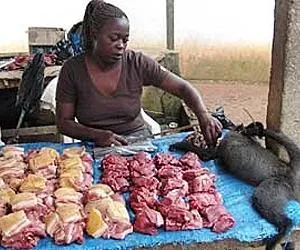
Illegal bushmeat continues to pose a significant challenge to wildlife conservation and public health, as evidenced by a recent arrest in southeast London. During a police operation, officials uncovered 38kg of illegal frozen bushmeat, which included endangered species such as pangolins, now feared to be facing extinction. The Food Standards Agency (FSA), in coordination with the Metropolitan Police, reported that this bust is part of broader efforts to combat the illegal meat trade and wildlife trafficking. The sale of bushmeat not only violates wildlife protection laws but also endangers human health, as it often bypasses vital safety regulations. As authorities crack down on this bushmeat crime, consumers are urged to remain vigilant and steer clear of illicitly sourced meats that could pose harmful health risks.
Wildlife crime, particularly the trade of bushmeat, presents alarming consequences for both ecological balance and sanitary conditions in the food market. Recent investigations highlighted the illegal practice of trafficking wild animals for meat, which includes various species hunted from their natural habitats. Such illicit activities raise concerns among health agencies, especially the Food Standards Agency in the UK, which emphasizes that unregulated meat imports do not meet necessary health standards. Moreover, this illegal trade not only threatens endangered species like pangolins but also contributes to the spread of zoonotic diseases, raising serious public health alarms. Addressing this issue requires a collaborative approach to mitigate risks and preserve our natural heritage.
The Rise of Illegal Bushmeat Trade
The illegal bushmeat trade has become a significant issue, impacting wildlife conservation and public health. This trade involves the hunting and selling of wild animals like pangolins, cane rats, and porcupines, often leading to a decline in various species’ populations. The growing demand for exotic meats, particularly in urban areas where traditional food sources may diminish, drives this illegal activity. Authorities, including the Food Standards Agency (FSA) in the UK, have recognized this growing trend and are actively working to disrupt it.
As the demand for bushmeat persists, so do the associated risks of wildlife trafficking. Many of these animals are carriers of zoonotic diseases, meaning they can transmit illnesses to humans. The unregulated nature of this trade means that the meat often bypasses health inspections, exposing consumers to potential health hazards. In response, governments and organizations worldwide, including the FSA’s National Food Crime Unit, are implementing stricter regulations to combat illegal meat trade and protect public health.
Understanding the Impact of Wildlife Trafficking
Wildlife trafficking is a crime that not only threatens biodiversity but also poses serious risks to food safety. The illegal bushmeat trade, as exemplified by the recent seizure in southeast London, is a manifestation of this larger issue. Investigators found substantial amounts of illegally imported bushmeat, highlighting the need for intensified efforts to curb such lawlessness. The FSA emphasizes the dangers of consuming wildlife, as many species like pangolins are endangered and carry pathogens harmful to humans.
Efforts to mitigate wildlife trafficking include increased surveillance, collaboration between agencies, and public awareness campaigns. The FSA’s National Food Crime Unit plays a crucial role in this, conducting raids and monitoring the marketplace for illegal products. By educating consumers about the perils of buying bushmeat and reporting suspicious activities, we can contribute to the fight against wildlife crime. Public support is essential in safeguarding endangered species and ensuring food safety.
Public Health Risks of Illegal Meat Consumption
The consumption of illegal bushmeat brings with it a host of public health concerns. This meat often comes from unregulated sources, lacking proper inspections that ensure it is safe for human consumption. The FSA warns that eating illegally imported meat can expose individuals to dangerous pathogens, including bacteria and viruses that may lead to serious health issues. As the recent raid revealed, these products can slip through the cracks of food safety oversight, potentially entering the food supply.
Additionally, the consumption of certain illegal meats poses not just a risk to individuals but can have wider implications for public health. The potential for outbreaks of diseases linked to wildlife consumption is ever-present, especially when dealing with species known to carry infectious agents. Public awareness of these dangers is crucial as it promotes safer eating habits and encourages individuals to avoid purchasing suspicious meat products, including bushmeat.
The Role of the Food Standards Agency in Combating Illegal Meat Trade
The Food Standards Agency plays a pivotal role in addressing the issues surrounding illegal meat trade, particularly as it relates to bushmeat. Through its National Food Crime Unit, the FSA conducts investigations and collaborates with law enforcement agencies to track down illegal imports and apprehend offenders. This proactive approach aims to prevent unsafe meat from reaching consumers and to protect the integrity of the food supply chain in the UK.
Moreover, the FSA engages in public education to raise awareness about the risks associated with illegal meat consumption. By informing citizens about the potential dangers of buying bushmeat and the importance of food safety regulations, the agency seeks to empower individuals to make safer choices. This dual approach of enforcement and education is vital in disrupting the cycle of illegal meat trade and wildlife trafficking.
The Legal and Ethical Implications of Bushmeat Consumption
The legal framework surrounding bushmeat consumption and wildlife trafficking is designed to protect endangered species and ensure food safety. Engaging in the illegal bushmeat trade not only breaches national laws but also international regulations aimed at preserving biodiversity. The Convention on International Trade in Endangered Species (CITES) sets stringent guidelines to prevent the exploitation of vulnerable species such as pangolins, which are decimated by illegal hunting due to their high demand in some markets.
Ethically, consuming bushmeat raises significant concerns regarding wildlife conservation and animal welfare. The bushmeat trade often involves inhumane practices that threaten animal populations and disrupt ecosystems. Advocacy for more ethical food choices promotes sustainability and biodiversity conservation, encouraging consumers to seek alternatives to illegal bushmeat. By fostering a culture of ethical consumption, individuals can contribute to reducing the pressures on wildlife and supporting conservation efforts.
Consumer Awareness and Reporting Illegal Meat Sales
Consumer awareness is a critical factor in combating the illegal bushmeat trade. The public plays a vital role in reporting suspicious activities related to the sale of illegal meats, which can help enforcement agencies take prompt action. The FSA encourages individuals to be vigilant about where their food comes from and to avoid purchasing meat from unverified sources. By establishing a community of informed consumers, the chances of illegal bushmeat entering the market can be significantly reduced.
In addition to reporting illegal sales, educating consumers on recognizing the signs of illegal bushmeat can further aid efforts to combat wildlife trafficking. This includes being aware of unusual products in food markets or restaurants that claim to offer exotic meat. Active participation in the fight against wildlife crime empowers consumers to protect endangered species and ensures they are making safe, informed choices about the meat they consume.
Collaboration Across Agencies to Disrupt the Illegal Meat Trade
Collaborative efforts among various agencies are essential to effectively disrupt the illegal meat trade. The recent partnership between the FSA, its National Food Crime Unit, and local law enforcement underscores the importance of collective action in tackling wildlife trafficking issues. By pooling resources and sharing information, these agencies are better equipped to intercept illegal shipments and prosecute offenders, thereby protecting both public health and wildlife.
Furthermore, international cooperation is integral to combating the global nature of wildlife trafficking. Countries must work together to strengthen laws and regulations that protect endangered species and combat the illegal bushmeat trade. Initiatives that facilitate information sharing and capacity building among nations can lead to more effective enforcement and ultimately contribute to a decline in illegal meat trafficking activities.
The Future of Wildlife Conservation and Food Safety
The future of wildlife conservation and food safety hinges on aggressive action against illegal meat trade practices, including bushmeat. With increasing awareness of the links between wildlife trafficking and public health risks, stakeholders are becoming more proactive in creating sustainable solutions. The FSA’s continued vigilance in monitoring and controlling illegal meat imports will be crucial in the ongoing fight to secure safe food systems while protecting endangered species.
As societies evolve, there is a growing realization of the need to balance food security with wildlife conservation. This entails exploring sustainable alternatives to bushmeat that do not compromise ecosystem integrity. The rise of plant-based diets and responsible sourcing practices could mitigate the pressures exerted on wildlife populations while ensuring food safety for consumers. Through collective efforts, we can carve out a future where both human health and wildlife thrive.
Legislation and Policy Changes to Address Illegal Meat Trade
Legislative measures are critical in addressing the illegal meat trade and ensuring the protection of endangered species. Recent policy changes reflect a growing commitment to combat wildlife trafficking, emphasizing stricter penalties for offenders involved in the illegal bushmeat trade. By reinforcing laws that regulate meat imports and enhance surveillance, governments can deter criminal enterprises and safeguard public health.
Moreover, aligning domestic laws with international conservation efforts can foster a more robust legal framework to combat illegal wildlife trade. Policies that promote sustainable practices and collaboration across borders strengthen efforts to combat illegal meat trade. Advocacy for comprehensive legislation that includes public health standards will create a multifaceted approach to tackling this urgent issue, ultimately benefiting both wildlife and consumers.
Frequently Asked Questions
What is illegal bushmeat and why is it a concern in the UK?
Illegal bushmeat refers to wild animals hunted and sold without authorization, often including species like pangolins, which are critically endangered. This trade poses several concerns, particularly public health risks from diseases and contaminants, as these products bypass safety regulations and hygiene checks enforced by the Food Standards Agency (FSA).
What actions are being taken to combat the illegal meat trade in the UK?
The Food Standards Agency’s National Food Crime Unit (NFCU) collaborates with law enforcement to conduct raids and investigations, targeting illegal bushmeat trade. Their efforts aim to disrupt wildlife trafficking and ensure that unsafe products do not enter the food market, safeguarding public health.
Why are pangolins particularly significant in discussions about illegal bushmeat?
Pangolins are one of the most trafficked mammals globally and are highly sought after for their scales and meat. Their illegal trade is a major factor in their decline, and due to their critically endangered status, the trade of pangolins is banned worldwide, highlighting the grave consequences of illegal bushmeat activities.
What health risks are associated with consuming illegal bushmeat?
Illegal bushmeat, including species like cane rats and porcupines, may carry diseases or contaminants due to lack of proper handling and hygiene regulations. Consuming such meat can pose serious health risks, which is why the Food Standards Agency advises against buying or consuming any illegally imported meat.
How can consumers report suspicious illegal bushmeat sales?
If you suspect the sale of illegal bushmeat, the Food Standards Agency encourages consumers to report it to their local authority. This helps local law enforcement combat illegal meat trade and protect public health from unsafe products.
What role does the Food Standards Agency play in preventing bushmeat crimes?
The Food Standards Agency plays a critical role in preventing bushmeat crimes by investigating illegal meat imports and collaborating with various agencies to enforce food safety laws. Their National Food Crime Unit actively targets wildlife trafficking involved in the illegal meat trade to safeguard both public health and endangered species.
What should you do if you find illegal bushmeat being sold?
If you encounter illegal bushmeat being offered for sale, it is important to report this to local authorities or the Food Standards Agency. This will enable authorities to take appropriate action against those involved in the illegal meat trade.
Are there penalties for those involved in the illegal bushmeat trade?
Yes, individuals caught engaging in the illegal bushmeat trade can face severe penalties, including fines and imprisonment, depending on the extent of their involvement in wildlife trafficking and violations of food safety regulations in the UK.
How does wildlife trafficking relate to illegal bushmeat in the UK?
Wildlife trafficking encompasses the illegal trade of protected species and their parts, including bushmeat. The illegal bushmeat trade often involves trafficking endangered species like pangolins, threatening biodiversity and public health, which is why it is a focal point of regulations and enforcement actions.
What can individuals do to help stop the illegal meat trade?
Individuals can help stop the illegal meat trade by staying informed about the issues, avoiding consumption of bushmeat, reporting suspicious activities related to illegal meat sales, and supporting conservation efforts that protect wildlife from trafficking and illegal hunting.
| Key Point | Details |
|---|---|
| Illegal Bushmeat Seized | 38kg of frozen bushmeat, including pangolins, cane rats, and porcupines, found in southeast London. |
| Authorities Involved | The operation was conducted by the Food Standards Agency (FSA) and the Metropolitan Police. |
| Date of Operation | The raid occured on December 5. |
| Health Risks | Illegally imported bushmeat can carry diseases and contaminants, bypassing safety checks. |
| Conservation Concerns | Some seized species, like pangolins, are critically endangered and banned from commercial trade worldwide. |
| Next Steps | Ongoing investigations, with further actions planned to deter illegal meat trade. |
| Public Advisory | The FSA advises against purchasing or consuming illegal bushmeat due to health risks. |
Summary
Illegal bushmeat is a significant concern in public health and wildlife conservation. Following a recent seizure of 38kg of this meat in southeast London, the Food Standards Agency (FSA) reinforced the dangers of illegally imported meats. Such products not only escape essential health checks but also threaten critically endangered species like pangolins. The ongoing investigation underlines the authorities’ commitment to disrupt the illegal meat trade and safeguard public health. Awareness is crucial, and consumers are urged to refrain from buying illegal bushmeat to prevent health risks and support wildlife conservation efforts.