Listen to this article
The UK doctors strike is looming on the horizon, threatening to disrupt medical services across the nation as resident doctors prepare for a five-day walkout starting December 17. This strike, organized by the British Medical Association (BMA), may still be averted if the doctors accept a proposed deal from health ministers. The agreement includes notable provisions for increasing specialist training posts and reimbursing out-of-pocket costs, yet it falls short on addressing NHS doctors’ pay concerns. Health Secretary Wes Streeting has made it clear that additional pay negotiations will not be entertained, despite significant wage increases for resident doctors in recent years. As the BMA consults its members on the deal’s adequacy, tensions rise, with the potential for significant disruptions to patient care looming in the cold winter months ahead.
With the imminent threat of industrial action by healthcare professionals, the possibility of a strike by medical practitioners in the UK raises significant concerns for patient care and the healthcare system’s functionality. Junior doctors, now referred to as resident doctors, find themselves at a crossroads as they weigh an offer from the government stemming from negotiations with the BMA. This vital agreement encompasses enhancements in training opportunities and financial reimbursements for essential professional expenses. However, many are asking whether it adequately addresses the pressing issue of salaries in today’s economic climate. As discussions unfold, the stakes remain high for both doctors aiming to secure fair compensation and the government navigating the complexities of NHS funding and staffing.
Understanding the Implications of the UK Doctors Strike
The UK doctors strike represents a critical juncture for the National Health Service, where resident doctors are at the forefront of addressing patient care amidst ongoing disputes. The impending strike, if carried out, could lead to significant disruptions in healthcare delivery, necessitating the cancellation of non-urgent surgeries and treatments. Stakeholders, including health officials and hospital administrators, are already bracing for potential chaos, impacting not only patients but also the stability of the entire NHS system.
The stakes are even higher given the concurrent pressures from seasonal illnesses, such as the flu, that are typically seen during the winter months. Health Secretary Wes Streeting has highlighted the urgency of the situation, emphasizing the need for immediate resolution to prevent exacerbating health crises. The ramifications of the strike will not only be felt immediately but also in the long-term viability of healthcare in England, as the public may begin to lose faith in the system if repeated strikes occur.
The Role of Resident Doctors in Shaping NHS Policy
Resident doctors are increasingly recognized as pivotal players in shaping NHS policies, particularly as they stand up for their rights and conditions of practice. The recent negotiations and potential BMA strike agreement reflect this growing influence. Resident doctors, previously seen as junior practitioners, are now leveraging their collective voice to advocate for much-needed changes, such as increased specialist training posts and improved working conditions. Their willingness to strike signifies a deeper commitment to ensuring quality healthcare delivery for patients.
The push for adequate employment conditions also serves to highlight the competition present within the NHS landscape, especially with the influx of international doctors seeking specialist training posts. The government’s commitment to increasing these positions from 10,000 to 14,000 by 2028 is a direct response to the significant strain on the healthcare system caused by a shortage of qualified professionals. This underscores the importance of maintaining a robust workforce that can meet the healthcare needs of the population.
Negotiating the Future of NHS Doctors Pay
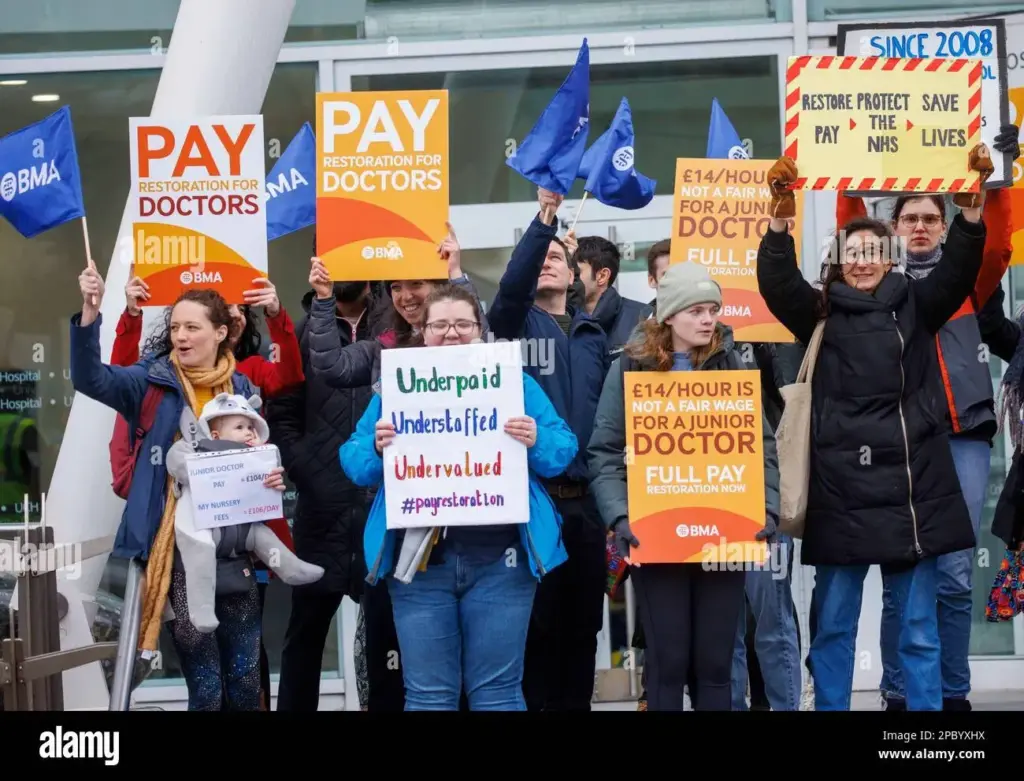
The ongoing discussions around NHS doctors’ pay remain at the forefront of the strike negotiations, with the government facing pressure to address concerns regarding inflation-adjusted wages. While recent pay rises have been implemented, many doctors, including resident doctors represented by the BMA, continue to feel underappreciated, citing a fifth lower salary than in 2008 when adjusted for inflation. The current negotiation has thus become a battleground not only for immediate financial compensation but for the long-term sustainability of working conditions within the NHS.
Health Secretary Streeting has made it clear that any negotiations moving forward will not include additional pay commitments. This stance has generated frustration among healthcare professionals who argue that fair compensation is intrinsic to their ability to provide quality care. The BMA’s position indicates that unless pay increases reflect the realities of inflation and living costs, the healthcare system risks losing talented professionals to better-paying fields, further exacerbating the existing workforce crisis.
Emergency Legislation and Its Impact on Training Posts
The development of emergency legislation to prioritize UK-trained doctors for specialist training posts is a significant move in addressing the competitive nature of NHS applications. With tens of thousands of applicants vying for a limited number of specialty roles, there is an urgent need to ensure that resident doctors who have committed to the UK healthcare system are given preference. This legislation seeks to create a sustainable framework that recognizes the investment these doctors have made in their training and their commitment to future service.
Moreover, the introduction of new training posts aims to alleviate the pressure faced by the NHS as it grapples with high demand for services. By increasing the number of available positions, the government demonstrates an understanding of the challenges faced by resident doctors and the essential role they play in delivering care. However, the implementation of these changes will require careful planning and consideration to ensure that the system is equipped to handle the influx of new trainees without compromising quality.
The BMA’s Role in Advocating for Resident Doctors
The British Medical Association (BMA) has increasingly positioned itself as a vocal advocate for resident doctors, especially in light of their recent initiatives and potential strike actions. The BMA’s active engagement reflects the collective aspirations of junior doctors and their demands for better working conditions, pay, and training opportunities. Through surveys and consultations, the BMA aims to empower resident doctors, ensuring their opinions are at the forefront of negotiations with the government.
Furthermore, the BMA’s leadership acknowledges that the strength of their advocacy hinges on uniting the voices of resident doctors across the UK. By promoting solidarity, the BMA seeks to ensure that every member feels their concerns are represented, particularly regarding pay disparities and the increasing costs of living. The union’s leadership is aware that successful negotiations will pave the way for a more sustainable future for both resident doctors and the NHS, directly impacting patient care.
Healthcare Disruptions and Patient Care Concerns
As the potential doctors strike looms closer, the specter of canceled appointments and disrupted patient care rises significantly. The health implications for thousands of patients could be dire, particularly for those with existing health complications who rely heavily on frequent medical attention. Health Secretary Streeting’s remarks emphasize that the ripple effects of such a strike would not only burden the healthcare system but also inflict hardship on patients who will face delays in receiving necessary treatments.
The growing concern among health officials is that minimizing disruptions during peak seasonal illnesses should take precedence over strike actions. This tension poses a genuine dilemma for healthcare leaders who must balance advocating for doctors’ rights with the ethical obligation to ensure that patient care is not compromised. With hospitals already gearing up for potential strike impacts, leadership in the NHS must navigate these challenges while working to foster dialogue between the government and healthcare professionals.
Political Reactions to Potential Strikes
The political landscape surrounding the potential strike by resident doctors is fraught with tension, as various stakeholders express their opinions regarding the government’s approach to negotiation. Shadow Health Secretary Stuart Andrew’s condemnation of the strike as ‘unacceptable’ highlights the political stakes involved, reinforcing the notion that political leaders are deeply concerned about public perception and the potential fallout from healthcare disruptions. His remarks resonate with widespread fears that unchecked demands for pay will set a concerning precedent for future negotiations.
Critics of the government’s stance vocalize concerns that failing to adequately address doctors’ pay could lead to further unrest and dissatisfaction among NHS staff. The alignment of political positions reveals a complex interaction, where the outcomes of the negotiations can directly influence public health policies and hospital management practices. As leaders prepare for possible repercussions from the strike, the future of the NHS hangs in a delicate balance, underscoring the intricate relationship between healthcare, politics, and society.
The Future of NHS Workforce and Specialist Training
Looking forward, the ongoing debates around specialist training posts and the associated commitments made by the government will play a crucial role in shaping the future NHS workforce. The decision to increase the number of specialist training positions reflects an understanding of the acute need for skilled healthcare professionals within the NHS, particularly as patient demands rise. However, the government must also ensure that these commitments translate into workable training solutions that adequately prepare doctors for their future roles.
The waiting game surrounding the results of the BMA survey puts pressure on the government to act decisively, as the fate of the upcoming strike hinges on the agreement’s acceptance. If resident doctors feel that the increase in training posts is accompanied by the necessary support and resources, it could be a turning point for retaining talent and improving morale within the NHS. Conversely, if these negotiations fall short, it could lead to significant staffing shortages and a decline in the quality of healthcare services.
The Impact of Strikes on NHS Operations and Planning
The potential strike action raises significant concerns about the operational capacity of the NHS during a critical time for patient care. The implications of resource allocation and planning are profound; hospitals may find themselves in situations where they need to cancel appointments, postpone surgeries, and redeploy staff to ensure basic services remain operational. This preemptive planning reveals the substantial strain that the threat of a strike presents, prompting healthcare institutions to consider long-term strategies for better workforce management.
Moreover, the ripple effects of operational disruptions can extend beyond immediate care, affecting the morale of medical staff and patient trust in the NHS. As frustrations mount due to continuous strikes and negotiations, the situation underscores the urgency for both the government and medical unions to collaborate on sustainable solutions. The ultimate goal remains to restore confidence in the healthcare system while addressing the underlying issues that lead to such drastic measures as strikes.
Frequently Asked Questions
What is the current status of the UK doctors strike scheduled for December 17?
The UK doctors strike planned for December 17 may potentially be avoided if resident doctors approve a new deal presented by the government to the British Medical Association (BMA). The union will consult its members to determine if this offer is satisfactory.
What are the key components of the BMA strike agreement?
The BMA strike agreement includes a swift increase in specialist training positions and reimbursement for out-of-pocket expenses like examination fees. However, it does not include any commitments for additional salaries, which Health Secretary Wes Streeting has stated will not be negotiated.
How does the UK doctors strike impact NHS doctors pay?
The current UK doctors strike arises from concerns regarding NHS doctors’ pay, which the BMA argues is still significantly lower than 2008 levels when adjusted for inflation. Despite recent increases of nearly 30% over three years, many resident doctors feel their pay does not reflect their contributions.
What are the changes related to specialist training posts mentioned in the UK doctors strike discussions?
The UK doctors strike discussions entail increasing specialty training posts by 4,000 by 2028, with 1,000 positions available starting next year. This move aims to prioritize UK doctors for these roles amidst intense competition.
What did Health Secretary Wes Streeting say about the potential UK doctors strike?
Health Secretary Wes Streeting expressed frustration over the BMA’s handling of the situation, cautioning that if the strike proceeds, it could lead to widespread treatment cancellations and significant disruption in NHS services.
What actions are being taken by resident doctors in response to the offer related to the UK doctors strike?
In response to the government’s offer regarding the UK doctors strike, resident doctors will participate in an online survey to assess if the agreement is adequate to cancel the planned strike, followed by a potential formal referendum.
Why is the BMA consulting its members before the UK doctors strike?
The BMA is consulting its member resident doctors before the UK doctors strike to gauge whether the new deal presented to them is sufficient to cancel the planned action, ensuring that the voice of their membership is represented.
How will the outcome of the member survey influence the UK doctors strike?
The outcome of the member survey will determine if the UK doctors strike scheduled for December 17 will proceed or be canceled, shifting towards a formal referendum if the deal is deemed unsatisfactory.
What are the arguments made by BMA concerning pay amidst the UK doctors strike?
The BMA argues that despite recent pay increases, NHS doctors’ wages are still significantly lower than they were in 2008, highlighting ongoing issues of remuneration and the demand for better pay as part of their response to the UK doctors strike.
What are the consequences if the strike goes ahead next week?
If the UK doctors strike goes ahead next week, it may lead to widespread cancellations of medical treatments and appointments, as hospitals will prepare for the disruption caused by the five-day walkout.
| Key Point | Details |
|---|---|
| Upcoming Strike | Resident doctors in England are scheduled to strike from December 17 if an agreement isn’t reached. |
| New Deal Offer | The British Medical Association (BMA) will present a new deal to its members, which includes increased training positions but lacks wage commitments. |
| Pay Increase Concerns | The Health Secretary will not negotiate on pay, as recent increases of nearly 30% for resident doctors were given over the past three years. |
| Specialty Training Posts | A commitment to increase specialty training posts by 4,000 by 2028 and prioritize UK-trained doctors is included in the new deal. |
| Consultation & Decision | The BMA will survey its members by December 15 to decide if the proposed deal is sufficient to cancel the planned strike. |
| Government Response | Health Secretary Wes Streeting expressed frustration over the BMA’s negotiation tactics and the potential impact of the strike on NHS services. |
Summary
The UK doctors strike is a critical issue as resident doctors consider a governmental deal that may influence their planned strike next week. The outcome depends on whether they find the new proposals—including increased training spots—acceptable, despite a lack of wage commitments. As consultations commence, the pressure mounts on the BMA and the NHS to avert further disruption to healthcare services.