
Listen to this article
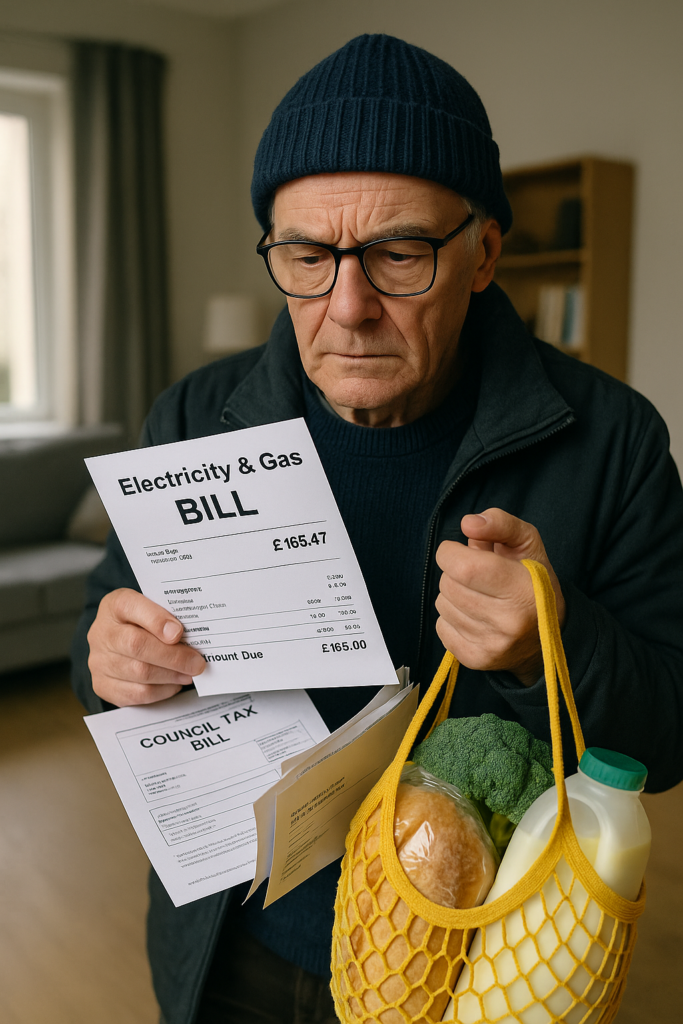
London, UK — The cost of living continues to place pressure on households across the UK in 2025, even as inflation has eased from recent peaks. For many families, especially in London, everyday expenses such as energy, food, rent, and council tax remain significantly higher than they were just a few years ago.
Economists say that while headline inflation figures show improvement, the reality for households is more complex. Prices for essential goods and services have not returned to pre-pandemic levels, and wage growth has struggled to fully close the gap.
Household Bills Remain Elevated
Energy costs remain one of the biggest concerns for UK households. Although wholesale prices have stabilised, many families are still paying more for gas and electricity than they did before the energy crisis. Standing charges and network costs continue to add to monthly bills, particularly affecting lower-income households.
Council tax rises in several local authorities have also contributed to financial pressure. In London, borough-level increases, combined with higher service charges in rented properties, have pushed total household bills even higher.
Food Prices Continue to Strain Budgets
Food inflation has slowed, but supermarket prices remain elevated. Staples such as bread, dairy products, fresh fruit, and vegetables still cost more than they did prior to 2020. Shoppers report reducing non-essential purchases, switching to own-brand products, and shopping around more frequently to manage costs.
Charities and consumer groups warn that food affordability remains a serious issue for vulnerable households, particularly those already facing high housing and energy expenses.
Housing Costs Hit Londoners Hardest
Housing remains one of the largest contributors to cost-of-living pressures, especially in London. Rental prices in many parts of the capital continue to rise, driven by high demand and limited supply. Mortgage holders have also been affected by higher interest rates compared with previous years, increasing monthly repayments for those coming off fixed-rate deals.
Housing experts say affordability challenges are now a long-term issue rather than a short-term spike, with renters and first-time buyers facing ongoing uncertainty.
Wages and Government Support
Average wages have increased in some sectors, but analysts note that pay growth has not kept pace with the cumulative rise in living costs over recent years. While government support measures — including targeted benefits, energy assistance, and cost-of-living payments — have helped some households, many families say the support does not fully offset rising expenses.
Financial advisers continue to encourage households to review budgets, check eligibility for benefits and grants, and seek advice where necessary.
Why It Matters for the UK Economy
Sustained pressure on household finances has broader economic implications. When families reduce spending on non-essential goods and services, local businesses can be affected, slowing economic growth and impacting employment.
Experts say addressing long-term affordability will require action across multiple areas, including housing supply, energy security, and wage growth. Without structural changes, cost-of-living pressures are likely to remain a defining issue for UK households in the years ahead.
Sources
- UK Government — https://www.gov.uk