
Listen to this article
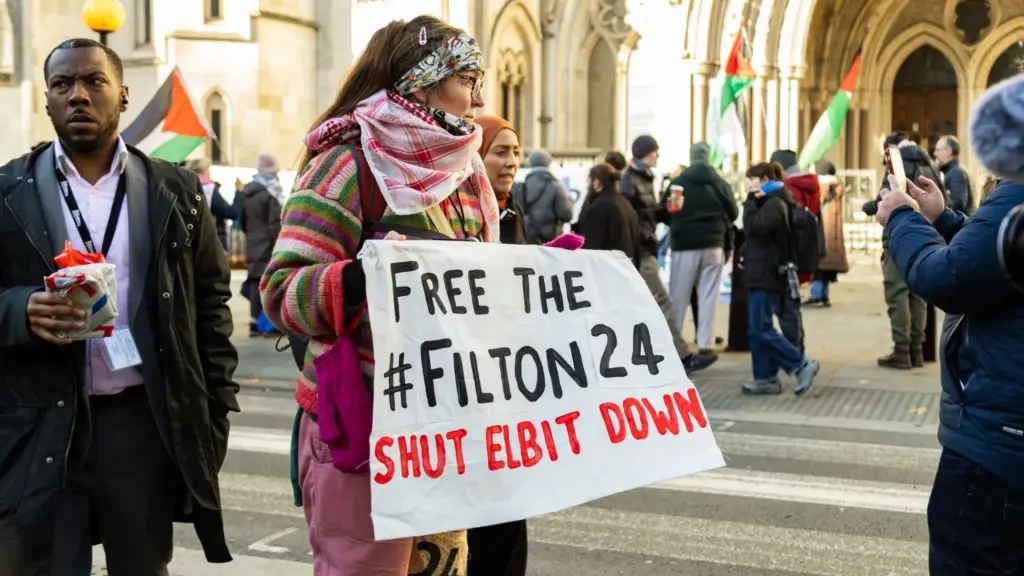
The Palestine Action hunger strike has escalated into a critical human rights issue, drawing significant attention from MPs and the public alike. Eight remand prisoners, facing serious charges linked to their activism for Palestine Action, have begun a life-threatening protest by refusing food for nearly five weeks. Their lawyers are urgently seeking a meeting with government ministers, highlighting the dire risk to their clients’ health as five have already required hospitalization. Amid accusations of human rights violations related to their treatment within the UK justice system, the hunger strikers demand not only bail but also the lifting of the controversial ban on their organization. As the situation intensifies, the implications for both the prisoners and broader activism surrounding Palestine cannot be understated.
In recent weeks, activists aligned with Palestine Action have resorted to a hunger strike as a desperate measure to protest their conditions and the charges against them. This form of protest underscores the rising tensions regarding alleged injustices within the UK judicial framework, especially regarding the treatment of these individuals awaiting trial. With claims of inadequate legal support and a lack of transparency in dealings with the justice system, their situation raises fundamental questions about human rights standards in detention. Calls for ministerial intervention have surged, as the situation evolves from a local issue to a broader human rights concern that resonates with international audiences. As these detainees’ health declines, the urgency to address their grievances becomes increasingly critical.
Urgent Call for Action on Palestine Action Hunger Strike
The urgency of the situation surrounding the Palestine Action hunger strike cannot be overstated. Lawyers representing eight remand prisoners who are on hunger strike have reached out to ministers, highlighting a disturbing reality – the potential for loss of life due to deteriorating health conditions. With some of these individuals refusing food for over a month, the situation has escalated to critical levels, prompting calls for immediate action. Their hunger strike serves as a desperate plea not just against their imprisonment but also against perceived injustices within the UK justice system.
As these brave individuals continue their protest, their legal team emphasizes that the conditions under which they are held raises fundamental questions about human rights violations. The call for an urgent meeting with Deputy Prime Minister David Lammy indicates the degree of seriousness with which their plight should be viewed. The hunger strike is not solely about individual cases; it reflects broader issues of justice, human rights, and accountability within the UK system, urging the government to take a step back and reconsider its policies regarding political protests and incarceration.
Concerns Over Treatment of Prisoners in the UK
The treatment of prisoners associated with Palestine Action raises significant concerns about their rights and the conditions under which they are held. Many advocates argue that the lack of response from ministers about the hunger strike and the overall treatment of these detainees is indicative of systemic issues within the UK justice system. The troubling lack of transparency and accountability not only undermines the principles of justice but also places these individuals at grave risk.
As news continues to emerge regarding the deteriorating health of prisoners on hunger strike, the spotlight shines on the Ministry of Justice’s handling of such cases. Advocacy groups point out that the prohibition on Palestine Action, and the consequent legal proceedings against its members, reflects a larger trend of criminalizing dissent. There is an urgent need for the government to not only respond to the demands of the hunger strikers but also to address the underlying human rights violations that have been alleged consistently throughout this ordeal.
The ongoing protests and the legal battle are further complicated by the silence from the government, raising questions about the effectiveness of communication and responsiveness within political institutions. The failure to address urgent queries from MPs reflects a troubling disregard for both the individuals affected and the critical issues at stake.
The Implications of Hunger Strikes as a Method of Protest
Hunger strikes have historically been used as a powerful form of protest, bringing attention to societal and political issues that often go ignored. In the case of the Palestine Action hunger strike, the implications extend beyond the immediate health concerns of the strikers. This method of protest signifies profound desperation and commitment to a cause, drawing public and media attention to the injustices perceived by those involved.
In a democratic society, the ability to protest is fundamental, yet the responses to such protests can often lead to further human rights violations. The situation of the Palestine Action hunger strikers serves as a stark reminder of the need for a respectful dialogue between the government and its citizens. Effective communication and genuine engagement can pave the way for resolutions that uphold human rights and justice.
Public and Political Reactions to the Hunger Strike
The public and political response to the Palestine Action hunger strike has showcased a growing concern about the treatment of detainees within the UK. Several MPs, including prominent figures like John McDonnell and Jeremy Corbyn, have vocally supported the hunger strikers and criticized the lack of communication from the government. This engagement reflects not only public interest but also a recognition of the significant ethical implications surrounding the hunger strike.
Furthermore, the minimalist responses from officials emphasize the disconnect between political leaders and public sentiment regarding human rights. As the outrage from constituents grows, it puts pressure on the government to reassess its position and take necessary actions to resolve this dire situation. The balance between law enforcement and protecting the rights of individuals is delicate and often fraught with challenges, making the political climate surrounding this issue particularly charged.
Legal Ramifications and Human Rights Concerns
The legal ramifications surrounding the Palestine Action hunger strike are deeply intertwined with broader conversations about human rights and accountability within the UK justice system. The strikers’ claims of being denied bail and a fair trial raise pertinent questions about the integrity of legal processes in politically sensitive cases. The legal team representing the hunger strikers has indicated potential plans to pursue legal action regarding alleged human rights violations, underscoring the seriousness of the claims being made.
These legal challenges indicate a critical juncture for not just the individuals involved but also for the broader implications on the justice system. The outcome of these cases could set important precedents regarding the treatment of political activists and the extent to which the government is held accountable for its actions. As the courts review the lawfulness of the Palestine Action ban and the treatment of its members, the stakes are high and the decisions made may reverberate throughout future political protest and legal frameworks.
International Perspectives on Palestine Action and Human Rights
The situation involving the Palestine Action hunger strikers has drawn international attention, highlighting the global implications of human rights violations associated with political activism. Many human rights organizations are closely monitoring the events in the UK, emphasizing the need for international standards to be upheld by governments worldwide. The engagement of international communities signifies a shared accountability in promoting human rights and recognizing the right to protest.
As global conversations about justice and human rights evolve, the plight of the Palestine Action hunger strikers serves as a reminder that issues of accountability and legal recourse transcend borders. Many supporters from various countries are rallying for justice, indicating a widespread acknowledgment that the treatment of such individuals can have far-reaching implications on international norms regarding human rights and the freedom of expression.
The Role of Media in Highlighting Human Rights Issues
Media coverage plays a crucial role in bringing attention to human rights issues, particularly in the context of the Palestine Action hunger strike. The implications of the media’s role not only serve to inform the public but also to hold authorities accountable. Through various channels, including social media and traditional news outlets, the struggles of the hunger strikers can reach a broader audience, galvanizing public support and prompting political action.
The accurate and ethical reporting of the situation allows for greater transparency and informs citizens about the realities faced by those involved in the protest. The media serves as a watchdog, providing critical analysis and coverage that keeps human rights abuses in the forefront of public discourse. In doing so, it fosters a culture of accountability and encourages calls for reforms and justice within the political system.
Long-term Consequences of Inaction on Hunger Strikes
The long-term consequences of inaction regarding the Palestine Action hunger strike are profound and far-reaching. Should the government fail to address the demands of the hunger strikers, these inactions could set dangerous precedents regarding the treatment of political dissenters in the UK. Continued neglect of these circumstances might not only worsen the conditions for those detained but could also embolden resistance and increase public unrest.
Moreover, the potential loss of life due to deteriorating health among the hunger strikers could lead to a surge of public outrage and ultimately prompt a reassessment of governmental policies related to protests and civil rights. Ensuring justice and accountability is crucial not just for the immediate situation but also for the future of political activism and the preservation of rights within society.
The Importance of Advocacy and Solidarity in Social Justice Movements
Advocacy and solidarity are vital components of social justice movements, particularly in cases like the Palestine Action hunger strike. The collective support for the strikers signals a strong message that political activism, despite opposition, is essential for democratic ideals. Advocates, both local and international, are stepping forward not only to support the hunger strikers but to ensure that the issues at play are not forgotten.
Solidarity actions, protests, and ongoing discussions emphasize the interconnectedness of human rights struggles, fostering a community of support that transcends borders. As the hunger strikers continue their fight for justice, the importance of such advocacy cannot be overstated; it reminds individuals and governments of their shared responsibility to uphold rights and freedoms offered within democratic frameworks.
Frequently Asked Questions
What is the Palestine Action hunger strike about?
The Palestine Action hunger strike involves eight remand prisoners protesting against their treatment in the UK justice system. They are demanding the lifting of a ban on Palestine Action and seeking accountability for human rights violations following their arrests for alleged offenses related to actions on behalf of the organization.
How long have the Palestine Action hunger strikers been refusing food?
As of now, several members of the Palestine Action hunger strike have been refusing food for over 30 days, with specific individuals like Qesser Zuhrah and Amy Gardiner-Gibson on hunger strike for 38 days. This protest is part of a broader demand for fair treatment and legal rights within the UK justice system.
What actions are the Palestine Action hunger strikers calling for?
The Palestine Action hunger strikers are calling for urgent meetings with government ministers to address their demands, which include lifting the ban on Palestine Action, securing their right to bail, and ensuring a fair trial amidst concerns over human rights violations.
What concerns have been raised regarding the health of Palestine Action hunger strikers?
Lawyers for the Palestine Action hunger strikers have expressed serious concerns over the deteriorating health of their clients, stating that five individuals have already required hospitalization. They warn of the potential risk of death if the situation does not resolve soon.
How has the UK justice system responded to the Palestine Action hunger strike?
The UK justice system, specifically the Ministry of Justice, has stated that they are continually assessing the well-being of prisoners involved in the Palestine Action hunger strike. However, there has been criticism from MPs for the lack of timely responses to concerns raised in Parliament.
What legal actions are being considered by the lawyers of Palestine Action hunger strikers?
The legal team for the Palestine Action hunger strikers is contemplating potential legal action due to perceived human rights violations, particularly concerning their clients’ treatment and the legality of the ban on Palestine Action, which is currently under judicial review.
Who has raised concerns in Parliament about the Palestine Action hunger strike?
MPs including John McDonnell and Jeremy Corbyn have raised concerns in Parliament regarding the Palestine Action hunger strike, emphasizing the urgency of the situation and the lack of response from ministers regarding inquiries about the detainees’ treatment.
What implications does the Palestine Action hunger strike have for human rights?
The Palestine Action hunger strike highlights critical issues surrounding human rights within the UK justice system, including the treatment of prisoners, the right to a fair trial, and the implications of legal actions against activists involved in protests for Palestinian rights.
| Key Points | Details |
|---|---|
| Hunger Strike Started | Eight remand prisoners related to Palestine Action have been on a hunger strike. |
| Duration of Hunger Strike | Some individuals are refusing food for over 30 days; two for 38 days. |
| Request for Urgent Meeting | Lawyers requested an urgent meeting with ministers due to rising health concerns. |
| Government Response | Ministers have failed to provide adequate responses or meetings despite requests from MPs. |
| Health Risks | Five hunger strikers have been hospitalized; lawyers express serious concerns about potential deaths. |
| Legal Implications | Lawyers are considering legal action over human rights violations regarding treatment of the prisoners. |
| Calls to Action | Protest demands include lifting the ban on Palestine Action and shutting down an Israeli-linked defense firm. |
| End of Trial Delays | Prisoners claim they have been denied bail and fair trials while awaiting charges. |
Summary
The Palestine Action hunger strike has emerged as a significant protest against the conditions faced by remand prisoners awaiting trial. This protest encapsulates the urgent calls for justice and the appeal for humane treatment as well as the need for governmental accountability toward detainees’ rights. With some strikers entering life-threatening conditions after weeks without food, it is increasingly critical for the government to address these demands swiftly to prevent potential tragedies.

